Waltey
Leni polž
022 THE LAZY SNAIL
Živalske zgodbe Clare Dillingham Pierson · Clara Dillingham PiersonO besedilu
Leni polž
- Vir
- Živalske zgodbe Clare Dillingham Pierson
- Avtor
- Clara Dillingham Pierson
- Jezik branja
- Slovenščina
- Jezik izvirnika
- English
- Čas branja
- 5 min branja
- Obseg
- 4 strani
- Naslov izvirnika
- 022 THE LAZY SNAIL
O izvirniku
Živalske zgodbe Clare Dillingham Pierson
Devetindevetdeset avtorskih zgodb o živalih na kmetiji, travniku, v gozdu, ob ribniku in ponoči. Bralni jezik je Slovenščina, izvirnik pa prihaja iz vira Živalske zgodbe Clare Dillingham Pierson v jeziku English.
Besedilo
Leni polž
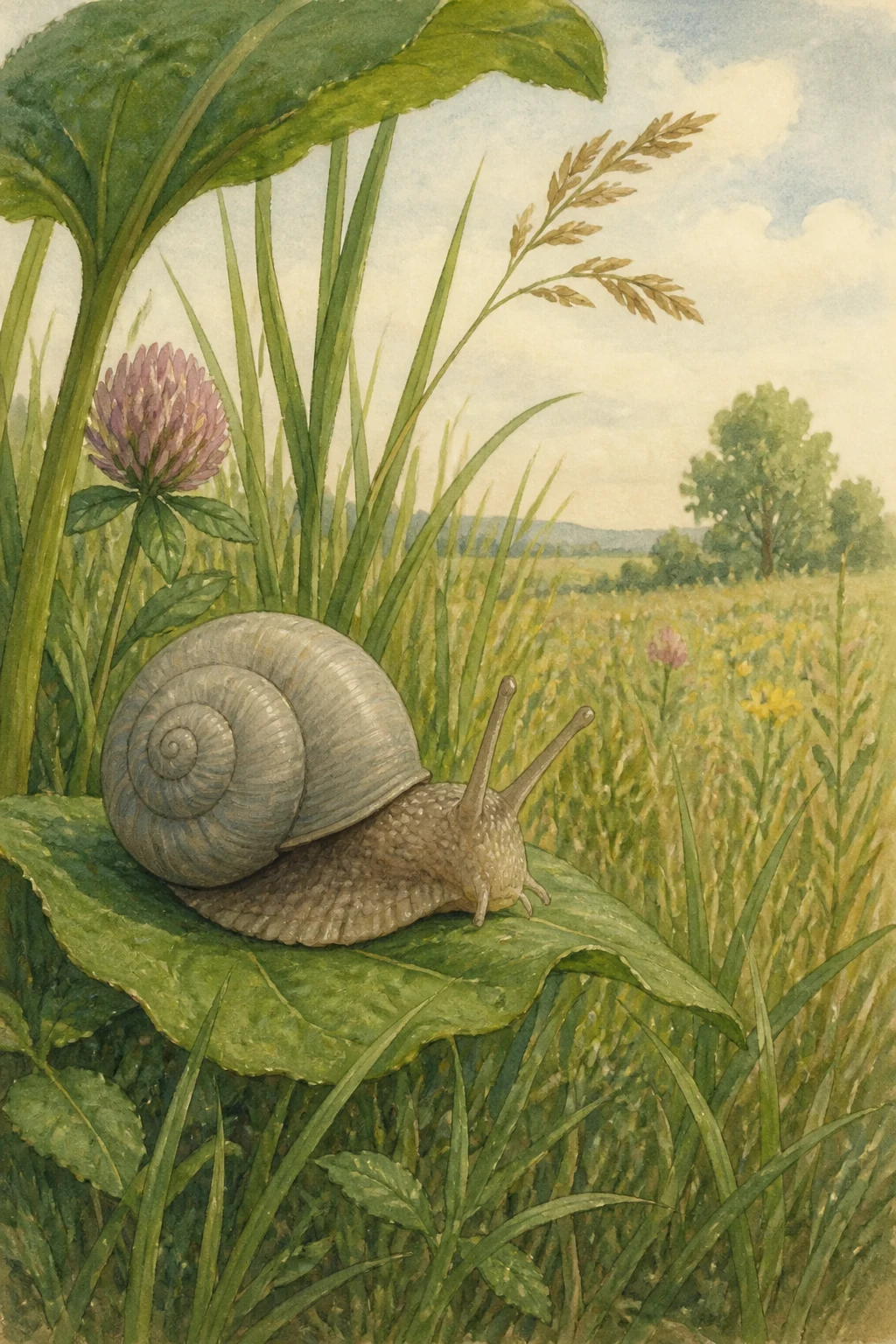
V spodnjem delu travnika, kjer je rasla visoka in nežna trava, je živel čeden in krepak mlad Polž; se pravi, Polž lepega videza. Njegova hišica je bila čudovite nežno sive barve, njeni zavoji pa pravilni in popolni. Njegovo telo je bilo mehko in vlažno, prav takšno, kakršno mora biti polžje telo. Seveda ni mogel potovati hitro, saj nihče iz njegovega rodu ni hiter popotnik, vendar bi lahko, če bi bil pogumen in potrpežljiv, spoznal velik del travnika in morda celo nekaj sveta zunaj njega. Prijatelji in sosedje so mu pogosto govorili, da bi se moral odpraviti na krajše potovanje in si ogledati zanimivosti, on pa je vselej odgovoril: »Oh, to je preveč naporno!«
Nihče ni imel zgodb o življenju na travniku raje kot prav ta Polž in pogosto je ustavil kakšnega prijaznega Črička ali Kačo, da bi ju povprašal po novicah. Ko sta mu jih povedala, sta ga vprašala: »Zakaj pa se nikoli ne odpraviš ven, da bi vse to videl na lastne oči?« On pa je narahlo vzdihnil in odgovoril: »Predaleč je.«
»Saj ti ni treba prehoditi vse poti v enem dnevu,« je rekel obiskovalec, »le po malem.« »Že, ampak potem bi se moral kar naprej znova odpravljati na pot,« je odvrnil Polž. »In kaj potem?« je rekel obiskovalec. »Saj bi imel veliko časa za počitek, ko bi lahko ležal v senci visoke zeli in užival.«
»No, kakšen smisel pa ima to?« je rekel Polž. »Ne morem uživati v počitku, če vem, da se bom moral spet lotiti dela,« in še enkrat je vzdihnil. Tako je živel tam, jedel in spal ter si želel, da bi lahko videl svet in spoznal prebivalce zgornjega dela travnika, vendar je bil preprosto prelen, da bi se jih odpravil iskat.
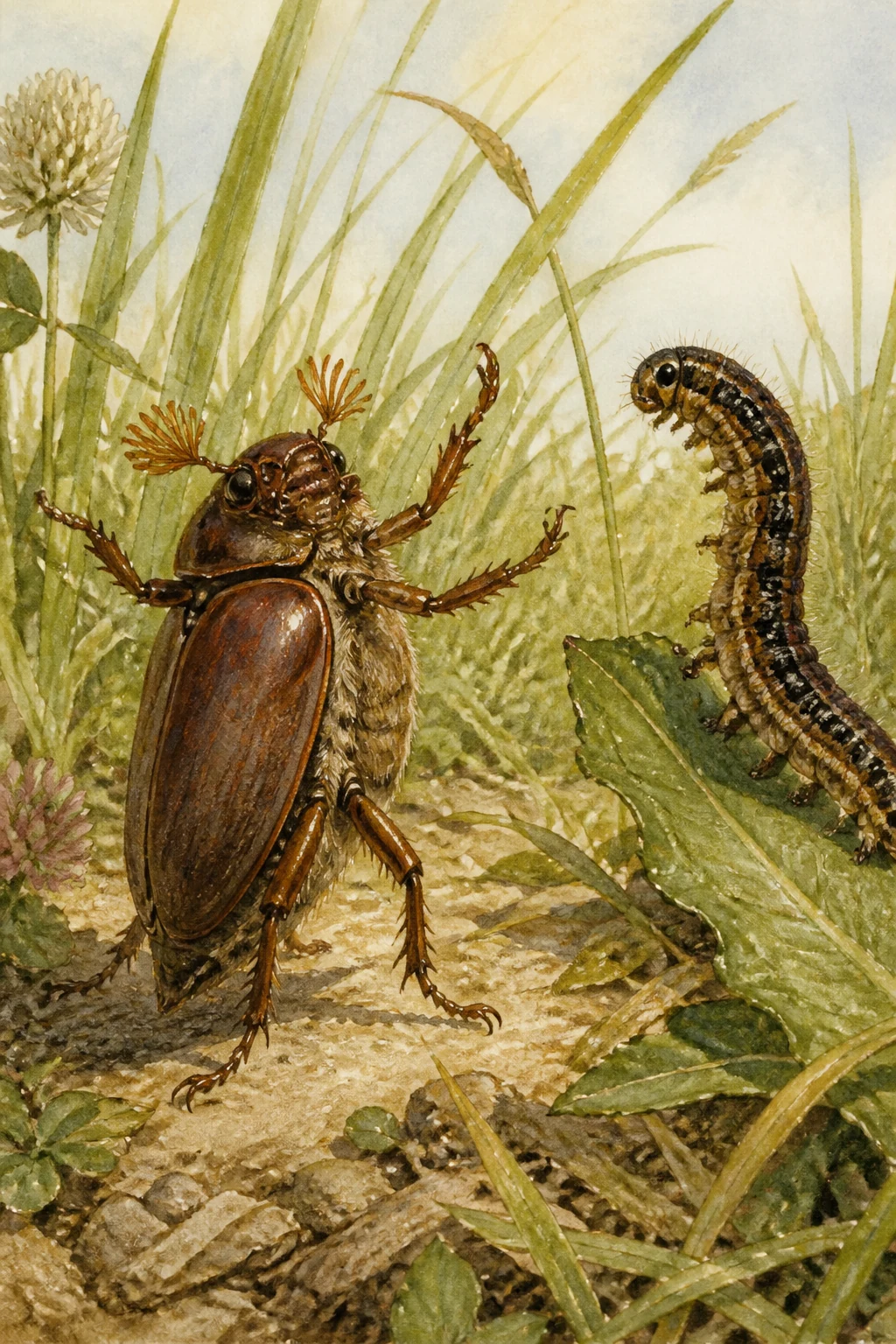
Nikoli ni pomislil, da Metuljem in Hroščem morda ni všeč, ker jih nenehno kliče k sebi in jih sili, da mu pripovedujejo novice. O, kje pa! Kadar je hotel, da kaj storijo zanj, jih je brez obotavljanja prosil, in ker so bili veseli in dobrodušni, so vselej storili, kar jih je prosil.
Toda prišel je dan, ko je zahteval preveč. Kobilice so mu pripovedovale o nekih zelo slastnih novih rastlinah, ki so rasle malo stran, in Polž si jih je silno zaželel. »Ali mi jih ne morete nekaj prinesti?« je rekel. »Toliko vas je in tako dobre, močne noge imate. Mislim, da bi mi lahko vsaka prinesla košček v ustih, pa bi imel imenitno kosilo.«
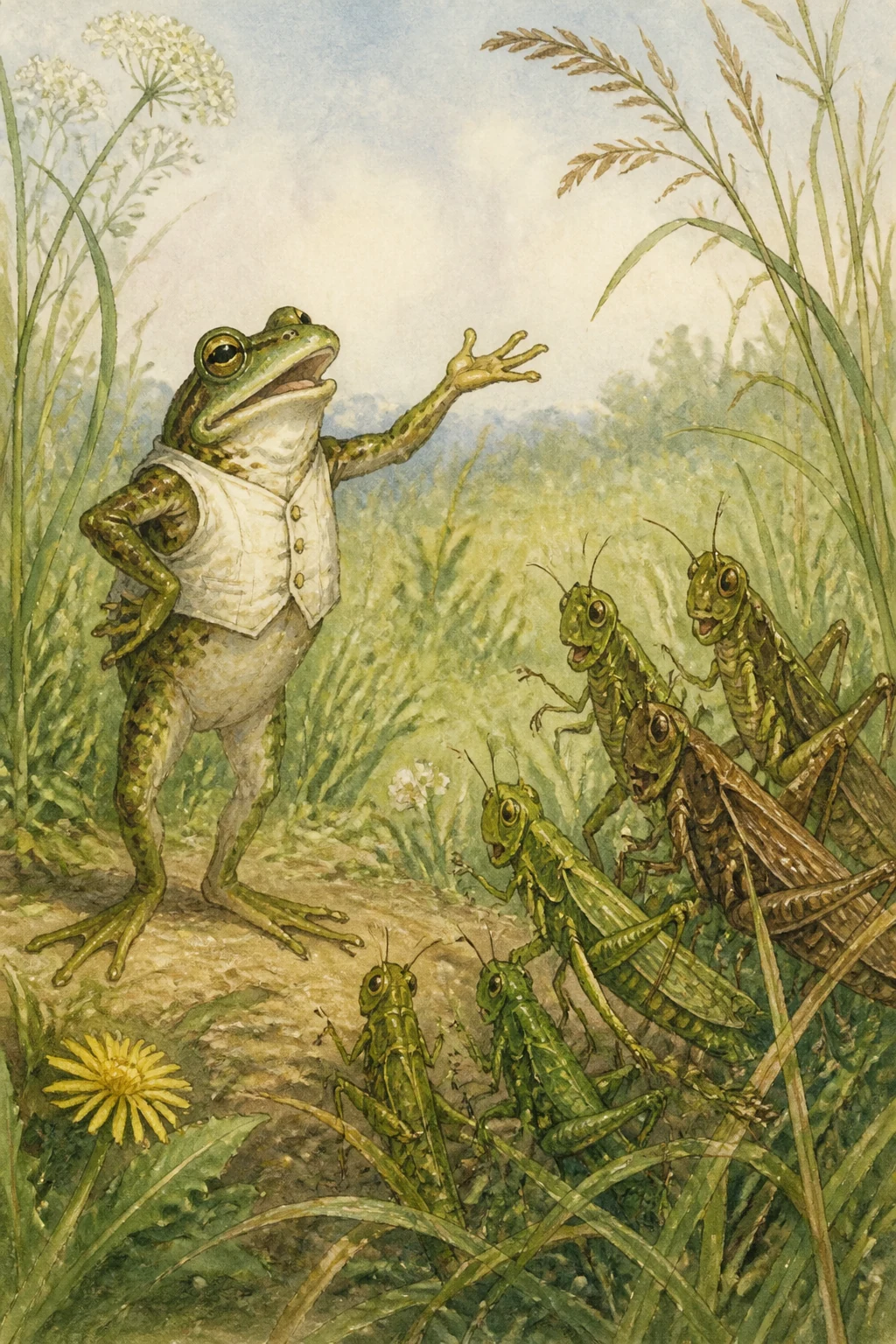
Kobilice tedaj niso rekle ničesar, ko pa so bile že tako daleč, da jih ni mogel več slišati, so rekle druga drugi: »Če si Polž tako želi te hrane, naj gre kar sam ponjo. Me imamo drugo delo,« in odskakljale so po svojih opravkih.
Polž je sedel tam in se čudil in čudil, zakaj jih ni. Kar naprej je mislil na to, kako rad bi si za kosilo privoščil nekaj te nove hrane, a pri tem je tudi ostalo. Ni si je želel dovolj močno, da bi si jo priskrbel sam.
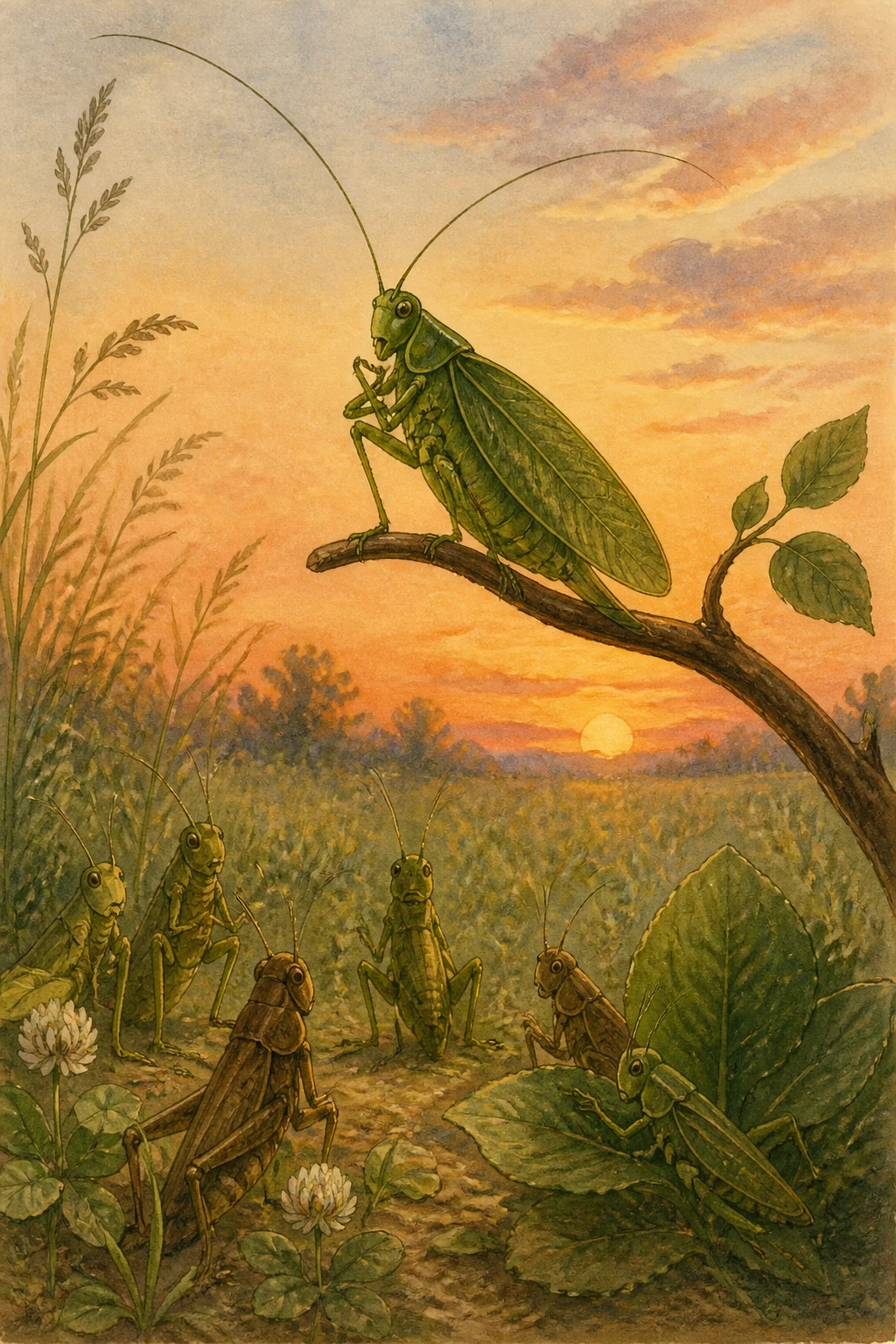
Kobilice so vsem prijateljem povedale, kaj jih je Polž prosil, in vsi so si mislili: »Tak len in nekoristen lenuh si zasluži, da ga pustimo povsem samega.« Tako se je zgodilo, da se zelo dolgo nihče ni približal Polžu.
Vreme je postajalo vse bolj vroče. Oblaki, ki jih je veter gnal čez nebo, so zadržali dež, dokler niso bili že daleč onkraj travnika, in tako je reka postajala vse plitvejša, sonce pa je posušilo drobne mlake in potočke, ki so ohranjali spodnji del travnika vlažen. Trava je začela rjaveti in se sušiti in takšno vreme je bilo za Polže res huda preizkušnja.
Nekega dne je Metuljčica zbrala nekaj svojih prijateljev in jim povedala, da je videla Polža ležati na njegovem starem mestu, shujšanega in lačnega. »Trava okoli njega je vsa posušena,« je rekla. »Mislim, da strada, pa je prelen, da bi se premaknil bliže k reki, kjer je zanj še vedno dovolj dobre hrane.«
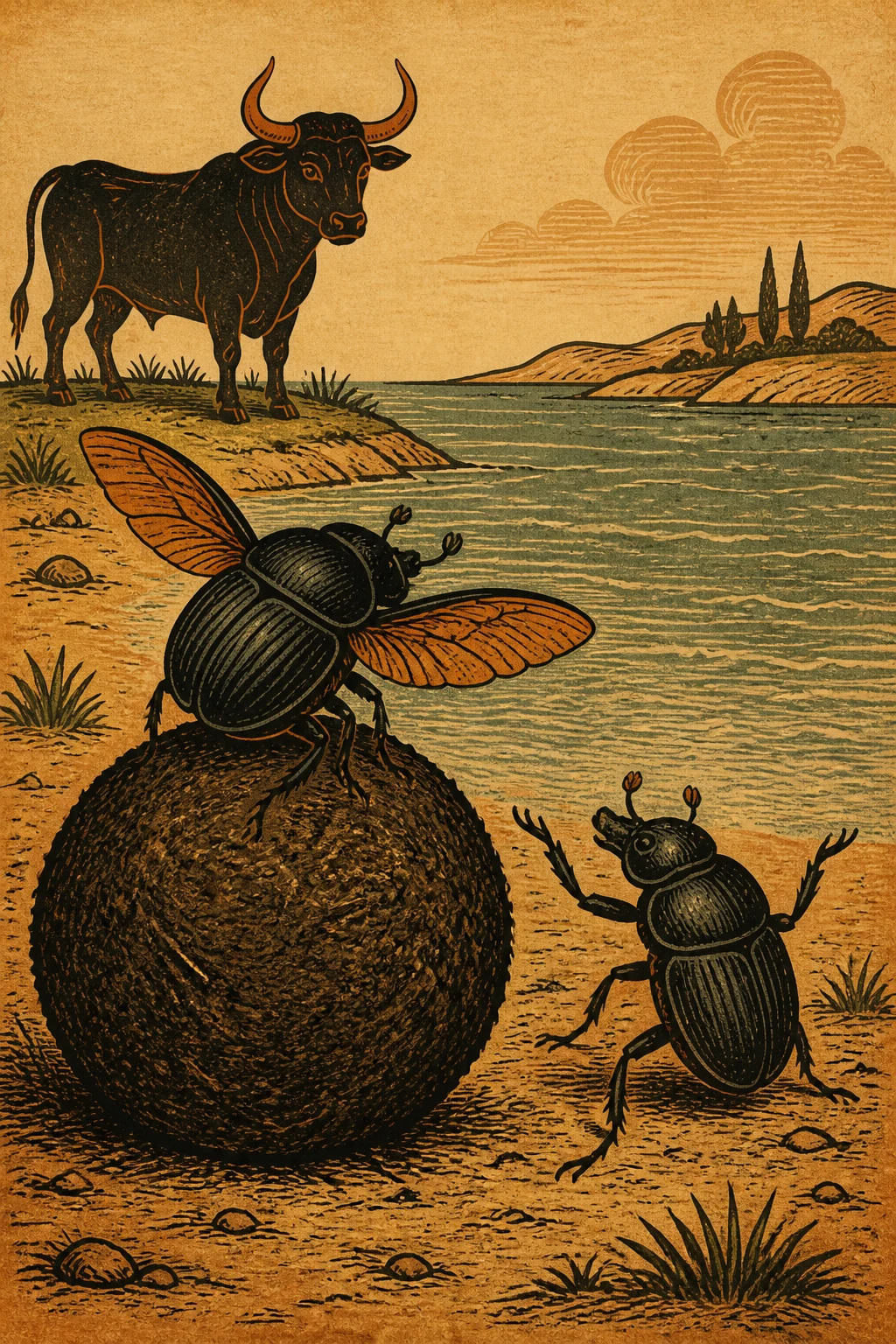
Vsi skupaj so se pogovorili o tem in nekateri so rekli, da nima smisla pomagati Polžu, ki je prelen, da bi sam kaj storil zase. Drugi pa so rekli: »No, zdaj je vsekakor prešibak, da bi si pomagal sam, in tokrat bi mu lahko pomagali.« In prav to so tudi storili. Metulji in Komarji so poleteli naprej, da bi našli najboljši kraj za Polža, vse Kobilice, Hrošči in druge močne plazeče se živali pa so ga izmenično kotalili navzdol proti reki.
Pustili so ga tam, kjer je bilo zelenje sveže in nežno, in spet je postal močan in lepo rejen. Pravijo celo, da potem ni bil več tako len, vendar človek ne ve, ali naj temu verjame ali ne, saj vsi vedo, da je tistim, ki si dovolijo odrasti v lenuhe, kakor je odrastel on, pozneje skoraj nemogoče premagati lenobo, tudi če si to želijo. Nekaj pa je gotovo: prebivalci travnika, ki so mu pomagali, so bili zaradi svojega dobrega dejanja srečnejši in boljši, ne glede na to, kaj je bilo pozneje s Polžem.
Izvirnik
022 THE LAZY SNAIL
Naslednje strani prikazujejo izvirno besedilo za primerjavo.
In the lower part of the meadow, where the grass grew tall and tender, there lived a fine and sturdy young Snail; that is to say, a fine-looking Snail. His shell was a beautiful soft gray, and its curves were regular and perfect. His body was soft and moist, and just what a Snail's body should be. Of course, when it came to travelling, he could not go fast, for none of his family are rapid travellers, still, if he had been plucky and patient, he might have seen much of the meadow, and perhaps some of the world outside. His friends and neighbors often told him that he ought to start out on a little journey to see the sights, but he would always answer, "Oh, it is too hard work!"
There was nobody who liked stories of meadow life better than this same Snail, and he would often stop some friendly Cricket or Snake to ask for the news. After they had told him, they would say, "Why, don't you ever get out to see these things for yourself?" and he would give a little sigh and answer, "It is too far to go."
"But you needn't go the whole distance in one day," his visitor would say, "only a little at a time."
"Yes, and then I would have to keep starting on again every little while," the Snail would reply. "What of that?" said the visitor; "you would have plenty of resting spells, when you could lie in the shade of a tall weed and enjoy yourself."
"Well, what is the use?" the Snail would say. "I can't enjoy resting if I know I've got to go to work again," and he would sigh once more.
So there he lived, eating and sleeping, and wishing he could see the world, and meet the people in the upper part of the meadow, but just so lazy that he wouldn't start out to find them.
He never thought that the Butterflies and Beetles might not like it to have him keep calling them to him and making them tell him the news. Oh, no indeed! If he wanted them to do anything for him, he asked them quickly enough, and they, being happy, good-natured people, would always do as he asked them to.
There came a day, though, when he asked too much. The Grasshoppers had been telling him about some very delicious new plants that grew a little distance away, and the Snail wanted some very badly. "Can't you bring me some?" he said. "There are so many of you, and you have such good, strong legs. I should think you might each bring me a small piece in your mouths, and then I should have a fine dinner of it."
The Grasshoppers didn't say anything then, but when they were so far away that he could not hear them, they said to each other, "If the Snail wants the food so much, he might better go for it. We have other things to do," and they hopped off on their own business.
The Snail sat there, and wondered and wondered that they did not come. He kept thinking how he would like some of the new food for dinner, but there it ended. He didn't want it enough to get it for himself.
The Grasshoppers told all their friends about the Snail's request, and everybody thought, "Such a lazy, good-for-nothing fellow deserves to be left quite alone." So it happened that for a very long time nobody went near the Snail.
The weather grew hotter and hotter. The clouds, which blew across the sky, kept their rain until they were well past the meadow, and so it happened that the river grew shallower and shallower, and the sunshine dried the tiny pools and rivulets which kept the lower meadow damp. The grass began to turn brown and dry, and, all in all, it was trying weather for Snails.
One day, a Butterfly called some of her friends together, and told them that she had seen the Snail lying in his old place, looking thin and hungry. "The grass is all dried around him," she said; "I believe he is starving, and too lazy to go nearer the river, where there is still good food for him."
They all talked it over together, and some of them said it was of no use to help a Snail who was too lazy to do anything for himself. Others said, "Well, he is too weak to help himself now, at all events, and we might help him this once." And that is exactly what they did. The Butterflies and the Mosquitoes flew ahead to find the best place to put the Snail, and all the Grasshoppers, and Beetles, and other strong crawling creatures took turns in rolling the Snail down toward the river.
They left him where the green things were fresh and tender, and he grew strong and plump once more. It is even said that he was not so lazy afterward, but one cannot tell whether to believe it or not, for everybody knows that when people let themselves grow up lazy, as he did, it is almost impossible for them to get over it when they want to. One thing is sure: the meadow people who helped him were happier and better for doing a kind thing, no matter what became of the Snail.
Nadaljuj z branjem