Waltey
Kobilica, ki se ni pustila prestrašiti
039 THE GRASSHOPPER WHO WOULDN'T BE SCARED
Živalske zgodbe Clare Dillingham Pierson · Clara Dillingham PiersonO besedilu
Kobilica, ki se ni pustila prestrašiti
- Vir
- Živalske zgodbe Clare Dillingham Pierson
- Avtor
- Clara Dillingham Pierson
- Jezik branja
- Slovenščina
- Jezik izvirnika
- English
- Čas branja
- 6 min branja
- Obseg
- 5 strani
- Naslov izvirnika
- 039 THE GRASSHOPPER WHO WOULDN'T BE SCARED
O izvirniku
Živalske zgodbe Clare Dillingham Pierson
Devetindevetdeset avtorskih zgodb o živalih na kmetiji, travniku, v gozdu, ob ribniku in ponoči. Bralni jezik je Slovenščina, izvirnik pa prihaja iz vira Živalske zgodbe Clare Dillingham Pierson v jeziku English.
Besedilo
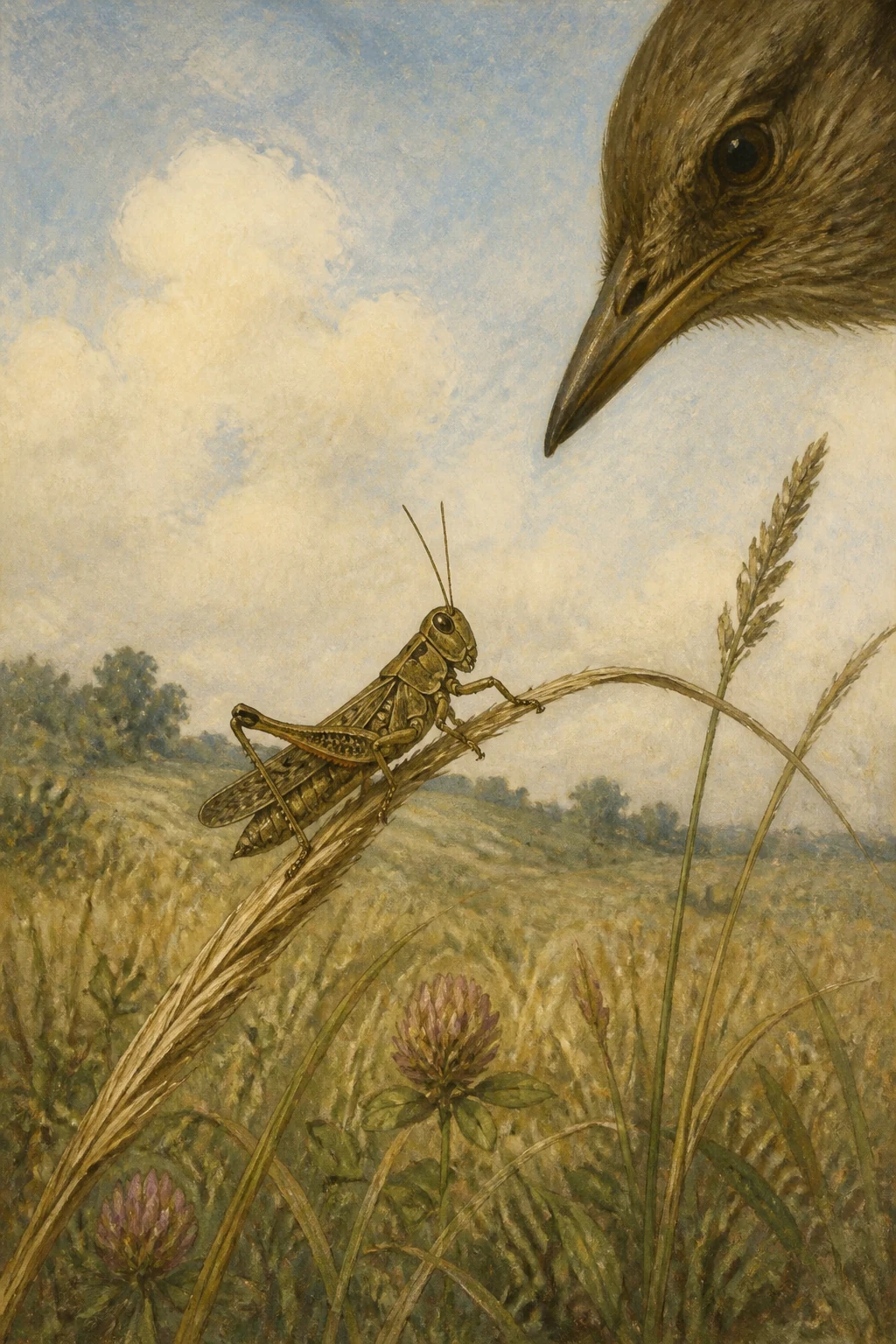
Kobilica, ki se ni pustila prestrašiti
Na travniku je bilo več Mravelj kakor katerih koli drugih žuželk. V njihovi družini niso bile samo Mravlje, temveč tudi pratete, bratranci in sestrične, nečaki in nečakinje, tako da se je človeku začelo dremati že ob misli na to, koliko sorodnikov ima vsaka Mravlja. A bile so drobna bitja in nikoli niso zganjale hrupa, zato se je morda zdelo, da so največja družina na travniku Kobilice.
Kobilice so imele veliko različnih družin, vendar so bile vse v sorodu. Nekatere so imele kratke rožičke oziroma tipalnice in rdeče noge, druge pa dolge rožičke. Nekatere so živele na spodnjem delu travnika, kjer je bilo vlažno, druge na zgornjem. Zelene kobilice, ki tudi v resnici sodijo v to družino, veste, so se zadrževale na drevesih in podnevi niso pogosto pele. Potem so bile tu še velike Cestne kobilice, ki so živele samo tam, kjer so bila tla gola in prašna, in jih je bilo skoraj nemogoče opaziti, razen kadar so letele. Ko so ležale v prahu, so bila njihova široka krila skrita in videti je bilo le tisti del telesa, ki je bil enake barve kakor prah. Ko pa se je mimo pripeljal kmet, so se z rahlim brenčanjem dvignile v zrak in odfrfotale na varno. Takrat jih je bilo mogoče jasno videti, saj so bila njihova velika spodnja krila črna z rumenimi robovi.
Morda so bile na travniku najbolj znane Oblačne kobilice, velike, umazano rjave kobilice s temnimi pegami, ki jih je bilo jeseni, kot se je zdelo, povsod polno. Očetje in bratje v tej družini so med letenjem vedno glasno prasketali s krili, tako da človek nikoli ni mogel pozabiti, da so v bližini.
Čudno je bilo, da so jim vedno pravili Kobilice. Njihovi prapraprastarši so se imenovali Selivke in to je bilo njihovo družinsko ime, toda Škržadom je bilo to ime všeč in so ga hoteli zase. Okrog tega so zagnali tolikšen vik in krik, da so jih ljudje začeli imenovati Sedemnajstletne selivke; in ker so morali prave Selivke potem imenovati kako drugače, so jim rekli Kobilice. Kobilic to ni motilo. Bile so vesele in glasne, ko so postajale starejše, pa včasih tudi zelo napihnjene. In saj veste, kaj pomeni biti napihnjen.
Ko je kmet vozil zadnje tovore sena v skedenj in jih spravljal v velike senene shrambe, so se ob vozu razposajeno igrali trije mladi bratje iz družine Oblačnih kobilic. Tekmovali so, kdo najhitreje teče, najglasneje prasketa, najvišje skoči, najdlje odfrfota in največ poje. Zdelo se je, da nimajo več kaj početi. Niso mogli pojesti niti grižljaja več, drugi fantje se niso hoteli igrati z njimi, sami pa se niso hoteli igrati s svojimi sestrami, in prav nič se niso zabavali.
Sedeli so na kupčku sena in opazovali voz, ki se je vse bolj približeval. Kmet je bil na vrhu, eden od njegovih delavcev pa je hodil ob njem. Vsakič, ko so prišli do kupčka sena, je kmet ustavil Konje, delavec pa je v seno na tleh zasadil bleščeče vile z dolgim ročajem in ga vrgel kmetu na voz. Tam so ga poteptali, kmetova žena je pograbila raztreseno seno, ki je ostalo na tleh, in tudi tega so vrgli na voz.
Največji izmed Oblačnih kobilic je rekel bratoma: »Ne upata si ostati tukaj, ko bodo to seno naložili na voz!« Najmanjši je rekel: »Pa si upam!«
Drugi brat je rekel: »Pha! Kar si upaš ti, si pa menda upam tudi jaz!« To je izrekel precej zoprno in morda je bilo tako zato, ker se je preveč najedel. Če se katera koli žuželka prenaje, postane sitna.
V resnici je bilo vse tri strah, toda vsak je čakal, da bosta odnehala druga dva. Medtem ko so čakali, se je voz ustavil ob njih, bleščeče vile so se zasadile v seno in že jih je stresalo, obračalo na glavo in dvigalo po zraku na voz. Tam so se znašli sredi tovora, povsem zapleteni v seno. Bilo je temno in komaj so dihali. Med senom je bilo nekaj koprivnih stebel in morali so zlesti proč od njih. Prav nič zabavno ni bilo in tudi pogovarjali se niso kaj dosti.
Ko je voz prispel v skedenj, so jih skupaj s senom zmetali v seneno shrambo, potem pa so skakali in frfotali naokrog, dokler se niso znašli na podu nad stojišči za Konje. Sedeli so skupaj na podu in se spraševali, kako se bodo sploh kdaj vrnili na travnik. Ker so pripotovali sredi tovora, niso poznali poti.
»O!« so rekli. »Kdo so tista štirinožna bitja tamle?« »Mucki!« je zapela Lastovka nad njihovimi glavami. »O, čiv-čivi-čivi-čiii!« Oblačne kobilice še nikoli niso videle Muckov. Res je stara Mačka pogosto hodila lovit na travnik, toda to je bilo ponoči, ko so Kobilice spale.
»Mijav!« je rekel Rumeni mucek. »Poglejta tista čudna rjava bitjeca na podu. Vsak naj ujame enega.« In Mucki so se začeli počasi plaziti po podu, s telesi in repki tik pri tleh ter z zelo kratkimi koraki. Nobeden ni odmaknil oči od Oblačne kobilice, ki jo je nameraval ujeti. Včasih so obstali, se pritajili in opazovali, potem pa so šli naprej, bliže, še bliže, čedalje bliže, medtem ko je bilo Oblačne kobilice vse bolj strah in so si želele, da ne bi nikoli zapustile travnika, kjer so bile tako varne in srečne.
Nazadnje so Mucki skočili in s svojimi ostrimi krempeljčki pristali natanko tam, kjer so Oblačne kobilice — prej sedele. Tudi Oblačne kobilice so namreč skočile, vendar niso mogle dolgo ostati v zraku, in ko so pristale, so Mucki spet skočili. Tako je šlo naprej, dokler niso bile uboge Oblačne kobilice tako zelo, zelo utrujene, da niso mogle skočiti niti pol tako daleč kakor sprva. Včasih so jih Mucki skušali ujeti celo med frfotanjem in vsakič so bili nekoliko bliže uspehu. Kobilice so bile tako utrujene, da še pomislile niso, da bi skočile na steno skednja, kamor jih Mucki ne bi mogli doseči.
Nazadnje je najmanjši izmed Oblačnih kobilic zaklical bratoma: »Dajmo, poženiimo Mucke v beg!« Brata sta odgovorila: »Preveliki so.« Najmanjši, ki je bil od nekdaj najbistrejši v družini, pa je zaklical nazaj: »Tudi če so veliki, jih lahko prestrašimo.«
Potem so vse Oblačne kobilice skočile proti Muckom, zaprasketale s krili in se naredile zelo, zelo strašne. In Mucki so zbežali, kolikor so jih nesle noge. Tako se jim je mudilo stran, da se je Rumeni mucek spotaknil ob Belega mucka in oba sta se v majhnem kosmatem klobčiču zakotalila po podu. Oblačne kobilice so spet skočile, Mucki pa so jo ucvrli k svojemu ležišču v senu, se postavili ob steno, usločili hrbte in dvignili svoje koničaste repke, odprli rožnate gobčke, pihnili proti njim in rekli: »Ha-ah-h-h!«
»Tako!« jim je rekel najmanjši izmed Oblačnih kobilic. »Tokrat vam ne bomo nič naredili, ker ste še mladi in ne veste prav veliko, ampak nikoli več ne nadlegujte nobenega od nas. Lahko bi skočili naravnost na vas in kaj bi potem sploh lahko storili, da bi se rešili?«
Oblačne kobilice so se odpravile iskat pot nazaj na travnik, prestrašeni Mucki pa so se spogledali in zašepetali: »Samo pomislite, kaj če bi res skočile na nas! Kaj bi sploh lahko storili!«
Izvirnik
039 THE GRASSHOPPER WHO WOULDN'T BE SCARED
Naslednje strani prikazujejo izvirno besedilo za primerjavo.
There were more Ants in the meadow than there were of any other kind of insects. In their family there were not only Ants, but great-aunts, cousins, nephews, and nieces, until it made one sleepy to think how many relatives each Ant had. Yet they were small people and never noisy, so perhaps the Grasshoppers seemed to be the largest family there.
There were many different families of Grasshoppers, but they were all related. Some had short horns, or feelers, and red legs; and some had long horns. Some lived in the lower part of the meadow where it was damp, and some in the upper part. The Katydids, who really belong to this family, you know, stayed in trees and did not often sing in the daytime. Then there were the great Road Grasshoppers who lived only in places where the ground was bare and dusty, and whom you could hardly see unless they were flying. When they lay in the dust their wide wings were hidden and they showed only that part of their bodies which was dust-color. Let the farmer drive along, however, and they rose into the air with a gentle, whirring sound and fluttered to a safe place. Then one could see them plainly, for their large under wings were black with yellow edges.
Perhaps those Grasshoppers who were best known in the meadow were the Clouded Grasshoppers, large dirty-brown ones with dark spots, who seemed to be everywhere during the autumn. The fathers and brothers in this family always crackled their wings loudly when they flew anywhere, so one could never forget that they were around.
It was queer that they were always spoken of as Grasshoppers. Their great-great-great-grandparents were called Locusts, and that was the family name, but the Cicadas liked that name and wanted it for themselves, and made such a fuss about it that people began to call them Seventeen-Year-Locusts; and then because they had to call the real Locusts something else, they called them Grasshoppers. The Grasshoppers didn't mind this. They were jolly and noisy, and as they grew older were sometimes very pompous. And you know what it is to be pompous.
When the farmer was drawing the last loads of hay to his barn and putting them away in the great mows there, three young Clouded Grasshopper brothers were frolicking near the wagon. They had tried to see who could run the fastest, crackle the loudest, spring the highest, flutter the farthest, and eat the most. There seemed to be nothing more to do. They couldn't eat another mouthful, the other fellows wouldn't play with them, they wouldn't play with their sisters, and they were not having any fun at all.
They were sitting on a hay-cock, watching the wagon as it came nearer and nearer. The farmer was on top and one of his men was walking beside it. Whenever they came to a hay-cock the farmer would stop the Horses, the man would run a long-handled, shining pitch-fork into the hay on the ground and throw it up to the farmer. Then it would be trampled down on to the load, the farmer's wife would rake up the scattering hay which was left on the ground, and that would be thrown up also.
The biggest Clouded Grasshopper said to his brothers, "You dare not sit still while they put this hay on the load!"
The smallest Clouded Grasshopper said, "I do too!"
The second brother said, "Huh! Guess I dare do anything you do!" He said it in a rather mean way, and that may have been because he had eaten too much. Overeating will make any insect cross.
Now every one of them was afraid, but each waited for the others to back out. While they were waiting, the wagon stopped beside them, the shining fork was run into the hay, and they were shaken and stood on their heads and lifted through the air on to the wagon. There they found themselves all tangled up with hay in the middle of the load. It was dark and they could hardly breathe. There were a few stems of nettles in the hay, and they had to crawl away from them. It was no fun at all, and they didn't talk very much.
When the wagon reached the barn, they were pitched into the mow with the hay, and then they hopped and fluttered around until they were on the floor over the Horses' stalls. They sat together on the floor and wondered how they could ever get back to the meadow. Because they had come in the middle of the load, they did not know the way.
"Oh!" said they. "Who are those four-legged people over there?"
"Kittens!" sang a Swallow over their heads. "Oh, tittle-ittle-ittle-ee!"
The Clouded Grasshoppers had never seen Kittens. It is true that the old Cat often went hunting in the meadow, but that was at night, when Grasshoppers were asleep.
"Meouw!" said the Yellow Kitten. "Look at those queer little brown people on the floor. Let's each catch one."
So the Kittens began crawling slowly over the floor, keeping their bodies and tails low, and taking very short steps. Not one of them took his eyes off the Clouded Grasshopper whom he meant to catch. Sometimes they stopped and crouched and watched, then they went on, nearer, nearer, nearer, still, while the Clouded Grasshoppers were more and more scared and wished they had never left the meadow where they had been so safe and happy.
At last the Kittens jumped, coming down with their sharp little claws just where the Clouded Grasshoppers--had been. The Clouded Grasshoppers had jumped too, but they could not stay long in the air, and when they came down the Kittens jumped again. So it went until the poor Clouded Grasshoppers were very, very tired and could not jump half so far as they had done at first. Sometimes the Kittens even tried to catch them while they were fluttering, and each time they came a little nearer than before. They were so tired that they never thought of leaping up on the wall of the barn where the Kittens couldn't reach them.
At last the smallest Clouded Grasshopper called to his brothers, "Let us chase the Kittens."
The brothers answered, "They're too big."
The smallest Clouded Grasshopper, who had always been the brightest one in the family, called back, "We may scare them if they are big."
Then all the Clouded Grasshoppers leaped toward the Kittens and crackled their wings and looked very, very fierce. And the Kittens ran away as fast as they could. They were in such a hurry to get away that the Yellow Kitten tumbled over the White Kitten and they rolled on the floor in a furry little heap. The Clouded Grasshoppers leaped again, and the Kittens scrambled away to their nest in the hay, and stood against the wall and raised their backs and their pointed little tails, and opened their pink mouths and spat at them, and said, "Ha-ah-h-h!"
"There!" said the smallest Clouded Grasshopper to them, "we won't do anything to you this time, because you are young and don't know very much, but don't you ever bother one of us again. We might have hopped right on to you, and then what could you have done to help yourselves?"
The Clouded Grasshoppers started off to find their way back to the meadow, and the frightened Kittens looked at each other and whispered: "Just supposing they had hopped on to us! What could we have done!"
Nadaljuj z branjem