Prevod
With these and other tales they filled the long day. Its last light was given to feasting, the night to sleep. Golden Sol had raised his radiance (the east wind still blew, keeping their homeward sails in port), when the sons of Pallas went to Cephalus, their elder, and Cephalus and Pallas’s sons together went to the king. But deep sleep still held him. Phocus, son of Aeacus, welcomed them at the threshold, for Telamon and his brother were mustering men for war.
Phocus led the Athenians into the inner rooms, to a lovely, secluded chamber, and sat down with them. He noticed that the grandson of Aeolus carried a javelin made from some unknown wood, with a golden tip. After a few words on other matters, he said, “I love the woods and the hunting of wild beasts; yet I have long been wondering from what tree the shaft you hold was cut. Surely, if it were ash, it would be tawny in colour; if cornel, it would have knots.
I cannot tell its source. But my eyes have never seen a more beautiful weapon for throwing.” One of the Athenian brothers answered, “You will marvel more at its powers than its beauty. It strikes whatever it is aimed at; chance does not guide its flight, and it flies back bloodied, with no one to retrieve it.” Then the young grandson of Nereus asked everything: why it had been given, where it came from, who had bestowed so great a gift.
Cephalus told him what he asked. Yet, ashamed to tell, he kept silent about the price he had paid for it; and, stirred by grief for his lost wife, he spoke through welling tears: “Son of a goddess, this weapon—who could believe it?— makes me weep, and will do so for many years, if the Fates grant me many years to live. It ruined me and my dear wife. Would that I had never received this gift!
There was Procris—if Orithyia’s name has reached your ears more often, she was the sister of that abducted woman— and, if you compared their beauty and their characters, she was the worthier to be carried off. Her father Erechtheus joined her to me, and love joined us too. I was called happy, and happy I was. The gods thought otherwise, or perhaps I should be happy still.
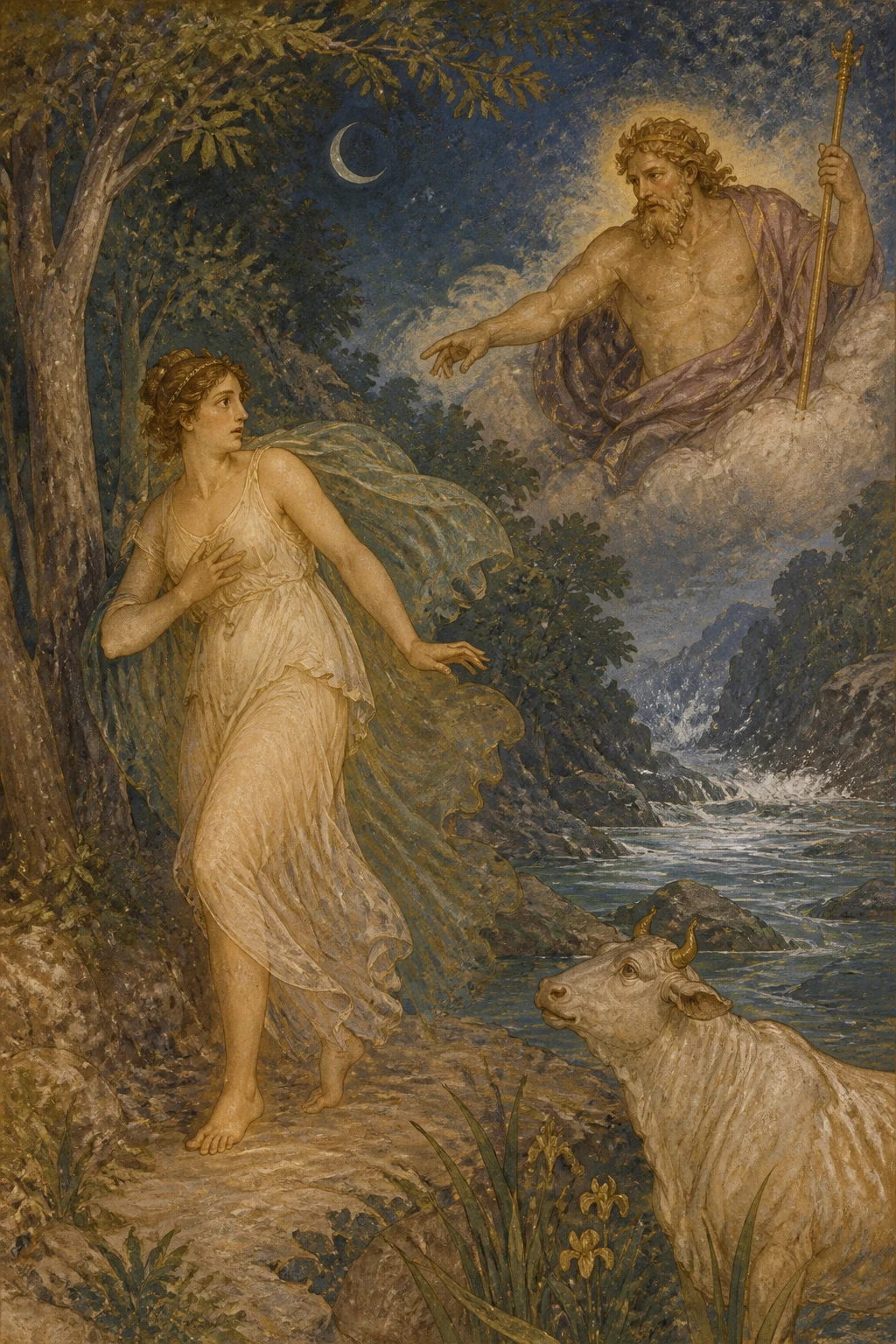
The second month after our wedding rites was passing when, as I spread my nets for antlered deer, saffron-robed Aurora saw me from the summit of ever-flowering Hymettus, as she drove away the morning darkness, and carried me off against my will. May I speak the truth without offending the goddess: lovely though her rosy face may be, though she rules the borders of light and the borders of night, though she drinks nectar for her nourishment, I loved Procris.
Procris was in my heart, Procris always on my lips. I spoke of the sanctity of marriage, our new union, our bridal chamber, and the first vows of the bed I had been forced to leave. The goddess was angered. ‘Stop your complaints, ungrateful man,’ she said. ‘Have your Procris! Yet if my mind can foresee the future, you will wish you had never had her.’ In anger she sent me back.
As I returned, turning the goddess’s words over in my mind, I began to fear that my wife might not have faithfully kept our marriage vows. Her beauty and her youth urged me to believe her unfaithful; her character forbade it. Yet I had been away; and the goddess I was returning from was herself an example of such desire. Lovers fear everything. I resolved to seek out what would grieve me, and to tempt her chaste fidelity with gifts. Aurora encouraged my fears and changed my appearance—or so I seemed to feel.
Unrecognizable, I entered Pallas’s Athens and went into my house. The house itself was free of blame, showing every sign of chastity, and anxious for its abducted master. Only through a thousand tricks did I gain access to Erechtheus’s daughter. When I saw her, I was dumbstruck and almost abandoned my planned assault upon her faithfulness. I could scarcely restrain myself from telling her the truth, scarcely keep from giving her the kisses I owed her.
She was sorrowful—yet no woman could be more beautiful than she was in her sorrow—and burned with longing for her stolen husband. Imagine, Phocus, how lovely she must have been, when even grief became her so. Why tell how often her chastity repulsed my attempts, how often she said, ‘I keep myself for one man alone; wherever he may be, for him alone I save my love’?
What man in his right mind would not have found such proof of faithfulness enough? I was not satisfied, but fought to wound myself, until, promising a fortune for one night and increasing my gifts, I finally made her waver. I cried out, ‘To your sorrow, the pretender stands revealed! The false lover was your true husband! I myself am witness to your treachery!’ She said nothing. Overcome by silent shame, she fled that treacherous house and her wicked husband; and, hating all men because of the wrong I had done her, she roamed the mountains, devoted to Diana’s pursuits.
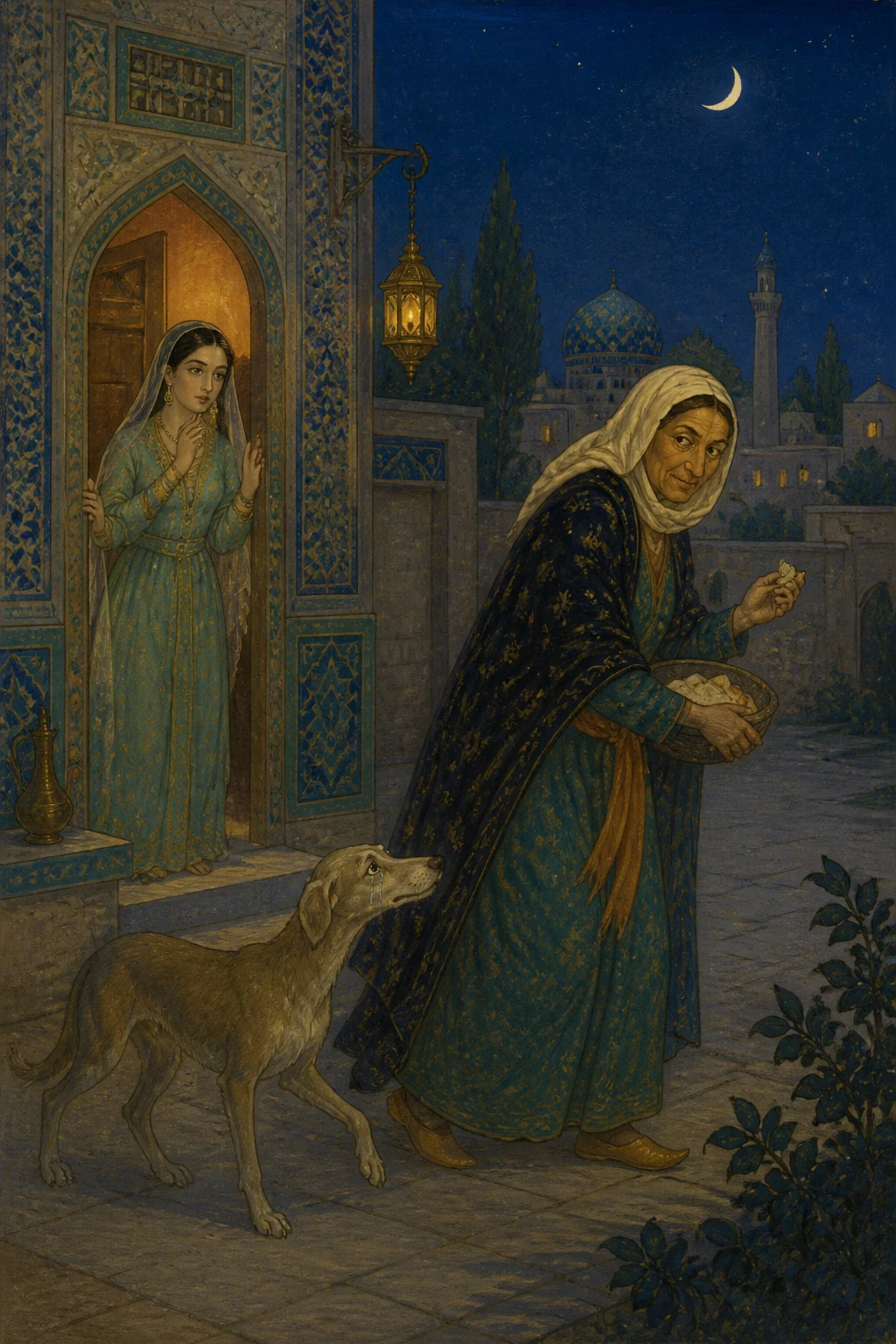
Then, deserted, I felt a fiercer fire burn to my very bones. I begged forgiveness, confessed my fault, and admitted that I too might have yielded to such temptation if gifts so great had been offered to me. After this confession, and once she had avenged her wounded honour, she returned to me, and we passed sweet years in harmony. Then, as though the gift of herself were too small, she gave me a hound, which Cynthia, when she bestowed it on her, had promised would outrun all others.
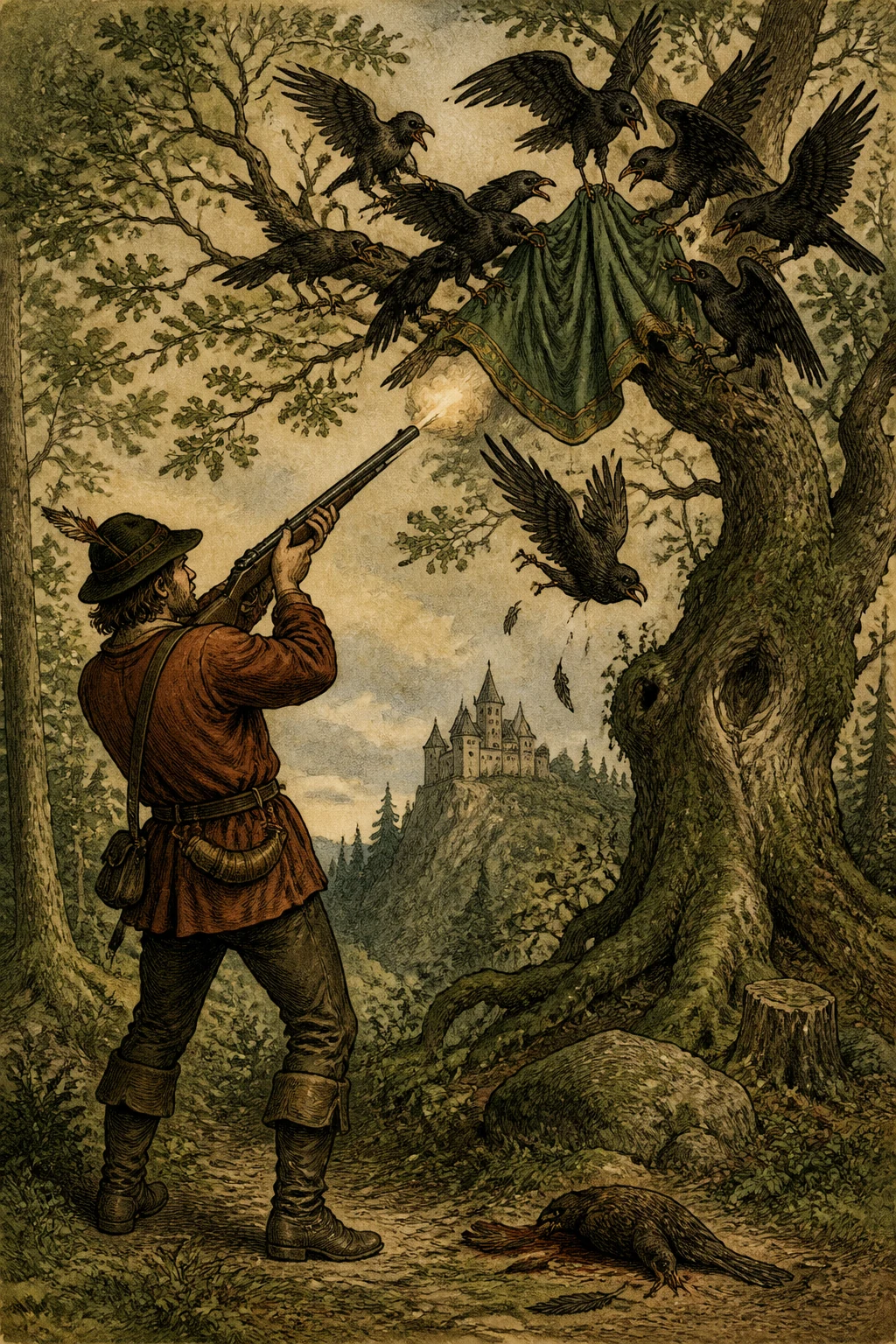
She also gave me this javelin you see in my hand. You ask what became of the other gift? Hear a marvel: the strangeness of the tale will move you.