Waltey
Zgodba o učitelju in dečkih
Tisoč in ena noč · arabska pripovedna tradicijaO besedilu
Zgodba o učitelju in dečkih
- Vir
- Tisoč in ena noč
- Avtor
- arabska pripovedna tradicija
- Jezik branja
- English
- Jezik izvirnika
- Arabic
- Čas branja
- 8 min branja
- Obseg
- 7 strani
- Naslov izvirnika
- حكاية الفقيه والصبيان - الليالي ٤٠٢ إلى ٤٠٤
O izvirniku
Tisoč in ena noč
Zgodbe v zgodbah, polne trgovcev, dvorov, preoblek in nočnih zapletov. Bralni jezik je English, izvirnik pa prihaja iz vira Tisoč in ena noč v jeziku Arabic.
Besedilo
Zgodba o učitelju in dečkih
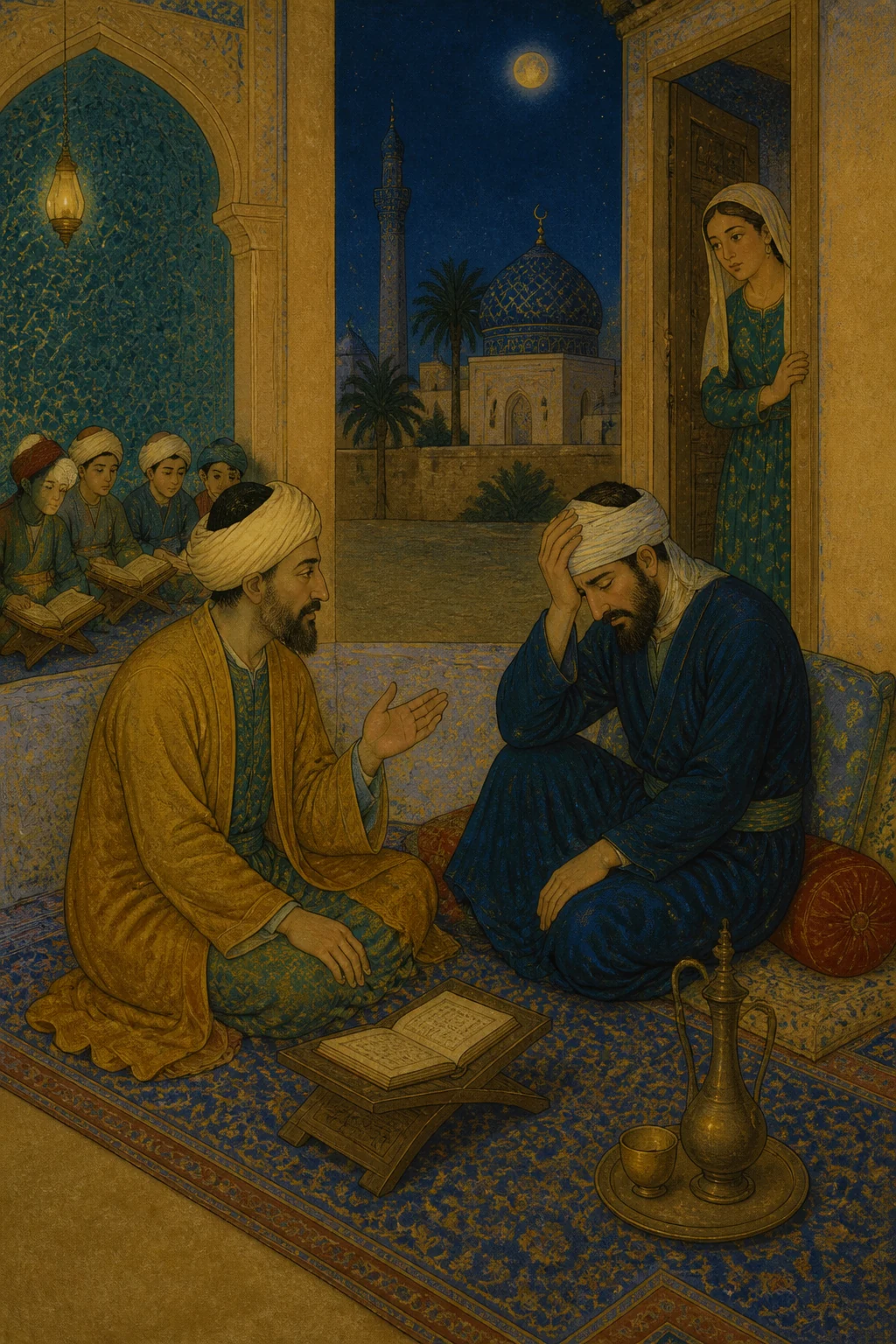
It is related of a certain learned gentleman that he said: I once passed a scholar in a schoolroom teaching boys to recite the Quran. Finding him handsome in appearance and finely dressed, I approached him, and he rose to greet me and seated me beside him. I tested his knowledge of the Quran, grammar, poetry, and language, and found him accomplished in everything required of him. “May God strengthen your resolve,” I said, “for you know all that your calling demands.” I then kept his company for some time, and every day discovered some new merit in him. I said to myself, “How strange to find such a man teaching boys, when all sensible people agree that schoolmasters are deficient in understanding!” Afterward I left him, but every few days I would call to see how he fared. One day I went to visit him as usual and found the schoolroom closed. I asked his neighbors about him, and they said, “Someone dear to him has died.” I thought, “Then I must offer him my condolences.” So I went to his door and knocked. A slave girl came out and asked, “What do you want?” “I wish to see your master,” I replied. “My master is sitting alone in mourning,” she said. I told her, “Say to him that his friend, so-and-so, wishes to offer his condolences.” She went and told him, and he said, “Let him come in.” She admitted me, and I found him sitting alone with his head bound in a cloth. “May God grant you a great reward for your sorrow,” I said. “This is a road we must all travel, so you must bear it patiently.” Then I asked, “Who has died?” He replied, “The dearest of all people to me, and the one I loved best.” “Perhaps your father?” I asked. “No.” “Your mother?” “No.” “Your brother?” “No.” “One of your relatives?” “No.” “Then what was this person to you?” “My beloved,” he replied. I thought to myself, “Here is the first sign of his lack of sense.” Then I said, “You may find another more beautiful than she.” He replied, “I never saw her, so how should I know whether another might be more beautiful?” I thought, “Here is a second sign.” “How did you fall in love with someone you had never seen?” I asked. He said, “Know that I was sitting in the window recess when a man passed along the road singing this verse:
O Umm Amr, may God reward you with His bounty! Give me back my heart as it was before.” And dawn overtook Shahrazad, and she fell silent, leaving her tale untold.
When it was the four hundred and third night
She said: It has reached me, O fortunate King, that the scholar said, “When the passerby sang the verse I have just repeated to you, I thought to myself, ‘If this Umm Amr had any equal in the world, poets would not be singing of their love for her.’ So my heart became enamored of her. Two days later, the same man passed by, singing this verse:
If the donkey has carried Umm Amr away, may neither she nor the donkey return! Then I knew she had died, and I grieved for her. For three days now I have been in mourning.” So I left him and went my way, having established beyond doubt his lack of sense.
Another story told of the foolishness of schoolmasters concerns a scholar who taught in a schoolroom. A cultivated gentleman came in, sat with him, and tested his learning. He found him versed in religious law, grammar, language, poetry, and literature, as well as intelligent and agreeable. Astonished, he said to himself, “Yet they say that men who teach boys in schools are not quite sound of mind!” As he was about to leave, the scholar said to him, “You must be my guest tonight.” He accepted the invitation and accompanied him home, where his host received him generously and brought out food. They ate and drank, then sat talking until a third of the night had passed. Afterward the scholar had a bed prepared for his guest and went upstairs to the women’s quarters. The guest lay down and was about to sleep when a great outcry arose from the rooms above. “What has happened?” he asked. They told him, “A dreadful thing has befallen the master, and he is at his last gasp.” “Take me up to him,” he said. They led him upstairs, and he went in to find his host unconscious and bleeding. He sprinkled water on his face, and when he revived, asked him, “What is this? You left me in the best of spirits and in perfect health. What has happened to you?” He replied, “My brother, after leaving you, I sat reflecting on the works of God Most High. I said to myself, ‘Everything God has created for man has its use. God, glory be to Him, made the hands for grasping, the feet for walking, the eyes for seeing, the ears for hearing, the penis for intercourse, and so forth. But these two testicles serve no purpose.’ So I took a razor I had and cut them off, and this is what befell me.” The guest went downstairs and said, “Whoever declared that every scholar who teaches boys is deficient in understanding spoke the truth, even if the man knows every branch of learning.”
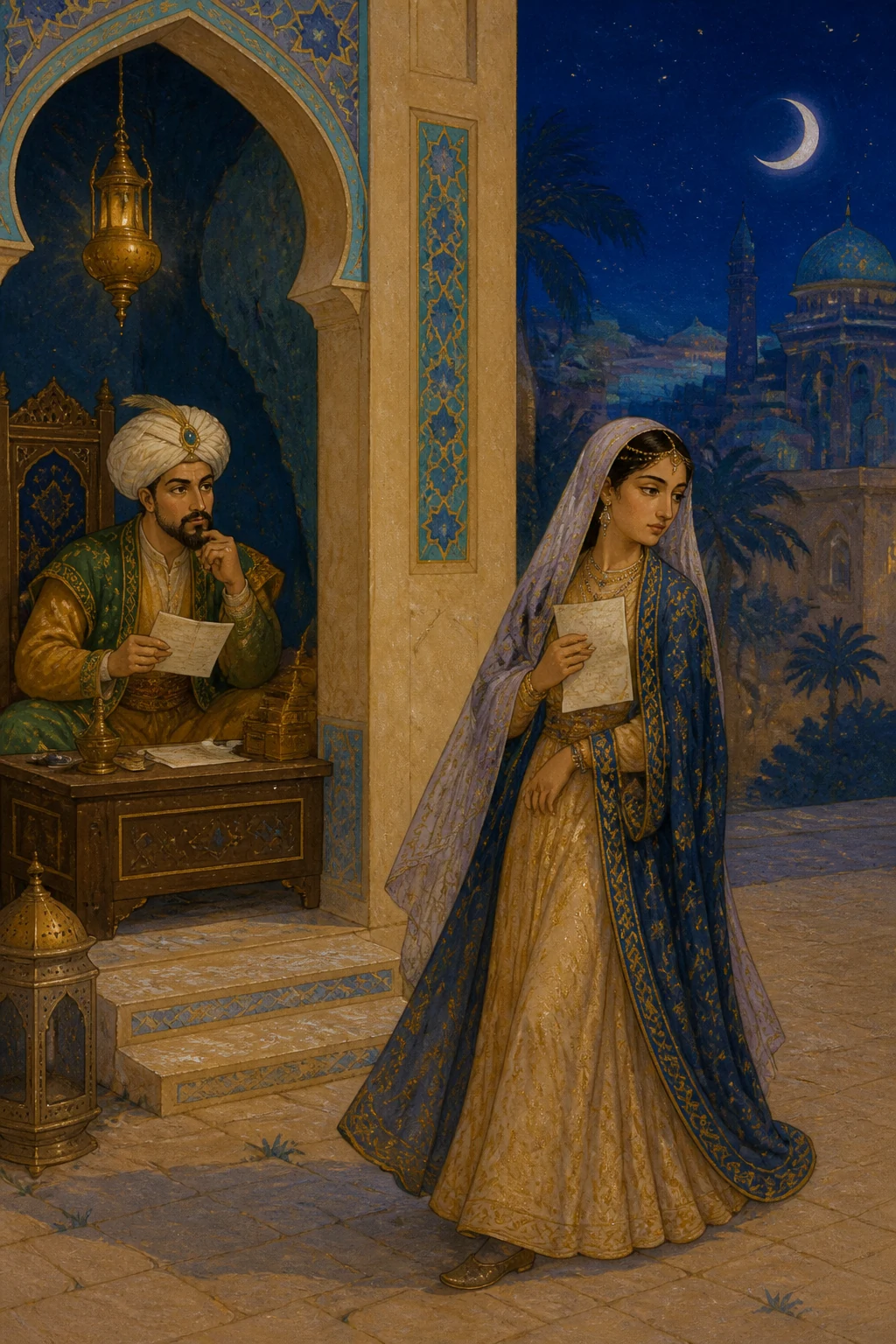
It is also related that a certain man who lived in the precincts of a mosque could neither read nor write, but earned his bread by playing tricks on people. One day it occurred to him to open a schoolroom and teach boys to read. He gathered some writing tablets and sheets of writing, hung them up in a room, wound himself an enormous turban, and sat at the schoolroom door. People passing by would look at his turban and at the tablets and papers, take him for an accomplished scholar, and bring him their sons. He would tell one boy, “Write,” and another, “Read,” and so the children taught one another. One day, as he sat at the schoolroom door as usual, he saw a woman approaching from a distance with a letter in her hand. He thought, “That woman must be coming to ask me to read her letter. What shall I do when I cannot read a word?” He was about to step down and make his escape, but she reached him before he could do so and asked, “Where are you going?” “I mean to say the noon prayer and come back,” he replied. “It is nowhere near noon yet,” she said. “Read this letter for me.” He took it from her, turned it upside down, and gazed at it, now shaking his turban, now twitching his eyebrows, and putting on an angry expression. The woman’s husband was away, and it was he who had sent her the letter. When she saw the scholar behaving in this fashion, she thought, “My husband must have died, and this scholar cannot bring himself to tell me.” “Sir,” she said, “if he is dead, tell me.” He shook his head and said nothing. “Should I tear my clothes?” she asked. “Tear them,” he replied. “Should I slap my face?” “Slap it.” She took the letter from his hand and went home, where she and her children began to weep. Some of her neighbors heard the weeping and asked what had happened. They were told, “She has received a letter saying that her husband is dead.” One of the men said, “That cannot be true! Her husband sent me a letter only yesterday, saying that he was safe and well and would be home with her in ten days.” He rose at once, went to the woman, and asked, “Where is the letter you received?” She brought it to him, and he took it and read it. It said, “To proceed: I am safe and well, and in ten days I shall be with you. I have sent you a wrap and a money belt.” She took the letter and went back to the scholar. “What made you do such a thing to me?” she asked, and told him what her neighbor had said about her husband’s good health and the wrap and money belt he had sent her. He replied, “What you say is true. But, my good woman, you must forgive me: I was angry at the time.” And dawn overtook Shahrazad, and she fell silent, leaving her tale untold.
When it was the four hundred and fourth night
She said: It has reached me, O fortunate King, that the woman asked the scholar, “What made you do such a thing to me?” He replied, “I was angry and distracted at the time, and when I saw the money belt rolled up in the wrap, I thought he had died and they had shrouded him.” The woman did not see through his trick and said, “You are excused.” Then she took the letter from him and went away.
Izvirnik
حكاية الفقيه والصبيان - الليالي ٤٠٢ إلى ٤٠٤
Naslednje strani prikazujejo izvirno besedilo za primerjavo.
فلما كانت الليلة ٤٠٢
ومما يُحكَى عن بعض الفضلاء أنه قال: مررتُ بفقيه في كتَّاب وهو يُقرِئ الصبيان، فوجدته في هيئة حسنة، وقماش مليح، فأقبلتُ عليه فقام إليَّ وأجلسني معه؛ فمارسته في القرآن والنحو والشعر واللغة، فإذا هو كامل في كل ما يُراد منه، فقلتُ له: قوَّى الله عزمك، فإنك عارف بكل ما يُراد منك. ثم عاشرته مدة، وكل يوم يظهر لي فيه حسن، فقلت في نفسي: إن هذا شيء عجيب من فقيه يعلِّم الصبيان، مع أن العقلاء اتفقوا على نقص عقل معلِّم الصبيان. ثم فارقته، وكنت كل أيام قلائل أتفقَّده وأزوره، فأتيت إليه في بعض الأيام على عادتي من زيارته، فوجدت الكتَّاب مغلوقًا فسألت جيرانه فقالوا: إنه مات عنده ميت. فقلت في نفسي: وجب علينا أن نعزِّيه. فجئت إلى بابه وطرقته، فخرجت لي جارية وقالت: ما تريد؟ فقلت: أريد مولاك. فقالت: إن مولاي قاعد في العزاء وحده. فقلت لها: قولي له إن صديقك فلانًا يطلب أن يعزيك. فراحت وأخبرته، فقال لها: دعيه يدخل. فأذنت لي في الدخول، فدخلتُ إليه فرأيته جالسًا وحده ومعصِّبًا رأسه، فقلت له: عظَّم الله أجرك، وهذا سبيل لا بد لكل أحد منه، فعليك بالصبر. ثم قلت له: مَن الذي مات لك؟ فقال: أعز الناس عليَّ، وأحبهم إليَّ. فقلت: لعله والدك. فقال: لا. قلتُ: والدتك. قال: لا. قلت: أخوك. قال: لا. قلت: أحد من أقاربك. قال: لا. قلت: فما نسبته إليك؟ قال: حبيبتي. فقلتُ في نفسي: هذا أول المباحث في قلَّة عقله. ثم قلت له: قد يوجد غيرها مما هو أحسن منها. فقال: أنا ما رأيتها حتى أعرف إنْ كان غيرها أحسن منها أم لا. فقلتُ في نفسي: وهذا مبحث ثانٍ. فقلت له: وكيف عشقتَ مَن لا تراها؟ فقال: اعلم أني كنتُ جالسًا في الطاقة، وإذا برجل عابر طريق يغني بهذا البيت:
يَا أُمَّ عَمْرٍو جَزَاكِ اللهُ مَكْرُمَةً رُدِّي عَلَيَّ فُؤَادِي كَالَّذِي كَانَا
وأدرك شهرزاد الصباح فسكتَتْ عن الكلام المباح.
فلما كانت الليلة ٤٠٣
قالت: بلغني أيها الملك السعيد، أن الفقيه قال: لما غنَّى الرجل المار في الطريق بالشعر الذي سمعته منه، قلت في نفسي: لولا أن أم عمرو هذه ما في الدنيا مثلها، ما كان الشعراء يتغزلون فيها. فتعلَّقْتُ بحبها، فلما كان بعد يومين عبَرَ ذلك الرجل وهو ينشد هذا البيت:
إِذَا ذَهَبَ الْحِمَارُ بِأُمِّ عَمْرٍو فَلَا رَجَعَتْ وَلَا رَجَعَ الْحِمَارُ
فعلمت أنها ماتت فحزنت عليها، ومضى لي ثلاثة أيام وأنا في العزاء. فتركته وانصرفت بعدما تحقَّقتُ قلةَ عقله.
ومما يُحكَى من قلَّة عقل معلم الصبيان، أنه كان رجل فقيه في مكتب فدخل عليه رجل ظريف، وجلس عنده ومارسه، فرآه فقيهًا نحويًّا لغويًّا شاعرًا أديبًا فهيمًا لطيفًا، فتعجَّب من ذلك وقال: إن الذين يعلِّمون الصبيان في المكاتب ليس لهم عقل كامل. فلما همَّ بالانصراف من عند الفقيه قال له: أنت ضيفي في هذه الليلة. فأجابه إلى الضيافة، وتوجَّه صحبته إلى منزله، فأكرمه وأتى له بالطعام، فأكلا وشربا، ثم جلسا بعد ذلك يتحدثان إلى ثلث الليل، وبعد ذلك جهَّز له الفراش وطلع إلى حريمه. فاضطجع الضيف وأراد النوم، وإذا بصراخ كثير ثار في حريمه، فسأل: ما الخبر؟ فقالوا له: إن الشيخ حصل له أمر عظيم، وهو في آخِر رمق. فقال: طلعوني له. فطلعوه له، ودخل عليه فرآه مغشيًّا عليه ودمه سائل، فرشَّ الماء على وجهه فلما أفاق قال له: ما هذا الحال؟ أنت طلعت من عندي في غاية ما يكون من الحظ وأنت صحيح البدن، فما أصابك؟ فقال له: يا أخي، إني بعدما طلعت من عندك جلست أتذكر في مصنوعات الله تعالى، وقلت في نفسي: كل شيء خلقه الله للإنسان فيه نفع؛ لأن الله سبحانه خلق اليدين للبطش، والرجلين للمشي، والعينين للنظر، والأذنين للسماع، والذكر للجماع … وهلمَّ جرًّا، إلا هاتين البيضتين ليس لهما نفع، فأخذت موسى كان عندي وقطعتهما فحصل لي هذا الأمر. فنزل من عنده وقال: صدَقَ مَن قال: إن كل فقيه يعلِّم الصبيان ليس له عقل كامل، ولو كان يعرف جميعَ العلوم.
وحُكِي أيضًا أن أحد المجاورين كان لا يعرف الخط ولا القراءة، وإنما كان يحتال على الناس بحِيَل يأكل منها الخبز، فخطر بباله يومًا من الأيام أنه يفتح له مكتبًا ويُقرِئ فيه الصبيان؛ فجمع ألواحًا وأوراقًا مكتوبة، وعلَّقها في مكان، وكبَّر عمامته، وجلس على باب المكتب؛ فصار الناس يمرون عليه وينظرون إلى عمامته، وإلى الألواح والأوراق فيظنون أنه فقيه جيد، فيأتون إليه بأولادهم؛ فصار يقول لهذا اكتب، ولهذا اقرأ؛ فصار الأولاد يعلِّم بعضهم بعضًا. فبينما هو ذات يوم جالس على باب المكتب على عادته، وإذا بامرأة مقبلة من بعيد وبيدها مكتوب، فقال في باله: لا بد أن هذه المرأة تقصدني لأقرأ لها المكتوب الذي معها، فكيف يكون عملي معها وأنا لا أعرف قراءة الخط؟ وهمَّ بالنزول ليهرب منها فلحقته قبل أن ينزل، وقالت له: إلى أين؟ فقال لها: أريد أن أصلي الظهر وأعود. فقالت له: الظهر بعيد، فاقرأ لي هذا الكتاب. فأخذه منها وجعل أعلاه أسفله، وصار ينظر إليه، ويهزُّ عمامته تارةً، ويرقِّص حواجبه تارةً أخرى، ويُظهِر غيظًا، وكان زوج المرأة غائبًا، والكتابُ مُرسَل إليها من عنده، فلما رأت الفقيه على تلك الحالة قالت في نفسها: لا شكَّ أن زوجي مات، وهذا الفقيه يستحي أن يقول لي إنه مات. فقالت له: يا سيدي، إن كان مات فقُلْ لي. فهزَّ رأسه وسكت، فقالت له المرأة: هل أشقُّ ثيابي؟ فقال لها: شقِّي. فقالت له: هل ألطم على وجهي؟ فقال لها: الْطِمِي. فأخذت الكتاب من يده وعادت إلى منزلها، وصارت تبكي هي وأولادها، فسمع بعض جيرانها البكاء فسألوا عن حالها فقيل لهم: إنه جاءها كتاب بموت زوجها. فقال الرجل: إن هذا كلام كذب؛ لأن زوجها أرسَلَ لي مكتوبًا بالأمس يخبر فيه أنه طيب بخير وعافية، وأنه بعد عشرة أيام يكون عندها. فقام من ساعته وجاء إلى المرأة وقال لها: أين الكتاب الذي جاءك؟ فجاءت به إليه، فأخذه منها وقرأه، وإذا فيه: أما بعدُ، فإني طيب بخير وعافية، وبعد عشرة أيام أكون عندكم، وقد أرسلتُ إليكم ملحفة ومكمرة. فأخذت الكتاب وعادت به إلى الفقيه، وقالت له: ما حملك على الذي فعلتَه معي؟ وأخبرَتْه بما قاله جارها من سلامة زوجها، وأنه أرسل إليها ملحفة ومكمرة، فقال لها: لقد صدقت، ولكن يا حرمة اعذريني؛ فإني كنت في تلك الساعة مغتاظًا. وأدرك شهرزاد الصباح فسكتَتْ عن الكلام المباح.
فلما كانت الليلة ٤٠٤
قالت: بلغني أيها الملك السعيد، أن المرأة قالت للفقيه: ما حملك على الذي فعلتَه معي؟ فقال لها: إني كنت في تلك الساعة مغتاظًا مشغول الخاطر، ورأيت المكمرة ملفوفة في الملحفة، فظننتُ أنه مات وكفَّنوه. وكانت المرأة لا تعرف الحيلة، فقالت له: أنت معذور. وأخذت الكتاب منه وانصرفت.
Nadaljuj z branjem