Waltey
Zgodba o dekletu in pastirju
Tisoč in ena noč · arabska pripovedna tradicijaO besedilu
Zgodba o dekletu in pastirju
- Vir
- Tisoč in ena noč
- Avtor
- arabska pripovedna tradicija
- Jezik branja
- English
- Jezik izvirnika
- Arabic
- Čas branja
- 6 min branja
- Obseg
- 5 strani
- Naslov izvirnika
- حكاية الصبية والراعي - الليلة ١٤٨
O izvirniku
Tisoč in ena noč
Zgodbe v zgodbah, polne trgovcev, dvorov, preoblek in nočnih zapletov. Bralni jezik je English, izvirnik pa prihaja iz vira Tisoč in ena noč v jeziku Arabic.
Besedilo
Zgodba o dekletu in pastirju
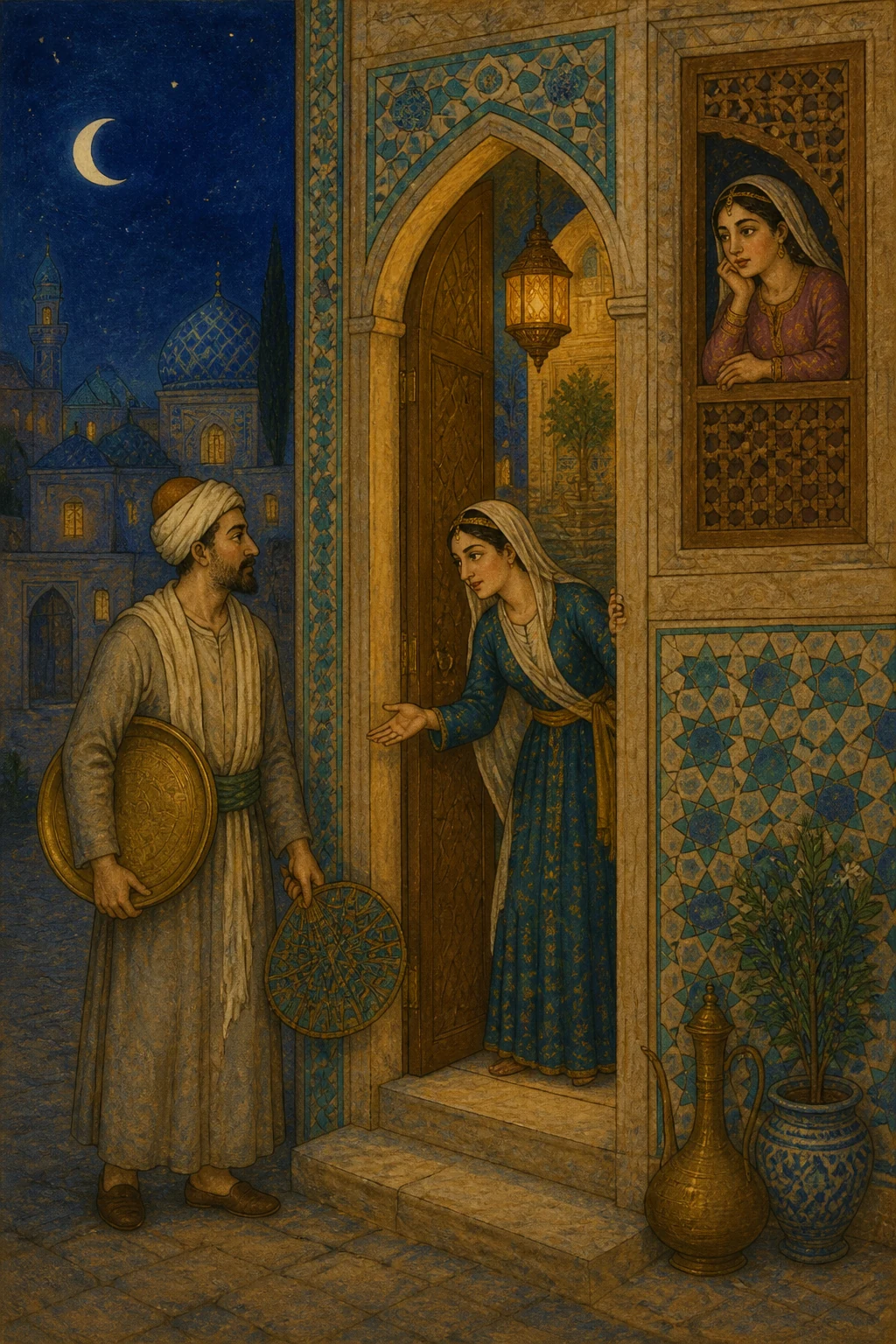
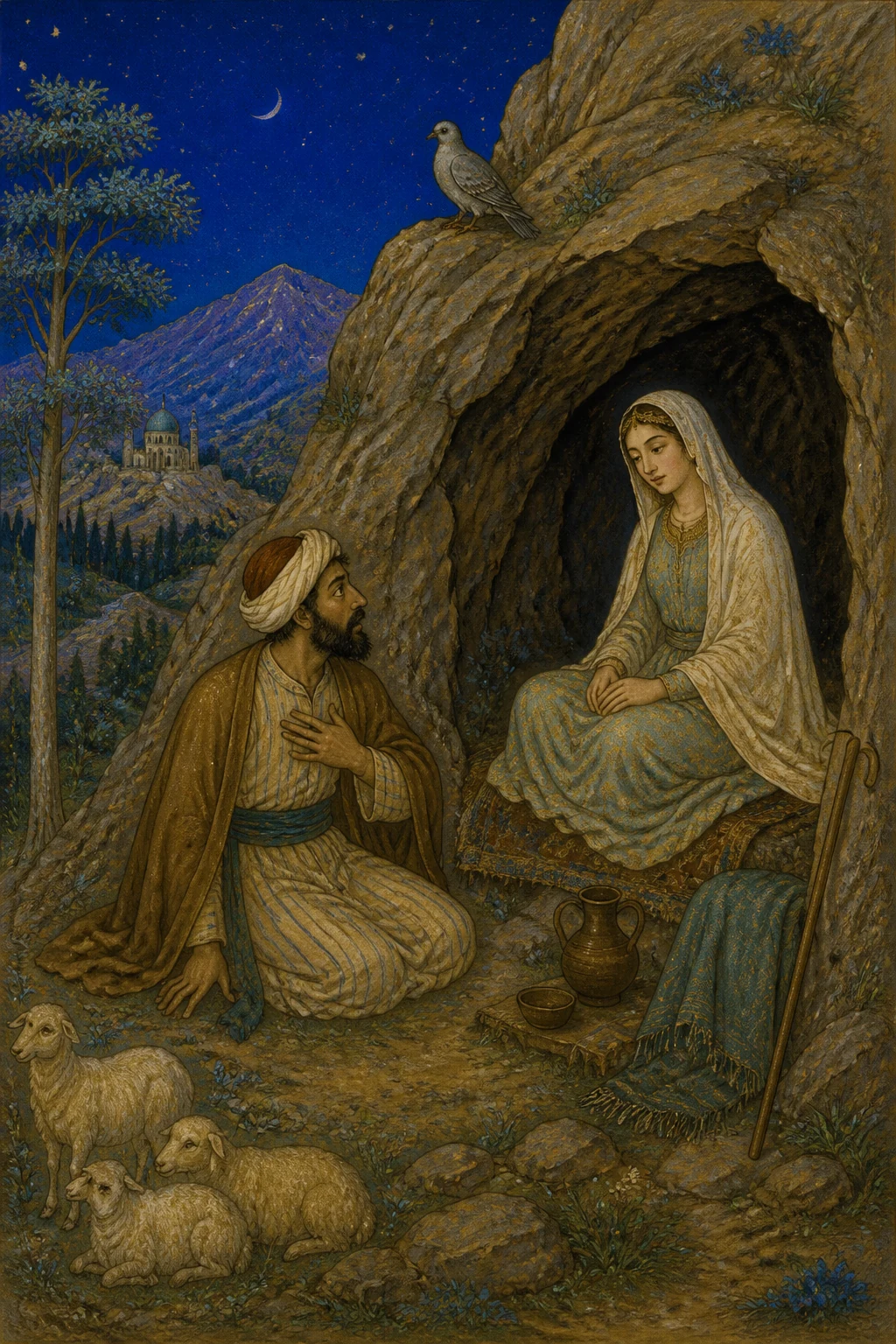
She said: It has reached me, O fortunate king, that the holy man divided his daily bread in two, keeping half for himself and setting aside the other half for the pair of pigeons. He prayed that they might have many offspring, and they multiplied greatly. The pigeons would roost nowhere but on the mountain where the holy man lived. What had drawn them to him was their constant praise of God, for it is said that the pigeon chants: “Glory be to the Creator of all creatures, the Apportioner of sustenance, the Builder of the heavens, and He who spread out the earths.” The pair and their offspring continued to live in the greatest ease until the holy man died; then their company was scattered, and they dispersed among the towns, villages, and mountains. It is also told that in a certain mountain there lived a shepherd, a man of faith, sound judgment, and chastity. He had sheep which he tended, making use of their milk and wool. The mountain where he dwelt abounded in trees, pasture, and beasts of prey, yet those beasts had no power to harm either the shepherd or his flock. He remained there in peace, untroubled by any worldly concern, content in his lot and devoted to worship. It happened that he fell gravely ill and took shelter in a cave in the mountain. His sheep would go out to pasture by day and return to the cave at night. God willed to try the shepherd and put his obedience and patience to the test, so He sent him an angel. The angel entered in the form of a beautiful woman and sat before him. When the shepherd saw the woman sitting beside him, his flesh shuddered, and he said to her, “Woman, what has brought you here? You have no business with me, nor is there anything between us that gives you cause to enter my dwelling.” She replied, “Man, do you not see my beauty and loveliness, or smell my sweet fragrance? Do you not know that men have need of women? What, then, keeps you from me? I have chosen to be near you and long to be joined with you. I have come willingly and will not resist you. There is no one here for us to fear. I wish to stay with you as long as you remain in these mountains and be your companion. I have offered myself to you because you need a woman’s care. If you lie with me, your sickness will leave you and your health return, and you will regret all the years of your life you have spent far from women. I have given you good counsel: accept it, and come close to me.”
The shepherd said, “Begone from me, deceitful, treacherous woman! I will neither trust you nor draw near you. I have no need of your company or your embraces, for whoever desires you turns away from the life to come, and whoever desires the life to come turns away from you. You have tempted the first generations and the last, but God Most High keeps watch over His servants. Woe to anyone afflicted with your company!” She said to him, “You who have strayed from sound judgment and lost the path of wisdom, turn your face toward me and look upon my charms. Seize the pleasure of my company, as the wise men before you did. They had greater experience than you and sounder judgment, yet they did not reject, as you do, the enjoyment of women. Rather, they desired the intimacy and embraces you disdain, and it harmed them neither in their faith nor in their worldly affairs. Change your mind, and you will be pleased with the outcome.” The shepherd replied, “What you speak of I abhor, and all you display I renounce, for you are deceitful and treacherous, keeping neither promise nor faith. How much ugliness you have hidden beneath your beauty! How many righteous men you have tempted, whose end was sorrow and regret! Leave me, you who adorn yourself to bring others to ruin.” Then he drew his cloak over his face so that he could not see her and occupied himself with the remembrance of his Lord.
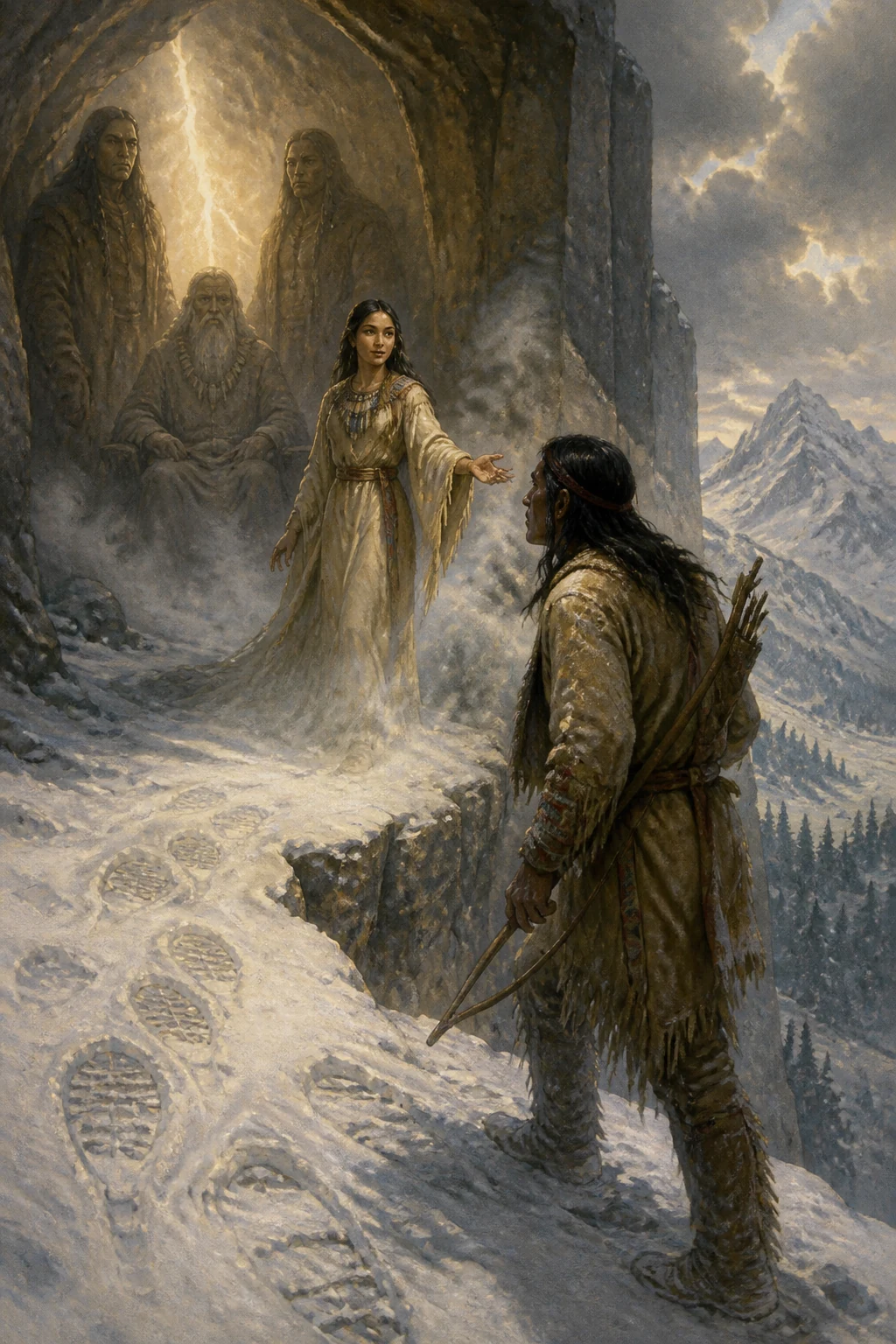
When the angel saw how steadfastly he obeyed God, it departed and ascended to heaven. Near the shepherd’s dwelling was a village where a righteous man lived, unaware of his presence. This man dreamed that a voice said to him, “Near you, in such-and-such a place, there is a righteous man. Go to him and submit yourself to his guidance.” When morning came, he set out toward him. As the heat grew fierce, he reached a tree beside a flowing spring and sat in its shade to rest. While he was sitting there, wild beasts and birds came to drink from the spring, but when they saw the holy man, they took fright and fled. He said to himself, “My rest here has brought nothing but hardship to these beasts and birds.” Then he rose and rebuked himself, saying, “By sitting in this place today I have harmed these creatures. What excuse shall I offer my Creator and the Creator of these birds and beasts? I have driven them from their water and pasture. How ashamed I shall be before my Lord on the day when He exacts justice for the hornless sheep from the horned!” Tears streamed from his eyes, and he recited these verses:
By God, if mortals knew why they were made, they would not heedlessly lie down to sleep. Death comes, then resurrection, then the gathering, reproach and terrors vast beyond all measure. Yet when forbidden something or commanded, most of us sleep like the People of the Cave. Then he wept because he had sat beneath the tree beside the spring and kept the birds and beasts from drinking. He went on his way, wandering distractedly, until he reached the shepherd. He entered and greeted him, and the shepherd returned his greeting, embraced him, and wept. Then the shepherd asked, “What has brought you to this place, where no man has ever come to visit me?” The holy man replied, “In a dream I saw someone who described your dwelling to me and bade me journey here to greet you. I have come in obedience to that command.” The shepherd welcomed him, and his heart was gladdened by his company. The man stayed with him in the mountain, and together they worshipped God Most High in that cave, devout in their worship. They remained there worshipping their Lord, sustaining themselves on the flesh and milk of the sheep, free of wealth and children, until death, the certainty, came to them. And this is the end of their tale.
The king said, “Shahrazad, you have made me turn away from my kingship and filled me with remorse for the women and girls I have killed. Have you any tales of birds?” She replied, “Yes.”
Izvirnik
حكاية الصبية والراعي - الليلة ١٤٨
Naslednje strani prikazujejo izvirno besedilo za primerjavo.
فلما كانت الليلة ١٤٨
قالت: بلغني أيها الملك السعيد، أن العابد قد قسم قُوته نصفين، وجعل نصفه لنفسه، ونصفه لذلك الزوج الحمام، ودعا العابد لهما بكثرة النسل فكثُر نسلهما، ولم يكن الحمام يأوي إلى غير الجبل الذي فيه العابد، وكان السبب في اجتماع الحمام بالعابد كثرة تسبيح الحمام، وقيل إن الحمام يقول في تسبيحه: سبحان خالق الخلق، وقاسم الرزق، وباني السموات، وباسط الأرضين. ولم يزل ذلك الزوج الحمام في أرغد عيش هو ونسله حتى مات العابد؛ فتشتَّتَ شمل الحمام، وتفرَّق في المدن والقرى والجبال. وقيل إنه كان في بعض الجبال رجل من الرعاة صاحب دين وعقل وعفة، وكان له غنم يرعاها، وينتفع بألبانها وأصوافها، وكان ذلك الجبل الذي يأوي إليه الراعي كثيرَ الأشجار والمرعى والسباع، ولم يكن لتلك الوحوش قدرة على الراعي ولا على غنمه، ولم يزل مقيمًا في الجبل مطمئنًّا لا يهمه شيء من أمر الدنيا لسعادته وإقباله على عبادته، فاتفق له أنه مرض مرضًا شديدًا فدخل كهفًا في الجبل، وصارت الغنم تخرج بالنهار إلى مرعاها، وتأوي بالليل إلى الكهف، فأراد الله أن يمتحن ذلك الراعي، ويختبره في طاعته وصبره، فبعث إليه مَلَكًا، فدخل عليه الملك في صورة امرأة حسناء، وجلس بين يديه، فلما رأى الراعي تلك المرأة جالسة عنده اقشعرَّ بدنه منها، فقال لها: أيتها المرأة ما الذي دعاكِ إلى المجيء هنا وليس لك حاجة معي، ولا بيني وبينك ما يوجب دخولك عندي؟ فقالت له: أيها الإنسان، أَمَا ترى حسني وجمالي وطيب رائحتي؟ أَمَا تعلم حاجة الرجال إلى النساء؟ فما الذي يمنعك مني؟ وقد اخترت قربك وأحببت وصالك، وقد جئتك طائعة وعليك غير ممتنعة، وليس عندنا أحد نخشاه، وأريد أن أقيم معك طول مقامك في هذه الجبال وأكون أنيسة لك، وقد عرضت نفسي عليك لأنك تحتاج لخدمة النساء، وأنت إن باشرتني زال عنك مرضك وعادت إليك صحتك، وندمت على ما فاتك من قرب النساء في سالف عمرك، وقد نصحتك فاقبل نصيحتي وادنُ مني.
فقال الراعي: اخرجي عني أيتها المرأة الخدَّاعة الغدارة، فلا أركن إليكِ ولا أدنو منك ولا حاجة لي بقربك ولا بوصالك؛ لأن مَن رغب فيكِ زهد في الآخرة، ومَن رغب في الآخرة زهد فيكِ؛ لأنكِ فتنتِ الأولين والآخرين، والله تعالى لعباده بالمرصاد، والويل لمَن ابتُلِي بصحبتك. فقالت له: أيها التائه عن السداد، والضال عن طريق الرشاد، أقبل بوجهك إليَّ، وانظر إلى محاسني، واغتنم قربي كما فعل مَن كان قبلك من الحكماء، فقد كانوا أكثر منك تجربةً وأصوب منك رأيًا، ومع ذلك لم يرفضوا ما رفضتَ من التمتُّع بالنساء، بل رغبوا فيما زهدتَ فيه من مباشَرةِ النساء وقُربهن، فما أساءهم ذلك في دينهم ولا دنياهم، فارجع عن رأيك تحمد عاقبة أمرك. فقال الراعي: إن الذي تقولينه كرهته، وجميع ما تبدينه زهدته؛ لأنك خدَّاعة غدَّارة لا عهد لكِ ولا وفاء، فكم من قبيح تحت حُسنك أخفيتِه! وكم من صالح فتنتِه، وكانت عاقبته إلى الندامة والحزن! فارجعي عني أيتها المُصلِحة نفسها لفساد غيرها. ثم ألقى عباءته على وجهه حتى لا يرى وجهها، واشتغل بذكر ربه.
فلما رأى المَلَك حُسْنَ طاعته خرج، وعرج إلى السماء، وكان قريبًا من الراعي قرية فيها رجل من الصالحين لم يعلم بمكانه، فرأى في منامه كأن قائلًا يقول له: بالقرب منك في مكان كذا رجل صالح فاذهب إليه، وكن تحت طاعة أمره. فلما أصبح الصباح توجَّه نحوه سائرًا، فلما اشتد عليه الحر انتهى إلى شجرة عندها عين جارية، فجلس في ظل الشجرة ليستريح، فبينما هو جالس وإذا بوحوش وطيور أتوا إلى تلك العين ليشربوا منها، فلما رأوا العابد جالسًا نفروا ورجعوا شاردين، فقال العابد في نفسه: أنا ما استرحت هنا إلا لتعب هذه الوحوش والطيور. ثم قام وقال معاتبًا لنفسه: لقد أضرَّ بهذه الحيوانات في هذا اليوم جلوسي في هذا المكان، فما عذري عند خالقي وخالق هذه الطيور والوحوش؟ فإنني كنت سببًا لشرودهم عن مائهم ومرعاهم، فوا خجلتي من ربي يوم يقتص للشاة الجماء من الشاة القرناء! ثم أفاض من جفنه العَبَرات، وأنشد هذه الأبيات:
أَمَا وَاللهِ لَوْ عَلِمَ الْأَنَامُ لِمَا خُلِقُوا لَمَا غَفَلُوا وَنَامُوا
فَمَوْتٌ ثُمَّ بَعْثٌ ثُمَّ حَشْرٌ وَتَوْبِيخٌ وَأَهْوَالٌ عِظَامُ
وَنَحْنُ إِذَا انْتَهَيْنَا أَوْ أُمِرْنَا كَأَهْلِ الْكَهْفِ أَكْثَرُنَا يَنُامُ
ثم بكى على جلوسه تحت الشجرة عند العين، ومنْعِه الطيور والوحوش من شربها، وولَّى هائمًا على وجهه حتى أتى إلى الراعي فدخل عنده وسلَّم عليه، فردَّ عليه السلام وعانقه وبكى، ثم قال له الراعي: ما الذي أقدمك إلى هذا المكان الذي لم يدخله أحدٌ من الناس عليَّ؟ فقال العابد: إني رأيتُ في منامي مَن يصف لي مكانك، ويأمرني بالمسير إليك والسلام عليك، وقد أتيتك ممتثلًا لما أُمِرت به. فقبله الراعي وطابت نفسه بصحبته، وجلس معه في الجبل يعبدان الله تعالى في ذلك الغار، وحسُنت عبادتهما، ولم يزالا في ذلك المكان يعبدان ربهما، ويتقوَّتان من لحوم الغنم وألبانها، متجرِّدَيْن عن المال والبنين، إلى أن أتاهما اليقين، وهذا آخِر حديثهما.
قال الملك: لقد زهَّدتِنِي يا شهرزاد في ملكي، وندَّمتِنِي على ما فرط مني في قتل النساء والبنات، فهل عندك شيء من حديث الطيور؟ قالت: نعم.
Nadaljuj z branjem