Waltey
Upravnikovi argumenti
Tradiciones peruanas
Tradiciones peruanas · Ricardo PalmaO besedilu
Upravnikovi argumenti
- Vir
- Tradiciones peruanas
- Avtor
- Ricardo Palma
- Jezik branja
- English
- Jezik izvirnika
- Español
- Čas branja
- 8 min branja
- Obseg
- 7 strani
- Naslov izvirnika
- 021 Los argumentos del corregidor
O izvirniku
Tradiciones peruanas
Šestindvajset Palmovih avtorskih zgodovinskih tradicij iz konkretnega Gutenbergovega zvezka. Bralni jezik je English, izvirnik pa prihaja iz vira Tradiciones peruanas v jeziku Español.
Besedilo
Upravnikovi argumenti
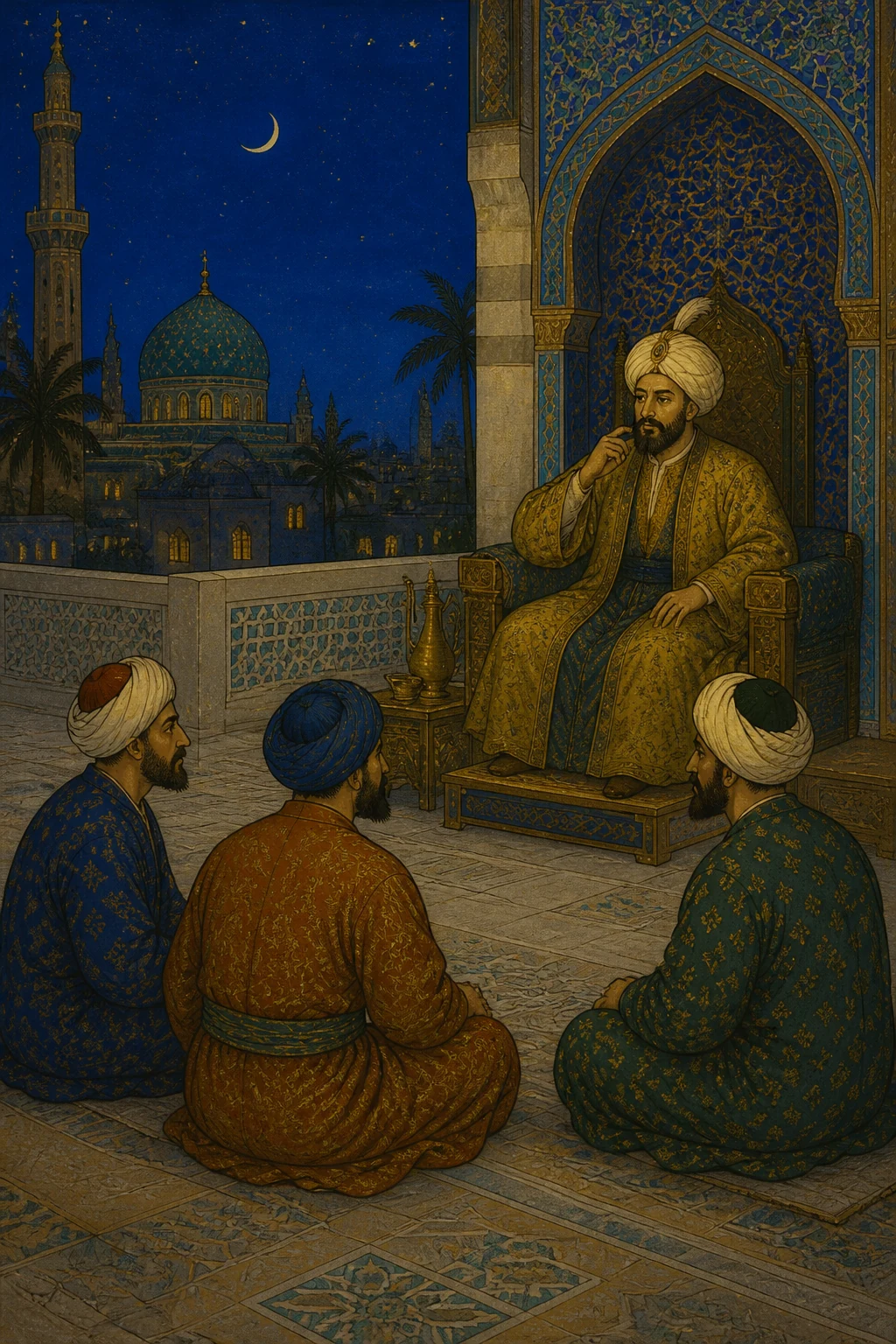
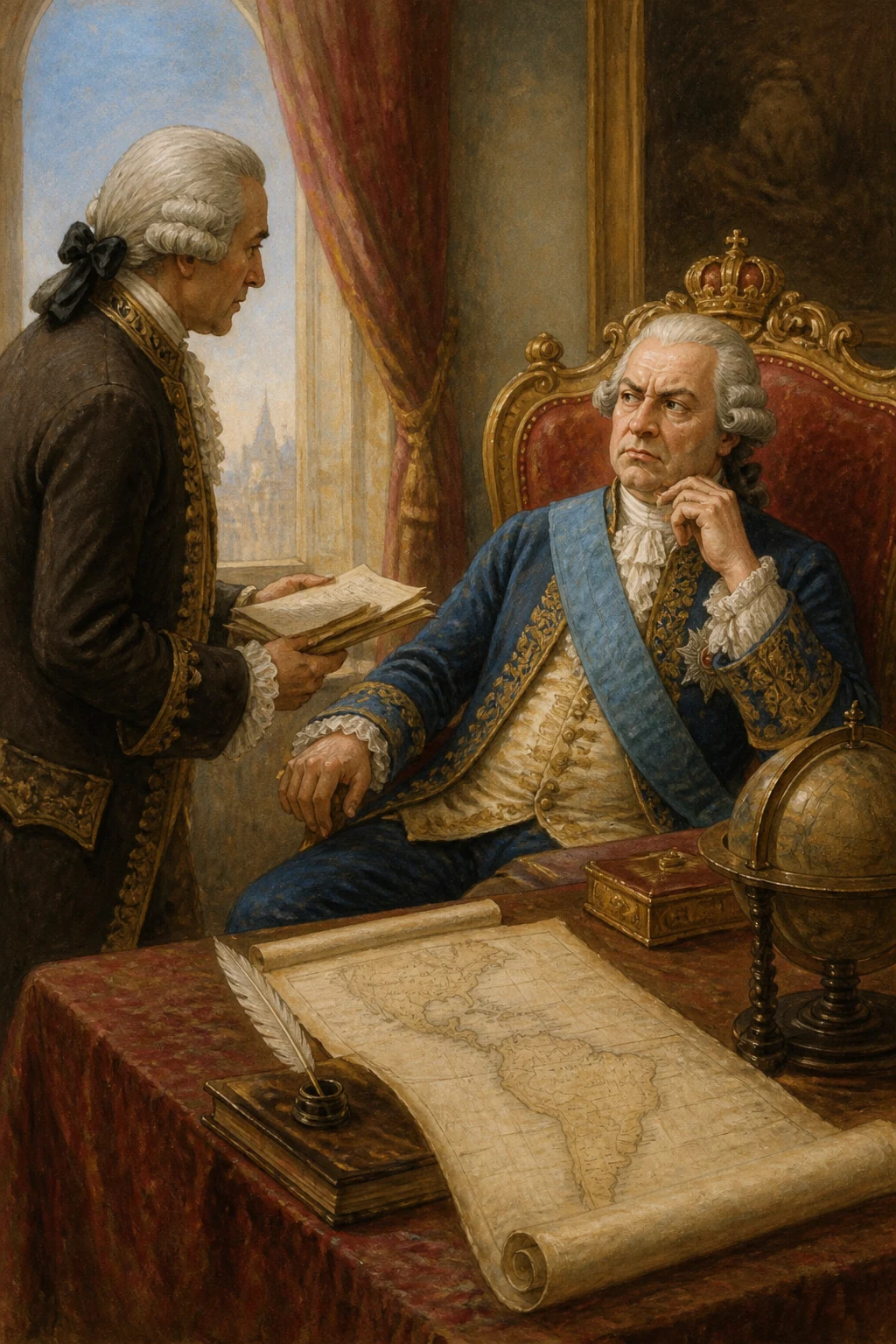
It seems that one morning Carlos III rose in a mother-in-law’s temper, and frankly there was reason enough to sour the monarch’s spirits. His Majesty had dreamed that the royal coffers were in danger of becoming what God wishes souls to be—that is, clean—for his subjects in the Americas were proving a trifle sluggish about replenishing them.
“Confound it! I’ll not have happen to me what happened to Don Enrique the Sufferer, who, king though he was, and a stiff-necked one at that, saw the day when he had not a solid morsel to put beneath his nose, and pawned his overcoat so that his cook could make him some garlic soup and a piece of smoked wild boar. Send for Don José Antonio.”
And Don José Antonio de Areche, of the Council of the Indies and a knight of the distinguished Order of Carlos III, was not long in appearing before his king and discoursing with him at length upon the straits of the royal treasury. As a consequence of this conversation between sovereign and subject, there descended upon us in these kingdoms of Peru, in 1777 and bearing the title of Inspector General, a snake of the very finest breed.
Shortly after arriving in Lima, the Inspector became convinced that the country was exceedingly rich and his commission a toothsome dish, easy to swallow. Moreover, without being a wizard, he divined that we Peruvians were mild of temper and therefore likely to bear whatever packsaddle His Lordship pleased to load upon our backs. No sooner thought than done: without beating about the bush or resorting to any hocus-pocus, he came straight at us and decreed taxes, monopolies, tariffs, and heaven knows how many other petty vexations. God forgive me! But they say that, anticipating a municipality of these wonderful times of ours, he came within a toss of the dice of imposing a tax on dogs, with no exemption for the dog of Saint Roch, or Saint Dominic, or Saint Lazarus, or Saint Margaret—saints who, I gather, were fond of mongrels.
But he stretched the rope so far that at last it snapped, and there was an explosion and the very devil to pay. The Inspector was obstinate, would not yield an inch, and went on tightening our strings as though we were somebody else’s guitar. And there was such a hullabaloo of throat-cutting, hanging, and bludgeoning that—well! We must count it a special token of God’s love and blessing that we did not eat our bread in that topsy-turvy century. In the end, the villainous taxes remained, and amid growls and grumbling they had to be paid by everyone who had any affection for his neck and no ambition to bring it into intimate acquaintance with the executioner.
While thus squeezing our paltry maravedís out of us for His Majesty, His Lordship also began investigating every official who handled public funds; and he must have found such a tangle of muddle and chicanery in some of the accounts that he clapped the exalted gentlemen responsible for them into jail. The story goes that, while listening to one official’s explanations, Señor de Areche said wearily:
“Do you know, my dear tax collector, I cannot understand your accounts?” “Nothing strange in that, Señor Inspector. Neither can I, and the accounts are mine.”
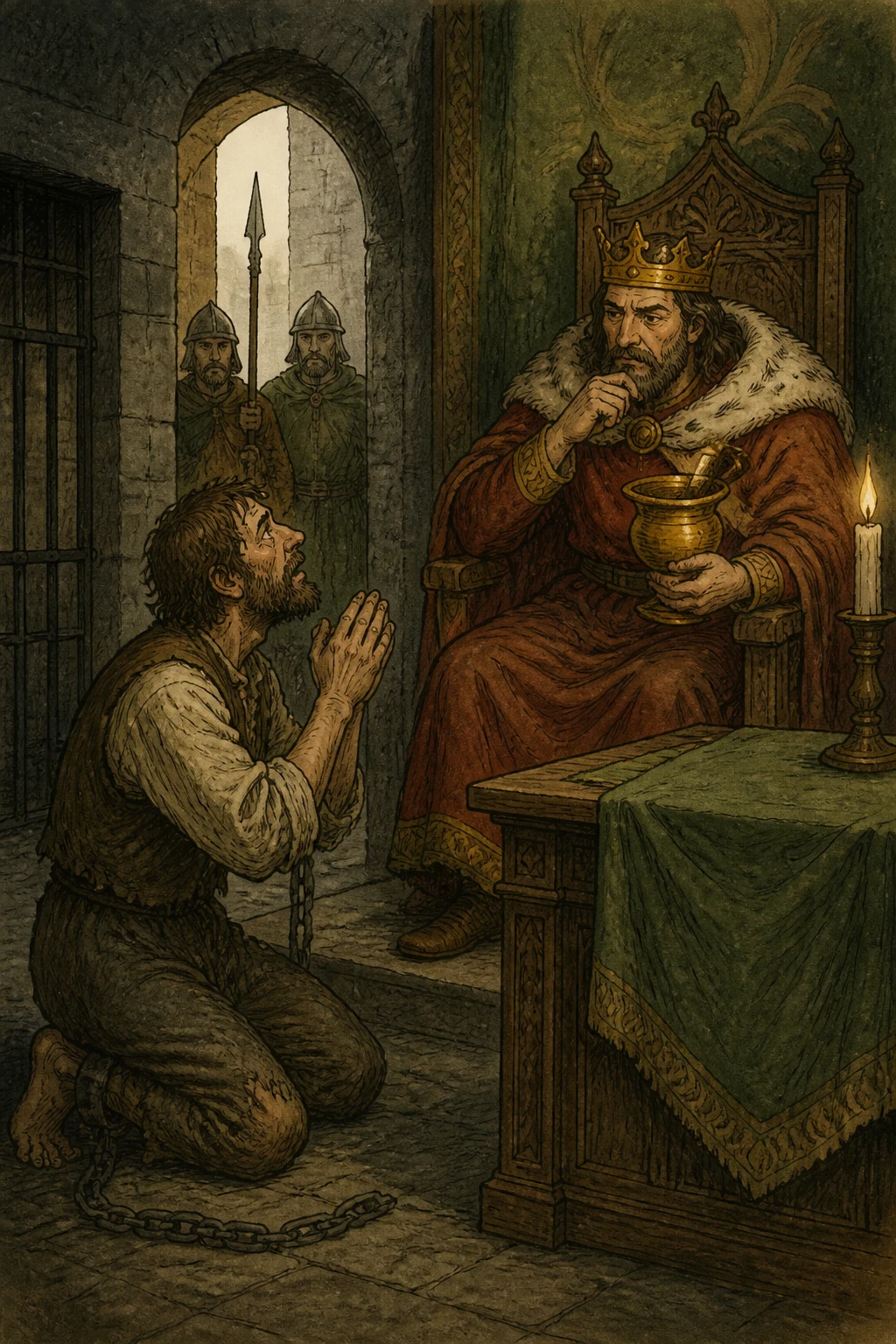
What a tangle the confounded things must have been in! Among the prisoners was a certain corregidor, or district magistrate, who was said to have been more ravenous than a leech in sucking the lifeblood from the towns entrusted to his government. Between evidence, witnesses, confrontations, appeals, and all the other rigmarole of the legal rabble, his case promised to furnish material for litigation for at least three generations. Our man resolved to take a shortcut, and, approaching the jailer, boldly asked to be let out for a couple of hours, pledging his word that he would return to prison before the appointed time was up. The jailer reflected that a word of honor was a poor thing to pawn, since no moneylender would loosen his purse strings on such security, and flatly refused. But, dazzled by the gleam of a few peluconas—gold coins that the prisoner slipped into his hands with studied carelessness—he finally softened, drew back the bolts, and opened the gates.
II It was seven in the evening. The Inspector was in his drawing room, playing a hand of tresillo with some friends, and they had just saddled him with a royal penalty on a solo in diamonds, with matadors, a void, and a singleton king, when his steward came in, drew him aside, and said:
“A gentleman wishes to speak to Your Lordship at once.” “Some nuisance or other! Tell him to come back tomorrow. Didn’t he give you his name?” “No, sir; but he gave me two gold ounces to bring you his message, and since it would hardly have been proper to leave him waiting for an answer in the entrance hall, I showed him into the study.”
“You say he gave you two ounces as a gratuity! Then whatever brings the fellow here must be important.” And turning to his companions, he said:
“With your permission, gentlemen, I shall be back shortly. Let Don Narciso play for me. What a battered life I lead! I wouldn’t wish it on my worst enemy!”
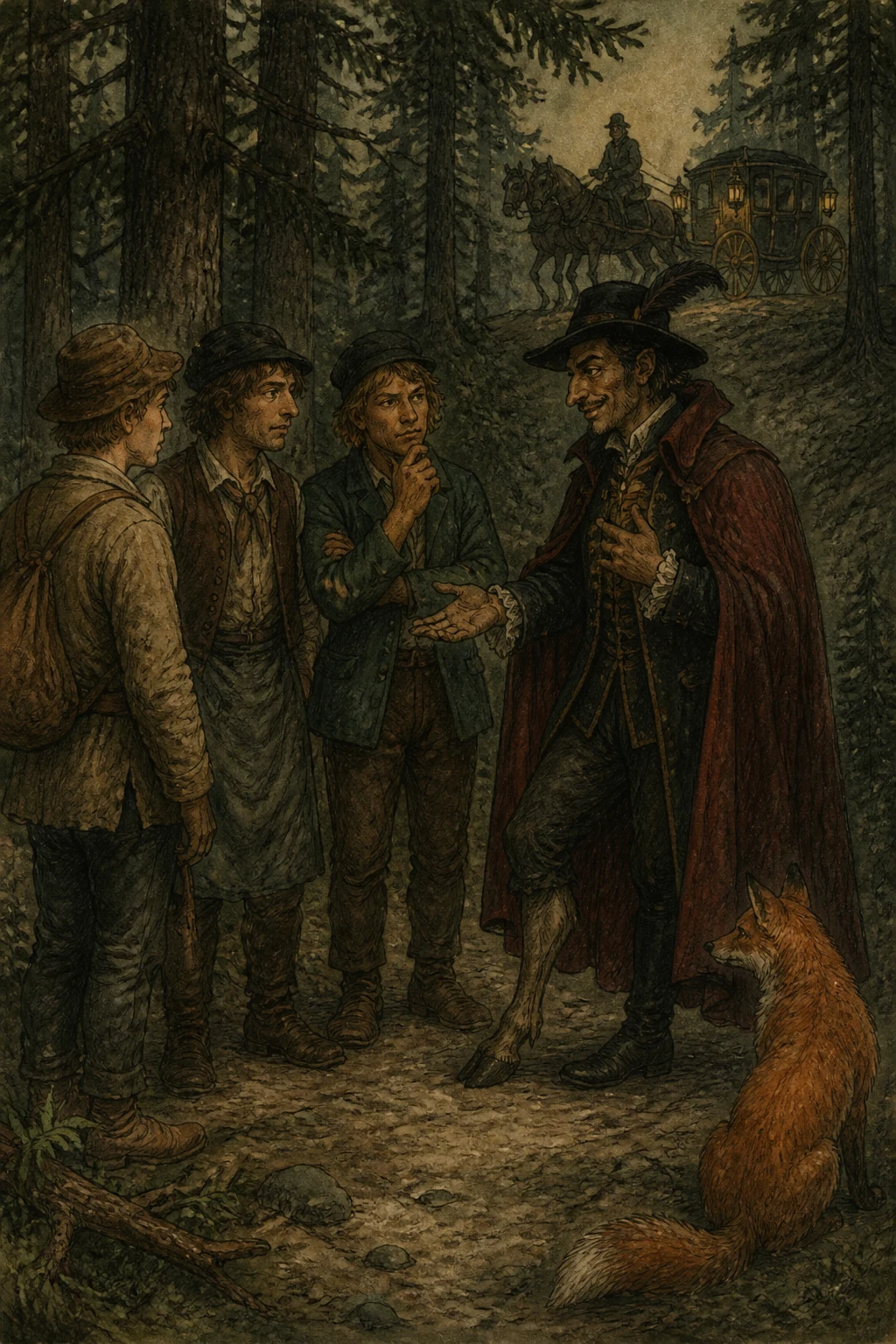
And Don José Antonio made his way to the study, which stood off the courtyard. A man muffled in a cloak was waiting there; when Areche appeared, he uncovered his face and said courteously:
“A good and blessed evening to you.” “And may God grant you the same. Well, well, my good sir! How have you got out of prison without my permission?” “There was no need for it, Señor Inspector. I have given my word to return to prison shortly, and I shall keep it.”
“I suppose I know what brings you here—to speak of your case, no doubt.” “Precisely, Señor Inspector.” “Then you are wasting your time, my friend. You are in a bad way, I can see, and much as it pains me, I shall have to be severe; the king did not send me here to deal in indulgence and favors. Your case contains damning documents and witnesses beyond reproach whose testimony is more than enough to send ten fellows of your stamp to the gallows. I am a man of the strictest integrity, and when it comes to administering justice, I would spare neither friend nor the mother who bore me.”
“Well, Señor Inspector, against all the serious charges Your Lordship says are in my case, I possess a thousand irrefutable arguments; yes, sir, a thousand arguments. And the best thing would be for us to be friends and have done with lawsuits, which serve only to cause vexation, breed bad blood, and fatten the scribes and Pharisees.”
“And why, if you are so confident they will clear you, have you not made use of your arguments? I should like to hear just one, so that I might refute it.”
“If the Señor Inspector promises not to lose his temper, and to keep my secret, I will tell him in confidence what my arguments are.” “Speak plainly, as Christ teaches us. Present just one of your arguments, and keep the remaining nine hundred and ninety-nine, for I have little time, and this is no occasion for considering them.”
Then the corregidor reached into his pocket and drew out a gold ounce between thumb and forefinger. “Does Your Lordship see this argument?” “That is a pelucona, Señor Corregidor!”
“Well, I have a thousand arguments of the same kind ready to bring the proceedings to an end. And good night, Señor Inspector, for the hours fly, and a man’s word is his word.”
And step by step, the corregidor made his way back to prison. As for Señor de Areche, they say he returned deep in thought to his place at the tresillo table, that he did not make a proper play all that blessed evening, and that, for the first time in his life, he twice failed to follow suit—clear proof of his troubled state of mind.
III What the devil! I am no scandalmonger, but history contains things that drive a man to distraction. And the proof that Don José Antonio de Areche did not exactly play fair in carrying out the commission the king had entrusted to him lies in the fact that, despite everything, His Majesty was obliged to dismiss him, recall him to Spain, confiscate his estate, and sentence him to live banished from the city and court of Madrid.
The day after his interview with the Inspector, the prisoner was set free and the case dismissed. And you are supposed to have faith in the incorruptibility of justice!
I tell you, those arguments of the corregidor’s must have been formidable indeed!
Izvirnik
021 Los argumentos del corregidor
Naslednje strani prikazujejo izvirno besedilo za primerjavo.
I
Parece que una mañana se levantó Carlos III con humor de suegra, y francamente que razón había harta para avinagrar el ánimo del monarca. Su majestad había soñado que las arcas reales corrían el peligro de verse como Dios quiere a las almas, es decir, limpias, porque sus súbditos de las Américas andaban un si es no es remolones para proveerlas.
--¡Carrampempe! Pues a mí no ha de pasarme lo que a don Enrique el Doliente que, no embargante ser rey y de los tiesos, llegó día en que no tuvo cosa sólida que meter bajo las narices, y empeñó el gabán para que el cocinero pudiera condimentarle una sopa de ajos y un trozo de jabalí ahumado. Que me llamen a don José Antonio.
Y don José Antonio de Areche, del Consejo de Indias y caballero de la distinguida orden de Carlos III, no tardó en presentarse ante su rey, y disertar con él largo y tendido sobre los atrenzos del real tesoro. Y por consecuencia de la plática entre señor y vasallo, nos cayó como llovido por estos reinos del Perú, en 1777 y con el título de Visitador general, un culebrón de los finos.
El Visitador, a poco de llegado a Lima, se convenció de que la tierra era muy rica y la comisión sabrosa y de papilla. Item, adivinó, sin ser brujo, que los peruleros éramos mansitos de genio y, por ende, susceptibles de soportar cuanta albarda pluguiera a su señoria echarnos a cuestas. Y pensado y hecho, y sin andarse con algórgoras ni brujoleos, se nos vino al bulto y decretó impuestos, y estancos, y tarifas y qué sé yo cuántas gurruminas. ¡Dios me perdone!, pero cuentan que, anticipándose a un municipio de estos maravillosos tiempos, estuvo en un tumbo de dado que estableciera contribución canina, sin exceptuar de ella al perro de San Roque, ni al de Santo Domingo, ni al de San Lázaro, ni al de Santa Margarita que, según colijo, fueron santos aficionados a chuchos.
Pero tanto estiró la cuerda que, a la postre, vino el estallido, y reventó y se armó la tremenda. El Visitador era testarudo, no cejó un ápice y siguió ajustándonos las clavijas como a guitarra ajena. Y hubo una tal de zambomba y degollina, horca, y jicarazo, que... ¡vamos! debemos tomar por especial cariño y bendición de Dios no haber comido pan en aquel desbarajustado siglo. Por fin de fines, los pícaros impuestos subsistieron y, entre gruñido y refunfuños, hubo de pagarlos todo aquel que, teniendo ley a su pescuezo, no ambicionara ponerlo en relaciones íntimas con el verdugo.
A la vez que así nos sacaba roñosos maravedises para su majestad, echóse su señoría a pesquisar a todos los empleados que tenían manejo de fondos públicos; y tal revoltijo y gatuperio hallaría en el examen de algunas cuentas, que plantó en chirona a encopetados personajes responsables de éstas. Es fama que, oyendo los descargos que le daba un empleado, dijo aburrido el señor de Areche:
--¿Sabe usted, señor alcabelero, que no entiendo sus cuentas?
--No es extraño, señor Visitador. Yo tampoco las entiendo, y eso que las cuentas son mías.
¡Vaya si las malditas andarían enredadas!
Entre los presos hallábase cierto corregidor, de quien decíase que había sido más voraz que sanguijuela para sacar el quilo a los pueblos cuyo gobierno le estaba encomendado. La causa, entre probanzas, testigos, careos, apelaciones y demás batiborrillo de la chusma forense, llevaba trazas de dar tela para pleito durante tres generaciones por lo menos. Nuestro hombre resolvió cortar por el atajo y, abocándose con el carcelero, le pidió resueltamente que lo dejase salir por un par de horas, empeñándole palabra de regresar a la prisión antes de que expirase el término fijado. El carcelero reflexionó que la palabra de honor no es cosa para empeñada, pues sobre tal prenda no desata un usurero los cordones de la bolsa, y dijo rotundamente que nones. Mas deslumbrado por el brillo de algunas peluconas, que al descuido y con cuidado le puso entre las manos el preso, acabó por ablandarse y correr cerrojos y abrir rejas.
II
Eran las siete de la noche. Hallábase el señor Visitador en el salón de su casa echando una mano de tresillo con unos amigos, y acababan de hacerle puesta real en solo de oros con estuches, falla y rey enano, cuando entró su mayordomo y, llamándolo aparte, le dijo:
--Un caballero quiere hablar en el instante con su señoría.
--¡Algún importuno! Que vuelva mañana. ¿No te ha dicho su nombre?
--No, señor; pero me ha regalado dos onzas de oro porque pasara recado, y como no era decente que esperase respuesta en el zaguán, lo he hecho entrar en el cuarto de estudio.
--¡Y dices que te ha dado dos onzas de alboroque! Pues ha de ser algo de importancia lo que trae a ese sujeto.
Y volviéndose a sus tertulios, les dijo:
--Con permiso, caballeros, no tardaré en volver, y que don Narciso juegue por mí. ¡Es vida muy aporreada la que llevo, y no se la doy a mi mayor enemigo!
Y don José Antonio se dirigió al estudio, que estaba situado en el patio de la casa. Esperábalo allí un embozado que, al presentarse Areche, se descubrió y dijo cortésmente:
--Buenas y santas noches.
--Así se las dé Dios. ¡Hola, hola, señor mío! ¿Cómo ha salido de la cárcel sin mi licencia?
--No hizo falta, señor Visitador. He dado mi palabra, y sabré cumplirla, de regresar en breve a la prisión.
--Supongo a lo que usted viene..., a hablarme, sin duda, de su causa.
--Precisamente, señor Visitador.
--Pues tiempo perdido, amigo mío. Lo veo a usted en mal caballo, y con dolor de mi corazón tendré que ser severo; que el rey no me ha enviado para que ande con blanduras y contemplaciones. En su causa hay documentos atroces y testigos libres de tacha cuyas declaraciones bastan y sobran para enviar a la horca diez prójimos de su calibre. Yo soy muy recto, y tratándose de administrar justicia no me caso ni con la madre que me parió.
--Pues, señor Visitador, contra todo lo que dice su señoría que hay de grave en mi proceso, poseo yo mil argumentos irrefutables; sí, señor, mil argumentos. Y lo mejor es que seamos amigos y nos dejemos de pleitos, que no sirven sino para traer desazones, criar mala sangre y hacer caldo gordo a escribas y fariseos.
--¿Y por qué, si tiene tanta confianza en que han de sacarlo airoso, no ha hecho uso de sus argumentos? Ya quisiera conocer uno para refutárselo.
--Si el señor Visitador me ofrece no airarse y guardarme el secreto, diréle en puridad cuáles son mis argumentos.
--Hable usted clara y como Cristo nos enseña. Presénteme uno solo de sus argumentos, y guarde los novecientos noventa y nueve restantes, que ni tiempo hay sobrado ni ocasión es ésta para hacerme cargo de ellos.
Entonces el corregidor metió mano al bolsillo, y entre el pulgar y el índice sacó una onza de oro.
--¿Ve su señoría este argumento?
--¡Eso es una pelucona, señor corregidor!
--Pues mil argumentos de su especie tengo listos para que se corte el proceso. Y buenas noches, señor Visitador, que las horas vuelan y la palabra es palabra.
Y paso entre paso, el corregidor siguió camino de la cárcel.
En cuanto al señor de Areche, refieren que volvió cogitabundo a ocupar su puesto en la mesa de tresillo, que en toda la santa noche no hizo jugada en regla, y que, por primera vez en su vida, cometió dos renuncios, prueba clara de la preocupación de su ánimo.
III
¡Qué demonche! Yo no soy maldiciente, pero en la historia hay hechos que lo sacan a uno de quicio.
Y la prueba de que don José Antonio de Areche no jugó muy limpio, que digamos, en el desempeño de la comisión que el rey le confiara, está en que, a pesar de los pesares, su majestad se vió forzado a destituirlo, llamándolo a España, confiscándole la hacienda, y sentenciándolo a vivir desterrado de la villa y corte de Madrid.
Al siguiente día de la entrevista con el Visitador, fué puesto en libertad el preso y se sobreseyó en la causa.
¡Y tenga usted fe en la incorruptibilidad de la justicia!
Digo, ¡si fumarían en pipa los argumentos del corregidor!
Nadaljuj z branjem