Waltey
Trije bratje cesarji
Legende sau basmele românilor · Petre IspirescuO besedilu
Trije bratje cesarji
- Vir
- Legende sau basmele românilor
- Avtor
- Petre Ispirescu
- Jezik branja
- English
- Jezik izvirnika
- Română
- Čas branja
- 35 min branja
- Obseg
- 28 strani
- Naslov izvirnika
- 025 Cei trei frați împărați
O izvirniku
Legende sau basmele românilor
Romunske ljudske pravljice o začaranih kraljestvih, preizkušnjah in junakih, zapisane iz ustnega izročila. Bralni jezik je English, izvirnik pa prihaja iz vira Legende sau basmele românilor v jeziku Română.
Besedilo
Trije bratje cesarji
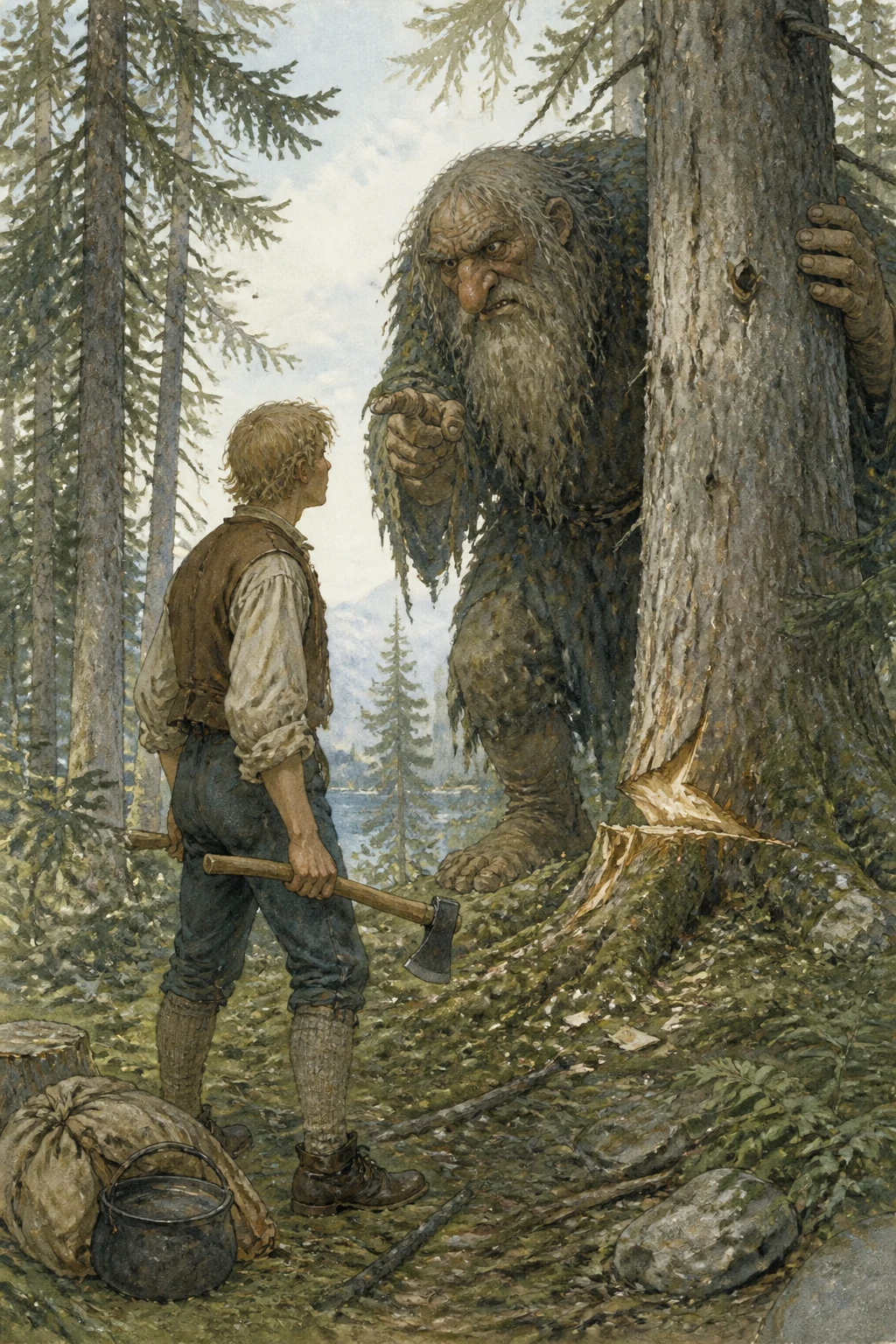
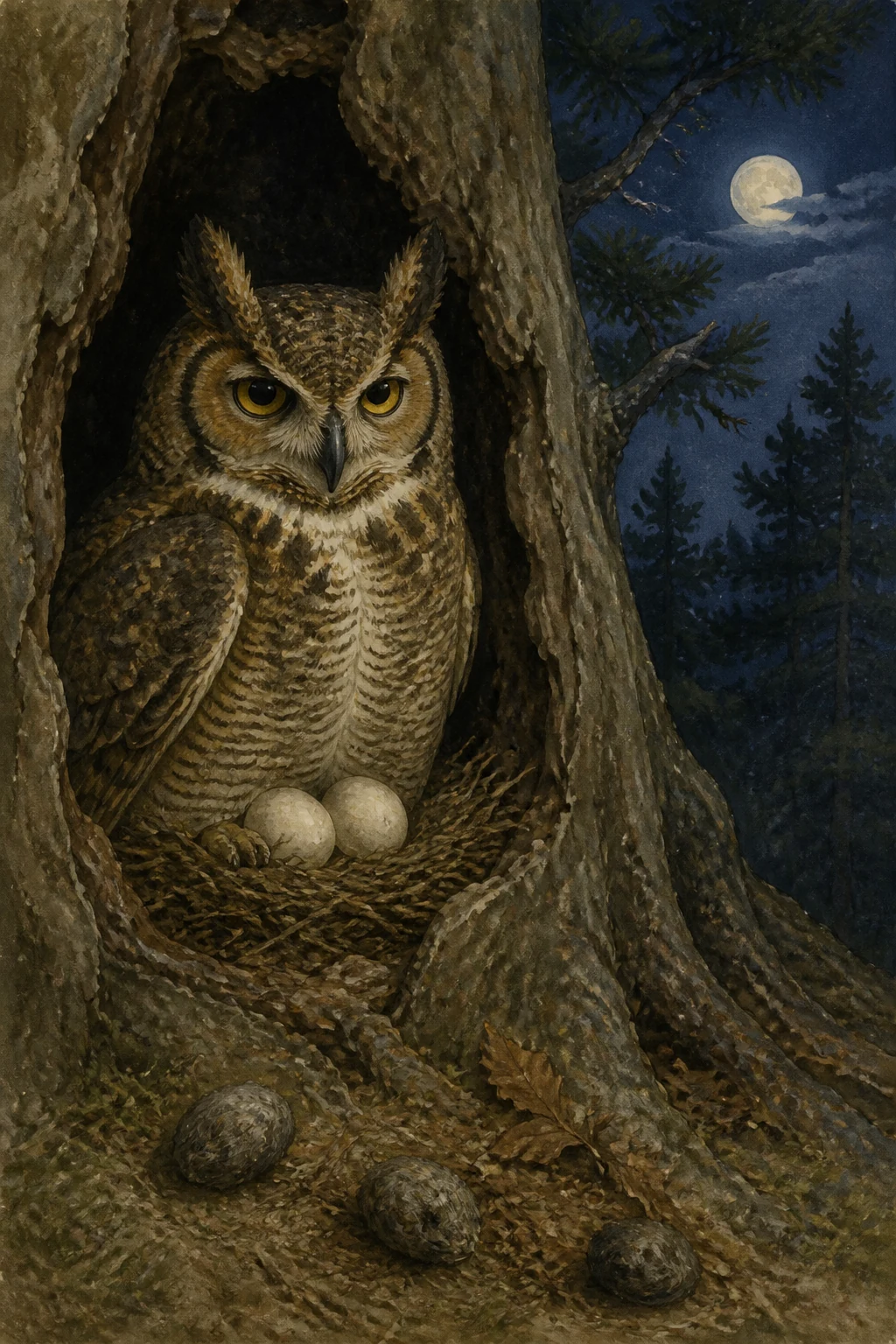
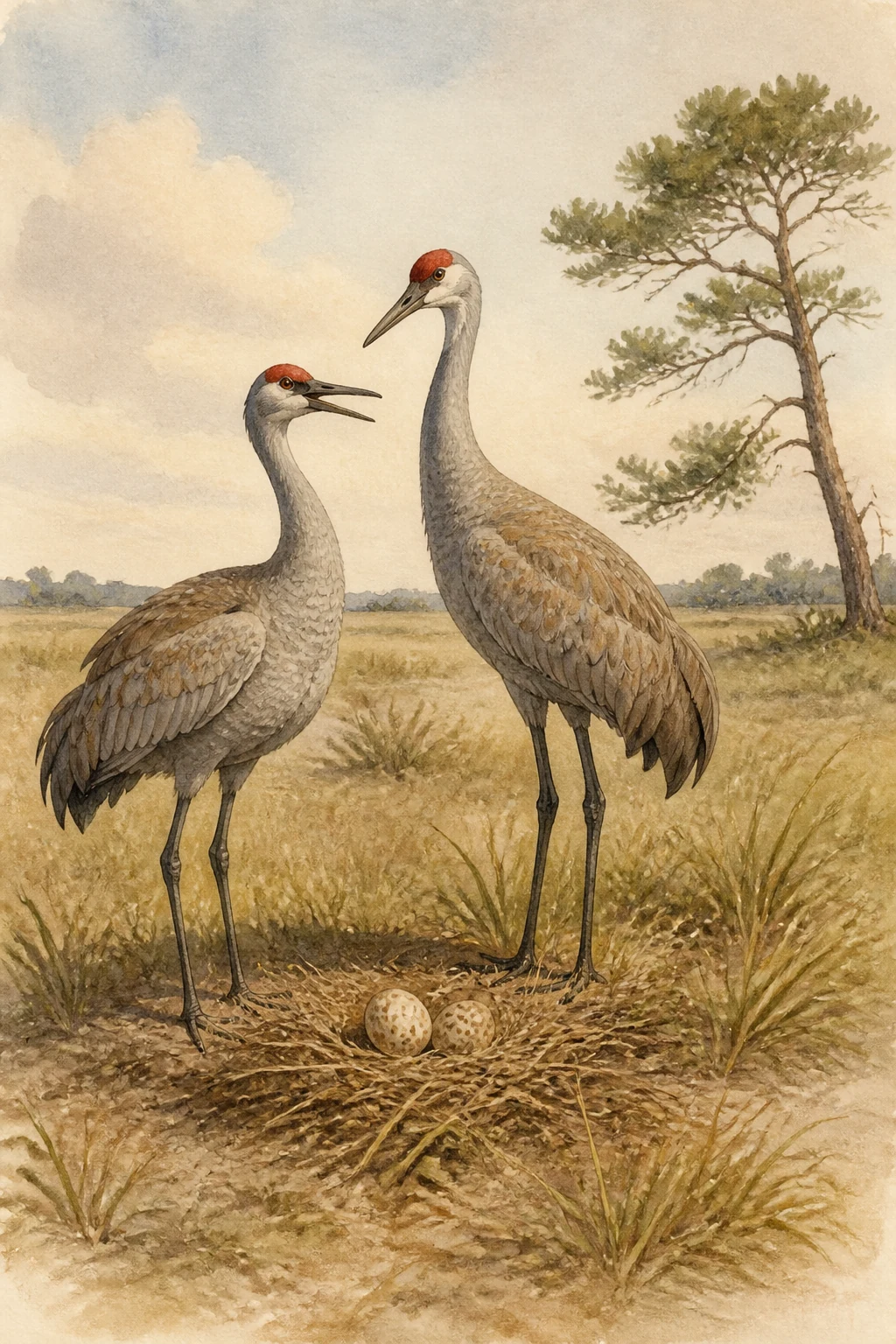
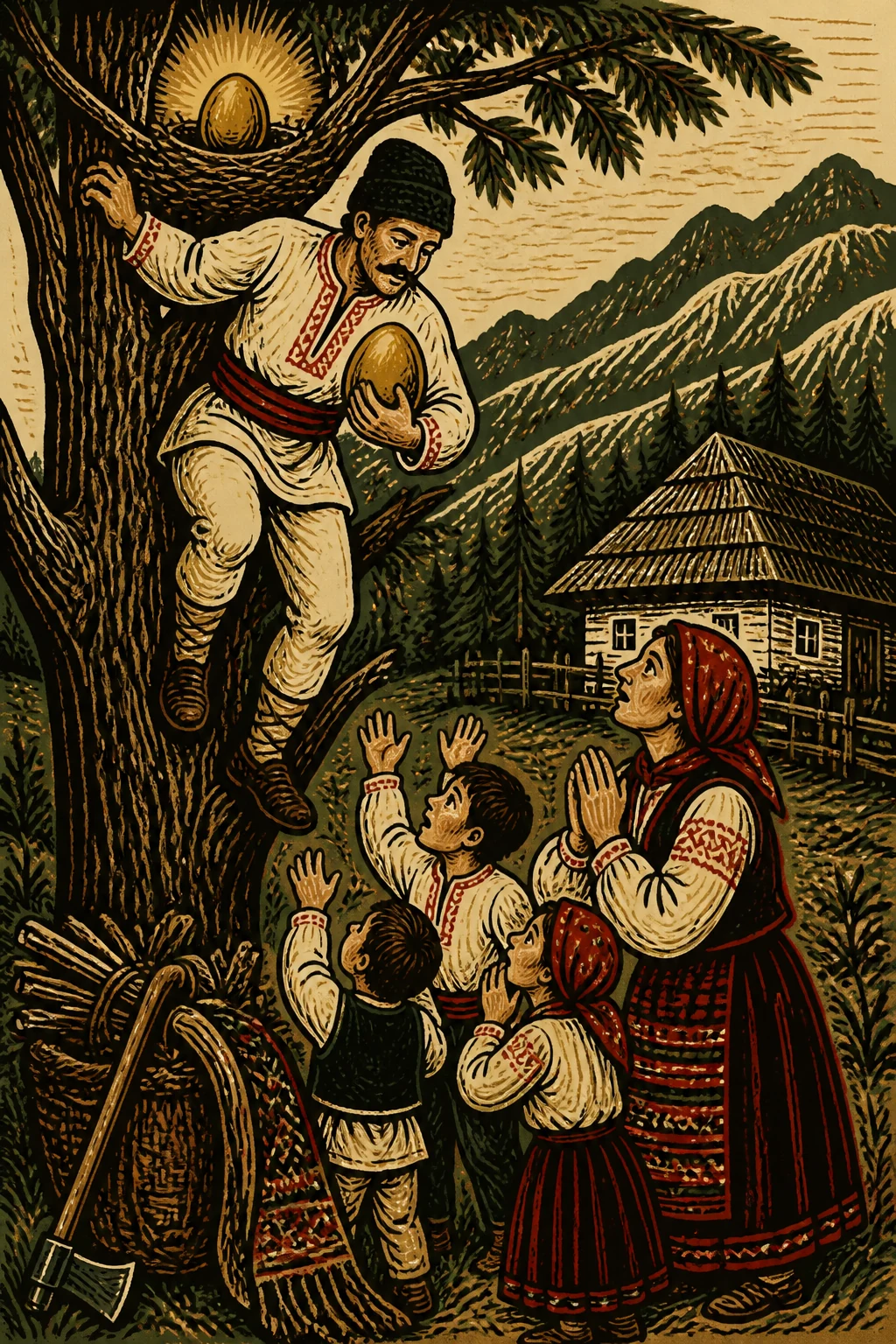
Once upon a time, as never before, and so on. There was once a poor man. He had a wife and three little children. The poor fellow worked his fingers to the bone, day and night, at whatever he could find, yet he could never make ends meet. There were more hungry mouths than full bellies in his house. One morning, as he went into the forest to gather a little dry wood for home, he saw a bird’s nest in a tree, the like of which he had never seen before. He wondered at it for a moment; then, as though someone were urging him on, he decided to find out what sort of bird could live in such a nest. He kicked off his shoes, spat into his palms, and caught hold of the tree to climb it. Little by little he made his way up to the nest and peered inside. The bird was not there, but what should he see? An egg as big as a loaf of bread. It was so beautiful, so very bright and shining, that he could scarcely bring himself to lay a hand on it. At last he took it and tucked it into his bosom. Once he was down again, he gathered some dry branches, made a small bundle, hoisted it onto his back, and set off home. When the children saw the egg, they jumped for joy. His wife marvelled at it too, for she had never seen such an egg either. They hardly knew how to handle it carefully enough, lest they drop it and break it. One said they should bake it in the embers and all share it; another said they should boil it; another wanted to keep it. But the labourer said it would be better to take it to market and sell it, since he had lost a day’s work anyway, and buy a little maize meal with whatever it fetched. They all agreed that this was the best thing to do. So he took the egg to market. The poor labourer sat down alongside the women who were selling eggs. People came and went, buying eggs all the while, but not one came to him. He wondered why nobody asked about his egg. At last a wealthy merchant came up to him. “Is that egg for sale, my friend?” he asked. “For sale, master.” “What do you want for it?” “Why, whatever you care to give me, master.” “I’ll give you a purse of money.” “Come now, master, don’t make fun of me,” he said, looking away, for he thought the man was laughing at him because he had come to market with only one egg. “I’m not making fun of you at all,” the wealthy merchant began again. “Here are two purses. I don’t suppose anyone else will give you more.” And he took out the purses of money, put them into the labourer’s hand, picked up the egg, and went away. The poor man stood rooted to the spot, gazing after the merchant. He could scarcely believe his eyes. Whoever had heard of an egg being sold for two purses of money? When he recovered from his bewilderment, he felt the purses to make sure he was not dreaming; then he wanted to run after the merchant and ask whether he had made some mistake. But where was the merchant to be found? He had gone on his way, delighted to have bought such an egg. Seeing there was nothing else to be done, the labourer opened the purses and looked inside, and the money there quite dazzled him. Then he tied them up again, tucked them into his bosom, and went to buy provisions. He filled a sack with everything they needed and set off for home. All the way he was afraid, looking this way and that lest someone come and take his purses from him. When he reached home, he dropped the sack on the floor and said, “Look, wife, what a wonder I’ve worked with that curious egg! Do you see?” “I see. But what’s in that great sack?” “Ah! Better ask me what isn’t in it: maize meal, beans, cured meat, salted fish, onions, peppers, garlic.” “And where are you taking them?” “Listen to her asking where I’m taking them! Home, woman, for you and the children. Where else should I take them?” “What are you saying, husband? Have you lost your wits today? Mind you, perhaps someone gave you those things to carry somewhere, and you, knowing how little we have at home, took a wrong turning and brought them here. When have you ever played such a trick before, coming home with more provisions than you could earn in ten days?” “But, wife, didn’t I tell you it was that curious egg I found in the forest today that worked this trick?” “What are you saying, husband? Did that egg fetch as much as you paid for all these things?” “Well, and when you see these too, we’ll see what you have to say!” Then he brought out the purses and tipped the money onto the bed. His wife stood astonished, her eyes fixed on the coins. The children, who until then had been rummaging in the sack and greedily snatching first one thing and then another, ran from the sack to the money and from the money back to the sack as soon as they heard the coins clinking. They could not have their fill of looking at so much abundance in their home. “Husband,” his wife said at last, “there’s something unholy about this. All that money for a hen’s egg!” And she felt the coins to make sure they were not some enchantment or other. “A hen’s egg or not, there it is: I sold it for two purses of money, as you can see with your own eyes. Whether it was worth so much, or whether the merchant I sold it to was no honest mortal, I cannot say. All I know is that we must thank God for letting us see, for once in our lives, what plenty looks like in our own house. Now see about getting supper ready, so that we may eat and make merry.” And so they did. They spent the whole day rejoicing. The next morning he rose early, got ready, and set off to work. Yet somehow or other, without knowing how he had managed it, he found himself in the forest again. He himself could not have said how he had come there; he knew only that he had set out to work.
Finding himself there, he looked for the tree, climbed it, and found another egg. He took it to market and received another two purses of money from the same merchant. As it happened, these eggs were made of diamond and were worth ten times what the merchant paid him for them. But he was only too glad to get what he did, for it meant that he and all his family were escaping poverty. This time he bought clothes for the children, who were all but naked. He also bought some tools and other things he needed for his work and his home, for he did not imagine that every day would be Easter, or that he would always find such precious eggs. For several days in a row he went into the forest and found an egg each time. But he became harder to please when it came to selling, held out for a better price, and was astonished to find that he could get four purses of money instead of two. Seeing how well things were going, he built himself a little house, made his life more comfortable, and sent his children to a schoolmaster to learn their letters. One day, going earlier than usual to collect his daily share, he came upon the bird whose eggs he had been taking. She was sitting on the nest. Never had he seen or heard of so beautiful a bird. At once it occurred to him that he would do well to take her home. He caught her gently and carried the mistress of the eggs back to his cottage in great delight. Then he went to market and ordered a very large, very beautiful cage, in which he settled his hen, tending her as lovingly as he did his children. In this way he spared himself both the daily walk through the forest and the climb up the tree. The hen laid him an egg in her cage every day. As he grew rich, he drove poverty out of his village. He did good to everyone there. He helped anyone in need, bought cows for all the widows, and protected all the orphaned children. But man is never satisfied. The more he has, the more he wants. Once the labourer saw that he had enough, he began to trade.
And since trade, when it prospers, has a way of spreading like ringworm, it soon urged the labourer to travel to foreign lands on business. So he set out on a very long journey, across seas and countries. One day, when his wife too was away from home, the children went into the cage to play with the hen. As they were playing, one of them lifted her wing and saw something written underneath it. “Let’s see, brother,” the middle boy said to the eldest. “Can you read what it says here?” “Not a word,” he answered. “These don’t look like the letters the schoolmaster teaches us.” “Let’s go and fetch the schoolmaster to tell us what those letters say,” said the youngest brother. “That’s a good idea,” answered the two older brothers. “Let’s go, let’s go!” In a flash they were at the schoolmaster’s. They told him what they had found and begged him to come to their house, so that they too might know what the letters beneath the wing of the hen they kept in a cage meant. At first the schoolmaster would not believe what the children told him, but when they assured him it was true, he decided to call on them later, more to humour them than because he expected anything to come of it. When he saw the letters and read them, the schoolmaster stood amazed. A wild notion entered his head, and he began to harbour evil designs upon the hen. But he told the children that what they took for letters was only a bit of scribbling and meant nothing at all. By one means and another, the schoolmaster began to court the children’s mother, and with blandishments and sweet talk he wormed his way into her affections and became her lover. The poor woman, weak as women are, let herself be beguiled by him. One day, after they had indulged their passion, the schoolmaster gazed at her with languishing eyes and said tenderly, “How I should love to sit down with you and eat a bird!” “Tomorrow is a feast day,” the woman answered. “I’ll send for a fine fat bird and cook it just as your dear heart desires.” “If I meant the sort of birds everyone has, I would never have mentioned it to you, for I have plenty in my own yard, thank God.” The schoolmaster was beating the saddle to make the mare understand. The woman felt a sudden stab through her heart. “Well then, what sort of bird would you like?” she asked. “Something out of the ordinary,” replied the schoolmaster. “And to stop beating about the bush and say it in plain Romanian: I have a fancy to eat that hen of yours in the cage, roasted.” “Good heavens, schoolmaster! How could I do such a thing? What will my husband say when he comes home?” “Whatever he may say, you can tell him she died. Besides, I cannot see why he should keep a hen that is already so old and is bound to die before long in any case.” “Be that as it may, schoolmaster, I still cannot bring myself to do such a thing and grieve my husband.” “Have I so little influence over you?” the schoolmaster said again. “This proves you do not love me. I am sorry to have fallen so passionately in love with a woman without a heart. For love of you I would go through fire and water to fulfil your wishes, and you will not do this one little thing for me. Know, then, that from this day forward you shall never see me again. I am going to drown myself.” The poor woman had begun to feel for him too; and fearing that he would take his own life for love of her, she yielded and promised to give him the hen to eat roasted, all by himself, just as he wished. When the schoolmaster heard this, he said he was now convinced that she loved him. Then he arranged for his own cook to prepare the hen. The next day, after telling the cook to throw away nothing whatever, not even the entrails, but to roast the bird whole, he went to church, where the woman came too with her children. The cook did exactly as her master had ordered. But when the hen was almost quite roasted, the children came back from church, although the service was not yet over, for they were hungry, and begged the cook to give them something to eat. They pleaded so sweetly that she took pity on them. She gave each a hunk of bread, and with it she gave the eldest the hen’s head, the middle boy the gizzard, and the youngest the heart, thinking these things of no account. The children ate quickly and went back to church. The schoolmaster, who had sat through the service on pins and needles, hurried to the table the moment he came out. The very thought of the hen made his mouth water. But he was dreadfully upset when he saw the bird brought in without its head, its gizzard, or its heart. He grew so black with spite and vexation that he came close to losing his mind. Then he roared like a lion at the cook, demanding to know how she had dared disobey his orders. The poor cook told him just what had happened, saying that she had never thought there could be such a commotion over a few worthless scraps of offal. Seeing that nothing could be done, he mastered himself, tasted a little of the food, and rose from the table deeply embittered, determined to make the children pay. The woman, who had expected to find the schoolmaster pleased because she had sacrificed so much to gratify him, was astonished to see him so downcast. She went to him and tried to cheer him with every kind of loving word. But he, who could not put the hen out of his mind, said, “You wished to prove that you cared for me when you agreed to have the hen killed and roasted. To convince me beyond all doubt that you love me, I must put you to one more test. There is one more thing I have to ask of you.” “Tell me, tell me quickly, my darling, if only it can be done. I am ready to go even to my death for you,” the woman answered. “You must choose between two things: either stay with your children or stay with me. And this is why. I have been a schoolmaster for so many years, and never yet has a pupil brought such shame upon me as your children have. Everyone knows that I take more care over your children than over the others. I do my utmost to teach them everything under the sun; I have wanted to make them my finest pupils. And what do they do? Not content with playing wicked tricks and roaming the streets like mad things, setting everyone worrying about them, today they had to leave church, come and eat, and then return to church still chewing! How can I show my face in the world again? Who will send their children to my school now? Better to die than earn such a name, for, as the saying goes, better to lose the eyes from your head than to get a bad name.” “What are you saying, schoolmaster? Have you no thought for me? Would it not be a sin before God to lose children so sweet and pure as pearls? How could I possibly lose my little ones? Think, my heart’s darling: they are my children.” “Either them or me,” he answered. “But what will my husband say when he returns? People will stone me when they hear of such a thing.” The schoolmaster saw that he had gone a little too far, and changed his tune. “I am not asking us to kill them, only to send them to another town for the time being. You can say you sent them away to study. I cannot, do you understand, have them here with me any longer, for I will not have people calling me a paltry, good-for-nothing schoolmaster.” Such were the words he spoke, but in his head he was hatching other, foul designs. “Well, if that is all, I agree. But how shall we go about it?” the woman asked. “Very easily,” the schoolmaster replied. “Tonight we shall lock them in a storehouse, and tomorrow at daybreak I shall take them out in a cart and settle them with a friend of mine.” The schoolmaster’s plan was to take the children into the forest, slit them open one by one, cut the hen’s head, gizzard, and heart out of them, and swallow them himself. But fortune did not favour him this time either. The children were seized with fear when they found themselves locked in the storehouse. They began to cry. But the middle boy said, “Brothers, listen to me, and all will be well with us. Do you know why the schoolmaster has shut us up here with Mother’s consent?” “Why?” the others asked. “The schoolmaster lied when he said that the letters beneath the hen’s wing meant nothing. And that is why he pestered Mother to have the hen killed for him to eat, so that the prophecy in those letters might come true for him. But God would not have it so.” “Can it be true, then,” the brothers asked, “that those letters meant something?” “Of course it is,” he answered. “I shall tell you now. Those letters said: whoever eats the hen’s head shall become an emperor.” “I, an emperor?” cried the eldest, who had eaten the head. “Yes,” replied the middle brother. “Whoever eats the hen’s heart, whenever he lies down to sleep, shall have a purse of money placed at his head, which he will find when he wakes.” “Will that happen to me?” asked the youngest, who had eaten the heart. “To you,” the middle brother answered. “And whoever eats the hen’s gizzard shall become a seer.” “So that is why you know all these wonderful things!” the eldest and the youngest cried together. “That is why, brothers,” the middle boy replied. “Now, to escape from here, we must use all our strength to break the window of this storehouse and run away, for that devil of a schoolmaster means to take us out at the crack of dawn, carry us into the forest, and kill us.” They all set to work, smashed the window, and fled. They walked and walked all night long. As day began to break, they reached a place where three roads branched apart. There they stopped to rest.
They decided that each should take a different road and go wherever God might guide him. They embraced and kissed, said goodbye with tears in their eyes, and parted. They walked all day, and towards evening the two older brothers met again. As it happened, the roads they had taken joined at that spot. Then the seer said, “It seems God wishes us to stay together, since he has brought us here. So let us never part for as long as we live. A little farther on there is a great city. Its emperor has died, and tomorrow they are to choose another. You are the one who will be chosen.” “Oh, leave that talk alone, brother, and stop putting wild notions into my head. Better tell me we are going to look for some work, for my poor belly has had nothing since yesterday, and it is asking to be fed.” Walking on, they reached the city ahead of them. There they met an old man and asked him to direct them to an inn where they could spend the night. The old man told them that the inns were bursting with people who had come to witness the election of the emperor the next day, and that they would not find anywhere to stay. Then he took them to his own house, where he gave them food and a bed to rest in. Early the following morning they all rose, washed, brushed themselves down, and went with the old man out of the city to a wide plain, to see how emperors were chosen in that place. The old man told them how the choice was made. The great officers of state took a pure white dove, adorned it with beautiful ribbons of every colour, and cast it into the air. Whoever the dove alighted on would be made their emperor. Even before dawn, people as numberless as leaves and blades of grass had gathered at the appointed place, until there was scarcely room to move. The old man and the boys barely managed to find themselves a little corner to one side from which they could watch. They had hardly settled there when they heard a horn sound. Then such a silence fell that a fly could have been heard buzzing. Everyone fixed their eyes on the sky. The dove was cast into the air, circled above the crowd, and came to rest squarely on the eldest boy’s head. The sons of emperors and noblemen, who had come hoping to be chosen, began to shout that this could not be, that there had been a mistake, that he was unfit to be emperor, and more besides, and they demanded a second trial. So the dove was released a second time, and this time, without so much as circling, it came straight down onto the boy’s head. Once again the noblemen’s sons shouted that it could not be, it could not be, and demanded a third trial. Meanwhile they put the boy into a sack and carried him far away from the crowd. When the dove was released for the third time, it fluttered a little over the place where the boy had stood before, then took wing and flew straight to the sack, where it settled. At this the whole crowd cried out as one that he was their emperor. They took him out of the sack and led him away to seat him on the throne, to the sound of horns and shawms and the joyful shouts of the assembled people. As soon as the new emperor found himself enthroned, his first decree was that his brother the seer and the old man who had sheltered them should always remain at his side. With his brother’s help he began to govern the empire wisely and justly. Before long their fame spread throughout the land and into the neighbouring empires, while their subjects began to call them the two wise and just brother emperors. When the schoolmaster heard that the children had escaped, he was beside himself with rage, for he was a wretch whose wickedness knew no bounds. He wanted to take his own life, but lacked the courage. Seeing that fortune was against him, however, he calmed down somewhat and returned to his teaching. After a good long while, the children’s father came home from his distant travels. He had brought riches upon riches with him. When he learned that the children had fled, he nearly fainted, but controlled himself. He made inquiries here and there, and was told the whole story just as it had happened. Then he resolved to seek justice for the dishonour his wife had brought upon him and the harm that accursed schoolmaster had done him. He went from one authority to another and was dragged through the courts for years without obtaining justice proportionate to the guilt of those who had wronged him. Having heard of the splendid reputation of the two brother emperors, the merchant took his wife and the schoolmaster and went to have his case judged by them. But before they arrived, the emperor’s brother, the seer, knew that their father was coming to seek judgment. He told his brother the emperor, and together they agreed to give him a fine welcome, as befitted their good father. When the parties came to appear before the throne, the emperor’s brother went out to meet the merchant at the steps; and when he brought him before the emperor, the emperor rose from his throne and greeted him with kind and respectful words. The merchant marvelled at the honour shown him and did not know what to say. He looked about him, unable to understand any of it. His eyes travelled from the emperor to the emperor’s brother, and he wondered to himself, but dared say nothing. When the schoolmaster and the woman entered the chamber, they stood as though struck by God’s thunderbolt. For they knew they were guilty of crimes deserving death. Once the emperor was seated upon the throne, the hearing began. The merchant told his sorrowful tale and said that he placed his trust in the emperor’s wisdom and awaited whatever judgment God might inspire him to give. The schoolmaster had fallen utterly silent, while the woman stammered out a few words, laying all the blame upon him. Then the emperor asked the merchant whether he would know his children if he saw them. “How could I not?” the merchant answered. He looked at the two emperors and no longer dared say another word. “We are your children,” the emperor replied.
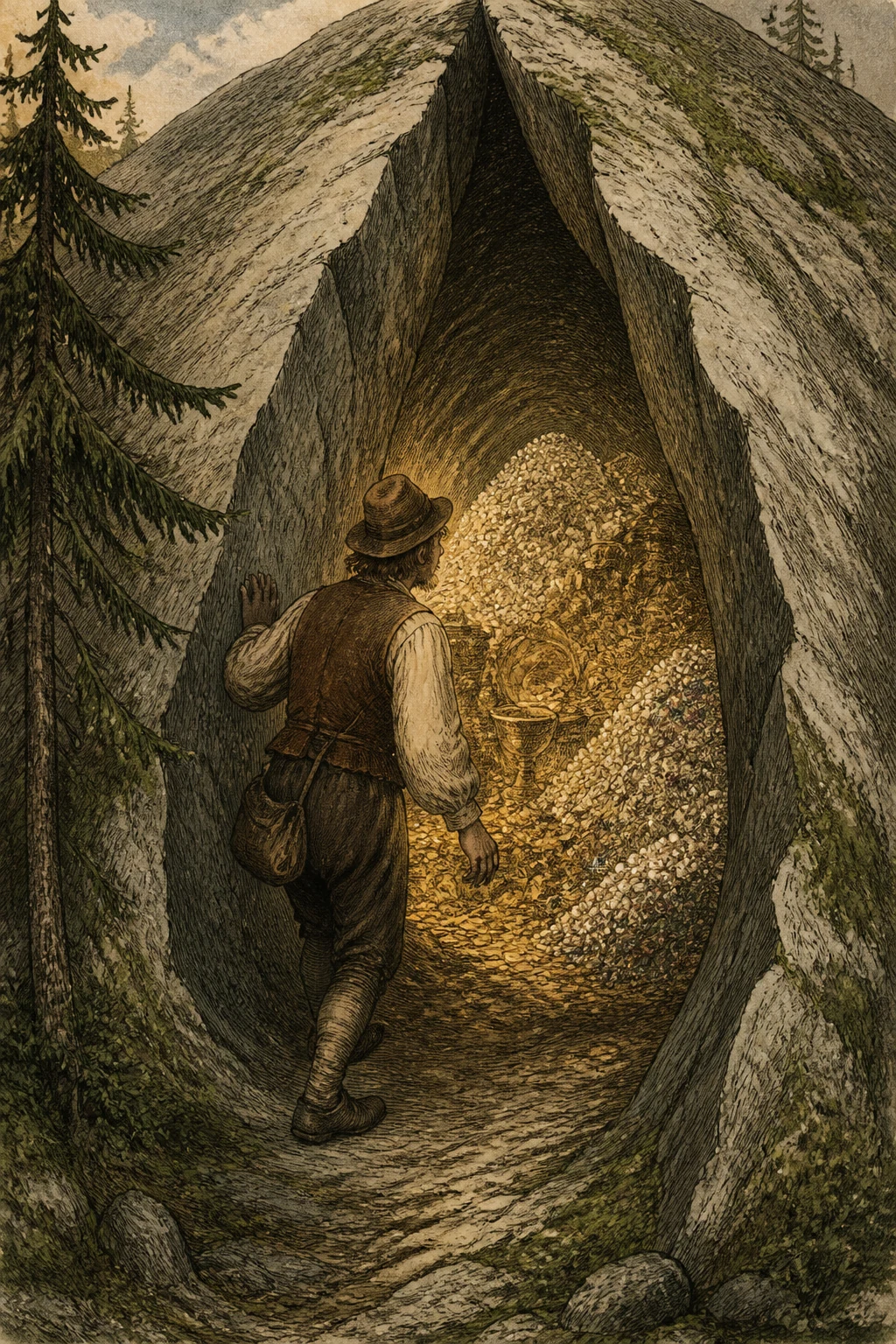
At these words, the woman and the schoolmaster turned pale as death and trembled like reeds. The merchant’s heart, meanwhile, swelled with joy at having found his children. The emperor said that never in all his reign had he been called upon to judge so difficult a case. He therefore decreed that they should all kneel and pray to God to reveal His justice. And so they did. While they were still praying, the schoolmaster and the woman suddenly turned into stone statues. The emperor ordered the statues to be placed on either side of the palace steps, and the merchant remained at the imperial court. Meanwhile, after parting from his brothers, the youngest brother went on and on, as the words of the tale now unfolding carry him, until he reached the town to which his chosen road had led him. Once there, he took lodgings with a kindly, God-fearing man. Whenever he lay down to sleep, he found a purse of gold pieces at his pillow when he awoke. He asked his host to find someone who could show him the chief sights of the town. After wandering all over it, this way and that, and seeing everything worth seeing, he reached its outskirts, where there was an island. When he asked what lay there, his guide shied away from answering. That evening he asked his host, who told him, “Do not let the serpent of temptation bite your heart and lead you there, for it will be the ruin of you.” “Why?” asked the young man. “Because an enchantress lives there, and whoever goes to her comes back out of his wits. Besides, no one may go and see her without paying her two purses of money.” “Is that all? Then tomorrow I shall go and see her,” he said. “As you can see, I have money enough.” Neither his host’s entreaties nor the fear of losing his wits could keep him from going to see the enchantress. So he went, paid two purses of money, and entered the island. There he wandered about outside for some time like a great lout, hoping the enchantress would come to the palace window and let him catch a glimpse of her. She appeared; he saw her and went away. The next day he returned, and again on the third day, and so on for several days running. The more he saw her, the more he longed to see her again. The enchantress noticed that he had been coming day after day. He must have a great deal of money, she thought. So she sent for him, and when he came she said, “You must have a vast fortune, young man, to squander it so freely. Never before have I seen anyone come to my island so many times in succession.” “Yes, a vast and endless fortune,” the young man replied proudly, “as endless as the power by which I make it.” As soon as the enchantress heard these words, she began to plot against him. She drew close to him with whispers and caresses, scheming to discover the source of his power. The young man was beside himself with longing when he found her fondling him and speaking words sweeter than honey. He let himself be deceived and told her his secret. Then she gave him something to drink, and he brought up the hen’s heart. She took it and had him driven off the island with blows. When he came to his senses and found himself penniless, destitute, and cast out, he thought, “If I do not pay you back for this, then not even the devil ever will.” He went to his host and told him what had happened. “Did I not tell you, poor soul that I am, not to go there? What will you do now?” “I shall go out into the world, and let God do with me as He wills.” The next day he set off, and after passing through a forest he came to the bank of a river. There he found a fisherman’s hut. His stomach was growling with hunger, and he had no choice but to stop. The fisherman agreed to let him stay and teach him to fish. One day the fisherman said to the young man, “I am going to market with this basket of fish. While you see to things here, take that net and see whether you can catch a little fish for us to eat today and tomorrow.” “Leave it to me,” the young man answered. The fisherman set off, and the boy went into the river with the net. He tried upstream and downstream, but could not catch so much as a single fish. He was just about to give up when he spotted a barbel. The barbel darted away, and he went after it until he had a good chance to cast his net, caught it in the mesh, and hauled it ashore. He saw that the fish was big enough to feed them for two days. His heart rejoiced at having done a proper job. So he began to scrape off its scales, slit it open, and take out its entrails. And there, instead of milt, what should he see? Something unlike anything he knew. He took it out and washed it, and it proved to be a sort of tiny stone bowl. “This will come in handy too,” he said. “I shall have something to drink water from.” At once he scooped up some water to drink. But when he raised the bowl to his lips, it was full of gold pieces. He marvelled at this strange event. He tipped the coins into his lap and scooped up water once more. As he brought it to his lips, it turned into money again. “Now, let us go and see my enchantress!” he said. Leaving net, fish, and hut behind, he ran all the way back to his old lodgings in town without stopping for breath. He told his host of the good fortune that had befallen him and began preparing to go to the island. His host did all he could to dissuade him, but it was no use. Something seemed to draw him towards mischief. Before leaving, he filled two great vats with money for his host. Then he took the little stone bowl and two full purses and went to the island. The enchantress recognized him as soon as she saw him. Guessing that he must have struck gold somewhere, she summoned him to her. There, with pretence, cajolery, and cunning, she made him tell her how he had come by so much wealth. And since the young man had lost his head the moment he came near her, he let himself be coaxed, and the enchantress stole the little bowl as well. Once she had possession of this treasure too, she ordered her servants to jeer at him as though he were a fool and drive him from the island in disgrace. When he found himself thrown out and humiliated once again, he could scarcely contain his anger. He raged at himself for not having had the sense to avoid being both mocked and robbed of his money. He went back to his host and told him the whole sorry business. His host advised him to take one of the vats of money he had left there, put it to some use, and stop roaming about like a good-for-nothing in pursuit of will-o’-the-wisps. But he would not hear of it and set out into the world. “Whatever God may grant me,” he said. On and on he went across the fields, his heart burning for his enchantress. He passed through forests, unable to reconcile himself to the thought that he would never see his treasure again. At last he sank to the ground, overcome by sorrow and grief. As he lay there wrestling with his thoughts, he noticed a stream flowing nearby. He went to bathe and cool himself. While bathing, he saw some fig trees on the other side of the river. Remembering that he had eaten nothing for two days, he went over to make a little meal of figs. He ate and ate, but then began to feel himself changing little by little. Where a man had stood, there was suddenly a donkey. Here was a fresh trouble! How was he to return to the city? On top of everything else, he would now be hunted and hounded. He wandered up and down along the edge of the forest, afraid to venture among the trees lest some wild beast seize him, yet afraid to come out into the open lest someone catch him and put him to work beyond his strength. What was he to do? He lamented and bewailed his fate so pitifully that it would have brought tears to your eyes. All day he wandered, his heart shrunk to the size of a flea with fear. And he was hungry too. Searching for something to eat, he came upon some carob pods. He began to eat them, for he was famished. He nearly died of joy when he saw himself changing slowly, slowly, until he was a man again. He stood still, crossed himself, and marvelled at the wonder. Then all at once he cried, “Now you are mine! Just you wait, you heartless woman! I shall make you pay for what you have done to me!” He filled the front of his shirt with carob pods. Then, as best he could, he wove a basket from willow twigs and filled it with figs from the tree whose fruit he had eaten. When he returned to his host in the city, he told him that at last he had learned his lesson. But hearing of the fame of the two wise emperors, he felt a burning longing in his heart and resolved to go to them and see whether they might be his brothers. Before setting out, however, he went once more to the island, carrying the little basket of figs on his arm, and began crying his wares outside the palace gate. The enchantress sent for him. The moment she saw him, she recognized him. Believing that his figs too must conceal some magic that would serve her well, she ordered the whole basket bought. He took the money and pretended to stroll about the island. The enchantress sat down to eat. At the end of the meal, after she and her household had eaten the figs, they all turned into donkeys. What a to-do there was! They tried this and that, first one thing and then another, but nothing helped. Donkeys they remained, as much donkeys as any others. Then the young man caught them, put a halter on each, tied them one behind another, and led them away. First, though, he recovered the little stone bowl and tucked it inside his shirt; the hen’s heart he could not recover, for the enchantress had eaten it. He took his herd of donkeys to his host’s house. “Now you must know that I am going back to my own people,” he told him. “You have money enough, and the island and the palaces are yours. Farewell, and may you keep well.” “May we meet again in good health,” his host replied, “and hear only good news of one another. But what will you do with that herd of donkeys? Hire a servant to look after them.” And so he did. He hired a servant and set out to find his brothers, with his whole procession following behind. While he was on his way, the brother who possessed the gift of second sight told the emperor everything that had happened to their youngest brother, and they prepared to receive him with honour. When the youngest reached the outskirts of the city where the emperor ruled, he was astonished to find his middle brother waiting for him. This brother told him all that had happened to their mother and the schoolmaster, and how God had punished them. The youngest brother wept at the divine sentence that had fallen upon their mother, then went to present himself before the emperor. The moment they saw one another, they recognized each other and embraced. Then he asked the emperor for a clean stable in which to keep his donkeys, whose care he undertook himself. Time passed, yet there was no sign that he intended to turn the donkeys back into human beings. One day at table, seeing that his youngest brother was in good spirits, the emperor said to him, “Well, what do you mean to do with your donkeys? You have punished them enough. Do not imagine that I know nothing of all that happened to you. Enough is enough. Especially since I know your heart is melting with longing for her.” “You have spoken the truth,” his youngest brother replied. “For your sake, I forgive her.” He sent for the donkeys, gave them carob pods to eat, and at once they became human again. Everyone present stood dumbfounded at the miracle. Then all eyes turned to the enchantress, and all declared that they had never seen so beautiful a woman, nor could her equal be found anywhere in the world. She began to speak. “First, I thank the emperor for taking pity on the wretched and miserable state to which we had been reduced, and for interceding to have us restored to human form.” Then, turning to the emperor’s youngest brother, she said, “You are the only man in the world who has proved a match for me. If you wish, I am ready to take you as my husband. Forgive me for the wrongs I have done you.” “And what else was I after, for my sins, when I kept coming to see you, while you made a mockery of me? Still, I too have had my revenge. I am ready to take you as my wife, especially now that no resentment remains in my heart.” They made their preparations and held a wedding such as only emperors can give. And they never left that place again. All three brothers remained together. The affairs of the empire prospered. From these brothers the people received justice, sound counsel, and help in money, each according to their need; and their fame spread throughout the world, where they were known as the Three Brother Emperors. And I mounted a saddle, and so on.
Izvirnik
025 Cei trei frați împărați
Naslednje strani prikazujejo izvirno besedilo za primerjavo.
fostil o data ca nici odatd, etc. A fostd °data unit bretd omit seracd. Elii avea femee si trei copilasi. Lucra bietulii omit de da pe brand, di si nopte, on ce pe unde gasea, ci doe in teitl nu putea lega eld. erail mai multi fiemandi de add setui,. Intr'o dimineatti, pleeandil la padure ca se aduce ce-va usedturele pentru case, veclu inteunil copacid unti cuibil de pasere. cum nu mai vMuse elu pine atunci. Se mire nitelii. apoi par'ce-i da tine -va gbiesil, vru se scie ea ce tell' de pasere sa fie acea ce se adepostea in astd-feld de cuibil. Isi lepecla calevrii, I i scuipe In palme si se agate de copaciil ea se se urce in elii, incetd incelu, eld se sui pine la cuibil, se tad inteinsuit"! ; pas6rea nu era ; candti co as Oda? unit oil Ca de One. AGa de frumosii era ould, si luciosu, luciosil, in catilpar'efi-i era mils se pue maim pe densulti. In cele din urine, lid lua bags iii sine. Dupe ce se dete josu, culese cite -va usceturi,- Neu o sareine mice, o lua la spinare si piece cu (Musa a case. Copiii, rand vedura oulii, saread de bucurie. Se mire §i ferneea lui, cad Rid ea nu mai veduse unit astii fail de oil. Nu seind cum sa amble mai biniord cu densuld, ca se scape joss se se sparge. Unuld 4icea dice in spuza sal manance top dinteensuld, alba dices ca fiarba; altuld dicea C3 pastreze. Muncitoruld Insa disc ca mai bine aril fi sa se duce cu eld in tirgd dea pe ban!, ca totil perdutil eld dioa de muncd, ji cu ce va prinde pe densuld se is niteld malaid. Toti gash i cu cale ca ap este mai bine sa face. ;i Slept nu-lil ca ;i sa -lil ;i-a copilasi si-la sa-la sl-til
Se duse deci en oulil in tirgil. Se asecla si bietuld muncitorii in rendii cu femeile ce vindeati oufi. Umbla omenii de colo pina colo si cumperaii mereil la ouA dard la elu nici unulii i,u venea. Se mira cum de 'LAMA si pe densulti nimenea de oulil lui. In cele mai de pe urma eca unil negulatorti chiaburti cA vine si la densulti. De vinclare al oulit asta, prietine ? li dise. De vindare, jupane. Ce eel pe densulti? PAT, ce-i vrea sa-mi dai, jupane, sa-ti dau o punga de bani. Ia lass, jupane, nu -ti mai bate jocii de mine, ciise elu si se uita in alts parte, credendil cA ride de ell], pentru cA venise la WO numai cu unit oil. Ba nici risu, nici nimicu, incepu a dice negustorulit celu chiabunl. Eta doe pungi ; nu credit' sa-ti dea altulil rnAl Si scose pungile cu bani, i le puse In mans, lua oulii si pled. Bietulit omit rAmase inlemnitit in locu, uitandu-se dupd negutatoril cum se ducea. Nici venea macarit sa creda ochiloril. apoi unde se mai audise ca un ou sa se vanda cu doe pungi de bani. Candii se destepta din zapacela lui, pipai pungile sa veda nu e \Tenn visit; apoi vru sA alerge depe negutatorti intrebe de n'a facutti vr'o gresela. Dara ia pe negulatorit de uncle nu Elu isl cAutase de drumit veselit cA cumperase asa oit. Daca vedu si vedu, deschise si elti pungile, se uita in eler dara odata ilu luara de ochi banii ce era acolo. Apoi be stranse la locil, be bags in slat si pleca cumpere merinde. Umplu. unit sacti cu de cele de trebuinta si o lua catre casa. Se totil temea si se totil uita in tote partite sa nu care cum-va sa vie cine-va sa-i ia pungile. Cand ajunse acasa, tranti sacult1 josil si dise Eta, nevasta, ce minune fa'cuia eti cu oulil Ala posnati; vedi to ? Vedii. Dar ce e In saculti Ala marele? nu-le multii. *i d steti
El ! dara ce nu e ; aia Intreeba-me; malaie, fasole, pastramg, peste sAratil, cepA, ardeia, usturoie. Si unde le duet? Ia audi unde le duce! acasa, fA, fie si copiilore, unde sä le duce? Ce vorbesci, barbate ? on al cApiatil astAdl. Vedi me, ca ti le oil date cine-va sA le duel aiurea; si tu, sciinde lipsa de acasa, t'ei fi ratacite cu ele Incoce. Cand al mai fAcutil tu asta comedie sA vii acas'A cu merinde cate munca to pe dece dile ? PM bine, fa, nevasta, nu -ti spuseie ca comedic asta o facu ode ala posnase de-lil &Hu eii adI in padure ? Ce spui, barbate? atitii a fAcutii mile Ala, ate al date tu pe tote astea ? Hell dara cand el mai vedea si p'astea ! sA vedem ce o sä mai did. Atunci scose pungile si resturna. bani in pate. Femeea remase inmarmurita cu oche tints la bani. Copiii caril pins atunci rescolea prin sace, si inhala cu diafii cand din una, &ind din alt', cum alp:Jill zornaitule banilore, alergail de la Ned la bani si de la bani la sacil. El nu se puteail sAtura vedende atAta belsuge In casa lore. BArbate, mai dise femeea, dara asta nu e lucru curate. Atatea bani pentru une oil de gainA I Si pipaea bane se vada nu care cum-va suntil niscal fermece, ori, altii-ce-va. De gAinA de negainA, uite ramil vindutii cu doue pungi de bani, cum ii vedi cu °chi)" verdi. Apol on a de a facute atita ori ca negustorulil la care Paine vindute n'a fostil omil curate, eu nu sciu. Atka scat numal ca trebue sa mulfuinim lui Dumnedeii ca ne-a invrednicitil sa vedemil si not odata cu oche' ce este belsuge in casa nestra. Acum vedi de rostesce de mass, sä mancAmil si sä ne veselime. Asa si facurA. Tots 4ioa intr'o veselie o duserA. A doua di se stela de dimineap, se gAti si plea la munca. Nu schl Insd cum facu du, nu scie cum-drese, ca se pomeni erasi In padure. Nici du nu scia cum venise acolo ; scia numai ca elu la munca plecase.
Daca veclu asa, cats copaciuld, se sui in eld, si mai gasi und Se duse cu eld in tiraii si mai lua Inca doue pungi cu bani tail de la aceld negustord. Pasami-te oule astea erail de diamantil, care fdceail de qece on atAtil catil ii da lui pe ele negustoruld. Eld lag era build bueurosti ca lua §i ; cad scapa de säracie, eld si cu top al WI. Cumpera de asta data haine pentril copii, cad erail goi. Mai lua nisce unelte §i dichisurl. de ale lui pentru munca, si pentru cask cad nu credea ca o sa fie in tote clilele paste, sa totil 81sesca la oua d'astea scumpele. Cate-va d'a randuld se mai duse eld in padure si totii gasea eke und oil. Se fdcu insa mai nazurosd in Milt, tinu mai la prep, si cu mirare veclu ca scote ate patru pungi de bani in locil de doe. Apol daca veclu eld ca asa merge treha, isi facu o casciora, is! mai indulci §i elii traiuld dete copii la dasealii ca sa invete carte. Iteuna din (Jule ducenduse mai de dimineta is merticulil, dete peste pasarea, ale cut' ode le lua elitSta pe cuibil. Asa frumusete de pasere nu mai vecluse nicI mai auclise. /ndata ii trasni prin capii ca ard fi bine sa o aduca acasa la densuld. 0 §i lud binipre, si cu mare hucurie aduse la bordeiulti lui pe stapina oueloril. Apol ducendu-se in tirgii, porunci o colivie forte fruniOsa si forte mare, in care colivie isI asecla gaina si o ingrijia ca pe copii luI. Cu chipuld acesta scapa si de drumuld de tote 4ilele prin padure, si de suituld in copaciii. Gaina ii oa in tote 4ilele ate und oil, in colivie. Imbogatindu-se elu, goni saracia din satule lui. Facea bine la tad satulit. Ajuta pe on ce nevoiasil; cumpera vaci la tote veduvele ; ocrotea pe tot! copii sArmani. °multi este nesatiosii. Cu catil are totil ar vrea sa mai aiba. Muncitoruld, dupa ce veclu ca are destulii, incepu a face negogiog. atatii . Ode 0-g sa -s'
Si 1iindil ca negotuli cand merge bine, de firea WI este ca sa se Intincla ca pecingenea, dete ghiesii muncitorului sa caletoresca prin feri streine dupa negotii, Porni dard intr'o caIetorie forte departata peste marl si tea Intr'o di cand lipsea si nevasta lul d'acasa, copiii intrard in colivie ca sä se joce cu gaina. Jucandu-se el acolo, unulii din ei ridica aripa gdinei §i vede ca este ce-va scrisu acolo : Sa to vedu, nene, ciise cell mijlocia catre celii mai mare din frati, pot! tu sa citesci ce dice aid ? Ba nici bobs, respunse elii. Astea pare-cd nu suntil slove de care ne arata dascalulti. mergem sd chemamil pe dascalii, sa ne spue ell ce dice acele slove, Oise cela mai micu din fratI. Bine clici tu, respunserd amendoi fratil mai marl, sä mergemii, sa mergemii. Si inteunil sufletil ajunsera la dascalii, ii spuserd rugard sä vie sal caked, Ca sa scie O. el ce dice acele slove de sub aripa, pe care o pastrezd in colivie Dascdlulii de o cam data nu voi sa creda ceea ce -i spuneaii copiii ; dart dupa ce -li incredintara, se botari sa vie intr'o (lord, mai multi de hatarulii lorii de catil pentru vr'o isprava. Cand veclu acele slove si le citi, daschlulii ramase intrandu-1 gargaunil in capi, §i puse gindii rei gainei. Copiiloru insd le clise ca acelea ce long li se OITA a 11 slove, era uni Head' §i cal nu insemna nimici. Ce facu dascaluli, ce drese, ea se dete pe langd muma copiilorii, si cu §coele, cu momele, infra pe subt piele si se inadi cu densa 13iata femee slab& ca toate femeile, se planisi dascalului. Intr'una din zile, dupa ce isi scoasera ocbil, dascaluhi ultandu-se la ea cu ochi gale§i 7i cu giugiuleli, 11 clise: Ce mult a si pofti sa manfinc o pasere cu tine la masa Maine e serbatoare. respunse femeea, voi trimite sa cumpere o pasere build si grasa §i o void gati dupa pofta inimiorei dumitale. Daca ar fi vorba despre paseri de care se gdsesc la tots SA §i-lft gainei, tatalu ft lord. Mindysi ii
lumea, nu ti -as 1. 11 mai spur dutnitale, caci aniti si eu destule in curie, slava' Domnului Dascalulti batea ecta sa pricepd epa, Femeii ii dete una ferti arse prin inimd. E, apoi cc felt de pasere ai voi dumneta ? ha intreba femeea. Ce-va deosebitil, respunse dascalulti, Si ca sa nu mai ocoloimii, spune rominesce pe §leti: am pofta sä ti mducanc5 fripta gdina aia a to din colivie. Vai de mine, dascgle ; dard cum a$ face ea una ca asta? Ce va dice bdrbatu-met cand s'o intorce ? Or! ce va dice, dcd, tu spill' ca a muritti. Si ape! nu, pricepu la ce sa mai tined o gaind, care si asa e destulti de betrand si care peste curand negresitu ca tot5 are sä mord. Or! si cum dascale, tote nu-mi vine sa facia una ca asta ca sa nu se amarasca bArbatu-meti. Mata trecere n'amti si di la dutnneta ? mai dise (lased- Asta imi dovedesce eh nu me iubesci. imi pare ret ca amt1 indraigitti cu atita foci' pe o nesimlitdre. Et pentru -dragostea to ast if data prin focii prin apd, ca sa -ti fact voile, si tu pentru mine atita lucru sa nu fact. Sa soil dara ca -de ac,li incolo n'ai sä me mai vedi; me clued sä ma inec5. Biata muere, incepuse a sirup' gi ea de ddnsulti ; apoi de fried ca facd sema singurii pentru dragostea ci se induplecd si fagddui dascalului ca-1 va da gaina s'o manance friptd, singurti, singurelti, dupa cum dorea. Cum audi dascalulti de una ca acesta, dise ca acum s'a incredintatti cii ea ilii iubesce. Apoi puce la tale ca gaina s'o gatescd bucatdresa lui. A. doa di, dupa ce porunci bucALdresei sa nu lepede nimica -din ale gdinei, nici din maruntae, ci s'o frigh aka intrega intregulitd, se duse la bisericd, wide vent si femeea cu copiii. Buedtaresa facu iatocmai precum ii poruncise stapanu insd pe cand era aprope sa fie tripta gaina desaveritti, copiii -se intorsera de la biserica, de F.4i nu se isprtivise slujba, cu.( use ti-oiCt sa -t sa II sea., as, luld. nu-s1 1i
Meuse form si se rugara de bucatarssa sä le dea ce-va sa mOnance. Cu atata gingAsie se rugara copiii, in did bucataresei i se facu mita de densii ; le dete cate und codru de paine, si pe lingo acesta, celui mare II dete capuld gaineI, celui mijlociti pipota, si celui mai mica inima, socotinda ca acestea suntti lucruri de thrilled. Copiii mancara repede, si se duserd er5,1 la bisericA. Dascaluld, care statuse ca pe ghimpi la biserica, cum esi vein numai de cAtti sa se pue la masa. Numal gandindu-se la Oink IT 'Asa gura apd. Dart se supara cad unit lucru mare cand veclu ca i se aduse gaina fAra capu, Dill pipota si fara inima. Se catrani de ciuda si de necazu dascaluld in calf' p'aci p'aci era di inebunesce. Atunci racni ca und lea la bucgtaresh" intrehand'o cum a facutil de i-a cAlcatii porunca. Biata bucOtgresA spuse lucruld cum se intamplase, dicandu-1 ca nu credea sä se faca atata tevatura pentru nimiculd asta de meruntae. Veclu ca nu mai are incotro, si se stapani, gustO cite ce-va din masa, se scula forte ameritil si se hotAri sa porte simhetele copiilorti. Femeea, de unde se astepta sä vadd pe dascalti mullumitti pentru ca se jertfise se -i faca plAcerea, remase uimita a este atata de mihnit. Se duse dara pe land dansulti si cu feld de felti de vorbe dulci voi inveselesca. Fara eld, care nu-si lua de loci ganduld de la gaina, ii clise : AI voitti sa-mi dovedesci ca-ti suntii dragil cand to -al induplecatil si al dat gaina s'o tae si sa o friga. Ca sa me Incredinfezil cu desaversire ca me iubesci, amti sa to puiti ailed la o incercare Und lucru amil sa-ti mai cerd. Spune, spune mai curendii, sufletuld meu, numai sa se pet/ Ed insa sunt gata si la mode sa mergd, pentru d-ta, ii respunse femeea. Trebue sA alegi una din doue : on sa fit cu copiii tei, on sa fit cu mine. *i eta de ce : suntil dascala de atiti marl' aurlindu-la sa-la
de alai, si nu mi s'a intamplatti ca vre-unil scolaril pin& acum sa-mi IT facutii rusinea ce facia copii tei. TOta lumea scie, ca pe copiii tei 11 am mai de aprope de catii pe cei lalti ; eti me silescu cu el se -i invetti cate in lund si in sore amii voita sa-1 seotil ciracf al mei ; si el, ce sa vecli ? Lasa ca facii miselii si umbra ca desmeticii pe uliti, de s'a lumea de ganduri cu el, dara act( sa iasa 'ei din biserica, sa vie sa manance si apoi sa se intorca in biserica clefetindii din gura I Cu ce obrazti sa mai esu ell in lume ? Cine o sa-si mai dea copiii la scola mea ? Si de catil esa nume mai bine sa morti ; cad Ota ce gldsuesce o clicetore : de catti sa esa omului nume rail mai bine ochii din c,apti. Ce staff dascdle de vorbesd ? Apol la mine nu to mai gandesci ? Nu e pacatti de Dumnecleti sa perdemti not nisce asa de dragala.si si cur* ca margaritarula ? Cum se pOte una Ca asta, ca eti sa-mi perdu copilasii ? Gandesce-te, dragutule sufletuluI meti, c1 suntti copiii mei. Ori ei, on eu, respunse elii. Bine, ce osa dica barbatulti mefi cand s'o intorce ? Lumea me va omori cu pietre cand va audi una ca asta. Dascalulti ve(ju ca .a cam scrantit-o, si o int6rse pe foia aMalta. Eu nu chat sa-i omorimu, ci trimetemti de o cam data la unii altu orasti; sa (jica ca i-ai trimisii pentru invetatura. Nu mai potil, me intelegi? sa stea cu mine aid ; cad nu voiti sa-ml died lumea ca suntii dascalii d'dia terchea, berchea, trei lei perechea. Cu gura cjicea ela unele ca acestea, dara in capulti lui clocea alte ganduri spurcate. El bine, data este asa, me invoescti: dara cum sa facemii ? intreba femeea. Forte lesnP, respunse dascalulti ; la nopte inchidemil intr'o magazie, si maine, in faptulti clilei, II iati eil intr'o ruta si duce sa-i ae(.1.ti la unti prieten alu meti. Gandulti dascalului era sa is pe copii, duca in padure luatil sa -ml rein, copilast sa-I sa-1 ea- §A-I nn-a fiindii-e6 i-oin
si acolo sa spintice pe ate unuld, unuhl, si sa le scord, dincapulti, pipota si inima gdinei, si sa le inghila Dara noroculd nu-I sluji nici de astd data. Copiii fura coprinsi de fried cand se vectard inchi,,I in ma- Incepura sa planga. Celti mijlociix Lisa Oise : Fratilorii, ascultafi-me pe mine, ea, va fi bine de, not top. Sciti de ce ne-a inehisti dascalulti aid" eu voiea mamel ? De ce ? intreaba cei-lalti. Dascalulti a spusd minciuni ca nu insernna nimicii slovele de supt aripa gainet Si d'aia a stdruittl eltx pe Tanga mama de a taiatu gaina si s'o manance elti, ca sa se implinesea la densulit proroeia din acele slove. Dara n'a vrutu Dumnecleti cu densulti. Adeveratu sa lie, mai intrebara fratii, ea insemna ce-vat acele slove Mai e verb& respunse elu. Eaca sä v'o spar eti acum Slovele acelea dicelu, ca : tine va manta capulu gainei, va ajunge imperatu. Eu imperatu ? ! cline celu mare care mancase capulu. Asa, respunse fratele celii mijlociii. Gehl ce va reanca inima gainei, de elite on se va culca, se va pune la cumuli lid o puma cu banetu, uncle o va gasi cand se va "Vie sa mi se intample asta ? intreba celu mica, care mancase inima. Tie, iz respunse fratele celu mijlociu Eara eelu ce Na manta pipota gdinei se va face nas D'aia, sail to nactravaniile astea, strigara fratii celti mare si celil micu de odata D'aia, fratiloru, le respunse mijlociulu, Acumu, ca sa seapamil de aici, trebue sa ne punemu tote puterile sa stricamti ferestra magaziei astia si sa fugimu, cad demonulit de dascalu are de &Ida sa ne is in res arsa Lulu dioriloru, sa ne duca in padure, sa ne °more. Se puserd ctt totii, slaramara ferestra si fugira. Merserd mersell, told noplea. Gaud se lu nina de ciioa, ajunsera la unit locil unde se cieschidea trei drumuri. Aci stete sä se odihteinsif eld. rope. vula. Iravand.
nesce. Se hoterird sa apuce fie-care pe cate um"' di umil si sa se duce -untie i-o lumina Dumnecletl. Se imbratipra, se sarutare, I I luara diva bunk unule de la altule cu lacramile in ochi si se despartira. Mersera el -iota clioa, cand in desera frail cei mai marl se intalnira era. Pasa-rni-te drumurile pe care apucasera el se intruneae acolo. Atunci nasdravanule dise : Pe semne ca Dumnecleti vrea sa fime tote impreuna, data elu ne-a aduse aci. Aga dare sa nu ne despartimu in Vita vieta. nostra. Mai 'nainte de aci este un orate mare. A- .colo a murite imperatulti maine se alege altule : cele alese al sa fit tu. Ia lase vorba aia incolo, mai frate, ci nu me mai face sa-mi intre gargennl in cape. Mai bine di: al sa mergemu sa ck name ce-va de lucru, ca burta, aw).1 cite n'amit mancatil de ieri, ci cere, sirmana. Mergende el ajunsera la oravle ce era inaintea loru. Aci intalnira une-batrane pe care ile rugara indrepteze la vr'une bane unde sa male noptea. Batranule le spuse ca hanurile gemil de lumea care a venite se fie fate la alegerea imi eratulu" care se va face maine, ca nu va gasi nisi une loco de masa si i i WA 1a amnia acasa, unde le dete de mancare ci unu pate de odihna. A doua qi (le dimineta se scola cu totii, se spala, se scutura pleca cu betranulil afara din orne pe o campie intinse, ca sa vatjd ei cum se alege imperatiI la cetatea aceea. Batranule be spuse Pa alegerea so face t-ta. : Dregatorii cei marl is unu porumbele all)fi nevinovate, Ile incarca cu cordele forte frumose cu tote felule de fete, Hu arunca in susu, re tine s'o ldsa porumbelulu, p'acela ite face imperatule lore. Pe load!) botaratil se adusese, Inca pina a nu se face c.lioa atata lume, cate fruncla si &ha, de nu se mai putea niiFo ; si batranulu cu copiii abia gdsird Yi ei un coltipre la o parte de unde sa se rota uita si ei. N'apucara sa se aeze bine, ci auclird unu sunete de bbciumu. Atunci se facu o tacere de se atujea musca sbarnainde. Teta lumea tinea ochil tinta in susu. se-1 5i 5i
Aruncandu-se porumbelula in vesdull, acesta ocoli pe d'asupra lumil" si veni de se puse drepta pe capula baiatuluI celui mare. Fiji de imperati si de boeri, car"! venisera cu gandti d'a fi ales)", incepura a striga ea nu se pate, e gresela, nu e bunt% de imperata, si altele, si cerura ca sä se faca o a doua incercare. Se ivalta dard porumbelulu de a doua Ora; si de asta data, fare nici unii ()cola, veni si se puse dreptil pe capultt baiatului, Anca o data strigara flii boerilorti ca nu se pole, nu se pOte, si cerura a treia cercare. Eard pe baiata ilti bagara inteuna sacti si-lti dusera departe de lame. La a treia inaltare porumbelula, dupa ce falai putinti pe d'asupra Iocului pe aide sta baiatula mai nainte, ici is sborula si se duce de se pune dreptil pe saca. Atunci tea lumea striga lute° unire ca acesta este imperatula lora. YI scOsera dard din sac si-la dusera de-lu asedara 'pe trona, in suuetula bucemelorti, du" surleIora si alu strigarilora de bucurie ale multimel adunate. linperatulti cela nod cum se vadu intronatu, mai inteiu hotari ca frate-sea nasdravanula si botranula ce-1" gasduise sa fie nelipsiti de Huge densula. Si cu ajutorula lui frate-seu incepu a carmui imperatia cu intelepciune si dreptate. Nu trecu multi si vestea se duse in tote tinuturile si in imporatiile vecinilora despre numele lora; era supusii for incepura-al numi : ceI doui frati imperati cu minte si drepti. Cand audi dascalula de fuga copjjloru, turba de manic ; 3acti era un mosti de n'avea margini. Vru sa-si faca semi singura, darti n'avu curaja. Vedenda insa ca norocula ii sta impotriva, se potoli Ore-cumil si se apuca era de dascalia Dupa o build bucata de timpti eta ca sosesce si MUM copiilora din caletoria cea tuna ce facuse. Adusese cu densula bogap dupd bogatii. Cand afla de luga copiiloru, cata p'aci era sa-I vie reii, dard se stapani. Gerceta in drepta si in stanga si lul. f
i se spuse istoria cum s'a intimplatil. Atunci elu botari sa sera dreptate pentru necinstea ce i-a facutO sotia lui si pentru reulti ce i-a pricinuit procletu de dasealti. Merse deci pe la toate dregatoriile si fu straganitd prin judeeati mai multi ani, fara sa -si dobandesca dreptatea, potrivitu cu marimea vinei celord vinovati. Af [Audit si despre numele edit' falnicti alt celoril doi frail' imperati, negutatoruld isi hid femeea si pe clascalti, si se duse judece ei. Mai 'nainte insa de a ajunge el acolo, fratele imperatului, Nasdravanulii, simtindil a are sa vie tats -stiti la judecata, spuse fratine-seit, imperatulu, si amendoi se chibzuira ca sa faca o primire frurnoasa ca unui *lute bund ce le era. Cand venird Impricinatii la infatisare, esi inainte fratele imperatului si primi pe negustord la scars, era cand flu duse inaintea imperatului, acesta se sculd daps trout.' si l'a cu vorbe bune si supuse. Negustorul se minutia de atata cinste ce i se facu, si nu scia ce sa mai did; se uita in toate partite si nu pricepea nil-ilicu din cele ce se faceail. Elu cauta cand la imperatubl, cand la fratele imperatului se minuna in sine, dara nu cuteza sa died nimicu. Intl-Audit in camara si dascaluld cu femeea, staturd ca trasniti de Dumneded. VedI ca se sciati vinovall de moarte. Dupd ce se aseda.' imperatult1 pe tronit, judecata incepu. Negutatorulti isi spuse 'Jesuiu si dice ca isi pone naclejdea In intelepciunea imperatesca .si astepta sa hotarasca imp6ratuld cum lift va lumina Dumnedeil. DascaLulti o milcise de tail, erg femeea indruga si ea ateva vorbe aruncAndil tdta vina in spinarea dascalului. Atunci impi?ratulti intreba pe negustord ca : dacd isi va vedea copii cunOsce elu ? Mai e vorba ? respunse negUtatorulti. Elu se uita la amendoi imperatii si nu mai cutezd sa dick' nici Noi suntemd, respunse inop6ratulti. sa--) intampinata i -ari bleat:.
La aceste ctivinte femeea si dascalula o sfeclird de toil"' si tremurati ca varga. Ear negutatorulti crescea inima inteensulu de bucurie ca -si gAsise copiii. imperatula clise cA de cand elti este imperatti asa pricing grea nu mai judecase. Hotari dar ca to sa calla in genuchi si sa roage pe Dumnecleil sä le arate dreptatea lui. Asa si facura. Pe cand anca se rugati, de °data, dascalulti si femeea, se facura stane de piatra. imperatulti porunci sa pue aste stane de piatra de o parte si de alta la scara paIatului. EarA negustorulti ramase la curte& imperAtesca. In vremea acesta fratele celu mic, dupA ce se desparti de fratii sei, se duse, se duse, ca cuvintulu din poveste ce d'aci incolo se gAtesce, si ajunse la orasulit uncle flu scosese drumulti pe care apucase Acolo data sosi, trase la gasda la unii omit a lui Dumne- (Jell. De cite on se culca, de atatea on gisea cafe o punga cix galbeni la eapetaiulti cand se scula. Ceru de la gasda pe cine-va care sa-i arate lucrurile cele mai insemnate. Dupd ce ocoli crucisti si curmedisu -WM orasubl veclendu tom ce era vrednicil de vedutti, ajunse la margine si acolo era unti ostrovii. EarA data vru a sci ce era acolo ealduza se feri d'a-i spune. Sera IntrebA pe gasda si acesta ii clise SA nu care eum-va sa to musce serpele de inima sA to due acolo, cä e stingere de tine. Pentru ce ? intreba flkaiandrulti. Pentru ca acolo sede o maiastra, si on tine merge la. dam, se intorce capiu. Si apoi nimeni nu 'Ate sA merga s& o vap, Oa nu o da doue pungi de bani. Asta este tail maine me due sa o ved i, clise elii, bani amt. destul, precumil vedr. Nici rugAciunile gasdei; nici frica de capiare, nu l'a pututti opri de a merge sA veda pe acea malastrA. s6i1
Se duse, deci, dadu doue pungi de bani si intra in ostrovii. Acolo umbla catii va timpii, ca unit baidamacii, pe din afara, ca der, maiastra va esi la ferestra palatului sa o vada. Ea esi. eta. o vedu si apoi se intorse. A doa cji se duse era ; a treia di era, si totil cite -va clue d'a rendula. De ce o vedea, (raja dorea sa o mai vada. maiastra MO de semi ca eta venea Inteuna de cate-va-clile Trebue sa alba multi bani, se gandi ea. Era data trimese de-lii chema, II clise : Mare stare trebue sa ai tu, tinere, de o risipesci asa. N'ama. Vedutil plod acum pe nimeni care sä vie la mine in bstrovu de atatea oi tina dupa alta. Da, mare si nesfirsita, respunse flecaiandula cu mandrie, ca si puterea cu care o facti. Cum aucli maiastra aste vorbe, ii puse gandii reit Se lua deci pe langa densulu cu soptele- cu mornele, viclenindu-lii ca -sa-1 afle puterea. Flecaiandrula se perde de dorulii ei cand o vedu desmerdandu-la cu nisce cuvinte mai dud de catil mierea. Se insela si ii spuse. Atunci ea ii dete ce-va de beu ; era elu dete dinteensula afara inima gainei. Ea o lua, apoi ila dete pe bete din ostrova. Cand se desmetici elii, si se vedu pirpiicosacii, golanela si gonittl, cugeta : Daca nu ti-oiti face-o ea, apoi sa scii ca nici drama. nu ti-o mai face. Se duse la gasda, si povesti ce i se Intemplase. Nu ti-ama spusa ea, saracula de mine, sa nu to duct acolo ? Ce o sä to fad acum ? voia duce in lume, si ce va vea Dumnecleil cu mine. A doa di pleca, si trecendu printr'o padure ajunse la marginea unui riu. Acolo dete peste o coliba de pescaa. Ii chioraia de fame, si fu nevoitit sa se abata. Pescaula priimi sa ramand la densula sal invete pescuitula. intr'una din (Jule pescarula disc flecaiandrului Eata ea me {Inca la terga cu cosula asta de pesce. Pina Me matele astir -felii
una alta, is si- to halauld ala, si vedi d'ei putea sa prindi vr'o fig de pesce ca sa avernd de leguma pentru adi si maine. Las' pe mine, response flecdiandru. Pescaruld plea. Bard baiatulu ultra cu plasa in garIA. Batu In sus, btu in josa, si pesce sa princid, catusi de catil. Tocmai era sa se lase de pescuitil ; thud vedu o mrend. ]Mena fugi, eld dupa ea, pina ii veni bine si arunciindu plasa 0 incalci intr'ensa si o trase la margine. Vedu eld ca mrena era CAW. sa le ajunga pe deue dile. Se bucura in inima sa, ca facuse o trebd cum se cade! Se puse deci de o curald de sold' ; o spinteca, ii scOse runtaele. Gaud, in locti de lapti, ce vedi ? ce-va ce nu sem Ana a nimicil. Lua eld acelti ce-va, flu spdla, si remase unit felu de covafea mititicd de piatra. Build' este .si asta, dise eld, sa amu cu ce bea apa. Si indatd si lua o teed de apd cu densa sa bea. Gaud s'o aducd la gurd, ea era plina cu galbeni. Se miry de asta internplare. Rasturnd banil in poly si mai lila odata apd ca sa bea. CAM se aducd la gurd, se facu era ban!. Acorn, aide la dina mea maiastra, dise LAsd si plasd, si pesce, si colibd, si In tr'und sufletil alerp,1 la gasda lui din orastl. If spuse despre noroculti ce dase peste du, si incepu a se gati sa merga la ostrovii. Gasda se sill in tote chipurile sa -lit opresca de la acesta otdrire a sa. Fu peste putintd. lid tragea ata la rele. Pina una alta, umplu gasdei dod tocitori cu bani. Apoi lua cu ddnsuld covatica de piatra si dod pungi pline, si se duse la ostrovd. Cum ill vedu maiastra flu cunoscu. Intelese ea CA trebue sa fi deft elii cu mina in foal, chema la (Musa. Acolo cu prefaceturi, cu cu viclenil flu fdcu de spuse cum are atita stare. Si fiindd ca flecdiandruld perduse capuld cum ajunse ling,A densa, se rasa sa fie mdglisitu si maiastra sterse si covalica. Cum se facu stdpana si pe acestil lucru, porunci slugilord sale hulduiasca ca p'o gaga* si flu goni cu rusine din ostrovii. Cand se vedu erasi datti afara, si infruntatti nu se putu a- . marghiolii si ell. isi se.-10
stdmpara de necazd, cum de sa nu se tie du, ca sa nu fie si b,ttjocoritil si cu banii Plecard iara la gasda si-i spuse tots siretenia. Gasda flu povatui sa is pe serna lui o tocitore de bani din care ii lasase, sa se apuce si el(' de ce-va, si sa nu mai umble ca unit perde-vary dupa icre veri)1. El(' nu voi, si plea in lume. Ce mi-o da Dumnecled, clise Merse, merse prin campii cu inima plina de foal pentru maiastra lui, trecu prin paduri, si nu se putea impdca cu ganduld a n'o sa-s1 mai pots vedea odorulh. In cele din urma caclu de obida si de mahnire. Standit elk asa si sbatthidu-se cu gandurile, WO de soma ca p'acolo p'aprOpe curge o apa. Se duse sa se scalde ca sa se mai recoresea. Tot(' scaldandu-se, vedu de ceea parte a riului nisce smochini. Tsi aduse aminte ca nu rnancase de dou6' Mile si se duse sa Lea o gustdrica cu nitele smochine. Mauch' ce maned, darii incepu a simti ca din ce in ce se schimba. Unde din omfi ce era, se pomeni de odata mdgard. Alta nevoe acum. Cum sa se intOrcd in cetate ? Pe langa cele-lalte tote, acum are sa fie si prigoni Id. Umblandil in susil si in josil pe marginea padurei, ii era fried sa intre inauntruld padurei, ca apuce vr'o fiara salbateca ; se temea iara sa esd mai la lumina, ca princld veunil omit sa -111 pue la vr'o munca ce n'arti putea-o duce. Ce sa facd se calna si se vdicarea, de-I plangeai de mild. TOta clioa umbra rdtdcindii cu inima cat(' unit purice de fried. Framarli era. Calitandit sate ce-va de mancare, dete preste nisce roscore. Se apucd sa manance, cad* era lihnitit de force. Gatti p'aci era sa mord de bucurie cand veclu ca incet, incettl, se ,schimbd, si se fdcu era omit. Statu in loaf si se cruci si &if de asta minune. Apoi d'o data (lice : Acum esti a mea I stel-mei tu, ca ti-o facil tie pe piele, femee fara de inima ce mi-as fostil ! Se apucd .si umplu sanulil de roscove. Apol fdcu unit cosusa sa eii rid. nu-la
leld, cum putu din nuele de richita si culese inteensuld smochine, de care rnancase si Dupa ce se intorce la gasda WI din cetate, i I spuse ca acum s'a Audindd insa de faima celord dol imperali intelepli, II dete und ferd arse prin inima, si-si puse in gandd a merge la densii sd vedd ore n'ord fi fralii lui ? Bara ping sd se pornesca catre densil se mai duse odata la ostrovil, cu cosuleluld de smochine pe mai* si incepu a striga la smochine, pe la porta palatului. Mdiastra trimise theme. Cum ild vedu ilu cunoscu. Creclendd ca si in smochinelo lui este ascunsil veund farmecu numai bund pentru densa, porunci de-I cumpera cosuld cu totuld. F.lu ]ug banii si se facea a se mai plimba prin ostrovii. Maiastra se puse la masa. Gaud, la sfersituld mesel, dupa ce mancara impreund cu al lord smochine, se facurd magari. Haiti in susii, hap in jos. Ba eh' o fi una, ba ca o f 1 alta, ni- ROmasera magari ca toll mdgarii. Atunci flediandruld, prindendu-i, le puse cate und capestru in capd, ii legs unuld de altuld si ii duse cu densuld, dupa ce lug covatica si o bags in sine; caci inima gdinei o mancase mdiastra. Se duse cu carduld de magari la gasda Acum sa scii ca me dual intr'ale mele, qise eld gasdei ; bani ai destui, ostrovuld si palaturile suntd ale tale. Ramai sdndtosd. Sa ne vedemii sanatosi, respunse gasda si sa audimii de bine. Bard cu turma aia de magari ce a! sd fad ? Ia -ti und argatti care sd vada de el. Asa si facu. Tocmi und argatd si porni sä merga la fratii lui, cu alaiulu dupd densuld. Pe cand merges, fratele Nasdrdvanu spune imperatului tote cele intemplate fratelui lord celul mai midi, si se pregAtird sd-lii priimescd cu ciate. Cand ajunse de marginea cetalii uncle domnea imperatuld, se niird ca gasi pe fratele sett' celii midlocid care nu astepta. sA-14 ell. implinitil. -
Acesta ii povesti tóta intemplarea ca murna lora si a (lasedlulu!, si cum 11 pedepsise Daimler lea. Planse fratele cela mica de osinda Durnnedeesca ce caduse peste mum Lora, apoi marse de se inalatise imperatului. Cum se veclura, se cunoscura si se inabratisara. Apoi ceru de la imperatula sa-I dea unii grajdu curata unde sa-si pue magarii pe care singura iugrijea. Trecu ce trecu si nici pomenela nu era ca sä feed pe magad sä se schimbe ,eral31 in email. Inteo di la masa, cand vertu ca frate-seal edit mica este cu voe bung, imperatula II aise : El, ce al de ganda cu magarii tei ; destula i-ai pedepsitii, Sa nu socotesci ca nu scia total ce ai patitu. Dud este destula. Mal cu serna cad sciii ca se topesce inima in tine de dorula ei. Adevera ai graita, 11 respunse fratele cell" mica. Pentru hatarula teal fedi -Iota. Trirnise de aduse magarii acolo ; le dete de mancara roscove si indata se facura era ameni. Toff cei de fats rernasera Inmarmuriti cand vequra asta minune. Apoi ochii tutulora se atintird la maiastra si martu risira ca asa frumusete de muere nici c'ati mai vecluta, si nici ca se mai pote afla in tots lumea. Ea atunci incepu a dice : Mai inteia multualescil imperatului ca s'a fosta Induiosatti de starea cea prosta si ticalosa in care ajunsesema, si a staruitii da ne-a facuta orneni la local. Apoi uitandu-se la fratele imperatului cell" mica iI dise : Numai to mi-al venita de hadi pe lumea asta ; dace voesci, sunta gata a te lua de barbatit Iarta-me pentru neajunsurile ce ti-arna facuta. Apoi ce umblama, pecatele mete, cand tote veneama pe la tine, si to ti -al batuta jocil de mine. Fie ca si ea mi-ama scosa din capete. Sunta gata si ea a te lua de sotie, mai cu semi acuma, ca nu mi-a mai remasa la inima nici o zacasiala, Se pregatira si facura o nunta d'alea imparatescile. erta-T. ea -
ET nu se mai dusera de acolo. Remasera ate trei fratii la unit locil. Trebile imOratiei mergeail gEtanti. Locuitorii apucau si el de la acesti frati cand dreptate, cand povele bune,si cand ajutoruri de bani ; si in iota lumea se duse vestea despre el, carora li se clicea : La cei trei frati imperati. Incalec,a1 p'o sea, etc.
Nadaljuj z branjem