Prevod
I must make myself a petticoat of earthquake baize, with a motto on it saying: Have mercy, Lord! (A popular verse in 1746.) In the convent of La Merced there is a painting of a man on horseback (not Saint Peter Nolasco, but a Peruvian creole), inside the church and surrounded by the brethren. Since this could hardly have been painted on a mere whim, but must commemorate some event, I set about investigating, and here is the tradition a friar related to me.
I Don Juan de Andueza was as thoroughgoing a wastrel and young rake as ever lived. When it came to setting married women smoldering and maidens aflame, he had no equal.
A great devotee of San Rorro, patron saint of idlers and drunkards, he lived, as the French say, au jour le jour, and cared as little for things above as for things below. So long as there were girls, wine, cards, brawls, and carousals to be found on earth, there was no hope of reforming his conduct.
To an untethered fighting cock, any ground is a cockpit. On October 28, 1746, he was in a tavern in Callao, gathered with others of his stripe and half a dozen women of the same stamp—a crowd not even the devil would have coveted. The drinking was well under way, and to the strains of a guitar with a head cold, one of the girls was dancing a wild sajuriana, or cueca as we call it today, with her partner, twisting her waist in ways a snake might envy as she tried to lift a pot of aguardiente from the floor with her mouth, without using her hands. Meanwhile, clapping in time, the company sang:
Lift it for me, María; lift it for me, José; if you will not lift it for me, I shall lift it myself. The sango is burning! No, it will not burn, for the waves will come and put it out!
That bacchanal could not have been filthier, nor the dancer more disgustingly lewd in her movements. It was enough to scandalize even a savage. By saying that this was one of those revels known as full-blooded romps, I spare myself a good deal of ink.
The zamacueca, or mozamala, is a little dance of my homeland which, born in Lima, has never managed to take root elsewhere. To dance it well requires a Lima woman with plenty of wit and fire. Depending on the couple dancing it, it can go to either extreme: fantastically spiritual or shamelessly sensual; it speaks either to the soul or to the senses. Everything depends on the dancing girl.
They say that an archbishop once happened to see the mozamala being danced and, turning to the attendant accompanying him, asked: “What is this little dance called?”
“The zamacueca, Your Grace.” “A poor name for it. It ought to be called the resurrection of the flesh.” II The bell aboard the warship San Fermín (built in 1731 at the Guayaquil shipyard at a cost of eighty thousand pesos) had just sounded half past ten at night when a dreadful noise, accompanied by a violent shaking of the earth, interrupted the revelers. Once it was over, without troubling to discover what had happened in the town, that rabble went back into their den and resumed the fandango.
A quarter of an hour later, Juan de Andueza, who had left his horse at the brothel door, went out to fetch some cigars from the pouch on his sheepskin saddle covering and, without thinking, glanced toward the sea. The sight it presented was so terrifying that Andueza leaped into the saddle and, spurring his horse, galloped away, though not before shouting to his companions in debauchery:
“Hold fast, boys! The sea is coming out to put out the sango!” Indeed, like a gladiator gathering his strength to hurl himself more fiercely upon his adversary, the sea had withdrawn two miles from the shore, and a gigantic, foaming wave was rushing upon the town.
Of Callao’s seven thousand inhabitants, according to the accounts of the Marquis of Obando, the Jesuit Lozano, and the learned Llano Zapata, the number did not reach two hundred and eleven years, counted from the founding of the city by the waves.
The earthquake, which struck at half past ten at night, wrought no less havoc in Lima, where four thousand of its seventy thousand inhabitants were buried beneath the ruins of the buildings. “In three minutes,” says one of the writers cited above, “the work of two hundred and eleven years, reckoned from the founding of the city, was reduced to rubble.”
Although the churches offered no safe refuge, and some, such as San Sebastián, lay in ruins, the doors of the principal churches were opened, and their religious communities raised prayers to the Almighty together with the terrified people seeking shelter in the house of the Lord.
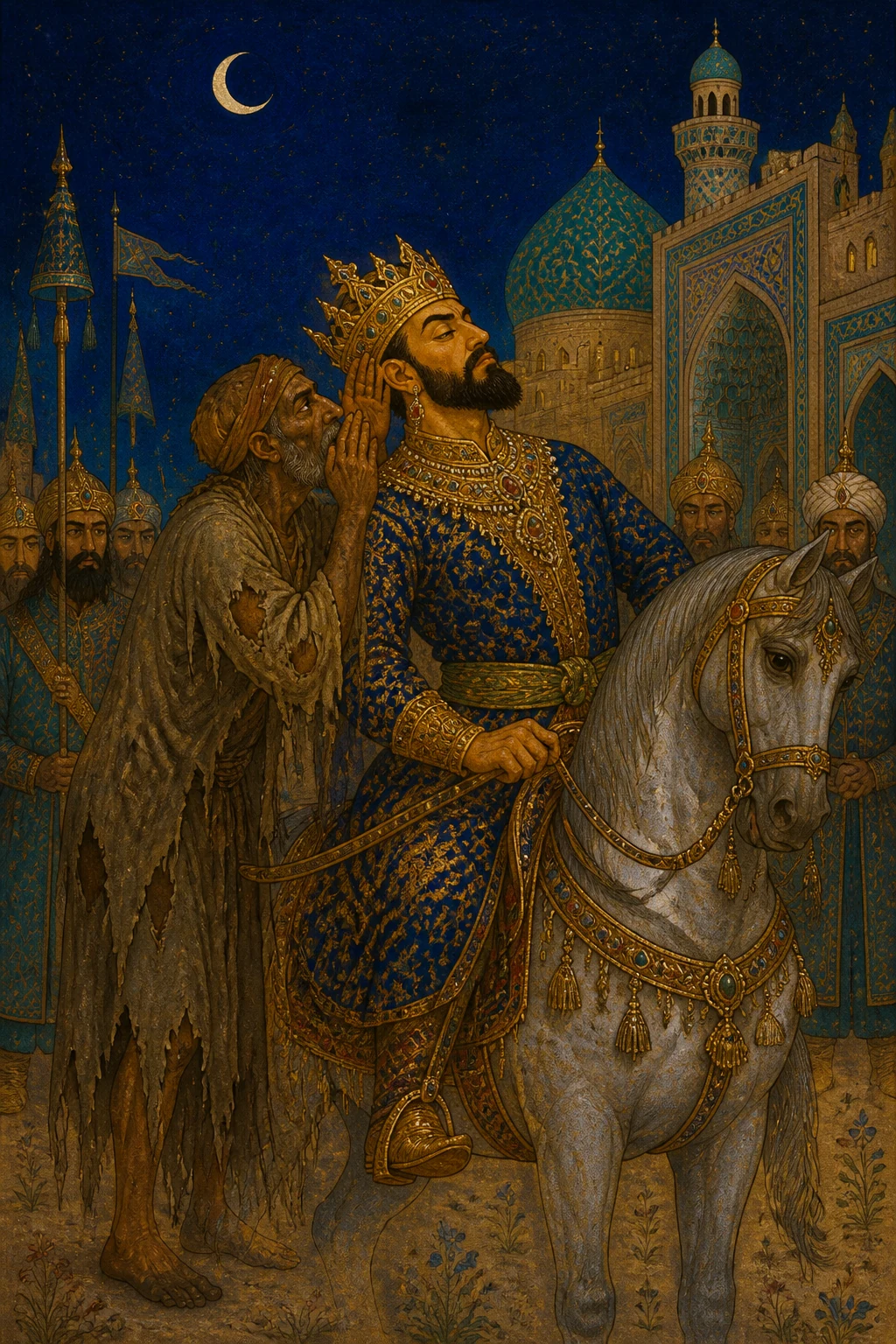
Meanwhile, Lima still knew nothing of the dreadful cataclysm in Callao when, sometime after eleven, a horseman galloped through a fallen stretch of the city wall, crossed the Rastro de San Jacinto and the Calle de San Juan de Dios, and, seeing the church of La Merced open, dashed inside and rode almost to the high altar, to the considerable alarm of the distressed congregation and the Mercedarian friars, who could conceive of no excuse for such a desecration.
Once the worshipers had restrained the fiery animal, the distraught rider slid to the ground and, falling to his knees before the superior, cried: “Confession! Confession! The sea is coming out!”
This terrible news spread through Lima with electric speed, and people began running toward San Cristóbal and the other nearby hills.
No pen could describe a scene of such boundless desolation. Viceroy Manso de Velazco proved equal to the grievous circumstances, and the monarch duly recognized his services by awarding him the title of Count of Superunda.
III Juan de Andueza, the libertine, changed his way of life completely and took the habit of a lay brother of La Merced, in whose convent he died in the odor of sanctity.