Waltey
Princ Bahram in kraljeva sužnja Aldatma
Tisoč in ena noč · arabska pripovedna tradicijaO besedilu
Princ Bahram in kraljeva sužnja Aldatma
- Vir
- Tisoč in ena noč
- Avtor
- arabska pripovedna tradicija
- Jezik branja
- English
- Jezik izvirnika
- Arabic
- Čas branja
- 9 min branja
- Obseg
- 7 strani
- Naslov izvirnika
- حكاية الأمير بهرام وجارية الملك الدتما - الليالي ٥٩٧ إلى ٥٩٨
O izvirniku
Tisoč in ena noč
Zgodbe v zgodbah, polne trgovcev, dvorov, preoblek in nočnih zapletov. Bralni jezik je English, izvirnik pa prihaja iz vira Tisoč in ena noč v jeziku Arabic.
Besedilo
Princ Bahram in kraljeva sužnja Aldatma
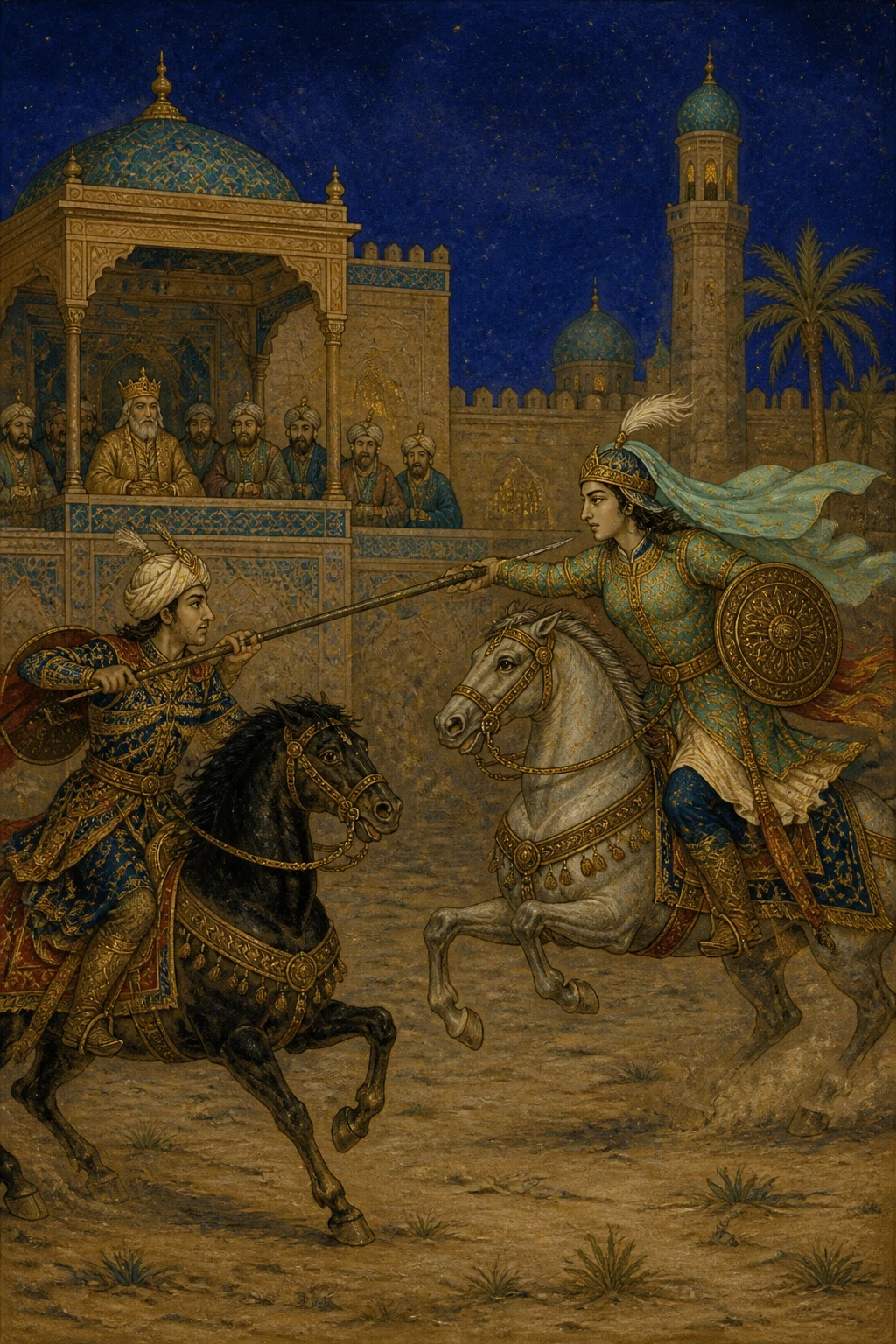
I have also heard a tale of the wiles of men and women more astonishing than all these.” The king said to her, “Tell me what you have.” She said, “Know, O King, that there was a princess who had no equal in her time for beauty and loveliness, grace and symmetry, splendor and charm, or power to steal men’s wits. She used to say, ‘There is none to equal me in my time.’ All the sons of kings sought her hand, but she would consent to marry none of them. Her name was al-Datma, and she would say, ‘No man shall marry me unless he overcomes me in the lists, with sword and spear. If he defeats me, I shall marry him with a willing heart; but if I defeat him, I shall take his horse, his weapons, and his clothes, and write upon his forehead: “This man is the freed slave of al-Datma.”’ Princes came to her from far and near, but she vanquished and disgraced them, took their weapons, and branded them with a hot iron. Now a prince named Bahram, the son of one of the kings of Persia, heard of her and set out from a distant land to seek her, taking with him wealth, horses, men, and treasures fit for kings. When he arrived, he sent her father a magnificent gift, and the king welcomed him and treated him with the utmost honor. Then the prince sent his ministers to tell the king that he wished to ask for his daughter’s hand. Her father sent for him and said, ‘My son, as for my daughter al-Datma, I have no authority over her, for she has sworn to marry no one unless he overcomes her in the lists.’ The prince replied, ‘It was on those very terms that I left my city.’ The king said, ‘Tomorrow you shall meet her.’
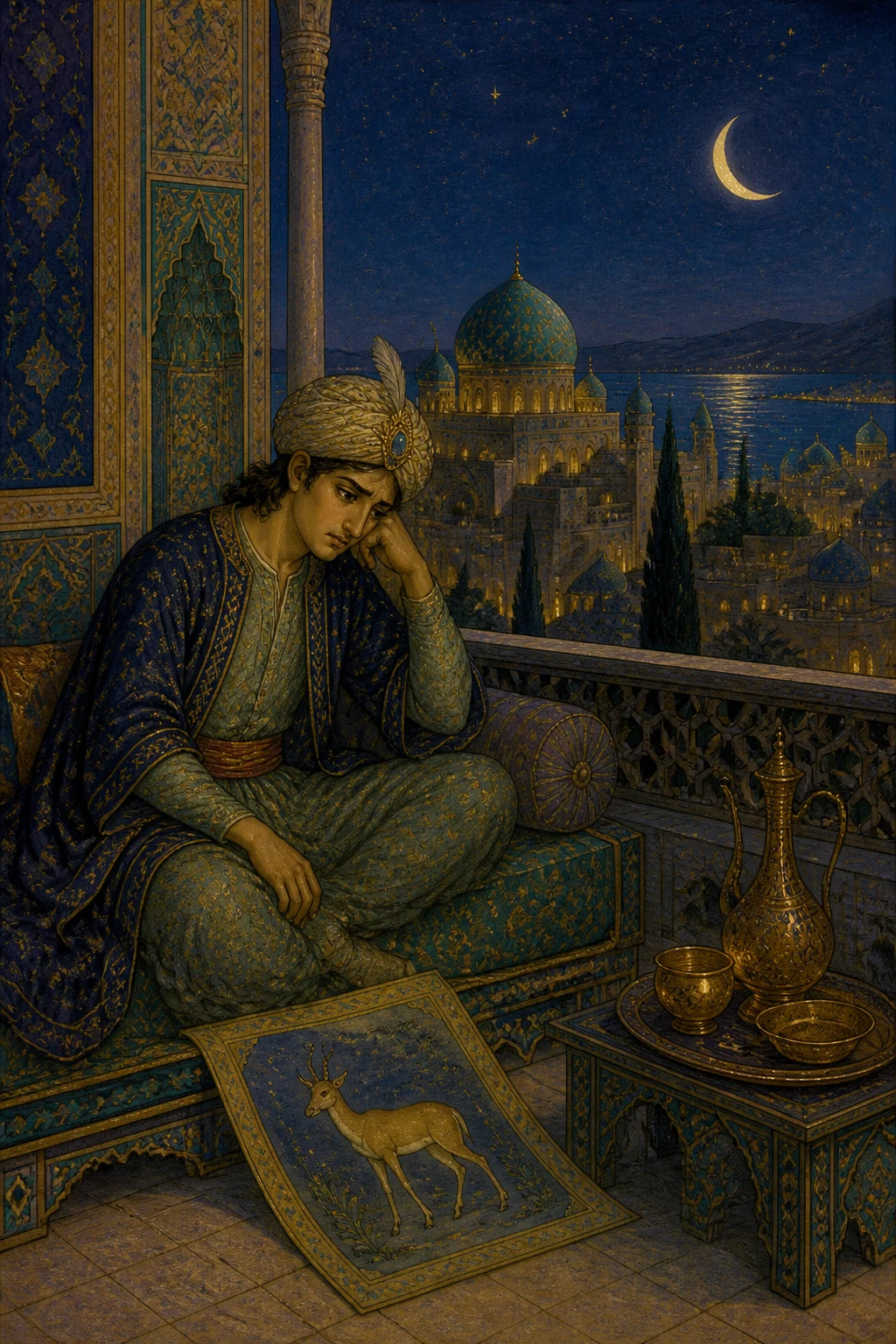
“When the next day came, her father sent to ask her consent. On hearing the news, she made ready for battle, put on her armor, and rode out to the lists. The prince went out to meet her, resolved to fight her. Word spread among the people, who flocked from every quarter to watch that day. Al-Datma appeared fully armed, with her sword belted about her and her face veiled, while the prince rode forth against her in splendid array, bearing the finest weapons and armor. They charged at one another, wheeling and fighting for a long while. She saw in him such courage and horsemanship as she had never seen in anyone else, and feared that he would shame her before the spectators. Knowing that he would surely defeat her, she resolved to trick him and devised a stratagem: she uncovered her face, and behold, it shone like the full moon. When the prince saw her, he was so dazzled that his strength failed and his resolve deserted him. Seeing this, she charged and plucked him from his saddle. He was in her grasp like a sparrow in an eagle’s talons, so entranced by her beauty that he knew nothing of what was being done to him. She took his horse, his weapons, and his clothes, branded him with a hot iron, and let him go. When he recovered from his stupor, he spent days unable to eat, drink, or sleep for humiliation, while love for the maiden took firm root in his heart. He sent his slaves back to his father with a letter saying that he could not return home until he had won his desire or died in the attempt. When the letter reached his father, he grieved for his son and wished to send armies and troops to him, but his ministers restrained him and counseled patience.
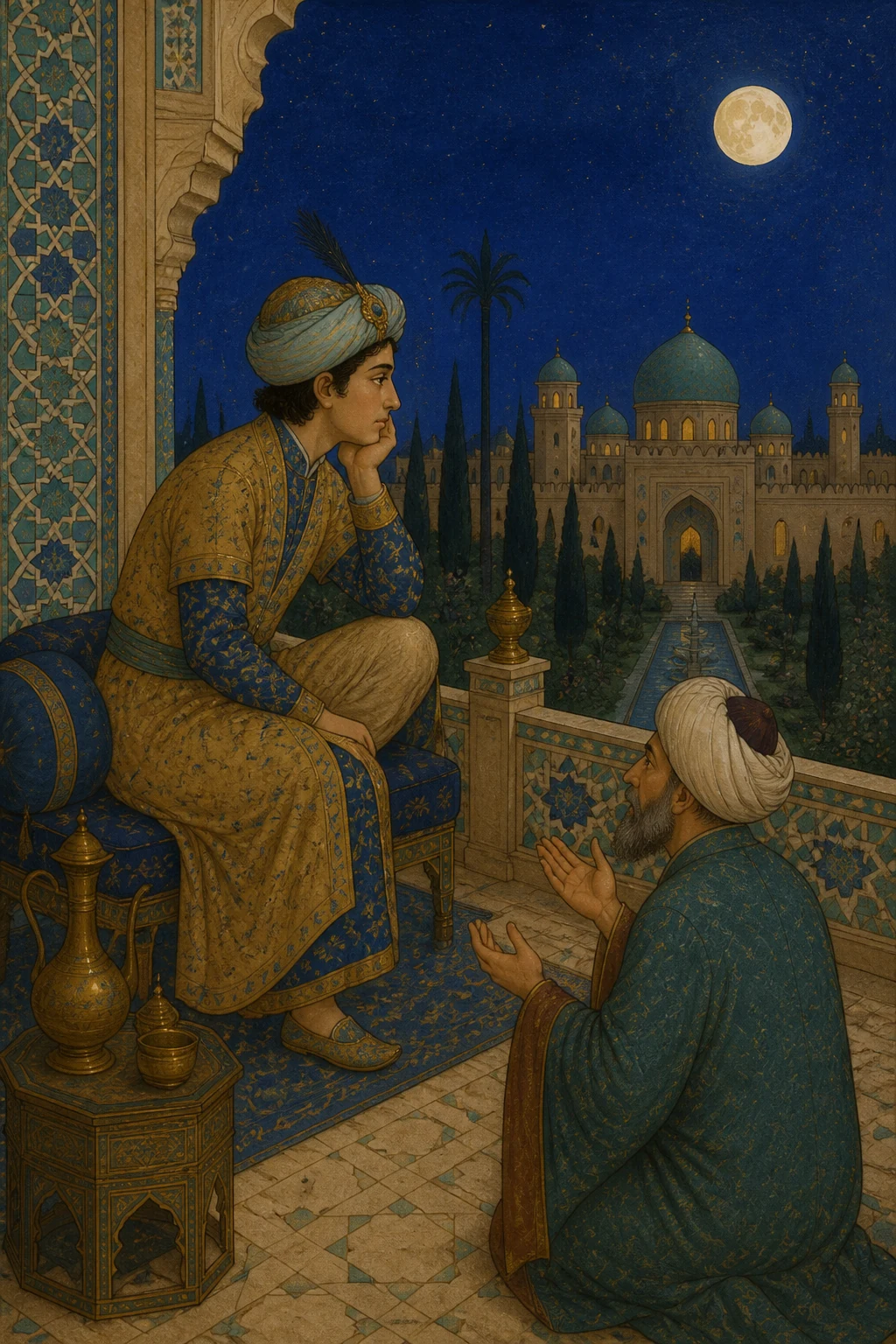
“Then the prince resorted to guile to gain his end. He disguised himself as a decrepit old man and went to the princess’s garden, which she visited most days. There he met the head gardener and said, ‘I am a stranger from a distant land. In my youth I was a gardener, and even now no one can equal my skill in tilling the soil and tending plants and fragrant flowers.’ The gardener was delighted to hear this, brought him into the garden, and commended him to the others there. So the prince set to work tending the trees and seeing to everything their fruit required. One day, while he was thus occupied, slaves entered the garden with mules laden with carpets, cushions, and vessels. He asked what this meant, and they told him, ‘The princess wishes to come and enjoy the garden.’ He went and fetched the jewels and robes he had brought from his own country, carried them into the garden, and sat down with some of these treasures laid out before him, trembling and pretending that it was from old age.” But morning overtook Shahrazad, and she ceased her permitted tale.
When it was the five hundred and ninety-eighth night
She said, “It has reached me, O fortunate King, that when the Persian prince had disguised himself as an old man and seated himself in the garden, he laid the jewels and robes before him and pretended to tremble with age, infirmity, and weakness. An hour later, the maids and servants arrived, with the princess in their midst like the moon among the stars. They wandered about the garden, gathering fruit and taking their pleasure, until they saw a man seated beneath a tree. They approached him—it was the prince—and found a very old man whose hands and feet were shaking, with jewels and royal treasures spread before him. Astonished at the sight, they asked him what he intended to do with these jewels. He replied, ‘I wish to marry one of you with them.’ They laughed at him and said, ‘And if you marry her, what will you do with her?’ He answered, ‘I would kiss her once and divorce her.’ The princess said, ‘Then I marry you to this maid.’ He rose and approached the girl, leaning on a stick, trembling and stumbling. He kissed her and gave her the jewels and robes. The maid rejoiced, and they all laughed at him before returning to their quarters.
“On the second day they entered the garden and came over to him. They found him sitting in the same place, with even more jewels and robes before him than the day before. They sat down beside him and said, ‘Old man, what will you do with these jewels?’ He replied, ‘Marry one of you with them, as I did yesterday.’ The princess said, ‘Then I marry you to this maid.’ He rose, kissed her, and gave her the jewels and robes, and they returned to their quarters. When the princess saw the jewels and robes he had given the maids, she said to herself, ‘I had a better right to those, and there would be no harm in it for me.’ The next morning she left her quarters alone, disguised as one of the maids, and slipped unseen through the grounds until she reached the old man. Standing before him, she said, ‘Old man, I am the princess. Would you like to marry me?’ He replied, ‘Most gladly, and with all honor.’ He brought out jewels and robes of greater worth and higher price than the others, gave them to her, and rose to kiss her, while she stood there at ease, suspecting nothing. But when he reached her, he seized her tightly, threw her to the ground, and took her virginity. Then he said, ‘Do you not know me?’ She asked, ‘Who are you?’ He replied, ‘I am Bahram, son of the king of Persia. For your sake I have changed my appearance and exiled myself from my family and my kingdom.’ She rose from beneath him in silence, neither answering nor speaking to him because of what had befallen her. She said to herself, ‘If I kill him, what good will his death do?’ Then she considered her plight and thought, ‘There is nothing for me now but to flee with him to his own country.’ So she gathered her wealth and treasures and sent him word of her decision, telling him to make his own preparations and collect his possessions. They agreed upon a night for their departure, mounted swift horses, and rode away under cover of darkness. By morning they had crossed a great stretch of country, and they continued on their way until they reached Persia and drew near his father’s city. When his father heard the news, he came out to meet him with his soldiers and troops, rejoicing beyond measure. A few days later, he sent a magnificent gift to al-Datma’s father, together with a letter informing him that his daughter was with them and asking him to send her bridal trousseau. When the gifts reached her father, he accepted them and treated their bearers with the utmost honor, overjoyed at the news. He held feasts, summoned the judge and witnesses, and had her marriage contract with the prince drawn up. He bestowed robes of honor upon the messengers who had brought the Persian prince’s letter and sent his daughter her trousseau. Thereafter the Persian prince lived with her until death parted them. See, then, O King, the wiles of men and women! As for me, I shall not relinquish my right until I die.” The king ordered his son to be put to death. Then the seventh vizier entered, kissed the ground before him, and said, “O King, grant me a little time to offer you this counsel: he who is patient and deliberate attains his hopes and gains his desires, but he who acts in haste earns regret. You have seen the shameless lengths to which this slave girl has gone to drive the king into peril. This servant, whom you have showered with favor and kindness, is your faithful counselor. O King, I know more of women’s wiles than any other man, and among the tales that have reached me is that of the old woman and the merchant’s son.” The king said, “And how was that, O Vizier?”
Izvirnik
حكاية الأمير بهرام وجارية الملك الدتما - الليالي ٥٩٧ إلى ٥٩٨
Naslednje strani prikazujejo izvirno besedilo za primerjavo.
فلما كانت الليلة ٥٩٧
وبلغني أيضًا من كيد الرجال والنساء حكاية أعجب من هؤلاء كلهم. فقال لها الملك: هاتِ ما معك. فقالت: اعلم أيها الملك أن جارية من جواري الملك ليس لها نظير في زمانها في الحُسْن والجمال، والقَدِّ والاعتدال، والبهاء والدلال، والأخذ بعقول الرجال، وكانت تقول: ليس لي نظير في زماني. وكان جميع أولاد الملوك يخطبونها فلم ترضَ أن تأخذ واحدًا منهم، وكان اسمها الدتما. وكانت تقول: لا يتزوجني إلا مَن يقهرني في حومة الميدان والضرب والطعان، فإن غلبني أحد تزوَّجْتُه بطيب قلبي، وإن غلبتُه أخذت فرسه وسلاحه وثيابه، وكتبت على جبهته: هذا عتيق فلانة. وكان أبناء الملوك يأتون إليها من كل مكان بعيد وقريب، وهي تغلبهم وتعيبهم، وتأخذ أسلحتهم وتسمهم بالنار؛ فسمع بها ابن ملك من ملوك العجم يقال له بهرام، فقصدها من مسافة بعيدة، واستصحب معه مالًا وخيلًا ورجالًا، وذخائرَ من ذخائر الملوك حتى وصل إليها، فلما حضر عندها أرسل إلى والدها هدية سنية، فأقبل عليه الملك وأكرمه غاية الإكرام. ثم إنه أرسل إليه مع وزرائه أنه يريد أن يخطب بنته، فأرسل إليه والدها وقال له: يا ولدي، أما ابنتي الدتما فليس لي عليها حكم؛ لأنها أقسمَتْ على نفسها أنها لا تتزوج إلا مَن يقهرها في حومة الميدان. فقال له ابن الملك: وأنا ما سافرت من مدينتي إلا على هذا الشرط. فقال له الملك: في غدٍ تلتقي معها.
فلما جاء الغد أرسل والدها إليها واستأذنها، فلما سمعت تأهَّبَتْ للحرب ولبست آلة حربها، وخرجت إلى الميدان فخرج ابن الملك إلى لقائها وعزم على حربها، فتسامعت الناس بذلك، فأتت من كل مكان، فحضروا في ذلك اليوم، وخرجت الدتما وقد لبست وتمنطقت وتنقبت، فبرز لها ابن الملك وهو في أحسن حالةٍ وأتقن آلةٍ من آلات الحرب، وأكمل عدة، فحمل كلُّ واحد منهما على الآخر، ثم تجاولا طويلًا واعتركا مليًّا، فنظرت منه من الشجاعة والفروسية ما لم تنظره من غيره، فخافت على نفسها أن يخجلها بين الحاضرين، وعلمت أنه لا محالةَ غالبها، فأرادت مكيدته وعملت له الحيلة، فكشفت عن وجهها، وإذا هو ضوء من البدر؛ فلما نظر إليها ابن الملك اندهش فيه وضعفت قوته وبطلت عزيمته، فلما نظرت ذلك منه حملت عليه واقتلعته من سرجه، وصار في يدها مثل العصفور في مخلب العقاب، وهو ذاهل في صورتها لا يدري ما يُفعَل به، فأخذت جواده وسلاحه وثيابه، ووسمته بالنار، وأطلقت سبيله. فلما أفاق من غشيته مكث أيامًا لا يأكل ولا يشرب ولا ينام من القهر، وتمكَّنَ حب الجارية في قلبه، فصرف عبيده إلى والده، وكتب له كتابًا أنه لا يقدر أن يرجع إلى بلده حتى يظفر بحاجته أو يموت دونها. فلما وصلت المكاتبة إلى والده حزن عليه، وأراد أن يبعث إليه بالجيوش والعساكر، فمنعه الوزراء من ذلك وصبَّروه.
ثم إن ابن الملك استعمل في حصول غرضه الحيلة، فجعل نفسه شيخًا هَرِمًا، وقصد بستان بنت الملك؛ لأنها كانت أكثرَ أيامها تدخل فيه، فاجتمع ابن الملك بالخولي وقال له: إنني رجل غريب من بلاد بعيدة، وكنت مدة شبابي خولي وإلى الآن أُحسِنُ الفلاحة وحفظ النبات والمشموم ولا يُحسِنه أحد غيري. فلما سمعه الخولي فرح به غاية الفرح، فأدخله البستان ووصى عليه جماعة، فأخذ في الخدمة وتربية الأشجار، والنظر في مصالح أثمارها، فبينما هو كذلك يومًا من الأيام وإذا بالعبيد قد دخلوا البستان ومعهم البغال عليها الفرش والأواني، فسأل عن ذلك فقالوا له: إن بنت الملك تريد أن تتفرج على ذلك البستان. فمضى وأخذ الحلي والحلل التي كانت معه من بلاده وجاء بها إلى البستان، وقعد فيه، ووضع قدامه شيئًا من تلك الذخائر، وصار يرتعش ويُظهِر أن ذلك من الهِرَم. وأدرك شهرزاد الصباح فسكتَتْ عن الكلام المباح.
فلما كانت الليلة ٥٩٨
قالت: بلغني أيها الملك السعيد، أن ابن ملك العجم لما جعل نفسه شيخًا كبيرًا وقعد في البستان، حط بين يديه الحلي والحلل، وأظهر أنه يرتعش من الكبر والهِرَم والضَّعْف، فلما كان بعد ساعة حضر الجواري والخدم ومعهن ابنة الملك في وسطهن كأنها القمر بين النجوم، فأقبلن وجعلن يدرن في البستان، ويقطفن الأثمار ويتفرجن، فرأين رجلًا قاعدًا تحت شجرة من الأشجار، فقصدنه وهو ابن الملك، ونظرْنَه وإذا به شيخ كبير يرتعش بيديه ورجليه، وبين يديه حلي وذخائر من ذخائر الملوك، فلما نظرنه تعجبن من أمره، فسألنه عن هذا الحلي ما يصنع به، فقال لهن: هذا الحلي أريد أن أتزوج به واحدة منكن. فتضاحكن عليه وقلن له: إذا تزوجتَ فما تصنع بها؟ فقال: كنت أقبلها قبلة واحدة وأطلقها. فقالت له ابنة الملك: قد زوَّجْتُك بهذه الجارية. فقام إليها وهو يتوكأ على عصًا ويرتعش ويتعثر، فقبَّلَها ودفع لها ذلك الحلي والحلل، ففرحت الجارية وتضاحكن عليه، ثم ذهبن إلى منازلهن.
فلما كان في اليوم الثاني دخلن البستان وجئن نحوه، فوجدنه جالسًا في موضعه وبين يديه حلي وحلل أكثر من الأول، فقعدن عنده وقلن له: أيها الشيخ ما تصنع بهذا الحلي؟ فقال: أتزوج به واحدة منكن مثل البارحة. فقالت له ابنة الملك: قد زوَّجْتُك هذه الجارية. فقام إليها وقبَّلَها وأعطاها ذلك الحلي والحلل وذهبن إلى منزلهن، فلما رأت ابنة الملك الذي أعطاه للجواري من الحلي والحلل، قالت في نفسها: أنا كنت أحق بذلك، وما عليَّ بذلك من بأس. فلما أصبح الصباح خرجت من منزلها وحدها وهي في صورة جارية من الجواري، وأخفت نفسها إلى أن أتت عند الشيخ، فلما حضرت بين يديه قالت له: يا شيخ، أنا ابنة الملك هل تريد أن تتزوَّج بي؟ فقال لها: حبًّا وكرامةً. وأخرج لها من الحلي والحلل ما هو أعلى قدرًا وأغلى ثمنًا، ثم دفعه إليها وقام ليقبِّلها وهي آمنة مطمئنة، فلما وصل إليها قبض عليها بشدة وضرب بها الأرض وأزال بكارتها، وقال لها: أَمَا تعرفينني؟ فقالت له: مَن أنت؟ فقال لها: أنا بهرام ابن ملك العجم، قد غيَّرْتُ صورتي وتغرَّبْتُ عن أهلي ومملكتي من أجلك. فقامت من تحته وهي ساكتة لا تردُّ عليه جوابًا، ولا تبدي له خطابًا مما أصابها، وقالت في نفسها: إنْ قتلته فما يفيد قتله. ثم تفكَّرَتْ في نفسها وقالت: ما يسعني في ذلك إلا أن أهرب معه إلى بلاده. فجمعت مالها وذخائرها وأرسلت إليه وأعلمته بذلك لأجل أن يتجهَّز أيضًا ويجمع ماله، وتعاهدا على ليلة يسافران فيها، ثم ركبا الخيل الجياد وسارا تحت الليل، فما أصبح الصباح حتى قطعا بلادًا بعيدة، ولم يزالا سائرين حتى وصلا إلى بلاد العجم، قرب مدينة أبيه، فلما سمع والده تلقاه بالعساكر والجنود، وفرح غاية الفرح، ثم بعد أيام قلائل أرسل إلى والد الدتما هدية سنية، وكتب له كتابًا يخبره فيه أن ابنته عنده ويطلب جهازها، فلما وصلت الهدايا إليه تلقاها وأكرم من حضر بها غاية الإكرام، وفرح بذلك فرحًا شديدًا، ثم أولم الولائم، وأحضر القاضي والشهود، وكتب كتابها على ابن الملك، وخلع على الرسل الذين حضروا بالكتاب من عند ابن ملك العجم، وأرسل إلى ابنته جهازها، ثم أقام معها ابن ملك العجم حتى فرَّقَ الموت بينهما. فانظر أيها الملك كيدَ الرجال والنساء، وأنا لن أرجع عن حقي إلى أن أموت. فأمر الملك بقتل ولده، فدخل عليه الوزير السابع، فلما حضر بين يديه قبَّلَ الأرض وقال: أيها الملك، أملهني حتى أقول لك هذه النصيحة، فإن مَن صبر وتأنَّى أدرك الأمل ونال ما تمنَّى، ومَن استعجل يحصل له الندم، وقد رأيتَ ما تعهرته هذه الجارية من حمل الملك على ركوب الأهوال، والمملوك المغمور من فضلك وإنعامك ناصح لك، وأنا أيها الملك أعرف من كيد النساء ما لا يعرفه أحد غيري، وقد بلغني من ذلك حديث العجوز وولد التاجر. فقال له الملك: وكيف كان ذلك يا وزير؟
Nadaljuj z branjem