Prevod
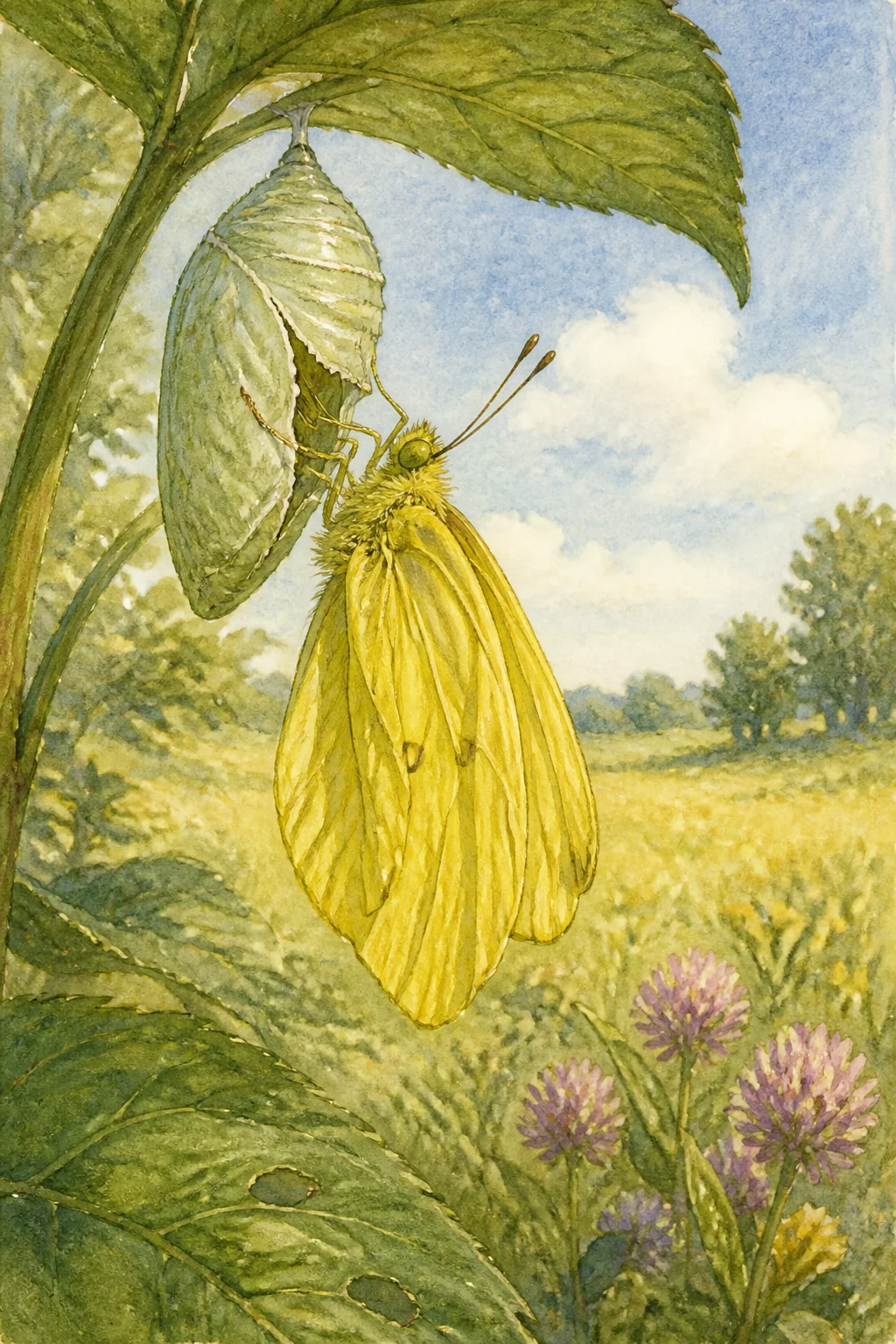
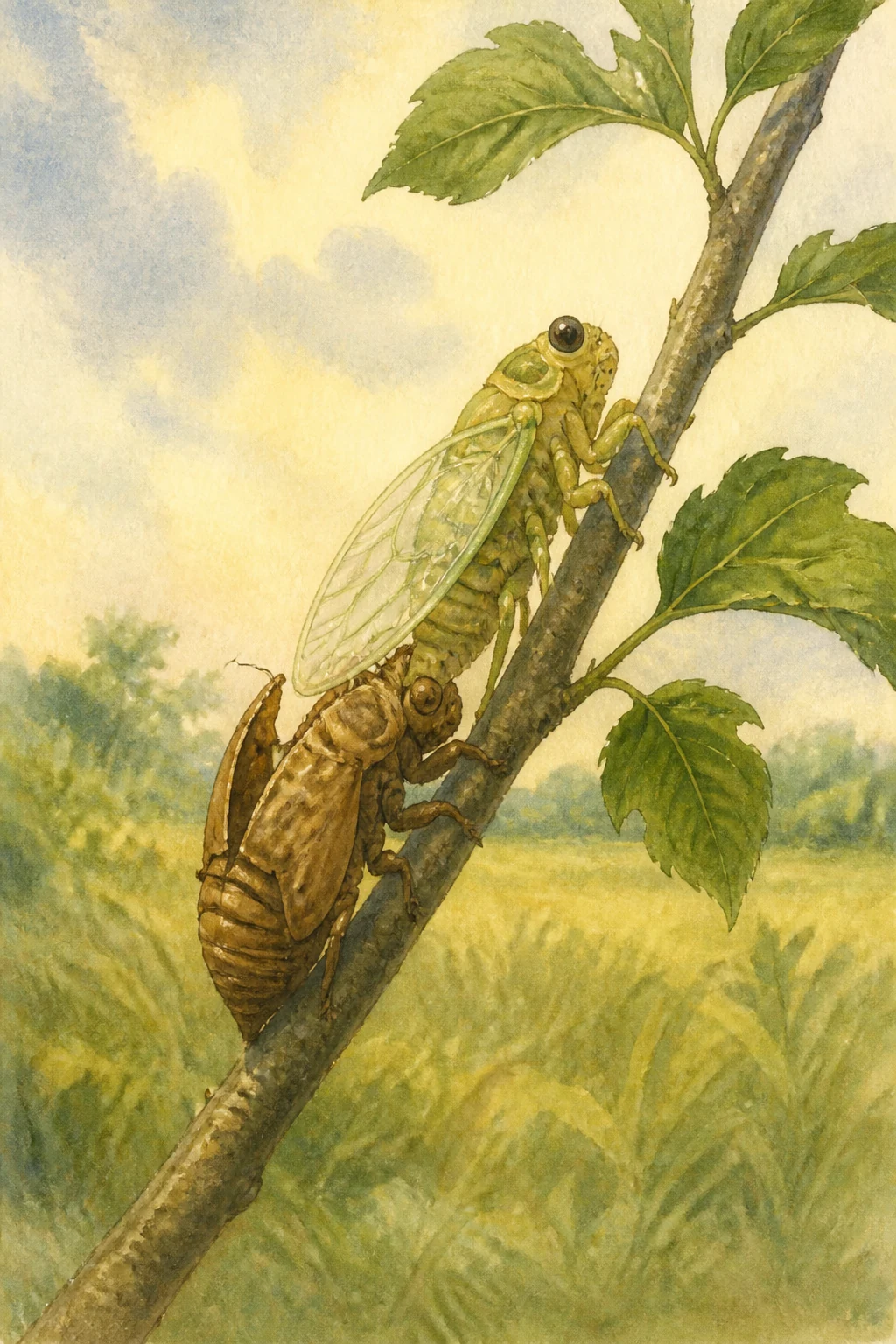
Heaven has five vital energies, through which all things take form. When the energy of wood is pure, it produces benevolence; when that of fire is pure, ritual propriety; when that of metal is pure, righteousness; when that of water is pure, wisdom; when that of earth is pure, reflection. When all five are wholly pure, the virtues of a sage are complete. When the energy of wood is turbid, it produces weakness; when that of fire is turbid, licentiousness; when that of metal is turbid, violence; when that of water is turbid, greed; when that of earth is turbid, obstinacy. When all five are wholly turbid, they produce the lowest sort of people. The central lands have many sages because harmonious energies meet there; remote regions have many strange creatures because unusual energies give rise to them. Whatever receives a particular energy must have a corresponding form; whatever has a particular form must develop a corresponding nature. Thus grain-eaters are intelligent and cultured; grass-eaters are strong but dull; mulberry-eaters produce silk and become moths; flesh-eaters are courageous and fierce; earth-eaters are mindless yet ceaselessly active; those who feed on vital energy possess spiritual illumination and long life; those who eat nothing are deathless and divine. Broad-waisted creatures have no males, and narrow-waisted creatures have no females. Those without males couple externally; those without females rear their young externally. Insects that undergo three transformations conceive before mating; beasts that love both sexes serve as both male and female. Mistletoe depends on tall trees; dodder rests upon poria. Trees take root in earth, while duckweed grows upon water. Birds cleave the empty air in flight; beasts tread solid ground as they run. Insects shut themselves within the earth to hibernate; fish dwell submerged in the depths. Those rooted in Heaven incline upward; those rooted in earth incline downward; those rooted in the seasons incline to what lies beside them: each follows its own kind. A pheasant a thousand years old enters the sea and becomes a giant clam; a sparrow a hundred years old enters the sea and becomes a clam. Turtles and soft-shelled turtles a thousand years old can speak with human beings; a fox a thousand years old rises up as a beautiful woman; a snake a thousand years old, though severed, joins together again; a rat a hundred years old can read omens and divine fortunes. These are the effects of reaching the full measure of their years. On the day of the spring equinox, hawks turn into doves; on the day of the autumn equinox, doves turn into hawks. These are transformations wrought by the seasons. Thus decaying grass becomes fireflies, rotten reeds become crickets, rice undergoes its transformation, and wheat becomes butterflies. Wings emerge, eyes take shape, and awareness comes into being. Here the insensible becomes sentient through a change in vital energy. When sparrows become water deer and crickets become shrimp, their blood and vital energy remain, but their form and nature change. Instances of this kind are too numerous to recount. To move in response to change is to follow the constant order; when the proper course is confounded, monstrous portents arise. Thus, when lower parts grow above and upper parts grow below, vital energy has been reversed. When humans give birth to beasts and beasts give birth to humans, vital energy has fallen into disorder. When men turn into women and women into men, vital energy has shifted from one kind to another. In Lu, Niu Ai fell ill and, after seven days, turned into a tiger. His body changed its form, and claws and fangs thrust forth. His elder brother opened the door and entered; the tiger sprang upon him and devoured him. While Niu Ai was a man, he did not know that he would become a tiger; once he was a tiger, he did not know that he had once been a man. Again, during the Taikang era of the Jin dynasty, Ruan Shiyu of Chenliu was bitten by a viper. Unable to bear the pain, he repeatedly sniffed his wound, and before long two vipers formed inside his nose. During the Yuankang era, Ji Yuanzai of Liyang ate turtle while dining as a guest. A mass subsequently formed in his belly. A physician attacked it with medicine, and he passed several sheng of young turtles, each the size of a small coin. Their heads, feet, and shells were complete, and even the markings on their shells were fully formed; only the medicine had killed them. Husband and wife are not themselves the vital energy of generation; the nose is no place for gestation, nor is the passage for food an organ for bringing forth creatures. From this we may see that, unless one’s understanding penetrates the workings of the spirits, even by searching within oneself, how could one know the source of the birth and death of all things, or of their transformations? Yet rotten grass becomes fireflies because it decays, and wheat becomes butterflies because it grows damp. Thus every transformation among the myriad things has its cause. Farmers prevent wheat from transforming by steeping it in ashes; sages govern the transformations of all things by bringing the Way to their aid. Is this so, or is it not?