Waltey
Pass Christian
183 Pass Christian
Myths and Legends of Our Own Land · Charles M. SkinnerO besedilu
Pass Christian
- Vir
- Myths and Legends of Our Own Land
- Avtor
- Charles M. Skinner
- Jezik branja
- Slovenščina
- Jezik izvirnika
- English
- Čas branja
- 4 min branja
- Obseg
- 3 strani
- Naslov izvirnika
- 183 Pass Christian
O izvirniku
Myths and Legends of Our Own Land
Obsežna zgodovinska zbirka ameriških legend, ki jih je Skinner zbral in avtorsko rekonstruiral. Bralni jezik je Slovenščina, izvirnik pa prihaja iz vira Myths and Legends of Our Own Land v jeziku English.
Besedilo
Pass Christian
Senhor Vineiro, Portugalec, ki se je v Južni Ameriki poročil s Španko Julio Regaleo, je zaradi svojega premoženja moral zapustiti Montevideo, saj se je pripravljala revolucija; zaradi svoje sreče pa je moral iz mesta odpeljati tudi ženo, kajti on je bil star, ona pa mlada. Toda za potovanje je izbral napačno ladjo, saj je bil tudi kapitan Dane z ladje Nightingale mlad, čeden in izobražen, vendar brez srca. Med plovbo v New Orleans si ni le pridobil ženine naklonjenosti, temveč je moža tudi umoril in njegovo truplo vrgel čez krov. Žena je zaman skušala zatreti prebujajočo se vest in prav tako zaman prigovarjala Danu, naj v njeni cerkvi poišče odvezo. Moža ni nikoli ljubila, Dana pa je vzljubila že ob prvem srečanju, vendar v srcu ni bila hudobna ženska in njenega miru je bilo konec. Kapitan je postal nemiren in sumničav. Mornarji so ga pogledovali izpod oči na način, ki mu ni bil všeč. Ga je ženska izdala s kakšno nepremišljeno pripombo? Ali bi lahko prikril svoj zločin kako drugače kakor s še večjim?
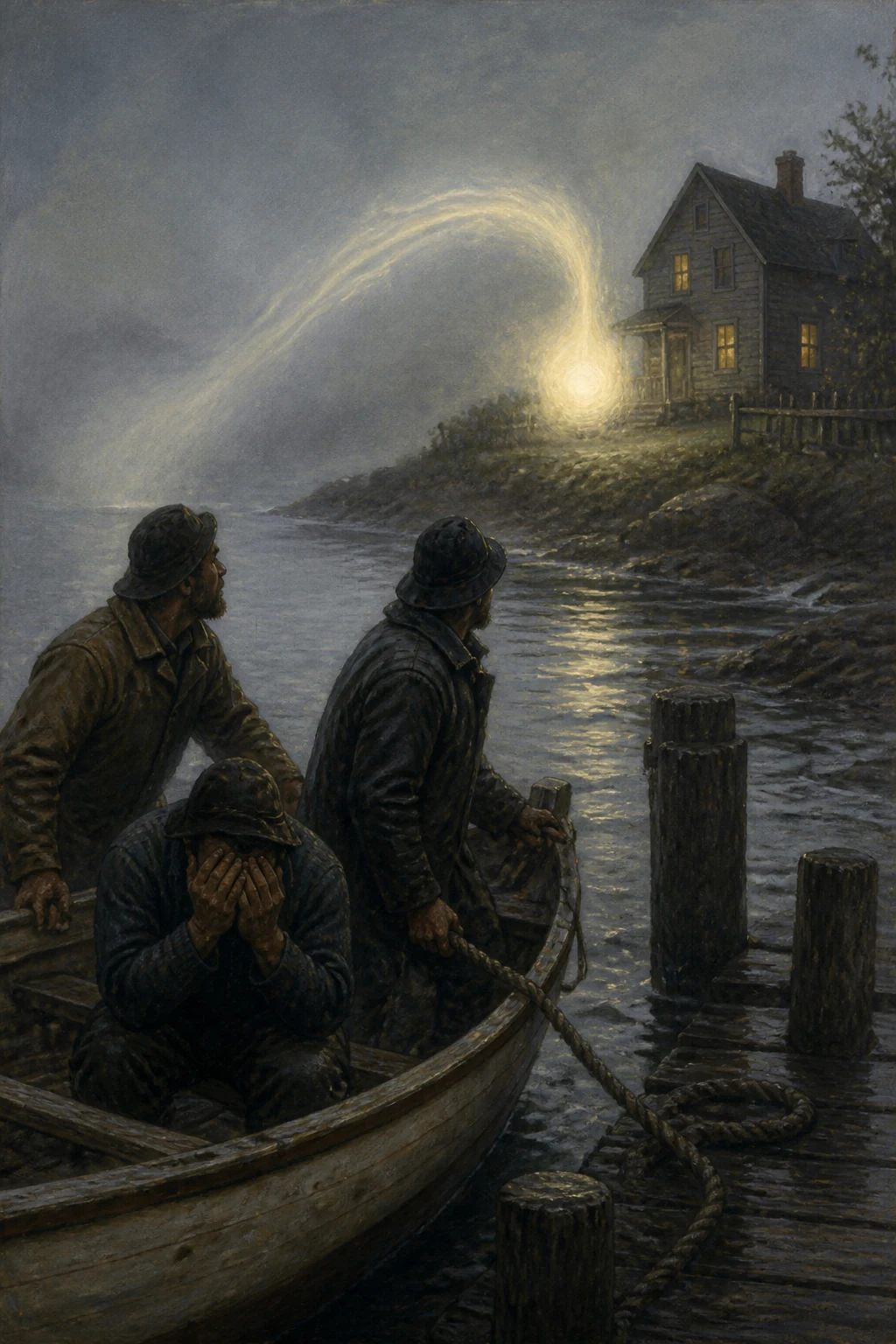
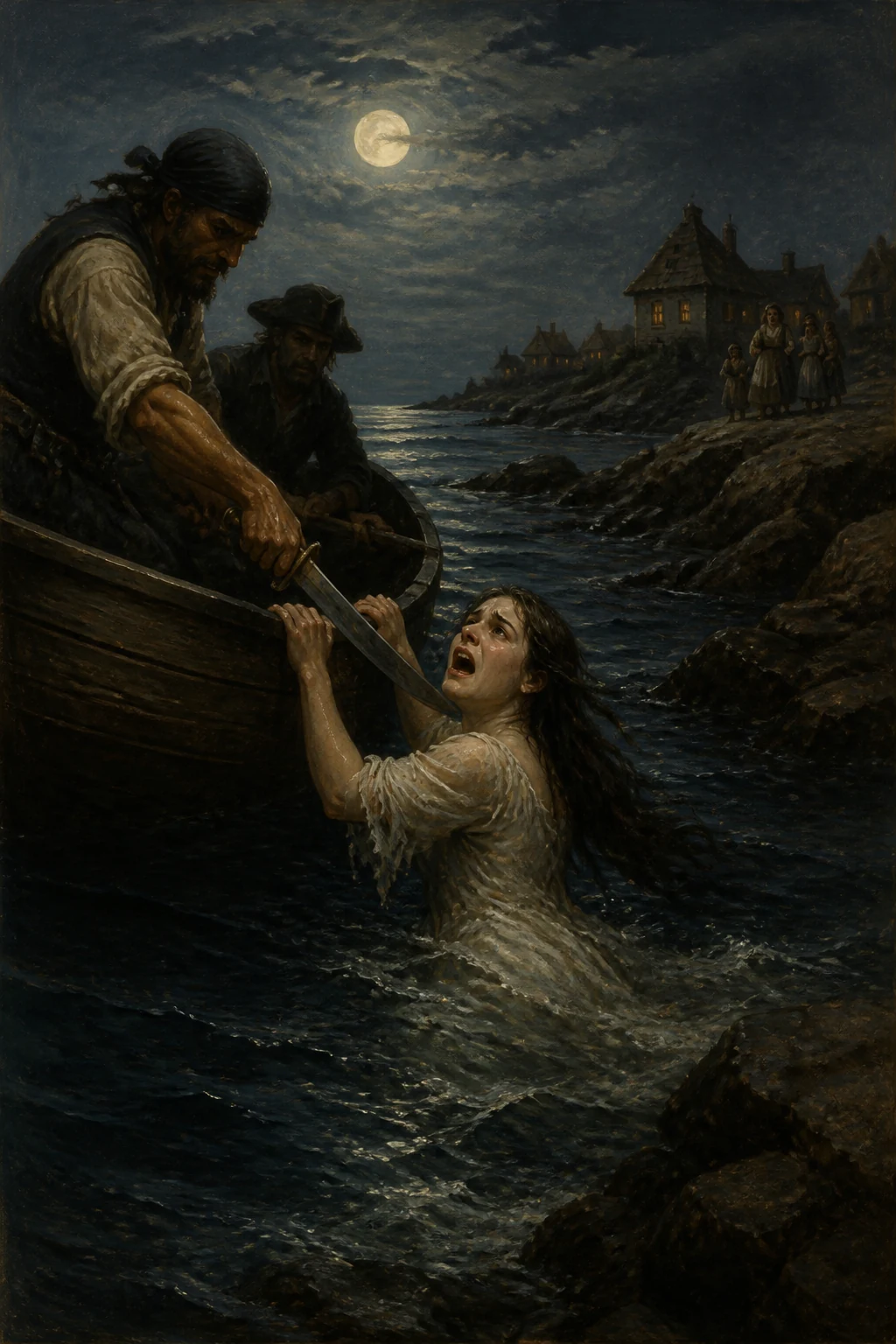
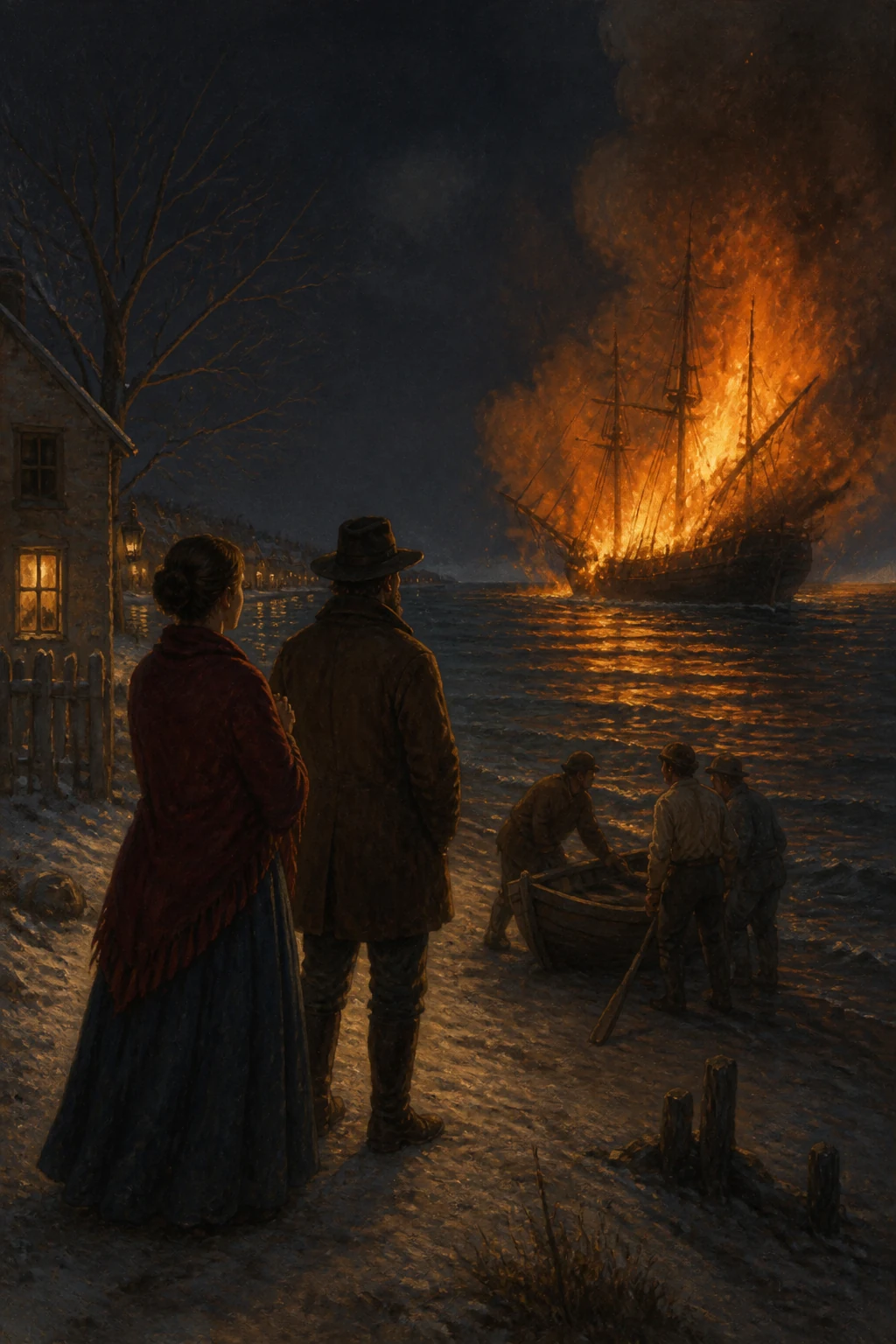
Pass Christian je bil takrat še vas. Neke zimske noči so njegovi prebivalci opazili žar na nebu in pohiteli pred vrata, od koder so zagledali ladjo, ki je gorela v zalivu. Ribiške barke in čolni na vesla so odrinili na pomoč, a komaj so se odpravili, je ladja izginila tako nenadoma, kakor da bi jo pogoltnilo morje. Ker je bila noč temna, so se čolni vrnili, naslednje jutro pa so na obali našli pet mož — vse, kar je ostalo od posadke ladje Nightingale. Prebivalci okoliša so kapitana Dana sprejeli tako gostoljubno in kraj mu je bil očitno tako všeč, da je sklenil ostati. Kupil je plantažo s prostorno staro hišo in vanjo naselil tudi druge preživele, v upanju, da bodo živeli lagodno življenje. Toda to jim ni bilo dano. Rumena mrzlica je pokosila vse razen Dana in eden izmed njih je na smrtni postelji v blodnjah pripovedoval temnopolti negovalki, da je Dane z ladje pobral ves zaklad in ga spravil v čoln, potem ko je posadki postregel s toliko groga, da so bili vsi pijani, razen tistih, ki jim je zaupal; da so on in njegovi štirje pajdaši zažgali ladjo in odveslali, nesrečno žensko pa prepustili strašni usodi. Senhora Vineiro je bila bleda, a mirna, ko je spoznala, kakšna smrt jo čaka. Iz kajute je prinesla harfo, ki je bila njej in možu v uteho, ter začela igrati in peti napev, ki se ga je nekaj poslušalcev še spominjalo. Bila je »Ave Maria« in zvenela je tako otožno, da je celo Dane nehal veslati; ko pa se je s čevljem dotaknil skrinjice zlata pri svojih nogah, je stisnil zobe in možem ukazal, naj veslajo naprej. Odjeknila je eksplozija in ladja je izginila. Ko so dosegli obalo, so zaklad zakopali ob vznožju velikega hrasta.
Negovalka je zgodbo pripovedovala naprej, a bila je neuka in ni imela dokazov, zato ji večina ni verjela; vendar se je odnos sosedov do Dana opazno spremenil in med vraževernimi temnopoltimi prebivalci se je govorilo, da se je prodal hudiču. Če se je res, ali je bil napev, ki mu je zvenel v ušesih, kadar je bil sam, iz pekla? — »Ave Maria« grešne, a skesane ženske. Hladnosti in sumničenj ni mogel več prenašati. Poleg tega, kdo bi vedel? Morda bi našli dokaze proti njemu. Izkopal bo svoj zaklad in pobegnil iz dežele. Minilo je leto dni od noči, ko je zažgal svojo ladjo. Po mraku je odšel ven, da ga ne bi nihče videl, se prikradel do drevesa in začel kopati. Kmalu se je zrak napolnil z rdečo svetlobo in ko je dvignil pogled, je zagledal gorečo ladjo, ki se je bližala čez morje. Ustavila se je in videl je može, ki so plezali v čoln ob njenem boku. Proti njemu so veslali s tako čudežno naglico, da se je zdelo, kakor da se morje ob njihovem približevanju kadi v modri svetlobi. Obstal je kot kamen, kajti zdaj je razločil obraze veslačev in vsak je bil obraz mrliča — mrliča, ki so ga pustili na tisti ladji in je zadnjih dvanajst mesecev ležal na morskem dnu. Poskakali so na obalo in planili nadenj. Naslednje jutro so pod hrastom našli Danovo truplo, z rokami, polnimi draguljev in zlata.
Izvirnik
183 Pass Christian
Naslednje strani prikazujejo izvirno besedilo za primerjavo.
Senhor Vineiro, a Portuguese, having wedded Julia Regalea, a Spaniard, in South America, found it needful to his fortunes to leave Montevideo, for a revolution was breeding, and no less needful to his happiness to take his wife with him from that city, for he was old and she was young. But he chose the wrong ship to sail on, for Captain Dane, of the Nightingale, was also young, presentable, and well schooled, but heartless. On the voyage to New Orleans he not only won the affection of the wife, but slew the husband and flung his body overboard. Vainly the wife tried to repress the risings of remorse, and vainly, too, she urged Dane to seek absolution from her church. She had never loved her husband, and she had loved Dane from the first, but she was not at heart a bad woman and her peace was gone. The captain was disturbed and suspicious. His sailors glanced at him out of the corners of their eyes in a way that he did not like. Had the woman in some unintentional remark betrayed him? Could he conceal his crime, save with a larger one?
Pass Christian was a village then. On a winter night its people saw a glare in the sky, and hurrying to their doors found a ship burning in the gulf. Smacks and row-boats put off to the rescue, but hardly were they under way ere the ship disappeared as suddenly as if the sea had swallowed it. As the night was thick the boats returned, but next morning five men were encountered on the shore-all that were left of the crew of the Nightingale. Captain Dane was so hospitably received by the people of the district, and seemed to take so great a liking for the place, that he resolved to live there. He bought a plantation with a roomy old house upon it and took his fellow-survivors there to live, as he hoped, an easy life. That was not to be. Yellow fever struck down all the men but Dane, and one of them, in dying, raved to his negro nurse that Dane had taken all the treasure from the ship and put it into a boat, after serving grog enough to intoxicate all save the trusted ones of the crew; that he and his four associates fired the ship and rowed away, leaving an unhappy woman to a horrible fate. Senhora Vineiro was pale but composed when she saw the manner of death she was to die. She brought from her cabin a harp which had been a solace of her husband and herself and began to play and sing an air that some of the listeners remembered. It was an “Ave Maria,” and the sound of it was so plaintive that even Dane stopped rowing; but he set his teeth when his shoe touched the box of gold at his feet and ordered the men to row on. There was an explosion and the vessel disappeared. On reaching shore the treasure was buried at the foot of a large oak.
This story was repeated by the nurse, but she was ignorant, she had no proofs, so it was not generally believed; yet there was a perceptible difference in the treatment of Dane by his neighbors, and among the superstitious negroes it was declared that he had sold himself to the devil. If he had, was it an air from hell that sounded in his ears when he was alone?--the “Ave Maria” of a sinning but repentant woman. The coldness and suspicion were more than he could stand. Besides, who could tell? Evidence might be found against him. He would dig up his treasure and fly the country. It was a year from the night when he had fired his ship. Going out after dark, that none might see him, he stole to the tree and began to dig. Presently a red light grew through the air, and looking up he saw a flaming vessel advancing over the sea. It stopped, and he could see men clambering into a boat at its side. They rowed toward him with such miraculous speed that the ocean seemed to steam with a blue light as they advanced. He stood like a stone, for now he could see the faces of the rowers, and every one was the face of a corpse--a corpse that had been left on board of that vessel and had been in the bottom of the sea for the last twelvemonth. They sprang on shore and rushed upon him. Next morning Dane's body was found beneath the oak with his hands filled with gems and gold.
Nadaljuj z branjem