Waltey
O dvorjanu Tošijukiju
Uji Shūi Monogatari · anonimna srednjeveška zbirkaO besedilu
O dvorjanu Tošijukiju
- Vir
- Uji Shūi Monogatari
- Avtor
- anonimna srednjeveška zbirka
- Jezik branja
- English
- Jezik izvirnika
- 日本語
- Čas branja
- 11 min branja
- Obseg
- 9 strani
- Naslov izvirnika
- 102 敏行朝臣事
O izvirniku
Uji Shūi Monogatari
Srednjeveške japonske pripovedi o menihih, duhovih, čudežih, prevarah in vsakdanjih presenečenjih. Bralni jezik je English, izvirnik pa prihaja iz vira Uji Shūi Monogatari v jeziku 日本語.
Besedilo
O dvorjanu Tošijukiju
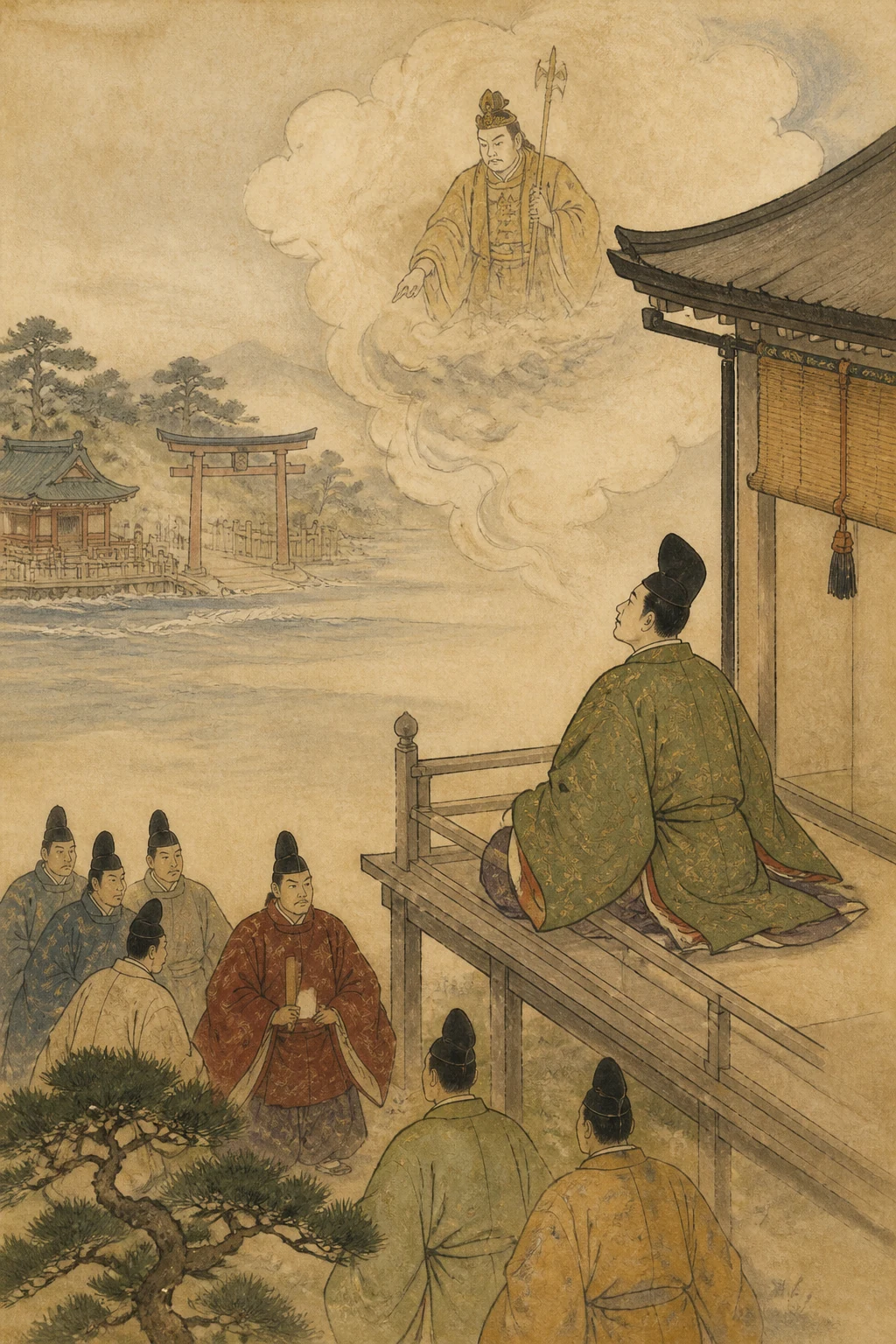
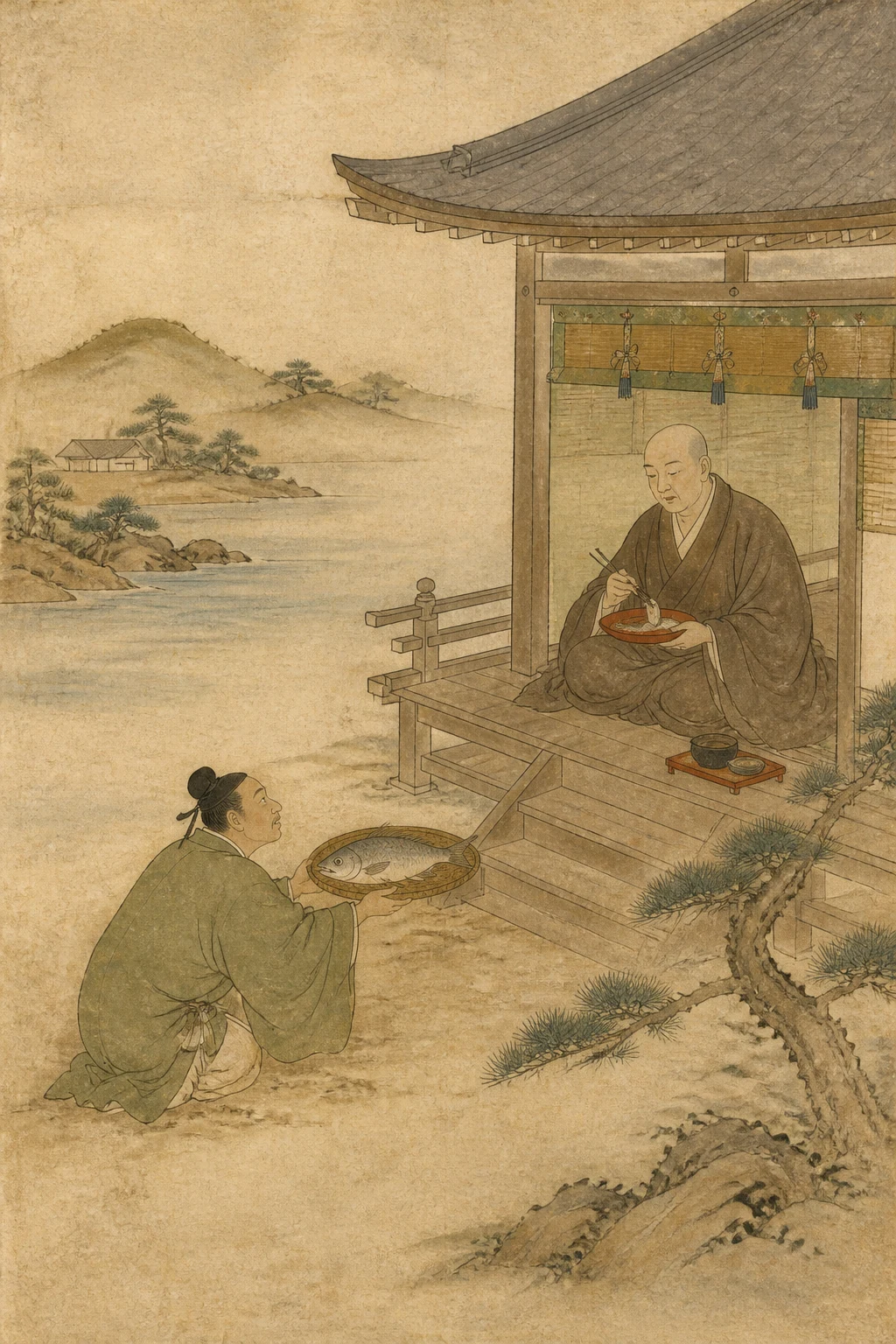
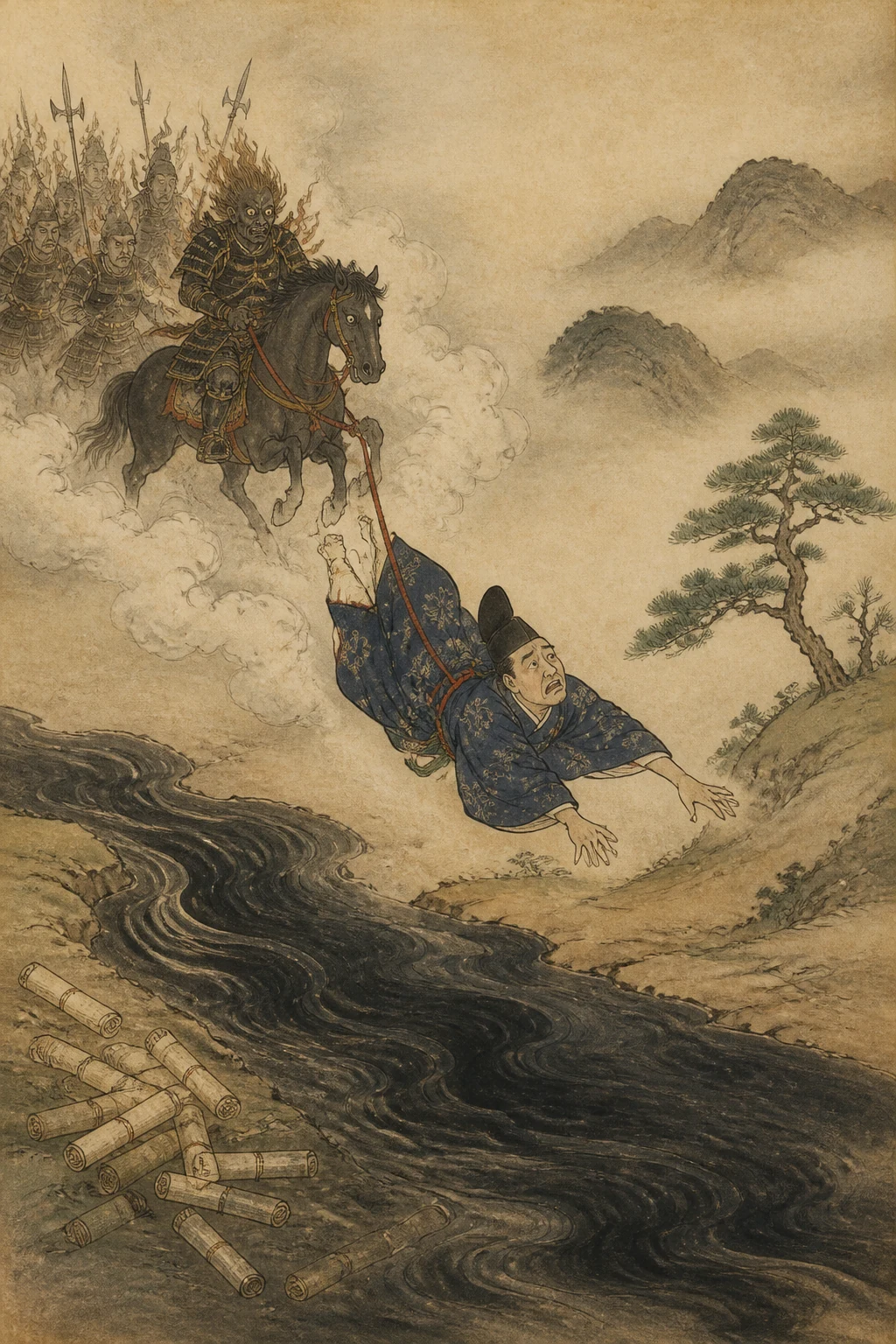
This, too, happened long ago. A poet named Toshiyuki was a fine calligrapher, and at the request of one person and another he had copied out some two hundred sets of the Lotus Sutra. Then, quite suddenly, he died. Before he had even realized that he was dying, he found himself bound and dragged away. “Even the authorities surely have no right to treat a man of my standing like this,” he thought. “What an incomprehensible outrage!” He asked the man who was taking him away, “What is the meaning of this? What offense have I committed, to be subjected to such treatment?” “I do not know,” the man replied. “I have merely been ordered to take you into custody and bring you here. Have you copied out the Lotus Sutra?” “Yes, I have copied it out on many occasions.” “And how many copies did you make for your own sake?” “None for my own sake, as such. People asked me to do it, and I believe I must have copied some two hundred sets.” “It seems complaints have been made about that, and there is to be an inquiry,” the man said, and went on without another word. As they proceeded, they encountered some two hundred warriors, so appalling that no human being could have faced them. To call them frightening would be far too mild: their eyes flashed like lightning, their mouths looked like blazing flames, and they wore armor and helmets and rode horses beyond description. At the sight, Toshiyuki’s wits deserted him, and he felt he would collapse where he stood, but he was dragged onward, scarcely knowing himself. The warriors went on ahead. Toshiyuki asked the man who held him, “Who are those warriors?” “Do you not know? They are the people who commissioned you to copy the sutra. Through its merit, they ought to have been born in heaven or reached the Pure Land; even if they were born again as human beings, they should have enjoyed fortunate lives. But while copying their sutras, you ate fish and had dealings with women, without purifying yourself at all. Your thoughts remained with your women even as you wrote. Because of this, the merit they hoped for came to nothing, and they have been reborn in these fierce and savage forms. They resent you and have lodged a complaint, asking that you be summoned and handed over to them so they may take their revenge. Your allotted time has not yet come, and by rights you should not have been summoned, but you have been brought here because of their grievance.” Hearing this, Toshiyuki felt as though his body were being cut apart, and his heart froze within him. He thought he would die of terror. “What are they proposing to do with me, that they should make such a demand?” he asked. “What a foolish question! With those swords and blades they carry, they mean first to cut your body into two hundred pieces, then take one piece apiece. Your consciousness will divide among the two hundred pieces, remaining in every one, and as each is tormented you will suffer agony and misery. There is no comparing it to anything: it will be utterly unbearable.” “Then how can I escape this?” “It is altogether beyond my power even to conceive of a way. Still less can there be any escape for you.” At this, Toshiyuki could scarcely feel the ground beneath his feet. They went farther and came to a great river. Its waters flowed black as richly ground ink. Marveling at their strange color, he asked, “What sort of water is this, that it is black as ink?” “Do you not know? This is the ink from the Lotus Sutras you copied, flowing here.” “But why should it be flowing as a river?” “Sutras copied in purity, with a sincere and devoted heart, are received just as they are into the royal palace. But sutras copied as yours were, with an impure heart and a defiled body, are cast out on a broad plain. The rain washes away their ink, and it flows like this in a river. This is the river of ink from the sutras you copied.” To say that Toshiyuki was more frightened than ever would hardly convey it. “Is there no way at all to save me from this?” he pleaded through his tears. “Tell me what I can do, and help me!” “I pity you, but if yours were an ordinary offense, I might contrive some means of rescue. This sin, however, is beyond anything I can conceive or express. What can I do?” Toshiyuki had no answer. As they went on, a terrifying being came running toward them and rebuked his escort for being slow to bring him. At this, the escort raised his voice in reply and hurried Toshiyuki onward. They reached a great gate, where countless people were gathering from every direction. Some were being dragged along like Toshiyuki; others wore cangues about their necks, or had their hands shackled and their bodies bound. All had undergone unbearable suffering. They crowded so thickly through the gate that there was no room left. Looking inside, Toshiyuki saw the warriors they had met earlier, glaring fiercely and licking their lips. They had spotted him and were pacing about as though impatient for him to be brought in. Now he could scarcely set foot on the ground. “What am I to do? What can I possibly do?” he asked. The man holding him whispered, “Make a vow to copy out the four-fascicle sutra.” Just as he was passing through the gate, Toshiyuki vowed to atone for his offense by copying and dedicating the four-fascicle sutra. He was then led inside and made to sit before the court. The official presiding over the proceedings asked, “Is that Toshiyuki?” “It is,” his escort replied. “The complaints have been pressing. Why have you been so long in bringing him?” “I brought him without delay as soon as I had taken him into custody.” “What did you do in the world of the living?” Toshiyuki was asked. “I did nothing in particular. At people’s request, I copied some two hundred sets of the Lotus Sutra.” On hearing this, the official said, “Some portion of your allotted lifespan still remains, but complaints have been lodged because you copied those sutras in a state of defilement, without purity, and for that reason you have been brought here in bonds. You are to be handed over at once to those who have complained, to be dealt with as they please.” The warriors looked delighted and were about to take possession of him when Toshiyuki, trembling all over, spoke up. “I have made a vow to copy and dedicate the four-fascicle sutra. I was summoned before I could fulfill it. As for this offense, I can only lament it; I have no defense to offer.” The presiding official was startled. “Can this be so? If it is true, it is a pitiable matter. Consult the register and see.” Another official took out a great document and began examining it. Everything Toshiyuki had ever done was recorded there, without a single omission. It contained only sinful deeds, not one act of merit. Since the vow had been made as he entered the gate, it had been recorded at the very end. The official had almost finished searching, and Toshiyuki thought all was lost, when the man reported, “There is indeed such an entry. It is written here at the end.” “Then this is a most pitiable case,” the presiding official declared. “He is to be granted leave on this occasion, and allowed to fulfill his vow. After that, we shall decide what is to be done.” At this decision, the warriors who had been glaring at him and licking their lips in anticipation of getting him into their hands vanished. “Take him safely back to the world of the living, and see that he fulfills his vow without fail,” came the order. Just as Toshiyuki realized that he was being released, he returned to life. His wife and children had been weeping over him for two days when he opened his eyes, feeling as though he had awakened from a dream. Delighted that he had come back to life, they tried to give him some hot water to drink. Only then did he understand: “So I really had died!” The charges brought against him, everything he had seen, the vow he had made, and the way its power had won his release—all remained as clear to him as though he were looking into a polished mirror. He longed to regain his strength, purify himself, and copy and dedicate the four-fascicle sutra with a pure heart. Little by little, as the days passed, he recovered his usual health. Eager to begin copying, he had a sutra-paper craftsman beat the paper smooth and rule it for him. Yet his heart was still as amorous as before, and he could not turn his thoughts to the sutras and the Buddha. He went to visit one woman, courted another, and thought of nothing but how to compose a fine poem. Amid all this he never found the time, and the months and years slipped idly away without his copying the sutra. At last, perhaps because he had reached the end of his allotted span, he died. A year or two later, he appeared in a dream to a poet named Ki no Tomonori. Tomonori encountered a being whom he took to be Toshiyuki, though its appearance was so appalling, so dreadful and hideous, that nothing could be compared with it. The being spoke of the things Toshiyuki had told him while alive. “Because I vowed to copy the four-fascicle sutra, my life was spared for a time and I was sent back. But in my foolishness I grew negligent once more and died without copying it. For that sin I now suffer torments beyond all comparison. If you feel any pity for me, the paper I prepared for it should still remain. Find that paper, and ask a certain monk at Miidera to copy and dedicate the sutra for me.” He gave the monk’s name, then raised his voice in a terrible cry and burst into tears. Tomonori awoke drenched in sweat. Hardly able to wait for daylight, he found the paper and went straight to Miidera, to the monk he had been told of in the dream. As soon as the monk saw him, he said, “How glad I am! I was just thinking of sending someone to you, or even coming myself to speak with you. How wonderful that you should have come!” Without first mentioning his own dream, Tomonori asked, “What is the matter?” “The late Lord Toshiyuki appeared to me in a dream last night,” the monk replied. “‘I was to have copied the four-fascicle sutra,’ he told me, ‘but through negligence I failed to copy and dedicate it. For that sin I am suffering boundless torments. The paper prepared for it should be in the keeping of the gentleman you know. Obtain it from him, and copy and dedicate the four-fascicle sutra. Ask him about the circumstances.’ Then I saw him raise his voice and weep and cry aloud.” Hearing this, Tomonori was overcome with pity. The two men sat facing one another and wept bitterly. “I too had such a dream,” Tomonori said, telling him what he had seen. “I found the paper and have brought it here.” He handed it over, and the monk, deeply moved, copied the sutra himself with the utmost devotion and performed the dedication. Afterward Toshiyuki appeared again in both their dreams, saying that through the merit of this act he had gained some relief from his unbearable suffering. He seemed at ease, and his face, unlike its appearance when they had first seen him, was fair to look upon.
Izvirnik
102 敏行朝臣事
Naslednje strani prikazujejo izvirno besedilo za primerjavo.
これも今はむかし敏行といふ哥よみは手をよく書けれはこれかれかいふにしたかひて法花経を二百部斗書たてまつりたりけりかかる程に俄に死けり我はしぬるそとも思はぬに俄にからめて引はりて出行は我斗の人を大やけと申ともかくせさせ給へきか心えぬ
わさかなと思てからめて行人にこれはいかなる事そ何事のあやまちによりかくはかりのめをはみるそととへはいさ我はしらす慥にめしてこと仰を承ていてまいるなりそこは法花経やかきたてまつりたるととへはしかしか書たてまつりたりといへは我ためにはいくらか書たるととへは我ためとも侍らすたた人のかかすれは二百斗かきたるらんとおほゆるといへはその事のうれへいてきてさたのあらんするにこそあめれと斗いひて又こと事もいはて行程にあさましく人のむかふへくもなくおそろしといへはおろかなる物の眼をみれはいな光のやうにひらめき口はほむらなとのやうにおそろしき気色したる軍の鎧冑きてえもいはぬ馬に乗つつきて二百人斗逢たりみるに肝まとひたうれふしぬへき心ちすれとも我にもあらす引立られて行さて此軍はさきたちていぬ我からめて行人にあれはいかなる軍そととへはえしらぬかこれこそ汝に経あつらへてかかせたる物共のその経の功徳によりて天にもむ
まれ極楽にもまいり又人にむまれ帰るともよき身ともむまるへかりしか汝かその経書たてまつるとて魚をもくひ女にもふれてきよまはる事もなくて心をは女のもとに置て書たてまつりたれは其功徳のかなはすしてかくいかう武き身にむまれて汝をねたかりてよひて給はらんそのあた報せんとうれへ申せは此度は道理にてめさるへきたひにあらねともこの愁によりてめさるる也といふに身もきるやうに心もしみこほりてこれをきくにしぬへき心ちすさて我をはいかにせんとてかくは申そととへはおろかにもとふ哉その持たりつる太刀刀にて汝か身をは先二百にきりさきて各一きれつつとりてんとすその二百のきれに汝か心もわかれてきれことに心のありてせためられんにしたかひてかなしくわひしきめをみんするそかしたへかたき事たとへんかたあらんやはと云さて其事をはいかにしてかたすかるへきといへは更々我も心も及はすましてたすかるへき身はあるへきにあらすといふに
あゆむそらなし又行は大なる川ありその水をみれはこくすりたる墨の色にて流たりあやしき水の色哉とみてこれはいかなる水なれは墨の色なるそととへはしらすやこれこそ汝か書奉たる法花経の墨のかく流るるよといふそれはいかなれはかく川にてはなかるるそととふに心のよく誠をいたして清く書たてまつりたる経はさなから王宮に納られぬ汝か書奉たるやうに心きたなく身けからはしうて書奉たる経はひろき野にすて置たれはその墨の雨にぬれてかく川にて流る也此川は汝か書奉りたる経の墨の川なりといふにいととおそろしともおろか也さてもこの事はいかにしてか助かるへき事あるをしへて助給へと泣々いへはいとおしけれともよろしき罪ならはこそはたすかるへきかたをもかまへめこれは心もをよひ口にてものふへきやうもなき罪なれはいかかせんといふにともかくもいふへき方もなうていく程もおそろしけなる物はしりあひてをそくいてまいるといましめいへはそれをききて
さけたてていてまいりぬ大なる門に我やうに引はられ又くひかしなといふ物をはけられてゆひからめられてたへかたけなるめともみたるものともの数もしらす十方より出きたりあつまりて門に所なく入みちたり門より見入れはあひたりつる軍共目をいからかししたなめつりをして我をみつけてとくいてこかしと思たる気色にて立さまよふをみるにいとと土もふまれすさてもさてもいかにし侍らんとするといへは其ひかへたる物四巻経書奉らんといふ願をおこせとみそかにいへはいま門入程に此咎は四巻経かき供養してあかはんといふ願を発しつさて入りて庁の前に引すへつ事沙汰する人かれは敏行かととへはさに侍りと此つきたる物こたふ愁とも頻なる物をなと遅はまいりつるそといへは召捕たるままととこほりなくいてまいりて候といふ娑婆世界にてなに事かせしととはるれは仕たる事もなし人のあつらへにしたかひて法花経を二百部書奉て侍つるとこたふそれをききて汝
はもとうけたる所の命はいましはらくあるへけれともその経書たてまつりし事のけからはしく清からて書たるかうれへの出きてからめられぬる也すみやかにうれへ申ものともにいたしたひてかれらか思のままにせさすへき也とあるときにありつる軍とも悦へる気色にてうけとらんとする時わななくわななく四巻経かき供養せんと申願のさふらふをその事をなんいまたとけ候はぬにめされさふらひぬれは此罪をもくいととあらかふかた候はぬなりと申せはこのさたする人ききおとろきてさる事やはあるまことならは不便なりける事哉丁を引てみよといへは又人大なる文を取出てひくひくみるに我せし事共を一事もおとさすしるしつけたり中に罪の事のみありて功徳の事一もなしこの門入つる程におこしつる願なれはおくのはてに注されにけり文引はてていまはとする程にさる事侍り此おくにこそしるされて侍れと申
上けれはさてはいと不便の事也このたひのいとまをはゆるしたひてその願遂させてともかくもあるへき事也と定られけれはこの目をいからかして我をとくえんと手をねふりつる軍共失にけりたしかに娑婆世界に帰てその願をかならす遂させよとてゆるさるるとおもふ程にいきかへりにけり妻子なきあひて有ける二日といふに夢のさめたる心ちして目を見あけたりけれはいき帰たりとて悦て湯のませんとするにそさは我は死たりけるにこそありけれと心えてかんかへられつる事ともありつる有様願をおこしてその力にてゆるされつる事なとをあきらかなる鏡に向たらんやうにおほえけれはいつしか我力付て清まはりて心きよく四巻経書供養し奉んと思けりやうやう日比へ比過て例の様に心ちも成にけれはいつしか四巻経書たてまつるへき紙経師に打つかせ鎅かけさせて書奉んと思けるか猶もとの心の色めかしう経
仏の方に心のいたらさりけれは此女のもとに行あの女のけしやうしいかてよき哥よまんなと思ける程にいとまもなくてはかなく年月過て経をも書たてまつらてこのうけたりける齢のかきりにや成にけんつゐに失にけり其後一二年斗へたてて紀友則といふ哥読の夢にみえけるやう此敏行とおほしき物にあひたれは敏行とは思へともさまかたちたとふへき方もなくあさましくおそろしうゆゆしけにてうつつにもかたりし事をいひて四巻経を書奉らんと云願によりて暫の命をたすけて返されたりしかとも猶心のおろかにおこたりてその経をかかすしてつゐに失にし罪によりてたとふへきかたもなき苦をうけてなんあるをもしあはれと思給ははそのれうの紙はいまたあるらんその紙尋とりて三井寺にそれかしといふ僧にあつらへて書供養をさせてたへといひて大なる声をあけてなきさけふとみて汗水になりておとろきてあくるやおそき
とその料紙尋とりてやかて三井寺に行て夢にみつる僧のもとへ行たれは僧見付てうれしき事かなたたいま人をまいらせんみつからにてもまいりて申さんとおもふ心のありつるにかくおはしましたる事のうれしさといへはまつ我みつる夢をはかたらて何事そととへは今宵の夢に故敏行朝臣のみえ給つる也四巻経書たてまつるへかりしを心のおこたりにえかき供養したてまつらすなりにしその罪によりてきはまりなき苦をうくるをその料紙御前のもとになんあらんその紙たつね取て四巻経書供養したてまつれ事のやうは御前に問たてまつれとありつる大なるこゑをはなちてさけひなき給とみつるとかたるにあはれなる事おろかならすさしむかひてさめさめとふたりなきて我もしかしか夢をみてその紙を尋とりてここにもちて侍りといひてとらするにいみしうあはれ
かりてこの僧まことをいたして手つからみつから書供養したてまつりて後又ふたりか夢にこの功徳によりてたへかたき苦すこしまぬかれたるよし心ちよけにて顔もはしめみしには替てよかりけりとなんみけり
Nadaljuj z branjem