Waltey
Očetomor ob Wissahickonu
070 Parricide of the Wissahickon
Myths and Legends of Our Own Land · Charles M. SkinnerO besedilu
Očetomor ob Wissahickonu
- Vir
- Myths and Legends of Our Own Land
- Avtor
- Charles M. Skinner
- Jezik branja
- Slovenščina
- Jezik izvirnika
- English
- Čas branja
- 3 min branja
- Obseg
- 2 strani
- Naslov izvirnika
- 070 Parricide of the Wissahickon
O izvirniku
Myths and Legends of Our Own Land
Obsežna zgodovinska zbirka ameriških legend, ki jih je Skinner zbral in avtorsko rekonstruiral. Bralni jezik je Slovenščina, izvirnik pa prihaja iz vira Myths and Legends of Our Own Land v jeziku English.
Besedilo
Očetomor ob Wissahickonu
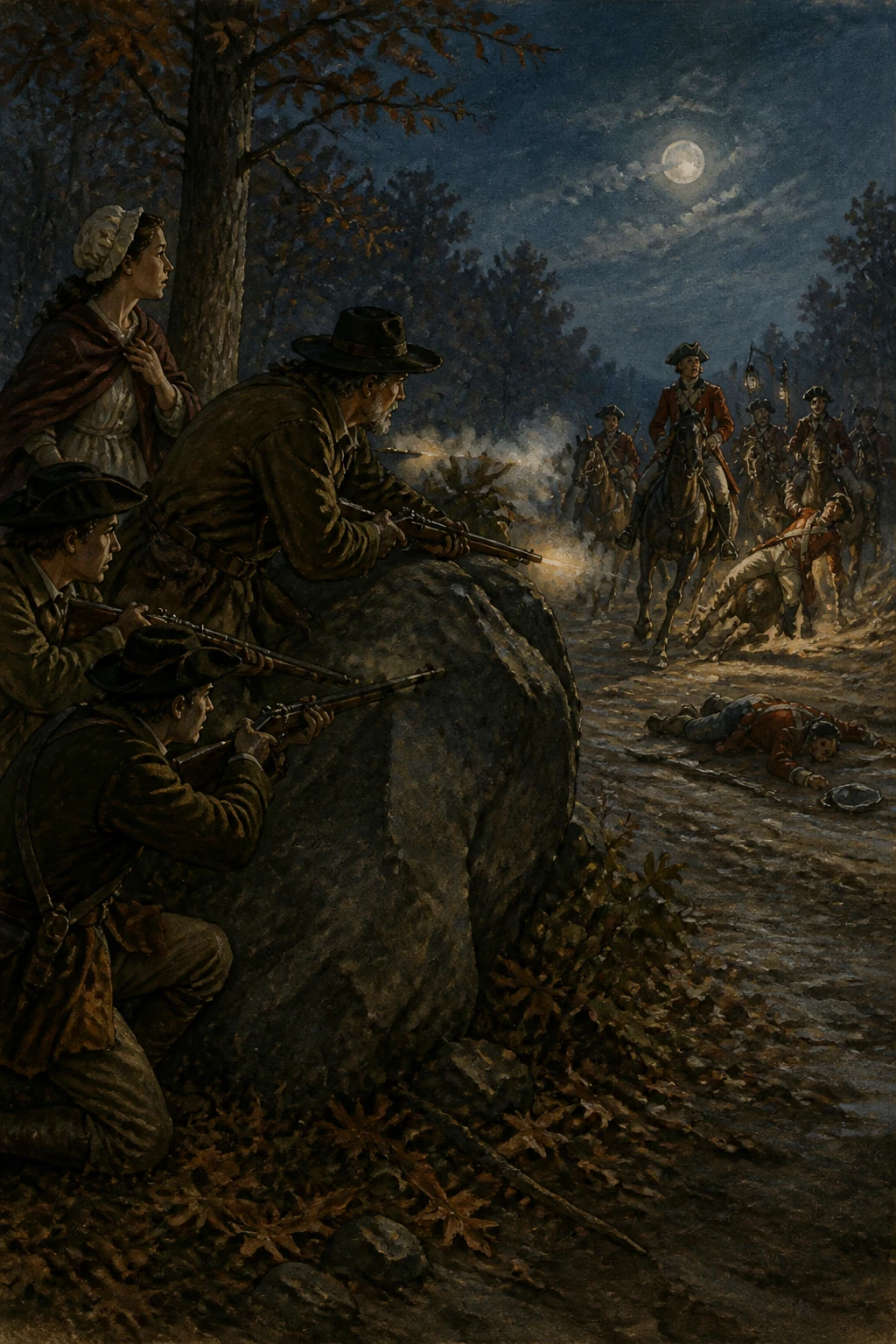
Kmet Derwent in njegovi štirje krepki sinovi se neke jesenske noči odpravijo na zbor domoljubov v hiši ob Wissahickonu — na zbor, ki ne obeta nič dobrega Britancem, utaborjenim v Philadelphii, pa naj se rdečesuknjiči še tako posmehujejo svojati, ki se v divjini ob Skippacku pridružuje vojski gospoda Washingtona. Kmet vzdihne ob misli, da v druščini manjka le njegov najmlajši sin, in se že tisočič vpraša, kaj se je zgodilo s fantom. Sedejo k skali, ki sega na cesto, da bi prirezali stenj v svetilki, in med pogovorom jih zdrzne vzklik. Oglasi se Ellen, Derwentova posvojenka in zaročenka njegovega pogrešanega sina. Tisto noč, ko se je fant skrivaj izmuznil iz očetove hiše, jo je prosil, naj se čez leto dni sestane z njim na tem kraju, in nocoj se leto izteče.
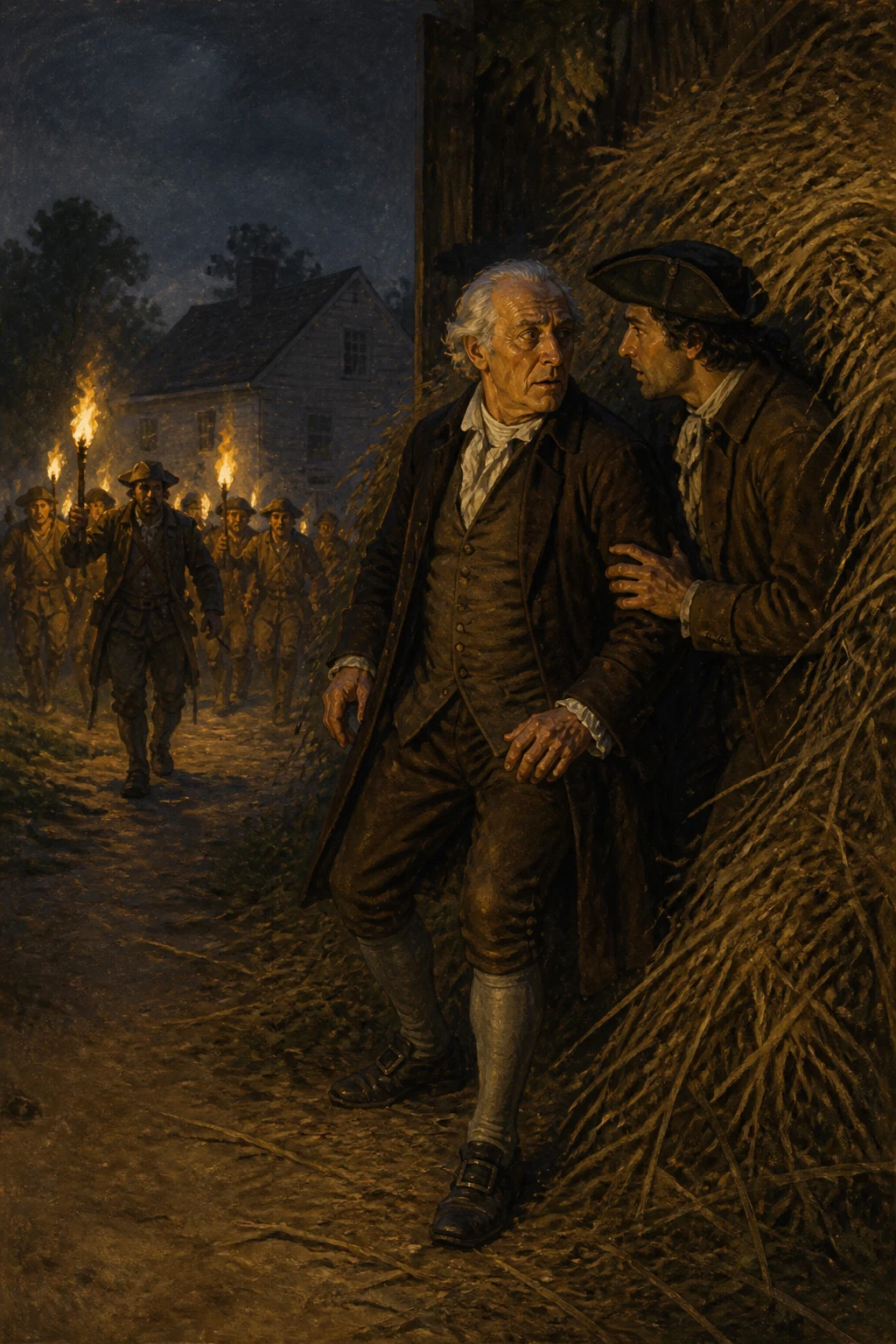
Toda zdaj ne hiti sem, da bi se srečala z njim: slišala je, da so Britanci izvedeli za zbor domoljubov in da bodo skušali udeležence zajeti. Še medtem ko jim to pripoveduje, se z juga zasliši hrup: kolona je že na pohodu. Kmetu v očeh zagorita bes in sovraštvo. »Fantje,« reče, »tam prihajajo tisti, ki nas nameravajo pobiti. Naj okusijo lastni način vojskovanja. Postavite se sem v senco in streljajte, ko bodo šli mimo te skale.«
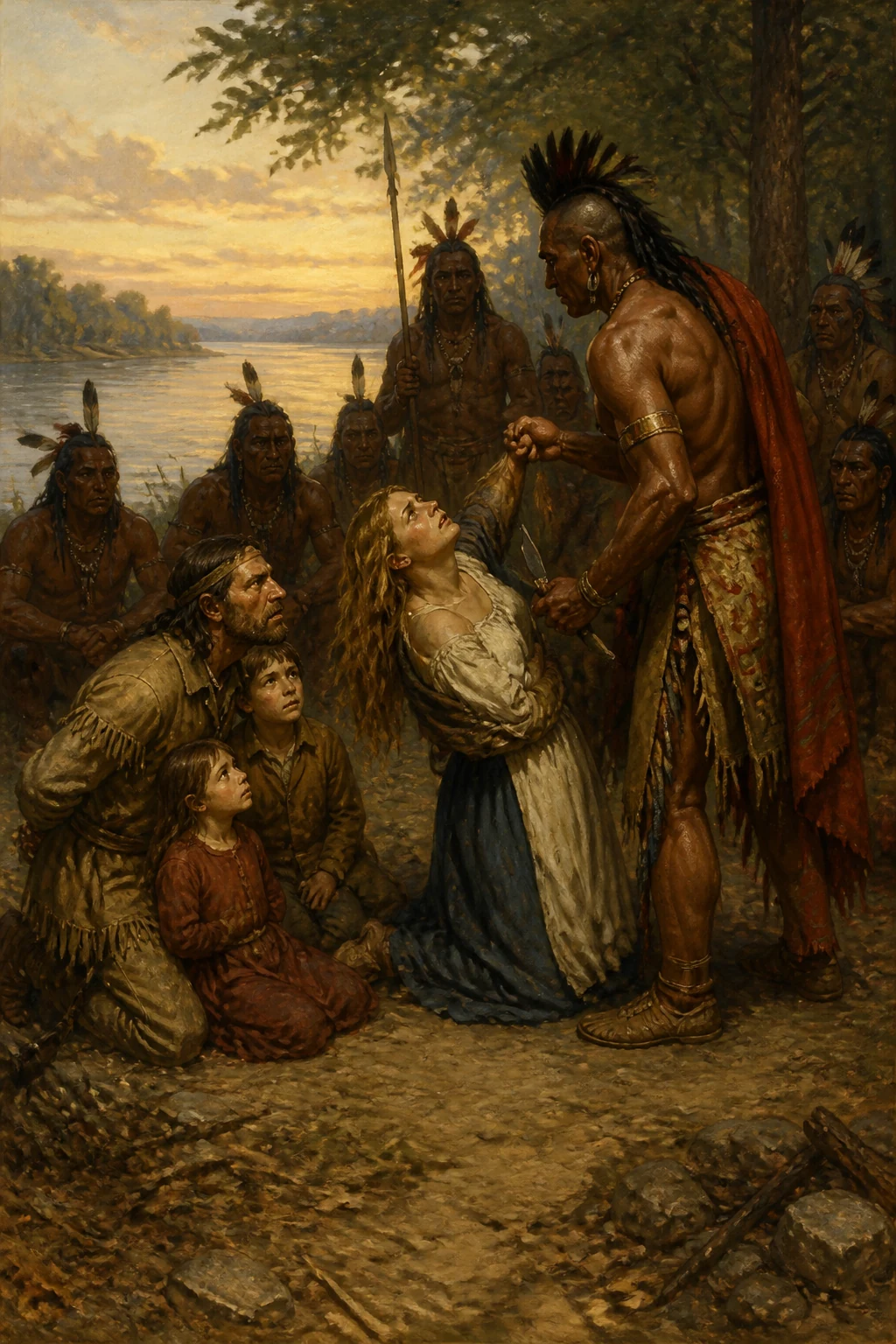
Konjeniki jezdijo naprej in se hahljajo ob misli na zanesljiv uspeh, ko počijo puške in štirje rdečesuknjiči obležijo v prahu. Preživeli kljub presenečenju pokažejo pogum: ustavijo se in odgovorijo na salvo, eden izmed njih pa skoči iz sedla, zgrabi Derwenta in mu zarine nož v grlo. Upornik pade. Okrog njega se razlije mlaka krvi. Britanci zmagajo, saj sta dva izmed mladeničev zvezana, dva pa sta obležala, in zadoni zmagoslavno vzklikanje, toda konjenik z nožem v roki molči. Sklonjen nad kmeta ostane negiben kakor mrtev, dokler ga stotnik ne potreplja po rami. Ko se vzravna, ujetnika osuplo trzneta, kajti obraz, ki ga zagledata v svetlobi svetilke, je obraz njunega brata, a tuj zaradi svoje izmučenosti in krvavega madeža na licu. Dekle s krikom priteče iz skrivališča, a v grozi obstane, ko se z nogo dotakne krvave mlake na cesti. Konjenik si razpre suknjič in ji ponudi medaljon. V njem je njena slika in leto dni ga je nosil nad srcem, toda ona ga izpusti in se stokajoč zgrudi na tla. Vojak si strga rdeči suknjič s telesa, ga potepta v prahu, nato pa se požene v sedlo, plane v reko, jo prebrede in se na drugem bregu prebije skozi podrast. V nekaj minutah doseže vrh skale, ki se dviga skoraj sto čevljev nad vodo. Konj se na robu ustavi, a ko mu ostroga silovito prebode bok, skoči v globino. Z obupanim krikom izdajalec in očetomorilec odide v večnost.
Izvirnik
070 Parricide of the Wissahickon
Naslednje strani prikazujejo izvirno besedilo za primerjavo.
Farmer Derwent and his four stout sons set off on an autumn night for the meeting of patriots at a house on the Wissahickon,--a meeting that bodes no good to the British encamped in Philadelphia, let the red-coats laugh as they will at the rag-tag and bob-tail that are joining the army of Mr. Washington in the wilds of the Skippack. The farmer sighs as he thinks that his younger son alone should be missing from the company, and wonders for the thousandth time what has become of the boy. They sit by a rock that juts into the road to trim their lantern, and while they talk together they are startled by an exclamation. It is from Ellen, the adopted daughter of Derwent and the betrothed of his missing son. On the night that the boy stole away from his father's house he asked her to meet him in this place in a year's time, and the year is up to-night.
But it is not to meet him that she is hastening now: she has heard that the British have learned of the patriot gathering and will try to make prisoners of the company. Even as she tells of this there is a sound to the southward: the column is on the march. The farmer's eye blazes with rage and hate. “Boys,” he says, “yonder come those who intend to kill us. Let them taste of their own warfare. Stand here in the shadow and fire as they pass this rock.”
The troopers ride on, chuckling over their sure success, when there is a report of rifles and four of the red-coats are in the dust. The survivors, though taken by surprise, prove their courage by halting to answer the volley, and one of them springs from his saddle, seizes Derwent, and plunges a knife into his throat. The rebel falls. His blood pools around him. The British are successful, for two of the young men are bound and two of them have fallen, and there is a cheer of victory, but the trooper with the knife in his hand does not raise his voice. He bends above the farmer as still as one dead, until his captain claps him on the shoulder. As he rises, the prisoners start in wonder, for the face they see in the lantern-light is that of their brother, yet strange in its haggardness and its smear of blood on the cheek. The girl runs from her hiding-place with a cry, but stands in horror when her foot touches the gory pool in the road. The trooper opens his coat and offers her a locket. It contains her picture, and he has worn it above his heart for a year, but she lets it fall and sinks down, moaning. The soldier tears off his red coat, tramples it in the dust, then vaulting to his saddle he plunges into the river, fords it, and crashes through the underbrush on the other side. In a few minutes he has reached the summit of a rock that rises nearly a hundred feet above the stream. The horse halts at the edge, but on a fierce stab of the spur into his flank he takes the leap. With a despairing yell the traitor and parricide goes into eternity.
Nadaljuj z branjem