Prevod
Beside the road, deep in the forest, stood a lonely farmhouse; the road led straight through its courtyard. The sun shone there, all the windows stood open, and there was life and bustle indoors; but out in the yard, in a bower of flowering lilacs, stood an open coffin. The dead man had been brought out here; he was to be buried that morning. No one stood gazing mournfully at him, no one wept over him. His face was covered with a white cloth, and beneath his head lay a large, thick book, each of its leaves a whole sheet of grey paper. Between them, kept and forgotten, lay withered flowers, an entire herbarium gathered in many different places. It was to go into the grave with him; he himself had asked for that. Each flower held a chapter of his life.
"Who is the dead man?" we asked, and the answer was: "The old student from Upsala! They say he was clever once, knew learned languages, could sing, yes, and even write songs; but then something went wrong, and he drowned his thoughts, and himself along with them, in brandy. When his health went the same way, he came out here to the country, where his board was paid for. He was as gentle as a child, so long as the black mood did not come over him, for then he grew strong and ran about the forest like a hunted animal. But once we got him home and persuaded him to look in his book of dried plants, he could sit the whole day looking first at one plant, then at another, and many a time the tears ran down his cheeks. God knows what thoughts they brought him! But he asked to have the book put in his coffin, and there it lies now. In a little while the lid will be nailed down, and he will find his sweet rest in the grave."
The cloth was lifted; there was peace in the dead man's face, and a sunbeam fell upon it. A swallow darted into the bower, swift as an arrow, and wheeled in flight, twittering above his head.
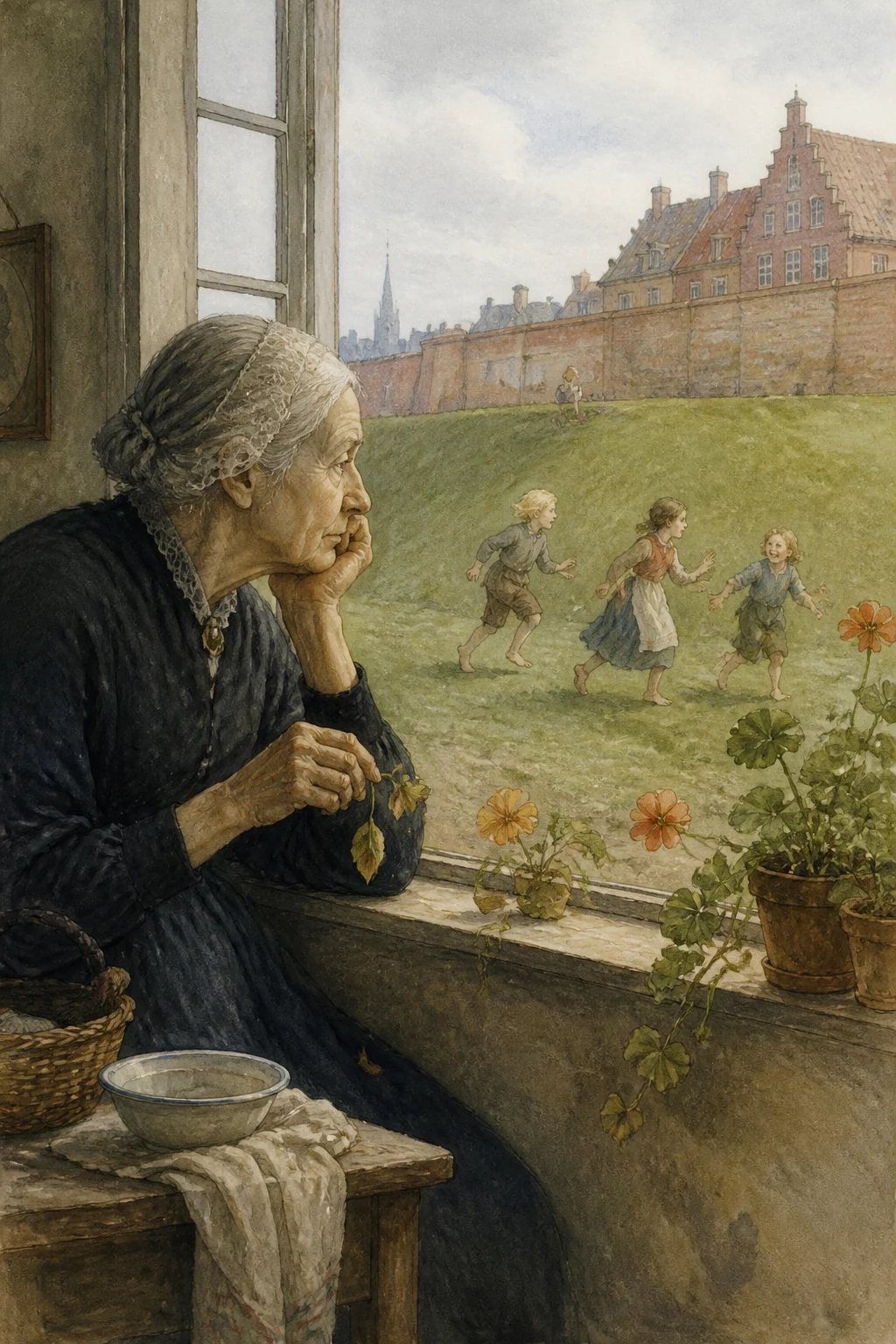
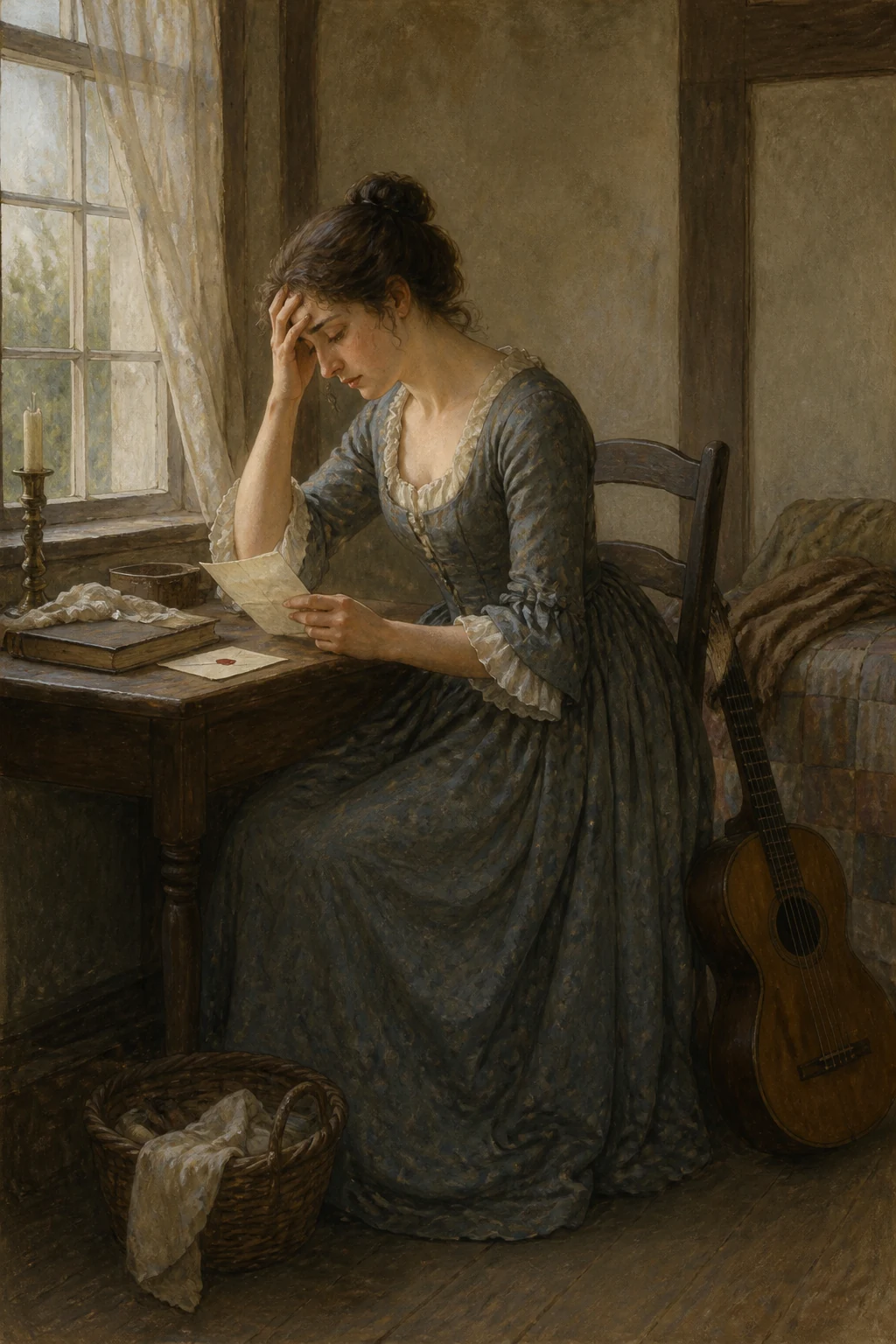
How strange it is—and surely we have all known it—to take out old letters from our youth and read them. A whole life seems to rise before us, with all its hopes and all its sorrows. How many of those whose lives were once so closely bound to ours are now as though dead to us, though they are still alive; yet for so long we have not thought of them, those whom we once believed we would always hold fast to, sharing one another's sorrow and joy.
The withered oak leaf here in the book recalls a friend, the friend of schooldays, the friend for life; he fastened this leaf to the student's cap in the green forest when they pledged their lifelong friendship.—Where is he living now?—The leaf kept, the friendship forgotten—! Here is an exotic hothouse plant, too delicate for the gardens of the North—it is as though some fragrance still lingered in these leaves! She gave it to him, the young lady from the nobleman's garden. Here is the water lily he picked himself and wet with salt tears, the water lily from the sweet waters. And here is a nettle; what does its leaf tell? What was he thinking when he picked it, when he kept it? Here is lily of the valley from the forest's solitude; here is honeysuckle from the flowerpot in the inn's parlour, and here the bare, sharp blade of grass—!
The flowering lilac bends its fresh, fragrant cluster over the dead man's head; the swallow flies past again: "Tweet! tweet!"—Now the men come with nails and hammer; the lid is laid over the dead man, whose head rests upon the silent book. Kept—forgotten!