Waltey
Lojalisti iz Berkshira
116 Berkshire Tories
Myths and Legends of Our Own Land · Charles M. SkinnerO besedilu
Lojalisti iz Berkshira
- Vir
- Myths and Legends of Our Own Land
- Avtor
- Charles M. Skinner
- Jezik branja
- Slovenščina
- Jezik izvirnika
- English
- Čas branja
- 5 min branja
- Obseg
- 4 strani
- Naslov izvirnika
- 116 Berkshire Tories
O izvirniku
Myths and Legends of Our Own Land
Obsežna zgodovinska zbirka ameriških legend, ki jih je Skinner zbral in avtorsko rekonstruiral. Bralni jezik je Slovenščina, izvirnik pa prihaja iz vira Myths and Legends of Our Own Land v jeziku English.
Besedilo
Lojalisti iz Berkshira
Torijci v Berkshiru v Massachusettsu so bili možje, ki so se navezali na kralja, ker so opravljali službe po pooblastilu te posvečene osebnosti. Zgodovinarji so z njimi ravnali prizanesljivo, toda to je »pretirana velikodušnost, ki vso svojo dobrohotnost in hvalo namenja poraženim zagovornikom krivice, grajo pa prihrani za zmagovite branilce pravice«. Naslednji dogodki so tako dobro izpričani, da si zaslužijo mesto v zgodovini, njihova slikovitost pa upravičuje, da se z njimi znova seznanimo.
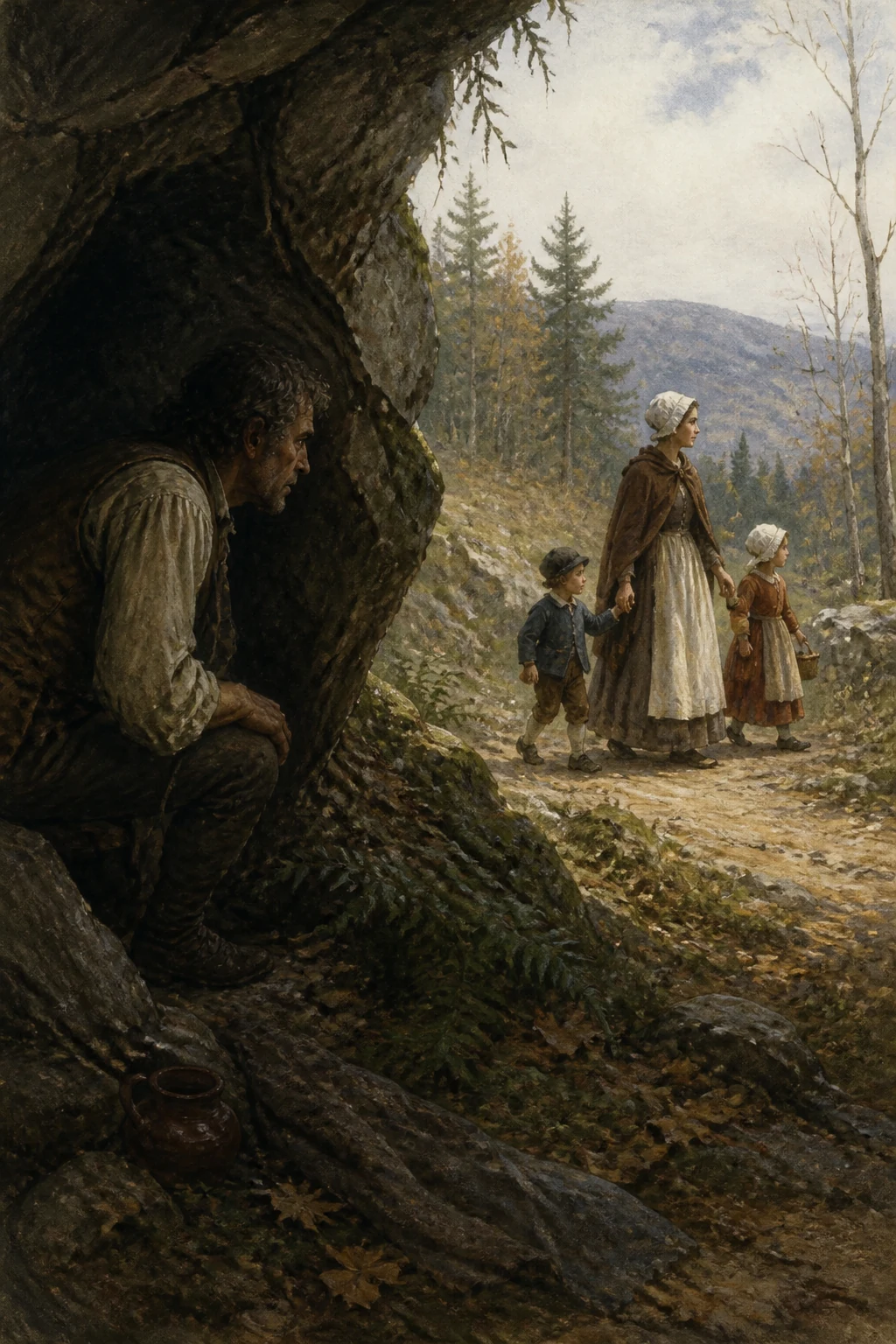
Med lojalisti je bil Gideon Smith iz Stockbridgea, ki je britanskim ujetnikom pomagal pobegniti in se tudi sicer tako zameril ljudem, da se je moral za nekaj časa umakniti ter preživeti obdobje kesanja in premišljevanja v votlini blizu Lenoxa, v soteski, imenovani Tories' Glen. Tam se je skrival več tednov in samo njegova žena je vedela, kje je; na njegovo prošnjo pa je vsak dan peljala otroke na sprehod mimo njegove votline, kjer se je s hrepenečimi očmi napajal ob pogledu na njihove obraze. Otroci so žlobudrali, ne da bi slutili, da je njihov oče le nekaj korakov stran. Smith je preživel vojno in dočakal čas, ko je bil s svojimi nekdanjimi sovražniki spet v dobrih odnosih.
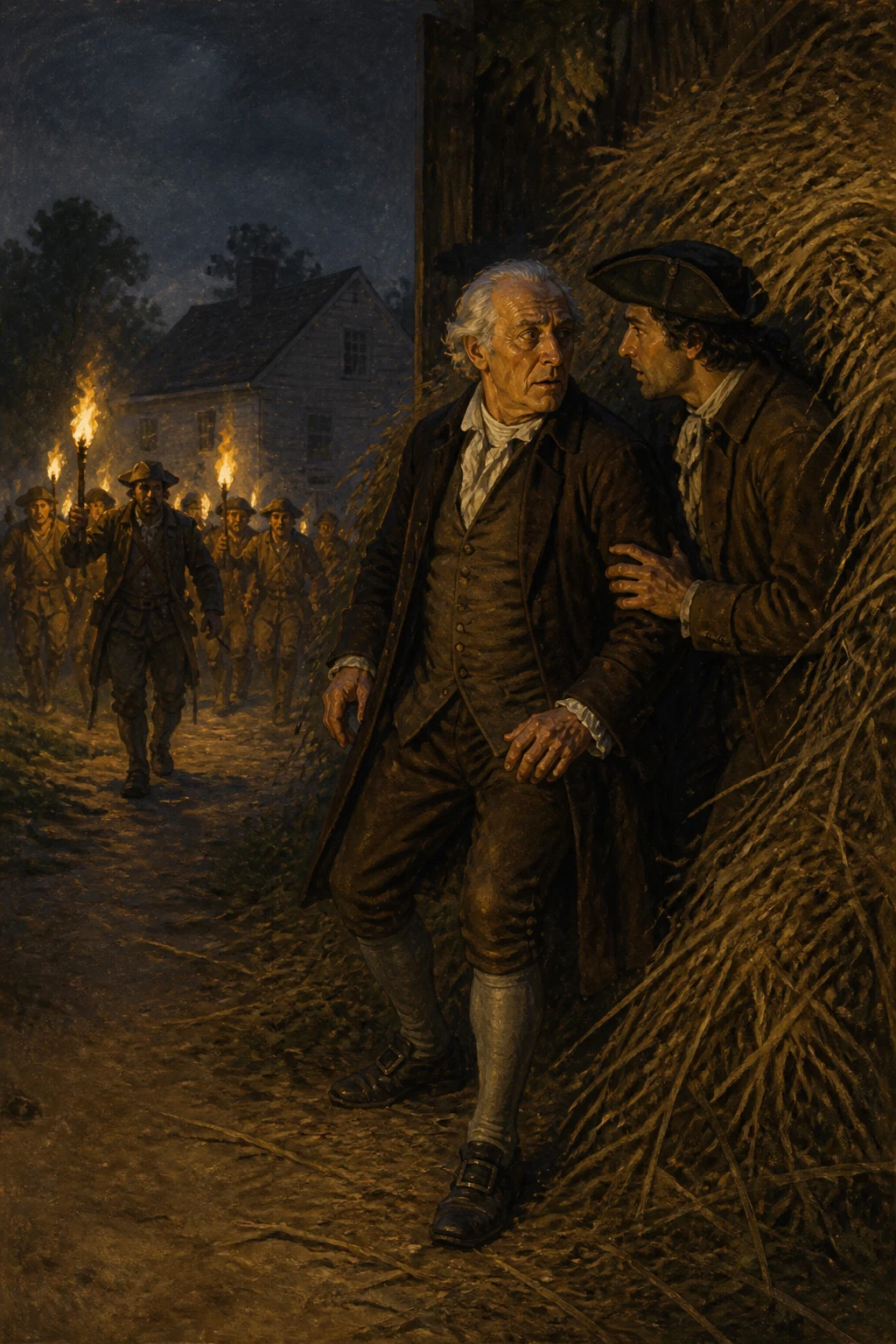
V Lenoxu je živel neki torijec, eden tistih uglednih starih gospodov, ki sta jim premoženje in rod v prvih letih vojne zagotavljala nedotakljivost, a je hudo preizkušal potrpljenje sosedov, saj je preklinjal vse ameriško, od Washingtona navzdol. Nazadnje njegovih žalitev niso mogli več prenašati; njegov zgled je vplival še na druge anglomane in obiskal ga je odbor, da bi mu povedal, da lahko bodisi priseže zvestobo kolonijam bodisi bo obešen. Rekel je, da naj ga kar obesijo, če bo kdaj prisegel, ali nekaj v tem smislu, in res so ga obesili na že pripravljene vislice na ulici. Kmalu so ga spustili, ga z rumom »spravili k sebi« in mu znova ponudili, naj priseže. Odklonil je. Tega niso pričakovali. Imeli so za samoumevno, da se bo zvestobi kralju odpovedal, brž ko se bo vrv prvič zategnila. Posvetovali so se in sklenili, da bi bil umik nedostojen in nevaren, zato so torijca spet potegnili kvišku, tokrat s sunkom, ki je kazal, da »gre zares«. Nekaj časa je visel, in ko so ga spustili, ni kazal nobenega znamenja življenja. Ob tem jih je nekoliko zajel preplah, saj starega moža nihče ni hotel ubiti, in storili so vse, da bi ga spravili k zavesti. Nazadnje so se mu prsi dvignile, vijoličasta barva je izginila z lic, oči so se mu odprle in zasopel je: »Prisegel bom.« Z veselim vzklikom ga je druščina odpeljala v krčmo, ga posadila pred ogenj in mu v roko potisnila kozarec punča. Punč je izpil na Washingtonovo zdravje, čez nekaj časa pa so ga slišali zamrmrati samemu sebi: »Na trd način delajo vigovce, ampak zaleže pa.«
Nathan Jackson iz Tyringhama je bil še en Jenki, ki se mu je zdelo prav prijeti za orožje proti svojim rojakom; ko so ga ujeli, so ga obtožili izdaje in priprli do sojenja. Zapor v Great Barringtonu so v tistih časih neomajne kreposti tako redko uporabljali, da je postal zgolj lopa, v kateri ni bilo mogoče zadržati nikogar, in Jackson bi lahko, potem ko so ga vanjo zaklenili, odšel, kadar bi se mu zahotelo; toda menil je, da bi z begom priznal bodisi zgrešenost torijskih načel bodisi strah pred sojenjem. Življenje pa se mu je zdelo tako enolično, da je šerifa prosil, naj mu dovoli podnevi hoditi na delo, in obljubil, da bo spal v svoji celici. Njegov sloves poštenjaka je bil tolikšen, da so njegovi prošnji ugodili brez ugovora, jetnik pa se je vsak večer vračal, da so ga zaklenili. Ko se je bližal čas zasedanja sodišča v Springfieldu, je bila žetev v polnem zamahu, in ker iz okrožja Berkshire ni bilo nobene druge zadeve za obravnavo, je šerif godrnjal zaradi nadloge, da mora svojega jetnika peljati petdeset milj daleč čez razgiban svet. Jackson pa je rekel, da bo vse uredil tako, da bo šel sam. Šerif je bil vesel, da se je rešil te dolžnosti, torijec pa se je odpravil, da bi se predal in stopil pred sodišče, kjer je bilo na kocki njegovo življenje. Med potjo ga je dohitel gospod Edwards, član Izvršnega sveta, ki naj bi se prav tedaj sestal v Bostonu, in ne da bi razkril svoje ime ali položaj, izvedel za nenavadno opravilo tega samotnega pešca. Jacksonu so sodili, priznal je očitke zoper sebe in bil obsojen na smrt. Medtem ko je čakal, da bo kazen izvršena, je svet v Bostonu prejemal prošnje za pomilostitev in gospod Edwards je vprašal, ali ni nobene za Nathana Jacksona. Nobene ni bilo. Gospod Edwards je opisal svoje srečanje z obsojencem in po sobi je završalo od presenečenja in občudovanja. V Springfield so poslali sporočilo. Ko je prispelo, so se vrata zapora na stežaj odprla in Jackson je stopil na prostost.
Izvirnik
116 Berkshire Tories
Naslednje strani prikazujejo izvirno besedilo za primerjavo.
The tories of Berkshire, Massachusetts, were men who had been endeared to the king by holding office under warrant from that sacred personage. They have been gently dealt with by historians, but that is “overstrained magnanimity which concentrates its charities and praises for defeated champions of the wrong, and reserves its censures for triumphant defenders of the right.” While the following incidents have been so well avouched that they deserve to stand as history, their picturesqueness justifies renewed acquaintance.
Among the loyalists was Gideon Smith, of Stockbridge, who had helped British prisoners to escape, and had otherwise made himself so obnoxious that he was forced for a time to withdraw and pass a season of penitence and meditation in a cavern near Lenox, that is called the Tories' Glen. Here he lay for weeks, none but his wife knowing where he was, but at his request she walked out every day with her children, leading them past his cave, where he fed on their faces with hungry eyes. They prattled on, never dreaming that their father was but a few feet from them. Smith survived the war and lived to be on good terms with his old foes.
In Lenox lived a Tory, one of those respectable buffers to whom wealth and family had given immunity in the early years of the war, but who sorely tried the temper of his neighbors by damning everything American from Washington downward. At last they could endure his abuse no longer; his example had affected other Anglomaniacs, and a committee waited on him to tell him that he could either swear allegiance to the colonies or be hanged. He said he would be hanged if he would swear, or words to that effect, and hanged he was, on a ready-made gallows in the street. He was let down shortly, “brought around” with rum, and the oath was offered again. He refused it. This had not been looked for. It had been taken for granted that he would abjure his fealty to the king at the first tightening of the cord. A conference was held, and it was declared that retreat would be undignified and unsafe, so the Tory was swung up again, this time with a yank that seemed to “mean business.” He hung for some time, and when lowered gave no sign of life. There was some show of alarm at this, for nobody wanted to kill the old fellow, and every effort was made to restore consciousness. At last the lungs heaved, the purple faded from his cheek, his eyes opened, and he gasped, “I'll swear.” With a shout of joy the company hurried him to the tavern, seated him before the fire, and put a glass of punch in his hand. He drank the punch to Washington's health, and after a time was heard to remark to himself, “It's a hard way to make Whigs, but it'll do it.”
Nathan Jackson, of Tyringham, was another Yankee who had seen fit to take arms against his countrymen, and when captured he was charged with treason and remanded for trial. The jail, in Great Barrington, was so little used in those days of sturdy virtue that it had become a mere shed, fit to hold nobody, and Jackson, after being locked into it, might have walked out whenever he felt disposed; but escape, he thought, would have been a confession of the wrongness of Tory principles, or of a fear to stand trial. He found life so monotonous, however, that he asked the sheriff to let him go out to work during the day, promising to sleep in his cell, and such was his reputation for honesty that his request was granted without a demur, the prisoner returning every night to be locked up. When the time approached for the court to meet in Springfield heavy harvesting had begun, and, as there was no other case from Berkshire County to present, the sheriff grumbled at the bother of taking his prisoner across fifty miles of rough country, but Jackson said that he would make it all right by going alone. The sheriff was glad to be released from this duty, so off went the Tory to give himself up and be tried for his life. On the way he was overtaken by Mr. Edwards, of the Executive Council, then about to meet in Boston, and without telling his own name or office, he learned the extraordinary errand of this lonely pedestrian. Jackson was tried, admitted the charges against him, and was sentenced to death. While he awaited execution of the law upon him, the council in Boston received petitions for clemency, and Mr. Edwards asked if there was none in favor of Nathan Jackson. There was none. Mr. Edwards related the circumstance of his meeting with the condemned man, and a murmur of surprise and admiration went around the room. A despatch was sent to Springfield. When it reached there the prison door was flung open and Jackson walked forth free.
Nadaljuj z branjem