O besedilu
Kozji pastir in koze
- Vir
- Ezopove basni
- Avtor
- Ezop / Karl Halm
- Jezik branja
- English
- Jezik izvirnika
- Ancient Greek
- Čas branja
- 2 min branja
- Obseg
- 1 stran
- Naslov izvirnika
- 12. Αἰγοβοσκὸς καὶ Αἶγες. (S. 6. B. 45.)
O izvirniku
Ezopove basni
Kratke basni, kjer živali v nekaj potezah razkrijejo človeške slabosti. Bralni jezik je English, izvirnik pa prihaja iz vira Ezopove basni v jeziku Ancient Greek.
Besedilo
Kozji pastir in koze
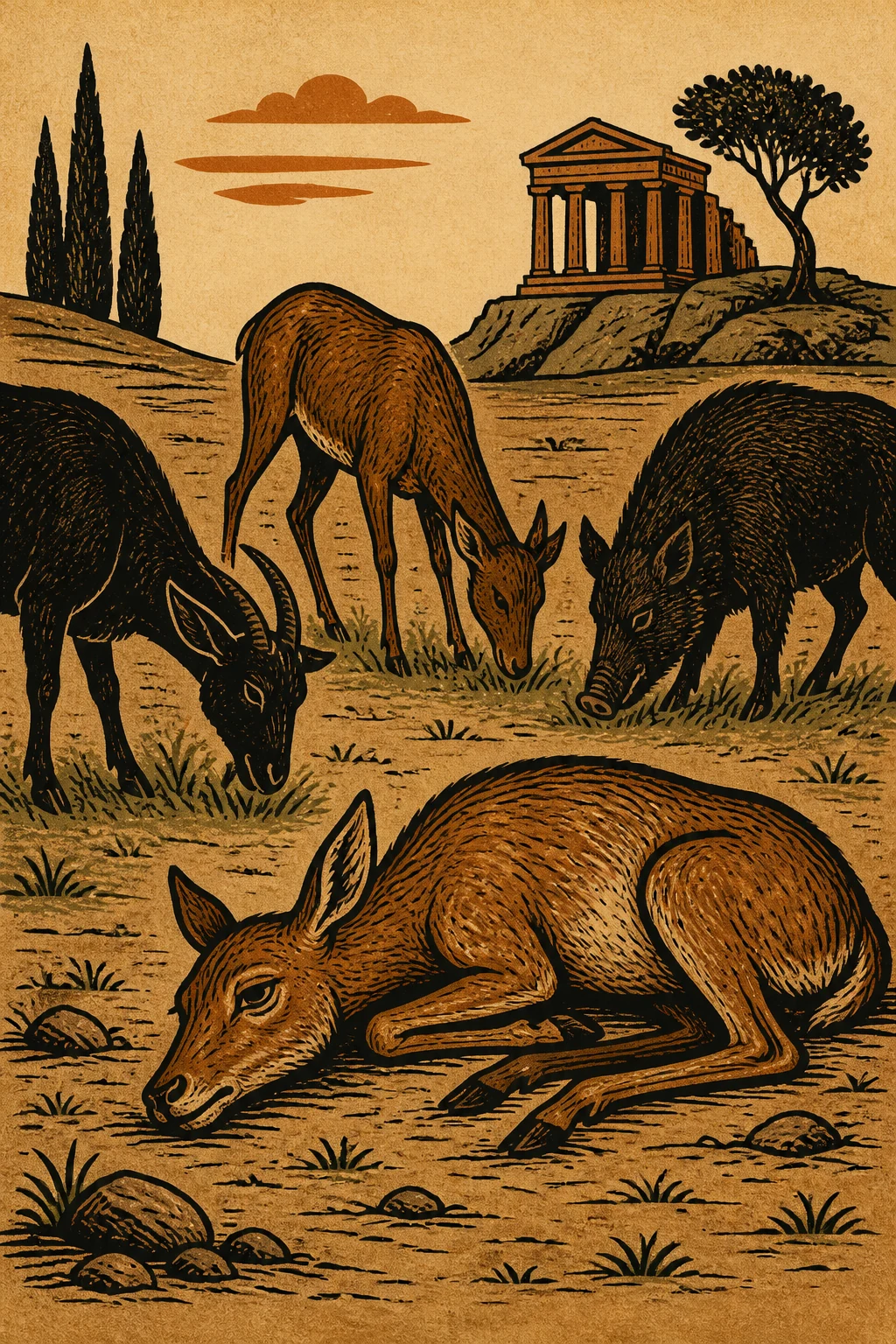
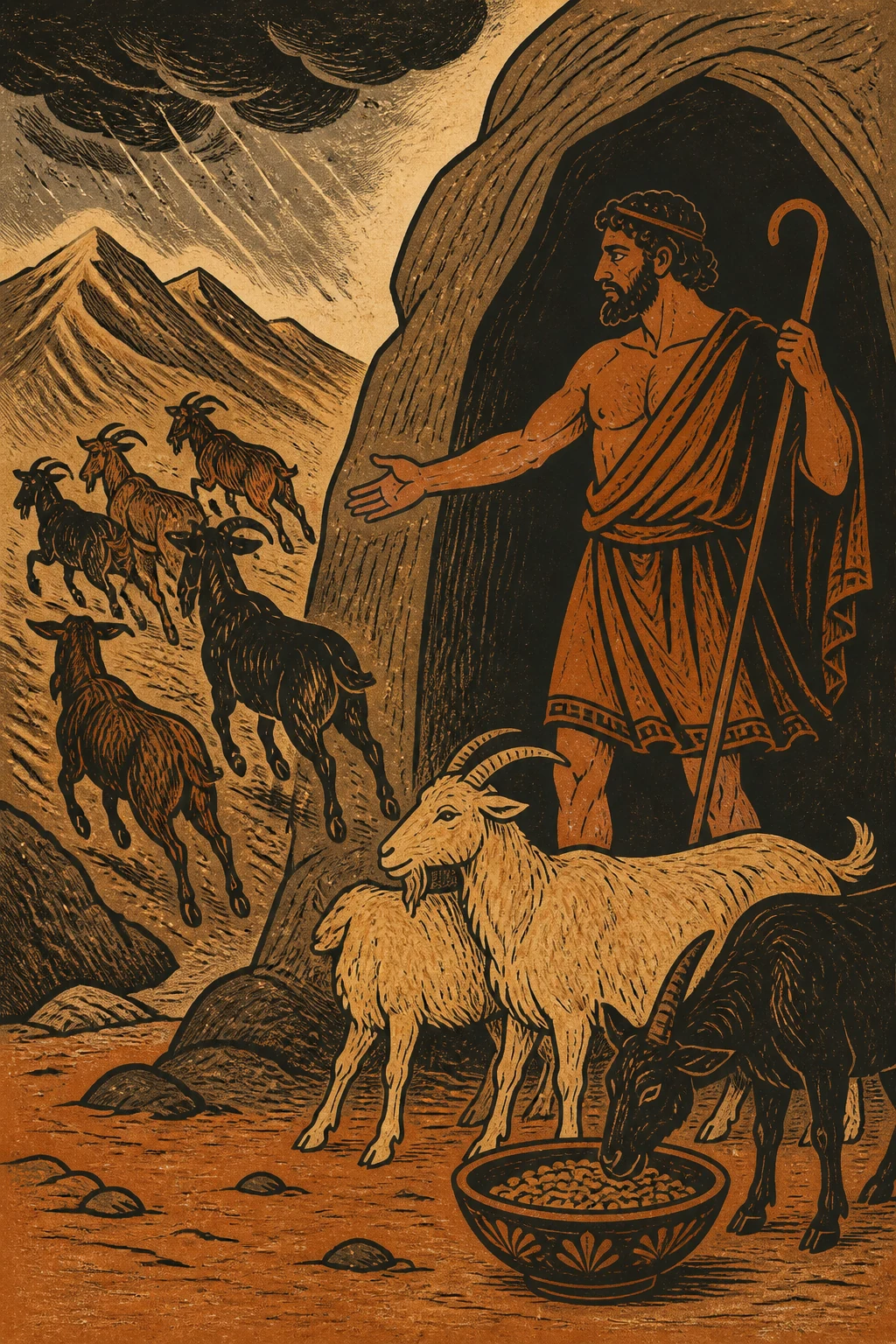
A goatherd drove his goats out to pasture and, seeing that they had mingled with some wild goats, brought them all into his cave when evening fell. The next day a fierce storm arose, and, unable to take them to their usual pasture, he kept them indoors. He gave his own goats only enough food to keep them from starving, but heaped up more for the strangers, hoping to make them his own as well. When the storm had passed, he led them all out to pasture, but the wild goats made for the mountains and fled. The goatherd accused them of ingratitude for abandoning him after receiving such special care. They turned and said, “That is precisely why we are all the more wary of you. If you favored us, who joined you only yesterday, over those who have long been yours, it is clear that, should others come to you later, you will prefer them to us.” The tale shows that we should not seek the friendship of those who favor us as new friends over their old ones, bearing in mind that, once we too have been with them for some time, they will prefer any new friends they make to us.
Izvirnik
12. Αἰγοβοσκὸς καὶ Αἶγες. (S. 6. B. 45.)
Naslednje strani prikazujejo izvirno besedilo za primerjavo.
Αἰπόλος τὰς αἶγας αὑτοῦ ἐπὶ νομὴν ἀπελάσας ὡς ἐθεᾶτο ἀγρίαις αὐτὰς ἀναμιγείσας, ἑσπέρας ἐπιλαβούσης πάσας εἰς τὸ ἑαυτοῦ σπήλαιον εἰσήλασε. Τῇ δʼ ὑστεραίᾳ χειμῶνος πολλοῦ γενομένου, μὴ δυνάμενος ἐπὶ τὴν συνήθη νομὴν αὐτὰς παραγαγεῖν, ἔνδον ἔστησε μένειν, ταῖς μὲν ἰδίαις μετρίαν τροφὴν παραβάλλων πρὸς μόνον τὸ μὴ λιμώττειν, ταῖς δὲ ὀθνείαις πλείονα περισωρεύων πρὸς τὸ καὶ αὐτὰς ἐξιδιοποιήσασθαι. Παυσαμένου δὲ τοῦ χειμῶνος ἐπειδὴ πάσας ἐπὶ νομὴν ἐξήγαγεν, αἱ ἄγριαι ἐπιλαβόμεναι τῶν ὀρῶν ἔφευγον. Τοῦ δὲ ποιμένος ἀχαριστίαν αὐτῶν κατηγοροῦντος, εἰ περιττοτέρας αὐταὶ ἐπιμελείας ἐπιτυχοῦσαι καταλείπουσιν αὐτὸν, ἔφασαν ἐπιστραφεῖσαι· ,,ἀλλὰ καὶ διʼ αὐτὸ τοῦτο μᾶλλον φυλαττόμεθα· εἰ γὰρ ἡμᾶς τὰς χθές σοι προσεληλυθυίας μειζόνως τῶν πάλαι σὺ προετίμησας, δῆλον ὅτι, εἰ καὶ ἕτεραί σοι μετὰ ταῦτα προσπελάσουσιν, ἐκείνας ἡμῶν προκρινεῖς.“
Ὁ λόγος δηλοῖ μὴ δεῖν τούτων προσεταιρίζεσθαι τὰς φιλίας, οἳ τῶν παλαιῶν φίλων ἡμᾶς τοὺς προσφάτους προτιμῶσι, λογιζομένους, ὅτι καὶ, κἂν ἡμῶν ἐγχρονιζόντων ἑτέροις φιλιάσωσιν, ἐκείνους προκρινοῦσιν.
Nadaljuj z branjem