Waltey
Hudič in Tom Walker
119 The Devil and Tom Walker
Myths and Legends of Our Own Land · Charles M. SkinnerO besedilu
Hudič in Tom Walker
- Vir
- Myths and Legends of Our Own Land
- Avtor
- Charles M. Skinner
- Jezik branja
- Slovenščina
- Jezik izvirnika
- English
- Čas branja
- 6 min branja
- Obseg
- 5 strani
- Naslov izvirnika
- 119 The Devil and Tom Walker
O izvirniku
Myths and Legends of Our Own Land
Obsežna zgodovinska zbirka ameriških legend, ki jih je Skinner zbral in avtorsko rekonstruiral. Bralni jezik je Slovenščina, izvirnik pa prihaja iz vira Myths and Legends of Our Own Land v jeziku English.
Besedilo
Hudič in Tom Walker
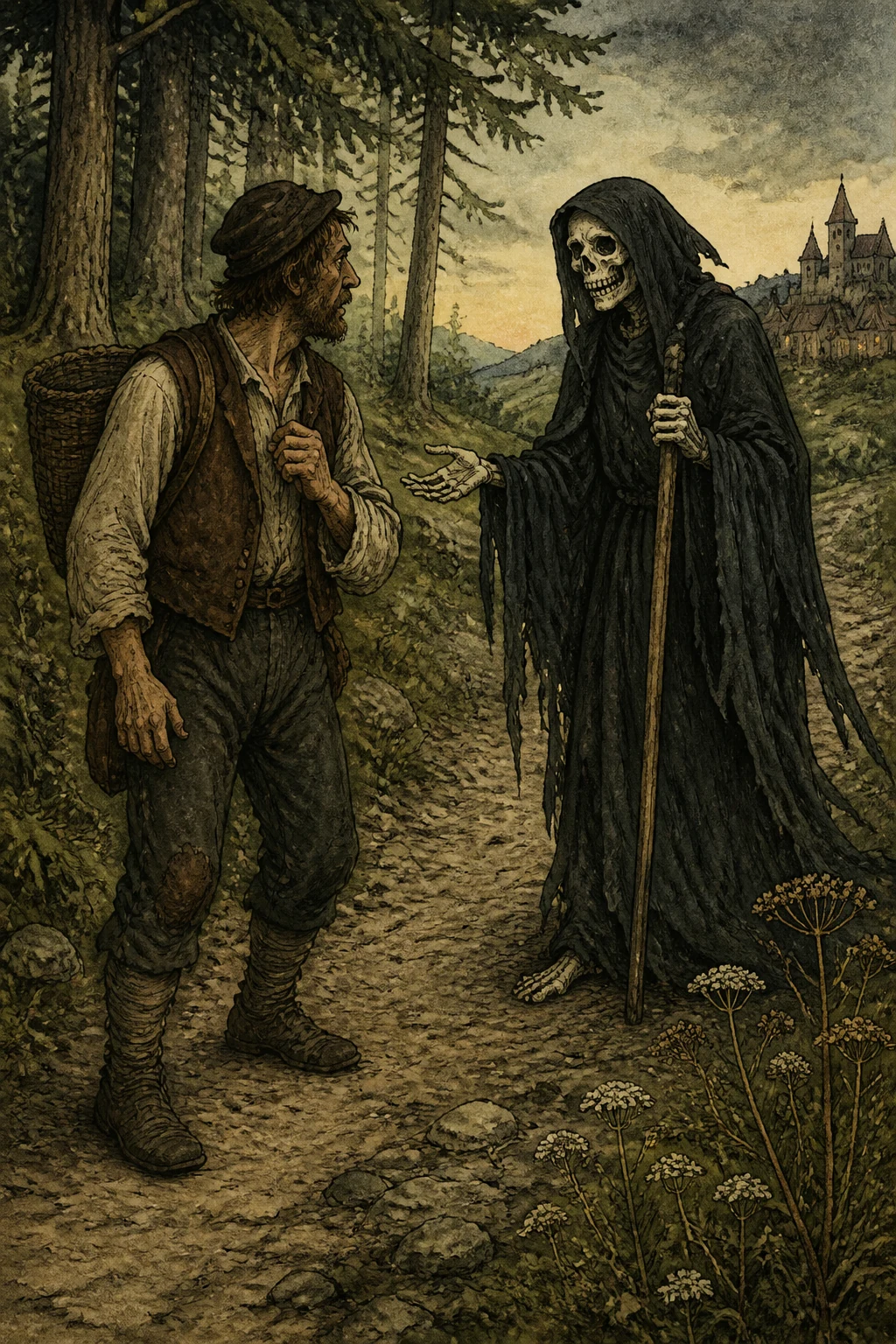
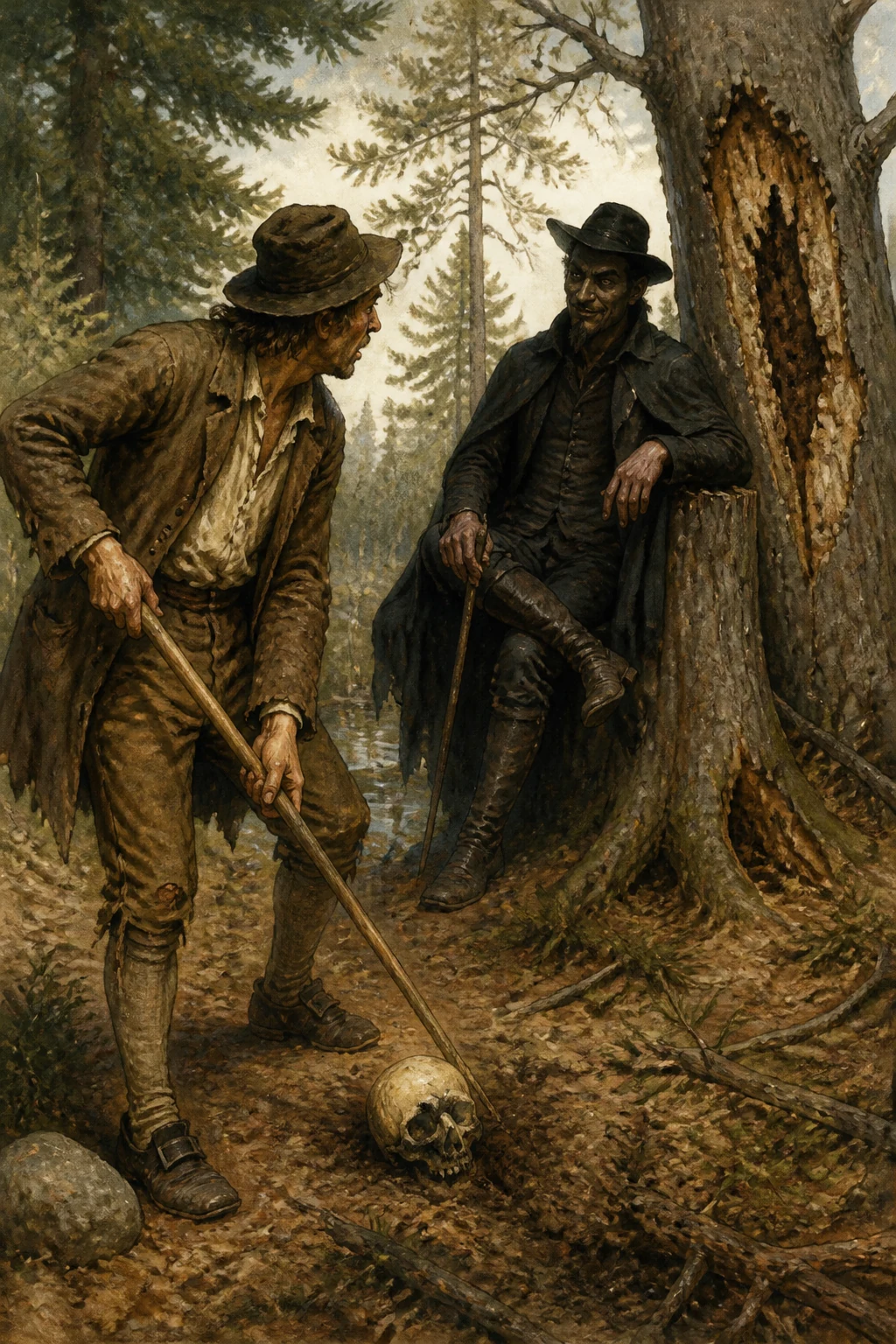
V času, ko so bregove reke Charles poraščali gozdiči in se ob njej razprostirala močvirja, je v koči blizu Brightona v Massachusettsu živel slabo hranjen malopridnež po imenu Tom Walker. V vsej deželi je bil le en človek še bolj skopuški od njega: njegova žena. Prepirala sta se zaradi vsakega zapravljenega penija in drug drugemu odrekala hrano. Nekega dne je Tom hodil po borovem gozdu blizu doma in po svoji navadi gledal v tla — saj bi se celo tam utegnil najti kak novčič — ko je s palico dregnil v lobanjo, globoko preklano z indijanskim tomahavkom. Brcnil jo je, da bi z nje otresel zemljo, tedaj pa se je oglasil osoren glas: »Kaj počneš na mojem zemljišču?« Na štoru je sedel temnopolt mož z obrazom kakor oglar in Tom se je začudil, da ga med približevanjem ni opazil.
Odvrnil je: »Na tvojem zemljišču! To pripada diakonu Peabodyju.« »Naj bo diakon Peabody preklet!« je vzkliknil črni mož. »Saj po mojem tako ali tako bo, če ne bo nekoliko bolj pazil na lastne grehe in nekoliko manj radovedno vohljal za grehi svojih sosedov. Poglej, če hočeš videti, kako se mu godi.« Pokazal je na drevo in Toma opozoril, da je na lubju zapisano diakonovo ime, deblo pa je v sredici strohnelo. Tom je na svoje presenečenje ugotovil, da je bilo skoraj v vsako drevo vrezano ime kakega uglednega moža.
»Kdo si?« je vprašal. »V različnih krajih me kličejo z različnimi imeni,« je odgovoril temni mož. »V nekaterih deželah sem črni rudar, v drugih divji lovec, tukaj pa črni drvar. Sem zavetnik trgovcev s sužnji in gospodar salemskih čarovnic.«
»Mislim, da si hudič,« je izustil Tom. »Na uslugo,« je odgovorilo njegovo veličanstvo. Ker pa je Tom že dolgo živel z gospo Walker, se hudiča ni bal in se je ustavil, da bi pokramljal z njim. Hudič je mimogrede omenil, da je kapitan Kidd v tem gozdu zakopal svoj zaklad in ga zaupal v varstvo njegovemu veličanstvu ter da ga lahko vsakdo, ki si ga zaželi, najde in obdrži, če privoli v običajno odstopnino. Tom je to odklonil. Vseeno pa je o tem povedal ženi in ta se je razjezila, ker ni takoj sklenil kupčije. Izjavila je, da se ona ne bo obotavljala, če on nima dovolj poguma, da bi s tem zakladom povečal njuno imetje. Tom ni kazal nobene volje, da bi jo zadržal. Če bi dobila denar, bi si skušal priboriti delež, če pa bi hudič odnesel njegovo življenjsko družico — no, z nekaterimi stvarmi se je pač sprijaznil, da jih bo prenesel, če bo treba. Ženska se je res še pred sončnim zahodom odpravila v gozd z žlicami v predpasniku. Ko je Tom odkril, da žlic ni več, se je tudi sam odpravil za njo, kajti te je vsekakor hotel dobiti nazaj; vendar žene ni dohitel. Na drevesu je našel predpasnik, v katerem so bila posušena jetra in uvelo srce, zemlja v bližini pa je bila poteptana in posuta s šopi grobih dlak, ki so Toma spomnile na moža, srečanega v gozdu. »Pri moji veri!« je zamrmral. »Stari vrag je moral imeti z njo hudo opraviti.« Napol iz hvaležnosti in napol iz radovednosti je Tom čakal, da bi spregovoril s temnim možem, in naslednjega dne je bil nagrajen: zagledal je tega imenitneža, kako prihaja skozi gozd s sekiro in brezskrbno žvižga. Tom ga je takoj ogovoril glede zakopanega zaklada — ne pa glede izginule žene, saj nje ni več štel za zaklad.
Po nekaj barantanja je hudič predlagal, naj Tom v Bostonu odpre posojilnico in Kiddov denar uporablja za oderuška posojila. Tomu je bilo to po volji in obljubil je, da bo iz nesrečnikov, ki bi ga prosili za pomoč, iztisnil štiri odstotke obresti na mesec. Kmalu so ga videli, kako se odpravlja v mesto z vrečo, za katero so sosedje menili, da vsebuje njegov pridelek zakrnele repe, v resnici pa je bilo v njej zlata in draguljev za kraljevsko odkupnino — zaslužek kapitana Kidda iz dolgih let poštenega gusarjenja. To je bilo v času guvernerja Belcherja in gotovine je primanjkovalo. Trgovci in možje svobodnih poklicev so prav tako kot zapravljivci prihajali k Tomu po denar, in ker ga je imel vedno pri roki, so njegovi posli rasli, dokler se ni zdelo, da ima hipoteko na premoženje polovice vseh Bostončanov, ki so bili dovolj premožni, da so se lahko zadolžili. Šel je celo tako daleč, da se je preselil v novo hišo, se vozil z lastno kočijo in jedel dovolj, da je ohranjal dušo v telesu, kajti svoje duše še ni hotel prepustiti tistemu, ki jo bo terjal.
Najnenavadnejši dokaz njegove varčnosti — ki je kazal, da hoče rešiti tako dušo kot denar — pa je bil ta, da se je pridružil cerkvi in postal vneto moleč kristjan. V žepu je nosil Sveto pismo, drugo pa je imel na pisalni mizi, odločen, da bo pripravljen, če ga obišče neki gospod. Svojega starega konja je pokopal z nogami navzgor, saj so ga poučili, da se bo na dan vstajenja svet obrnil na glavo, in sklenil je, da bo svojemu sovražniku, če se prikaže, ušel v diru. Nekega popoldneva, ko se je ukvarjal s prijetnim opravilom zasega zastavljenega premoženja, ga je dolžnik prosil še za en dan, da bi zbral denar. Tom je bil zaradi vročine razdražljiv in je z njim govoril tako, kakor se dobremu cerkvenemu možu ne spodobi.
»Toliko denarja ste že zaslužili z menoj,« je tožila žrtev Tomove dobrodelnosti. »No, pa naj me vzame hudič, če sem zaslužil en sam novčič!« je vzkliknil Tom.
V tistem hipu so se na vratih zaslišali trije trki in ko je posojevalec denarja stopil ven pogledat, kdo je prišel, se je znašel iz oči v oči s svojo usodo. Njegovo malo Sveto pismo je bilo v suknji, obešeni na žeblju, večje pa je ležalo na pisalni mizi. Bil je brez obrambe. Hudobec ga je pograbil kakor otroka, ga v hipu posadil na hrbet svojega prhajočega žrebca in udaril žival, nato pa kakor veter odletel proti brightonskim močvirjem, naravnost v prihajajočo nevihto. Ko je prispel tja, je v gozd treščila strela in ga zažgala. V istem trenutku so opazili, da je v plamenih tudi Tomova hiša. Ko so pregledali njegovo imetje, v železnih skrinjah niso našli drugega kot ogorke in oblance.
Izvirnik
119 The Devil and Tom Walker
Naslednje strani prikazujejo izvirno besedilo za primerjavo.
When Charles River was lined with groves and marshes there lived in a cabin, near Brighton, Massachusetts, an ill-fed rascal named Tom Walker. There was but one in the commonwealth who was more penurious, and that was his wife. They squabbled over the spending of a penny and each grudged food to the other. One day as Tom walked through the pine wood near his place, by habit watching the ground--for even there a farthing might be discovered--he prodded his stick into a skull, cloven deep by an Indian tomahawk. He kicked it, to shake the dirt off, when a gruff voice spake: “What are you doing in my grounds?” A swarthy fellow, with the face of a charcoal burner, sat on a stump, and Tom wondered that he had not seen him as he approached.
He replied, “Your grounds! They belong to Deacon Peabody.”
“Deacon Peabody be damned!” cried the black fellow; “as I think he will be, anyhow, if he does not look after his own sins a little sharper and a little less curiously after his neighbors'. Look, if you want to see how he is faring,” and, pointing to a tree, he called Tom to notice that the deacon's name was written on the bark and that it was rotten at the core. To his surprise, Tom found that nearly every tree had the name of some prominent man cut upon it.
“Who are you?” he asked.
“I go by different names in different places,” replied the dark one. “In some countries I am the black miner; in some the wild huntsman; here I am the black woodman. I am the patron of slave dealers and master of Salem witches.”
“I think you are the devil,” blurted Tom.
“At your service,” replied his majesty.
Now, Tom, having lived long with Mrs. Walker, had no fear of the devil, and he stopped to have a talk with him. The devil remarked, in a careless tone, that Captain Kidd had buried his treasure in that wood, under his majesty's charge, and that whoever wished could find and keep it by making the usual concession. This Tom declined. He told his wife about it, however, and she was angry with him for not having closed the bargain at once, declaring that if he had not courage enough to add this treasure to their possessions she would not hesitate to do it. Tom showed no disposition to check her. If she got the money he would try to get a share of it, and if the devil took away his helpmate--well, there were things that he had made his mind to endure, when he had to. True enough, the woman started for the wood before sundown, with her spoons in her apron. When Tom discovered that the spoons were gone he, too, set off, for he wanted those back, anyway; but he did not overtake his wife. An apron was found in a tree containing a dried liver and a withered heart, and near that place the earth had been trampled and strewn with handfuls of coarse hair that reminded Tom of the man that he had met in the woods. “Egad!” he muttered, “Old Nick must have had a tough time with her.” Half in gratitude and half in curiosity, Tom waited to speak to the dark man, and was next day rewarded by seeing that personage come through the wood with an axe, whistling carelessly. Tom at once approached him on the subject of the buried treasure--not the vanished wife, for her he no longer regarded as a treasure.
After some haggling the devil proposed that Tom should start a loan office in Boston and use Kidd's money in exacting usury. This suited Tom, who promised to screw four per cent. a month out of the unfortunates who might ask his aid, and he was seen to start for town with a bag which his neighbors thought to hold his crop of starveling turnips, but which was really a king's ransom in gold and jewels--the earnings of Captain Kidd in long years of honest piracy. It was in Governor Belcher's time, and cash was scarce. Merchants and professional men as well as the thriftless went to Tom for money, and, as he always had it, his business grew until he seemed to have a mortgage on half the men in Boston who were rich enough to be in debt. He even went so far as to move into a new house, to ride in his own carriage, and to eat enough to keep body and soul together, for he did not want to give up his soul to the one who would claim it just yet.
The most singular proof of his thrift--showing that he wanted to save soul and money both--was shown in his joining the church and becoming a prayerful Christian. He kept a Bible in his pocket and another on his desk, resolved to be prepared if a certain gentleman should call. He buried his old horse feet uppermost, for he was taught that on resurrection day the world would be turned upside down, and he was resolved, if his enemy appeared, to give him a run for it. While employed one afternoon in the congenial task of foreclosing a mortgage his creditor begged for another day to raise the money. Tom was irritable on account of the hot weather and talked to him as a good man of the church ought not to do.
“You have made so much money out of me,” wailed the victim of Tom's philanthropies.
“Now, the devil take me if I have made a farthing!” exclaimed Tom.
At that instant there were three knocks at the door, and, stepping out to see who was there, the money lender found himself in presence of his fate. His little Bible was in a coat on a nail, and the bigger one was on his desk. He was without defence. The evil one caught him up like a child, had him on the back of his snorting steed in no time, and giving the beast a cut he flew like the wind in the teeth of a rising storm toward the marshes of Brighton. As he reached there a lightning flash descended into the wood and set it on fire. At the same moment Tom's house was discovered to be in flames. When his effects were examined nothing was found in his strong boxes but cinders and shavings.
Nadaljuj z branjem