Waltey
Džizo reši meniha iz pekla
Uji Shūi Monogatari · anonimna srednjeveška zbirkaO besedilu
Džizo reši meniha iz pekla
- Vir
- Uji Shūi Monogatari
- Avtor
- anonimna srednjeveška zbirka
- Jezik branja
- English
- Jezik izvirnika
- 日本語
- Čas branja
- 3 min branja
- Obseg
- 2 strani
- Naslov izvirnika
- 082 山横川賀能地蔵事
O izvirniku
Uji Shūi Monogatari
Srednjeveške japonske pripovedi o menihih, duhovih, čudežih, prevarah in vsakdanjih presenečenjih. Bralni jezik je English, izvirnik pa prihaja iz vira Uji Shūi Monogatari v jeziku 日本語.
Besedilo
Džizo reši meniha iz pekla
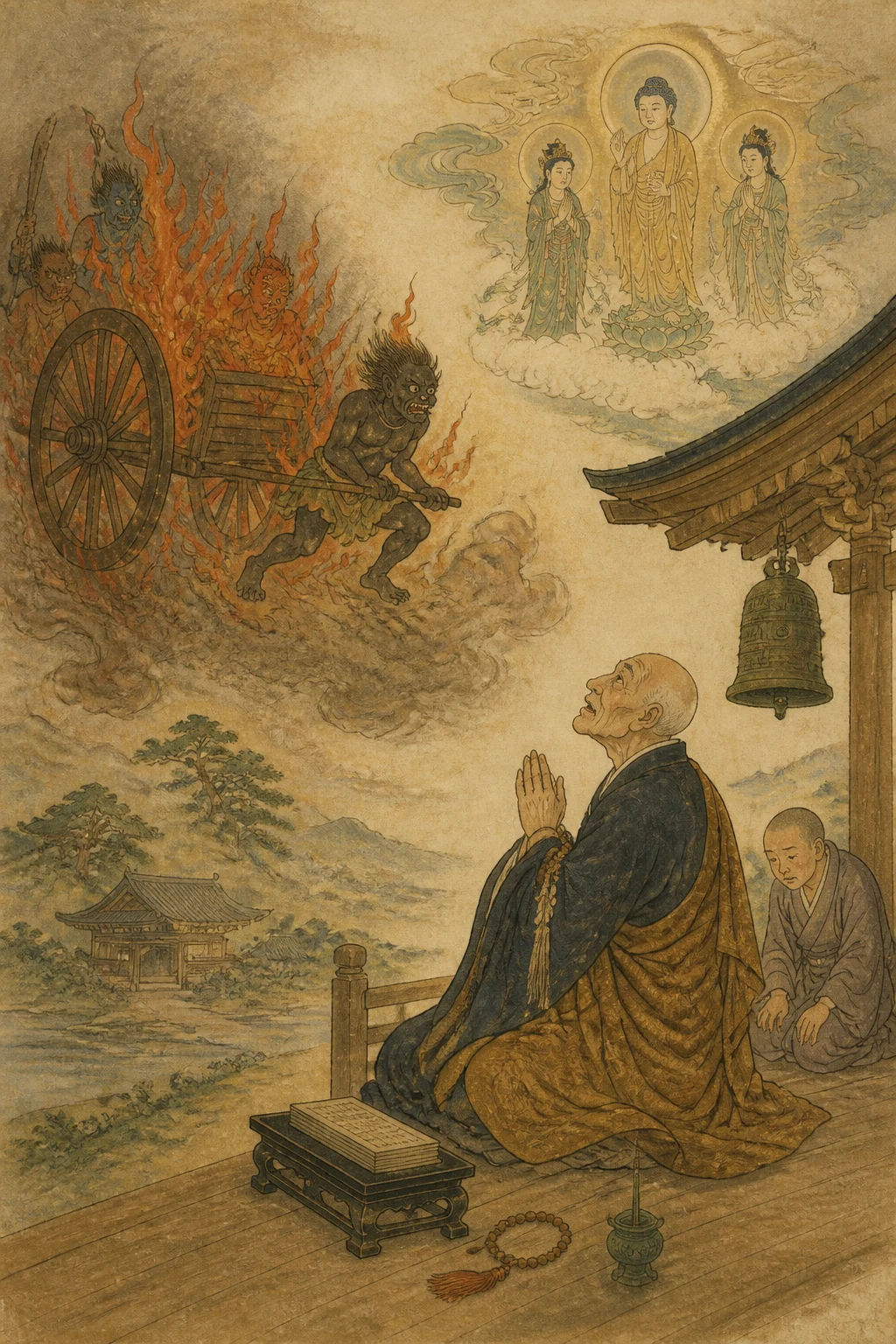
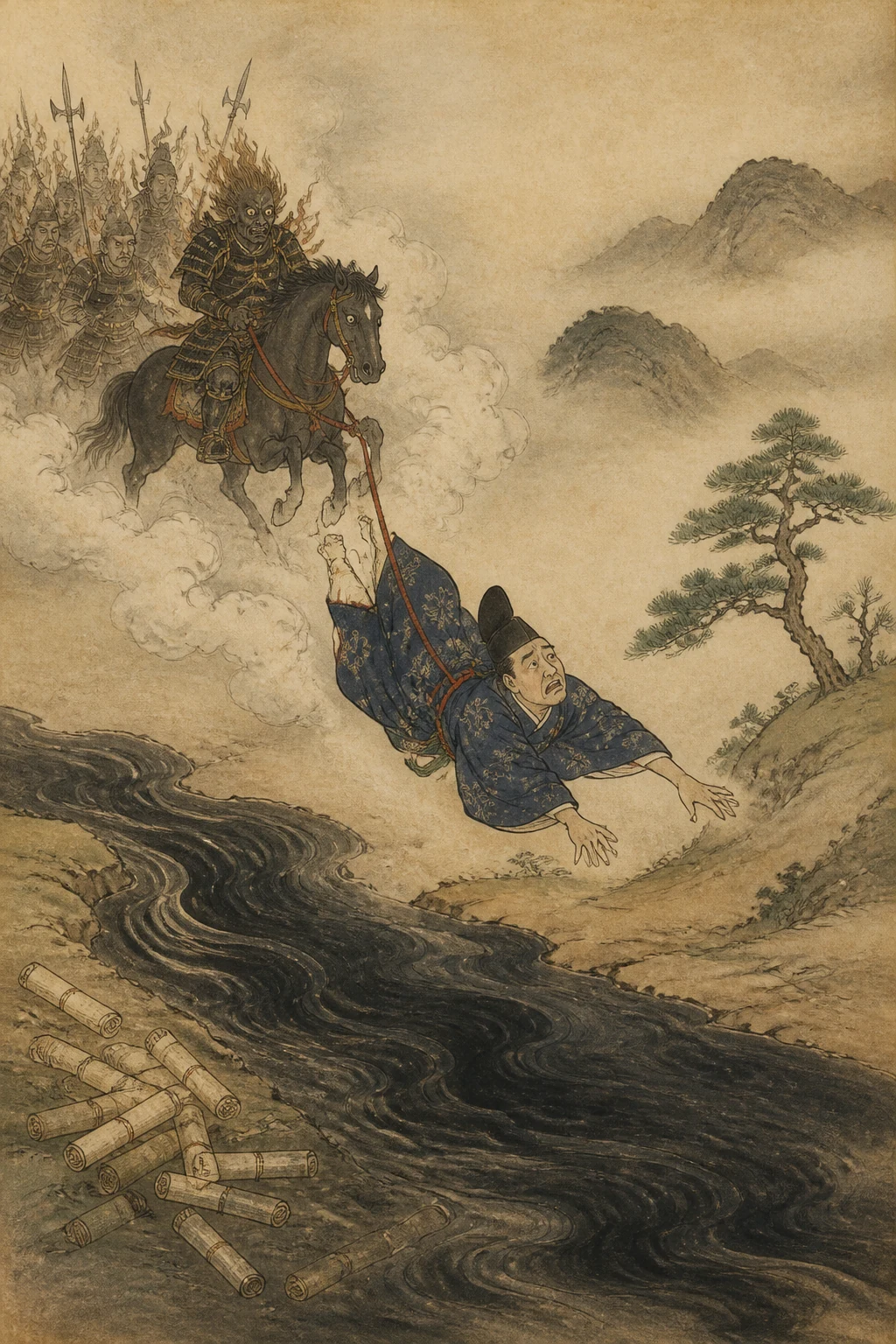
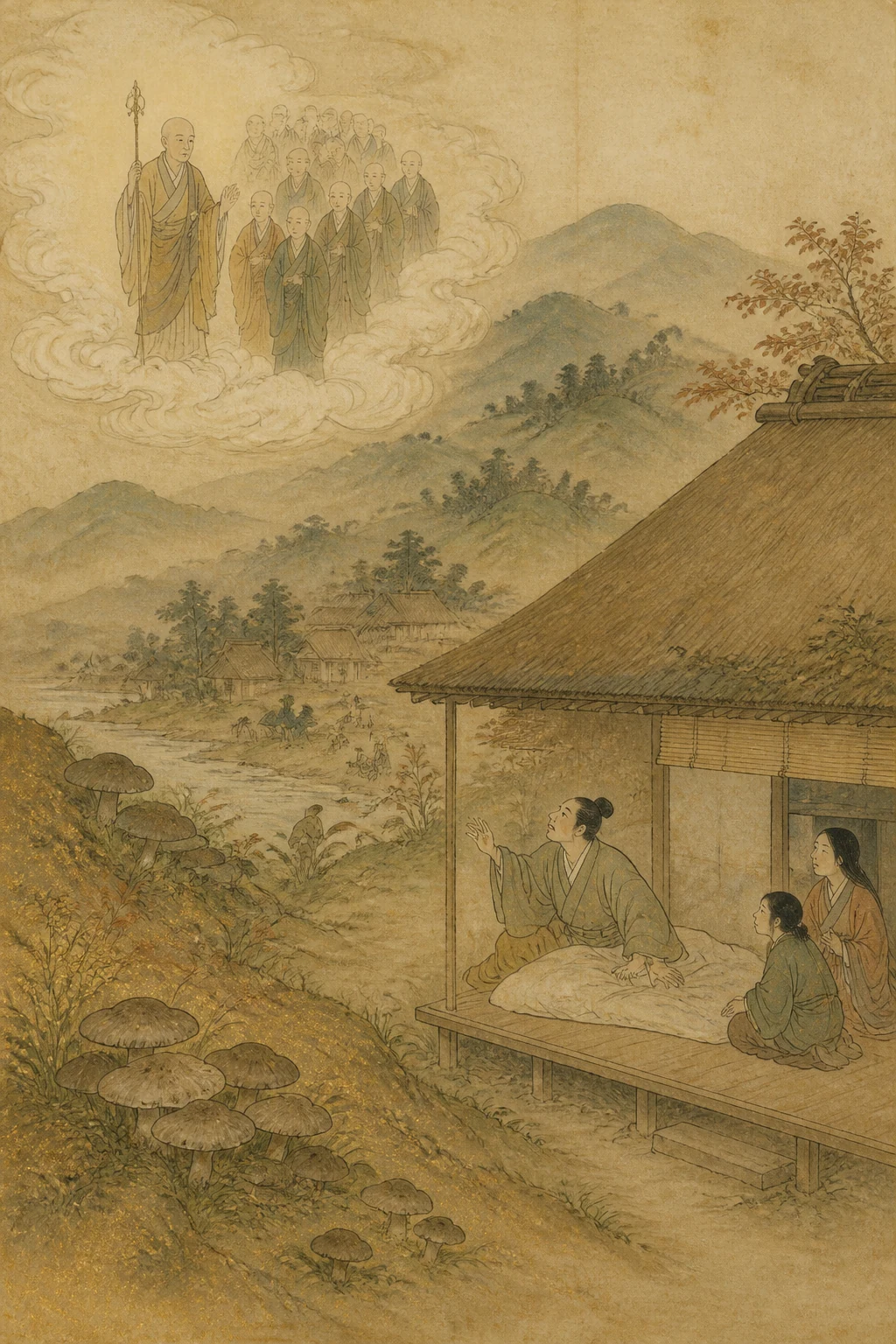
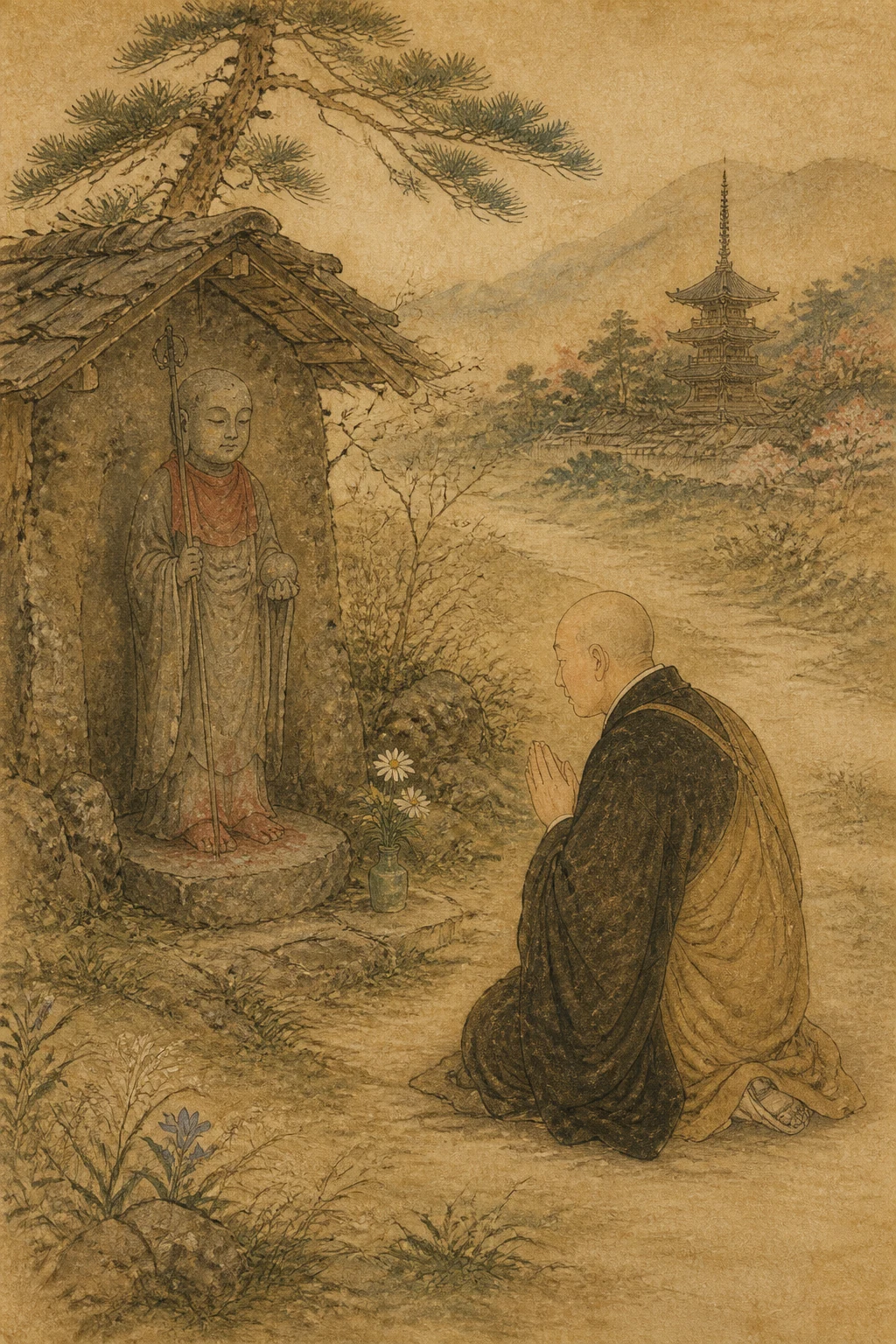
This, too, happened long ago. At Yokawa on Mount Hiei there was a monk called Kanō Chiin, an utterly shameless breaker of the precepts who spent his days and nights doing nothing but appropriating temple property for his own use. He served as the administrator of Yokawa. On his way to the administrative office, he would often pass the foot of the pagoda. There he noticed an old image of Jizō that had been cast aside among some odds and ends. Sometimes, as he passed, he would remove the cloth covering his head, incline his head a little, and offer a modest bow of reverence. In time, Kanō died. When his master, a high-ranking priest, heard the news, he was deeply grieved and filled with boundless pity. “That monk was a shameless breaker of the precepts,” he thought. “There can be no doubt that he will fall into hell in the life to come.” Around this time, people in the monastery began saying to one another, “The Jizō at the foot of the pagoda has not been seen lately. What can have happened to it?” Some suggested that someone might have taken it away to have it repaired. Then the high priest had a dream. In it he asked, “Why has this Jizō disappeared?” A monk standing nearby replied, “This Bodhisattva Jizō went into the Hell of Unceasing Torment with Kanō Chiin on the very day he fell there, intending to save him.” Even in his dream, the priest was utterly astonished. “Why would he accompany such a sinner into hell?” he asked. “Because, whenever Kanō passed the foot of the pagoda, he would look toward Jizō and sometimes bow before him,” came the reply. When the priest awoke, he went himself to the foot of the pagoda and found that Jizō was indeed gone. “Then has he truly gone with that monk?” he wondered. Some time later, the high priest had another dream. He went to the foot of the pagoda and found Jizō standing there. “You are the Jizō who disappeared,” he said. “How have you come back?” Someone answered, “He went into hell with Kanō, saved him, and returned. That is why his feet are burned.” When the priest looked, Jizō’s feet were indeed burned black. His amazement, even in the dream, knew no bounds. He awoke with tears streaming down his face and hurried to the foot of the pagoda. There, in waking life, Jizō stood. When he looked at the feet, he found that they were indeed burned. At the sight, he was overcome with sorrow and tenderness. Weeping, he lifted the image in his arms and carried it out from where it stood. It is said to survive to this day and to stand about two shaku and five sun high. The person who told this story had himself worshipped before it.
Izvirnik
082 山横川賀能地蔵事
Naslednje strani prikazujejo izvirno besedilo za primerjavo.
これも今はむかし山の横川に賀能知院といふ僧きはめて破戒無慙のものにて昼夜に仏の物をとりつかふ事をのみししけり横川の執行にてありけり政所へ行とて塔のもとをつねに過ありきけれは塔のもとにふるき地蔵の物の中に捨をきたるをきとみたてまつりて時々きぬかふりしたるをうちぬき頭をかたふけてすこしすこしうやまひおかみつつ行時もありけりかかる程にかの賀能はかなく失ぬ師の僧都是をききて彼僧は破戒無慚の物にて後世さためて地獄に落ん事うたかひなしと心うかりあはれみ給事かきりなしかかる程に塔のもとの地蔵こそこの程みえ給はねはいかなる事にかと院内の人々いひあひたり人の修理したてまつらんとてとり奉たるにやなといひける程に此僧都の夢にみ給やう此地蔵のみえ給はぬはいかなる事そと尋給にかたはらに僧有て
いはく此地蔵菩薩はやう賀能知院か無間地獄に落しその日やかて助んとてあひくして入給也といふ夢心ちにいとあさましくていかにしてさる罪人にはくして入給たるそと問給へは塔のもとを常に過るに地蔵をみやり申て時々おかみ奉しゆへなりとこたふ夢覚て後みつから塔のもとへおはしてみ給に地蔵まことにみえ給はすさは此僧にまことにくしておはしたるにやとおほす程に其後又僧都の夢に見給やう塔のもとにおはしてみ給へは此地蔵立給たりこれは失させ給し地蔵いかにしていてき給たるそとのたまへは又人のいふやう賀能くして地獄へ入てたすけて帰給へるなりされは御あしのやけ給へる也といふ御足をみ給へは誠に御足くろう焼給ひたり夢心ちに誠にあさましき事限なしさて夢さめて泪とまらすしていそきおはして塔のもとをみ給へはうつつにも地蔵
立給へり御足をみれは誠にやけ給へりこれをみ給にあはれにかなしき事かきりなしさてなくなく此地蔵をいたき出したてまつり給てけりいまにおはします二尺五寸斗の程にこそと人はかたりしこれかたりける人おかみたてまつりけるとそ
Nadaljuj z branjem