Waltey
Zgodba o ribah v tolmunu
Tisoč in ena noč · arabska pripovedna tradicijaO besedilu
Zgodba o ribah v tolmunu
- Vir
- Tisoč in ena noč
- Avtor
- arabska pripovedna tradicija
- Jezik branja
- English
- Jezik izvirnika
- Arabic
- Čas branja
- 5 min branja
- Obseg
- 4 strani
- Naslov izvirnika
- حكاية السمك في غدير الماء - الليلة ٩٠٣
O izvirniku
Tisoč in ena noč
Zgodbe v zgodbah, polne trgovcev, dvorov, preoblek in nočnih zapletov. Bralni jezik je English, izvirnik pa prihaja iz vira Tisoč in ena noč v jeziku Arabic.
Besedilo
Zgodba o ribah v tolmunu
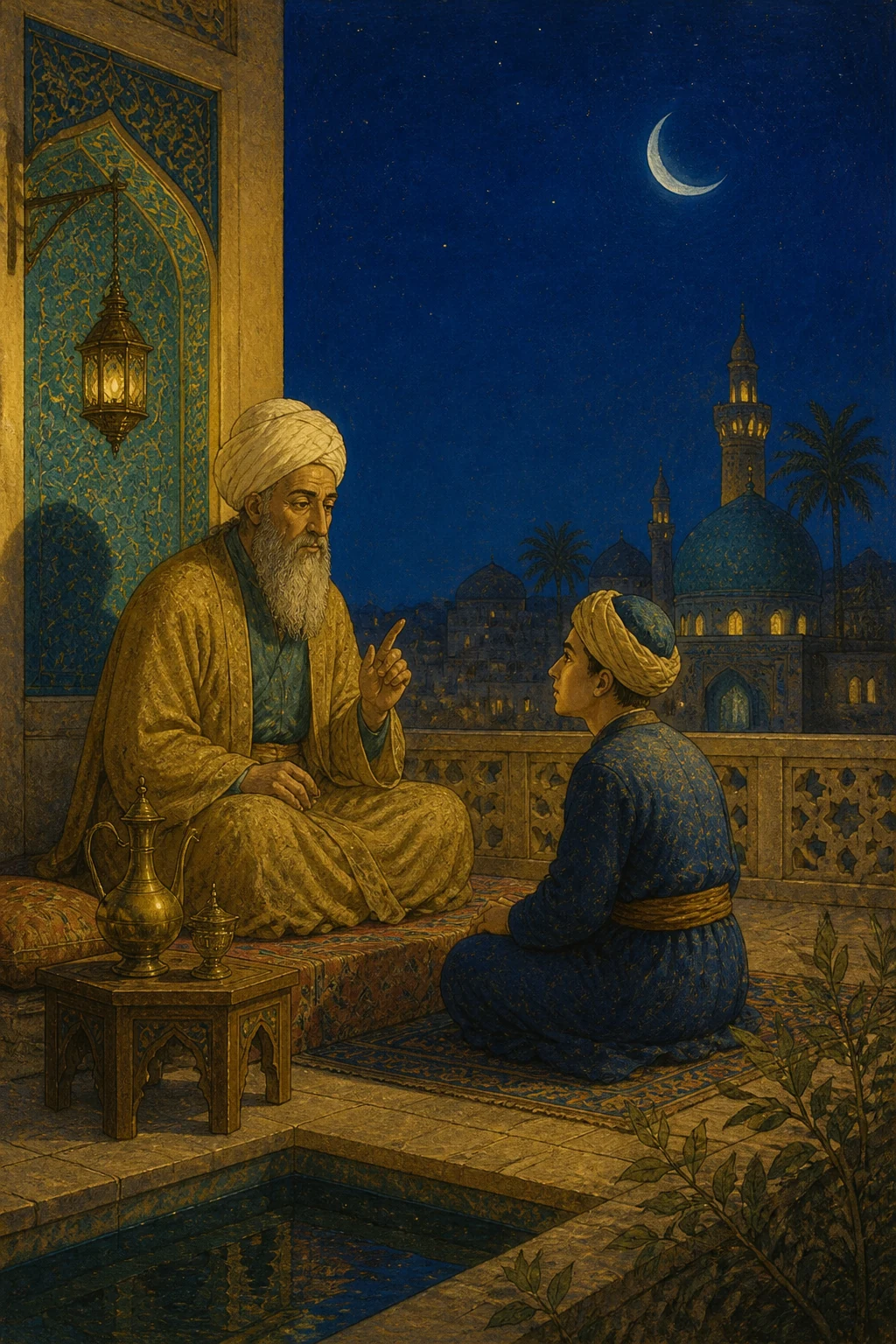
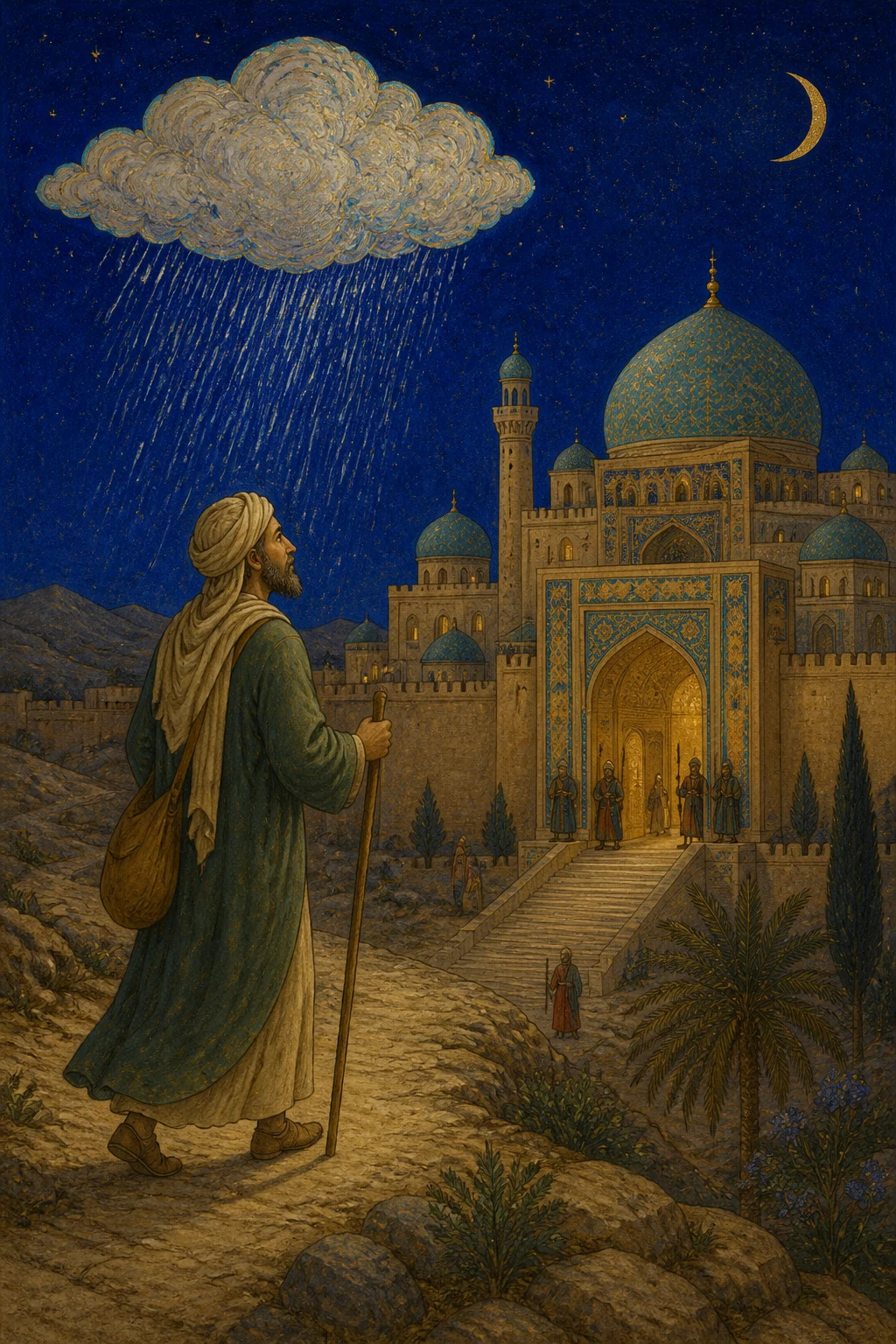
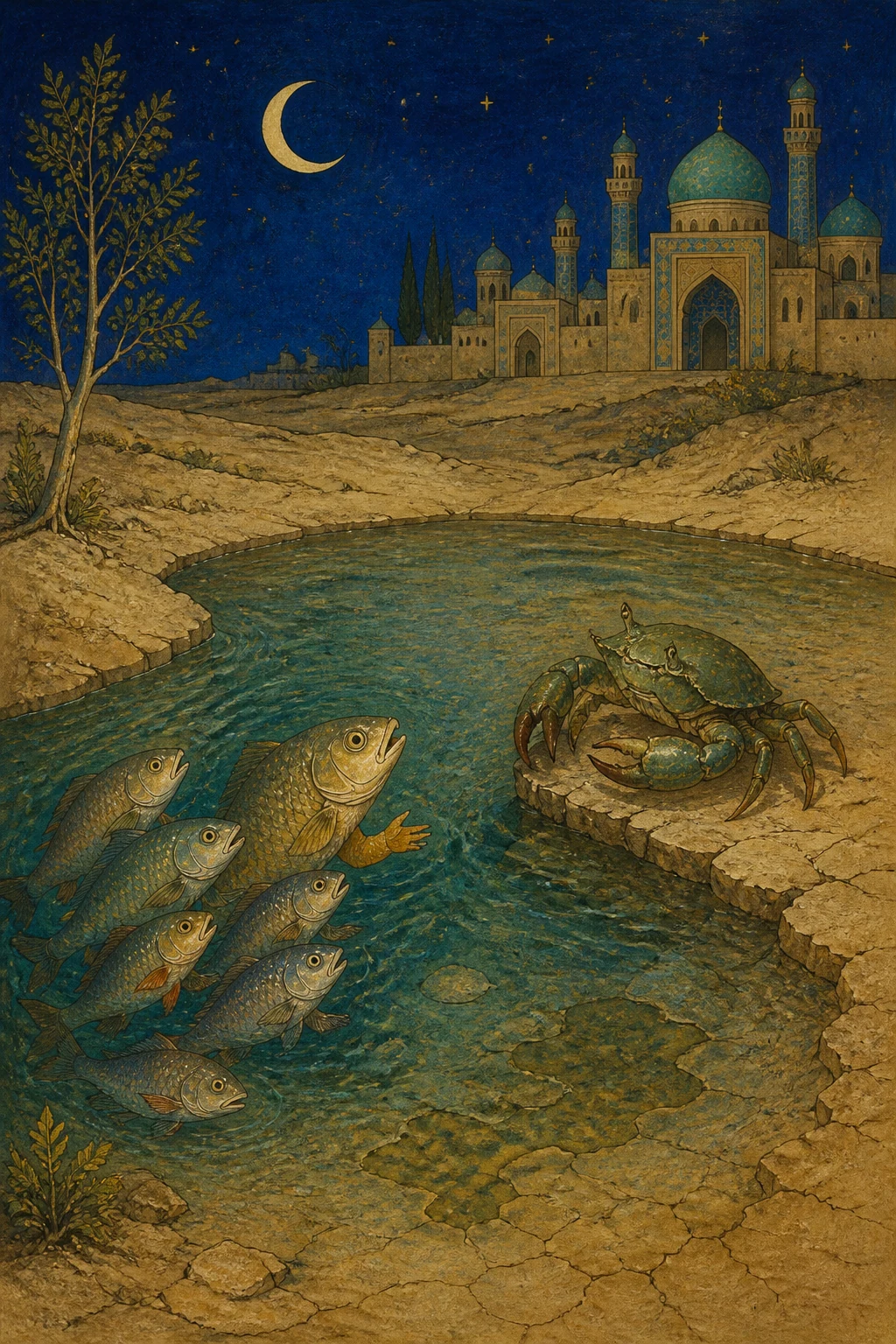
She said: It has reached me, O fortunate king, that the vizier Shammas said to the king, “God Most High has accepted our prayers and answered our supplications, granting us speedy relief, just as He once did for some fish in a pool.” The king asked, “What is the story of the fish? How did that come about?” Shammas replied, “Know, O king, that in a certain place there was a pool inhabited by a number of fish. In time its waters dwindled and drew together, until scarcely enough remained to sustain them, and they were near death. They said, ‘What is to become of us? What can we do? Whom can we consult about our deliverance?’ Then one of them, the oldest and wisest, came forward and said, ‘We have no means of escape but to seek help from God. Still, let us ask the crab’s advice, for he is older than any of us. Come, let us go to him and see what counsel he can offer, for he understands the true meaning of things better than we do.’ They approved her suggestion and went all together to the crab. They found him resting in his usual place, knowing nothing of their plight. They greeted him and said, ‘Our lord, does our fate not concern you, when you are our ruler and chief?’ The crab answered, ‘Peace be upon you, too. What is the matter with you? What do you want?’ They told him their story and of the calamity that had befallen them as the water dwindled, explaining that they would perish when it dried up. Then they said, ‘We have come to seek your counsel and learn how we may be saved, for you are our elder and know more than we do.’ At this he bowed his head for a long while, then said, ‘Surely you show little wisdom in despairing of the mercy of God Most High and His provision for all His creatures. Do you not know that God, glorified and exalted be He, provides for His servants without measure? Before He created anything, He ordained the sustenance of all His creatures, and by His divine power allotted to each a fixed span of life and an appointed share of provision. Why, then, should we trouble ourselves over something already written in the unseen? In my judgment, nothing is better than to seek help from God Most High. Let each of us, therefore, set his heart right with his Lord, in private and in public, and pray that God may deliver us and save us from adversity. For God Most High does not disappoint those who put their trust in Him, nor reject the plea of those who entreat Him. If we mend our ways, our affairs will be set right, and every blessing and bounty will come to us. And when winter comes and floods our land in answer to the prayers of the righteous among us, He will not undo the good He has wrought. My counsel is that we be patient and await what God will do with us. If a natural death comes upon us, we shall be at rest; and if something befalls us that compels us to flee, we shall flee and leave our land for wherever God wills.’ All the fish answered with one voice, ‘You have spoken truly, our lord. May God reward you for your kindness to us!’ Each returned to its place, and only a few days passed before God sent them such heavy rain that the pool filled to a level higher than before. So it was with us, O king: we had despaired of your ever having a child. Now that God has bestowed this blessed child upon us and upon you, we ask God Most High to bless him, to make him a joy to your eyes and a righteous successor, and to grant us through him the same bounty He has granted us through you. For God Most High does not disappoint those who turn to Him, and no one should ever lose hope in God’s mercy.”
Then the second vizier rose and greeted the king, who answered, “Peace be upon you, too.” The vizier said, “A king is worthy of the name only when he is generous and just, governs wisely, bestows honour, and treats his subjects well by upholding the laws and customs established among the people. He must secure justice for them against one another, safeguard their lives, and keep harm from them. He must be known for never neglecting their poor, for aiding both the highest and the lowest, and for granting them their rightful due, so that all pray for him and obey his commands. For there is no doubt that a king of this character is beloved by his subjects, attaining the highest rank in this world and, in the world to come, honour and the pleasure of his Creator. We, your servants, acknowledge, O king, that you possess all the qualities we have described. As the saying goes, ‘All is well when a people’s king is just, their sage is skilled, and their scholar is learned and acts upon his learning.’ We now enjoy this felicity, though before this we had fallen into despair of your ever having a child to inherit your kingdom. But God, glorious is His name, did not disappoint your hope. He accepted your prayer because you thought well of Him and entrusted your affairs to Him. How excellent was your hope! What happened to the crow and the serpent has now happened to you.” The king asked, “How was that? What is the story of the crow and the serpent?”
Izvirnik
حكاية السمك في غدير الماء - الليلة ٩٠٣
Naslednje strani prikazujejo izvirno besedilo za primerjavo.
فلما كانت الليلة ٩٠٣
قالت: بلغني أيها الملك السعيد، أن الوزير شماسًا قال للملك: إن الله تعالى قد تقبَّلَ منَّا واستجابَ دعاءنا، وآتانا الفرج القريب مثل ما آتى بعض السمك في غدير الماء. فقال الملك: وما حكاية السمك؟ وكيف ذلك؟ فقال شماس: اعلم أيها الملك أنه كان في بعض الأماكن غدير ماءٍ، وكان فيه بعض سمكات، فعرض لذلك الغدير أنه قلَّ ماؤه وصار ينضمُّ بعضه إلى بعضٍ، ولم يَبْقَ من الماء ما يسعفها، فكادت أن تهلك وقالت: ما عسى أن يكون من أمرنا؟ وكيف نحتال؟ ومَن نستشيره في نجاتنا؟ فقامت سمكة منهن وكانت أكبرهن عقلًا وسنًّا، وقالت: ما لنا حيلة في خلاصنا إلا الطلب من الله، ولكن نلتمس الرأي من السرطان، فإنه أكبرنا، فهلمُّوا بنا إليه لننظر ما يكون من رأيه؛ لأنه أكثر منَّا معرفةً بحقائق الكلام. فاستحسنوا رأيها وجاءوا بأجمعهم إلى السرطان، فوجدوه رابضًا في موضعه وليس عنده علمٌ ولا خبرٌ ممَّا هم فيه، فسلَّموا عليه وقالوا له: يا سيدنا، أَمَا يعنيك أمرنا وأنت حاكمنا ورئيسنا؟ فأجابهم السرطان قائلًا: وعليكم السلام، ما الذي بكم؟ وما تريدون؟ فقصُّوا عليه قصتهم وما دهاهم من أمر نقص الماء، وأنه متى نشف حصل لهم الهلاك، ثم قالوا له: وقد جئناكَ منتظرين رأيكَ وما يكون فيه النجاة؛ لأنك كبيرنا وأعرف منَّا. فعند ذلك أطرق رأسه مليًّا، ثم قال: لا شكَّ أن عندكم نقص عقلٍ ليأسكم من رحمة الله تعالى وكفالته بأرزاق خلائقه جميعًا، أَلَمْ تعلموا أن الله سبحانه وتعالى يرزق عباده بغير حساب، وقدَّرَ أرزاقهم قبل أن يخلق شيئًا من الأشياء، وجعل لكلِّ شخص عمرًا محدودًا ورزقًا مقسومًا بقدرته الإلهية، فكيف نحمل هَمَّ شيءٍ هو في الغيب مسطور؟ والرأي عندي أنه لم يكن أحسن من الطلب من الله تعالى، فينبغي أنَّ كلَّ واحد منَّا يصلح سريرته مع ربِّه في سرِّه وعلانيته، ويدعو الله أن يخلِّصنا وينقذنا من الشدائد؛ لأن الله تعالى لا يخيب رجاء مَن توكَّلَ عليه، ولا يردُّ طلبَ مَن توسَّلَ إليه، فإذا أصلحنا أحوالنا استقامت أمورنا، وحصل لنا كلَّ خير ونعمة، وإذا جاء الشتاء وغمر أرضنا بدعاء صالحنا، فلا يهدم الخير الذي بناه، فالرأي أن نصبر وننتظر ما يفعله الله بنا، فإنْ كان يحصل لنا موت على العادة استرحنا، وإنْ كان يحصل لنا ما يوجب الهروبَ هربنا ورحلنا من أرضنا إلى حيث يريد الله. فأجاب السمك جميعه من فم واحد: صدقتَ يا سيدنا، جزاك الله عنَّا خيرًا. وتوجَّهَ كلُّ واحدٍ منهم إلى موضعه، فما مضى إلا أيامٌ قلائل وأتاهم الله بمطرٍ شديدٍ حتى ملأ محلَّ الغدير زيادةً عمَّا كان أولًا. وهكذا نحن أيها الملك كنَّا يائسين من أن يكون لك ولد، وحيث مَنَّ الله علينا وعليك بهذا الولد المبارك، فنسأل الله تعالى أن يجعله ولدًا مباركًا، وأن تقرَّ به عينك ويجعله خليفةً صالحًا، ويرزقنا منه مثلَ ما رزقنا منك، فإن الله تعالى لا يخيِّب مَن قصده، ولا ينبغي لأحدٍ أن يقطع رجاءَه من رحمة الله.
ثم قام الوزير الثاني وسلَّمَ على الملك، فأجابه الملك قائلًا: وعليكم السلام. فقال ذلك الوزير: إن الملك لا يُسمَّى ملكًا إلا إذا أعطى وعدل وحكم وأكرَمَ وأحسَنَ سيرته مع رعيته بإقامة الشرائع والسنن المألوفة بين الناس، وأنصف بعضهم من بعض، وحقَنَ دماءَهم وكفَّ الأذى عنهم، ويكون موصوفًا بعدم الغفلة عن فقرائهم، وإسعاف أعلاهم وأدناهم، وإعطائهم الحقَّ الواجب لهم حتى يصيروا جميعًا داعين له ممتثلين لأمره؛ لأنه لا شكَّ أن الملك الذي بهذه الصفة محبوبٌ عند الرعية، مُكتسِبٌ من الدنيا عُلاها، ومن الآخرة شرفها ورضا خالقها، ونحن معاشر العبيد معترِفون لك أيها الملك بأن جميع ما وصفناه عندك كما قيل: خير الأمور أن يكون ملك الرعية عادلًا، وحكيمها ماهرًا، وعالمها خبيرًا عاملًا بعلمه، ونحن الآن متنعِّمون بهذه السعادة، وكنَّا قبل ذلك قد وقعنا في اليأس من حصول ولد لك يرث ملكك، ولكن الله جلَّ اسمه لم يخيِّب رجاءَك وقبِلَ دعاءك لحُسْن ظنك به، وتسليم أمرك إليه، فنِعْم الرجاء رجاؤك، وقد صار فيك ما صار للغراب والحية. فقال الملك: وكيف ذلك؟ وما حكاية الغراب والحية؟
Nadaljuj z branjem