Waltey
Zgodba o mladeniču Azizu
Tisoč in ena noč · arabska pripovedna tradicijaO besedilu
Zgodba o mladeniču Azizu
- Vir
- Tisoč in ena noč
- Avtor
- arabska pripovedna tradicija
- Jezik branja
- English
- Jezik izvirnika
- Arabic
- Čas branja
- 77 min branja
- Obseg
- 62 strani
- Naslov izvirnika
- حكاية الشاب عزيز - الليالي ١١٢ إلى ١٢٩
O izvirniku
Tisoč in ena noč
Zgodbe v zgodbah, polne trgovcev, dvorov, preoblek in nočnih zapletov. Bralni jezik je English, izvirnik pa prihaja iz vira Tisoč in ena noč v jeziku Arabic.
Besedilo
Zgodba o mladeniču Azizu
The young man said, “Know, my lord, that my father was a great merchant and had no child but me. I had a cousin, my paternal uncle’s daughter, who was brought up with me in my father’s house, for her father had died. Before his death, he and my father had agreed to marry us to one another. When I reached manhood and she reached womanhood, they did not keep her secluded from me, nor me from her. Then my father spoke to my mother, saying, ‘This year we shall draw up the marriage contract between Aziz and Aziza.’ My mother agreed, and my father began laying in provisions for the wedding feasts. All this while, my cousin and I slept together in one bed, knowing nothing of such matters, though she was more perceptive, knowledgeable, and understanding than I. When my father had completed the wedding preparations and nothing remained but the marriage contract and my taking my cousin as my wife, he decided that the contract should be drawn up after Friday prayers. He went to his friends, merchants and others, and told them, while my mother invited her women friends and relatives. When Friday came, they washed the reception hall and its marble floor, spread carpets throughout our house, and furnished it with everything needed, having hung the walls with gold-brocaded cloth. The guests agreed to come to our house after Friday prayers. My father had sweets and dishes of sugar confections prepared, and nothing remained but the signing of the contract. My mother sent me to the bathhouse and had a new suit of the finest clothes sent after me. When I came out of the bath, I put on these splendid garments, which had been perfumed, and their sweet fragrance filled the street. I was about to go to the mosque when I remembered a friend of mine and turned back to look for him, so that he might attend the signing of the marriage contract. ‘I shall occupy myself with this,’ I thought, ‘until it is nearly time for prayers.’
“Then I entered an alley I had never entered before. I was sweating from the bath and the new clothes I wore, and as my sweat flowed, my perfume rose about me. I sat down to rest on a stone bench at the entrance to the alley, spreading beneath me an embroidered handkerchief I had with me. The heat grew oppressive, and sweat trickled from my brow down my face. I could not wipe it away with the handkerchief, since I was sitting on it, so I reached for the skirt of my outer robe to wipe my cheeks. Suddenly a white handkerchief fell upon me from above, finer than the breeze and more welcome to the eye than recovery to the sick. I took it in my hand and raised my head to see where it had fallen from, and my eyes met those of the mistress of this gazelle.” But morning overtook Shahrazad, and she fell silent, leaving her tale untold.
When it was the hundred and thirteenth night
She said, “I have heard, O fortunate king, that the young man said to Taj al-Muluk, ‘I raised my head to see where the handkerchief had fallen from, and my eyes met those of the mistress of this gazelle. She was leaning out through an opening in a brass lattice window, and my eyes had never beheld anyone more beautiful. In short, my tongue cannot describe her. When she saw me looking at her, she put a finger in her mouth, then joined her middle finger to her forefinger and laid them on her breast between her bosoms. Then she drew her head back, shut the little window, and went away. Fire blazed in my heart, its heat grew fiercer, and that single glance left me with a thousand regrets. I was bewildered, for I had heard nothing she said and understood nothing of her signs. I looked up again, but the window was closed. I waited patiently until sunset without hearing a sound or seeing a soul. At last, despairing of seeing her, I rose and took the handkerchief with me. I unfolded it, and a fragrance of musk wafted from it, filling me with such delight that I seemed to be in Paradise. Then I spread it out before me, and a delicate slip of paper fell from it. I opened the paper and found it steeped in sweet perfumes, with these verses written upon it:
“‘I sent him my complaint of love’s deep pain, in slender script—for many are writing’s arts. He said, “My friend, why is your writing thus, so fine and faint the eye can scarcely read it?” I said, “Because I too am wasted, frail; such is the writing of all lovers’ hands.” After reading these verses, I let my eyes wander over the lovely handkerchief and found these two couplets embroidered along one border:
“‘His down has written—what a scribe it is!—two lines of basil on his tender cheeks. How dazzled are sun and moon when he appears; how shamed the boughs when he sways as he walks!’ On the other border were these two couplets:
“‘His down has traced, in ambergris on pearl, two lines of jet upon the apples of his cheeks. Death lies within his languid eyes when they gaze forth; drunkenness dwells in his cheeks, not in the wine.’ When I saw the poetry on the handkerchief, flames leapt within my heart, and my longing and distraction grew. I took the handkerchief and the paper home, knowing no way to attain union and unable to make sense of all that love had brought me. It was some time into the night before I reached the house. There I found my cousin sitting in tears. When she saw me, she wiped her eyes, came over to me, and helped me out of my clothes. She asked why I had been absent and told me that all the guests—emirs, dignitaries, merchants, and others—had gathered at our house. The judge and witnesses had come, and everyone had eaten and sat for a long time waiting for me, so that the marriage contract could be drawn up. When they despaired of my coming, they dispersed and went their ways. ‘Your father was furiously angry,’ she said, ‘and swore he would not have our marriage contract drawn up until next year, for he has spent a great deal of money on this wedding.’ Then she asked, ‘What happened to you today, that you stayed away so late and caused all this by your absence?’ I told her what had happened, mentioned the handkerchief, and related the whole story from beginning to end. She took the paper and the handkerchief and read what was written on them. Tears flowed down her cheeks, and she recited these verses:
“‘If someone says that love begins in choice, tell him, “You lie: it is compulsion, all.” What shame can follow what we cannot help? The tales of lovers bear this truth out well. Call it, if you wish, a torment that tastes sweet, a throbbing in the heart, a beating dealt; a blessing, curse, or longing of the soul, in which it finds its solace—or its death. Yet all its days are festivals of joy, and ever smiling are those days’ bright lips; its fragrant breaths return like festive seasons, and love effaces all that brings disgrace.’ Then she said to me, ‘What did she say to you, and what signs did she make?’ I answered, ‘She said nothing. She only put a finger in her mouth, then joined it to her middle finger and laid the two fingers on her breast. She pointed to the ground, drew in her head, and shut the window. I never saw her again, and she took my heart with her. I sat until sunset, hoping she would look out again, but she did not. When I lost hope, I left that place. That is my story, and I beg you to help me in this affliction.’ She raised her head and said, ‘Cousin, if you asked for my eye, I would pluck it from beneath my eyelids for you. I shall certainly help you gain what you desire, and help her gain what she desires, for she is as much in love with you as you are with her.’ ‘What do her signs mean?’ I asked. She replied, ‘Putting her finger in her mouth means that you are as dear to her as the soul within her body, and that she would cling to union with you with her very teeth. The handkerchief is a lover’s greeting to the beloved, and the paper means that her soul is bound to you. As for laying two fingers on her breast between her bosoms, she is telling you, “Come here in two days, so that the sight of you may relieve my suffering.” Know, cousin, that she loves you and trusts you. That is my interpretation of her signs. If I were free to come and go, I would bring you together without delay and shelter you both beneath the hem of my robe.’” The young man continued, “When I heard this, I thanked her for her words and told myself that I would wait two days. I stayed at home for those two days, neither going out nor coming in, neither eating nor drinking. I laid my head in my cousin’s lap while she comforted me, saying, ‘Be steadfast and brave; set your heart and mind at ease.’” But morning overtook Shahrazad, and she fell silent, leaving her tale untold.
When it was the hundred and fourteenth night
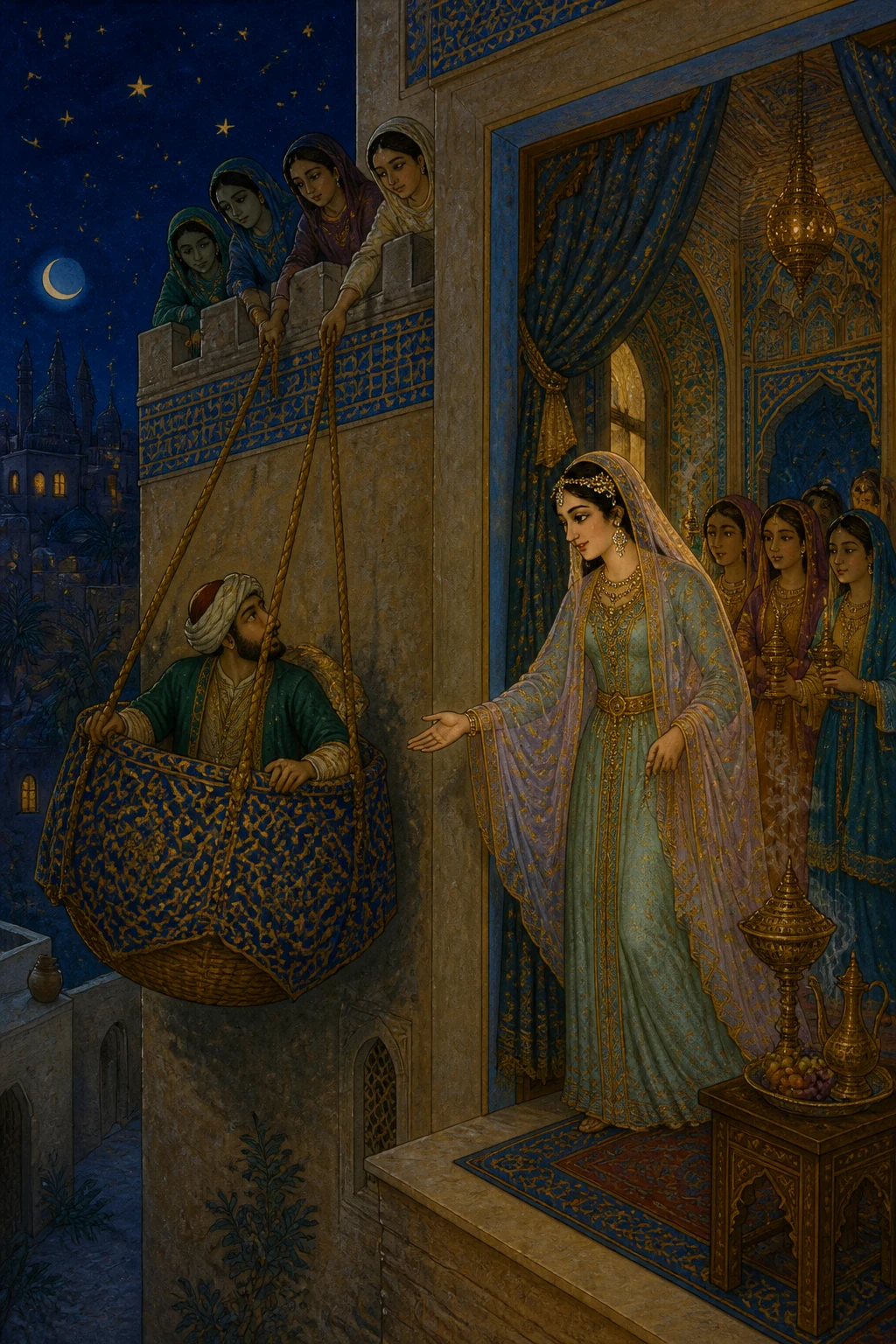
She said, “I have heard, O fortunate king, that the young man said to Taj al-Muluk, ‘When the two days had passed, my cousin said, “Be happy and take comfort. Summon your courage, put on your clothes, and go to her at the appointed time.” She rose, changed my clothes, and perfumed me with incense. Then I gathered my strength, took heart, and went out. I walked until I reached the alley and sat for a while on the bench. Suddenly the window opened. I looked up at her, and the moment I saw her, I fainted. When I recovered, I summoned my courage and looked at her again, only to lose all awareness once more. When I came to, I saw that she had a mirror and a red handkerchief. On seeing me, she bared her forearms, spread her five fingers, and struck her breast with her open palm. Then she raised her hands and held the mirror out of the window. Taking the red handkerchief, she went inside and returned, then lowered it from the window towards the alley three times, letting it down and drawing it up. After that she wrung it, folded it in her hand, and bowed her head. Then she withdrew into the room, shut the window, and went away without speaking a single word. She left me bewildered, not knowing what her signs meant. I remained sitting there until nightfall and came home near midnight. I found my cousin with her hand against her cheek, tears pouring from her eyes as she recited these verses:
“‘What ails me? None reproaches me for loving you. How can I find forgetfulness, when you are a slender bough? O face that stole my heart and turned away, my chaste devotion has no path but yours. Your Turkish eyes work such havoc in my breast as no keen, polished blade could ever wreak. You load me with the heavy weight of love, when I can scarcely bear my shirt, so weak am I. I have wept blood to hear my chiders say, “A naked blade will frighten you from your beloved’s eye.” Would that my heart were like your heart! My body, like your waist, is wasted into slenderness. My prince, among your beauties is a gaze too hard for me to bear, a brow that does me no justice. Whoever said all beauty dwelt in Joseph lied: how many Josephs live within your loveliness! I force myself to turn away from you, fearing the watchers’ eyes—how hard the effort is!’ When I heard her poetry, my grief increased and sorrows crowded in upon me. I collapsed in a corner of the room. She rose, lifted me up, took off my clothes, and wiped my face with her sleeve. Then she asked what had happened, and I told her everything the girl had done. She said, ‘Cousin, the open palm and five fingers mean, “Come back after five days.” As for showing you the mirror and putting her head out of the window, that means, “Sit at the dyer’s shop until my messenger comes to you.”’ At her words, fire blazed in my heart. ‘By God, cousin,’ I said, ‘your interpretation must be true, for I saw a Jewish dyer in the alley.’ Then I wept, and my cousin said, ‘Be brave and keep your heart firm. Other men spend years in love and bear its burning heat with patience, yet you have been in love scarcely a week. How can you give way to such despair?’ She went on soothing me and brought me food. I took a morsel and tried to eat it, but could not. I would neither eat nor drink, and sweet sleep deserted me. My face yellowed and my good looks faded, for I had never loved before and had never tasted love’s burning heat until then. I grew weak, and my cousin grew weak on my account. Every night she told me stories of lovers and their trials to comfort me until I slept. Whenever I woke, I found her keeping watch over me, tears running down her cheeks. So I remained until the five days had passed. Then my cousin rose, heated water, bathed me, and dressed me. ‘Go to her,’ she said. ‘May God grant your desire and bring you all you seek from your beloved.’ I went out and walked until I reached the entrance to the alley. It was a Saturday, and I found the dyer’s shop shut. I sat on its bench through the call to afternoon prayers, until the sun grew pale, the sunset prayer was called, and night fell. Still I saw no sign of her, heard no sound, and received no message. Sitting there alone, I began to fear for my safety, so I rose and walked home like a drunken man. When I entered, I saw my cousin Aziza gripping a peg driven into the wall with one hand and pressing the other against her breast, heaving sighs and reciting these verses:
“‘The longing of a Bedouin woman whose people have departed, who yearns for the moringa and laurel of the Hijaz—who, whenever she spies a caravan, has longing enough to kindle its welcoming fire, and tears enough to water it—is no greater than my longing for my love; yet he believes my love for him a sin.’ When she had finished her verses, she turned and saw me weeping. She wiped both her tears and mine with her sleeve, smiled at me, and said, ‘Cousin, may God give you joy in what He has bestowed on you! Why did you not spend the night with your beloved and obtain your desire from her?’ When I heard her words, I kicked her in the chest. She fell backwards onto the raised platform, and her forehead struck its edge, where there was a peg. I looked at her and saw that her forehead had split open and blood was flowing.” But morning overtook Shahrazad, and she fell silent, leaving her tale untold.
When it was the hundred and fifteenth night
She said, “I have heard, O fortunate king, that the young man said to Taj al-Muluk, ‘When I kicked my cousin in the chest, she fell against the edge of the platform and struck her forehead on the peg. Her brow split open and blood flowed, but she remained silent and did not utter a word. She rose at once, burned some tinder, packed the wound with it, and bound her head with a bandage. Then she wiped the blood from the carpet as though nothing had happened. She came over, smiled at me, and said gently, “By God, cousin, I did not say those words to mock either you or her. I have been occupied with the pain in my head and wiping away the blood, but now my head and forehead feel easier. Tell me what happened to you today.” I told her everything that had happened that day and then burst into tears. She said, “Cousin, rejoice: you will gain your wish and fulfil your hopes. This is a sign of acceptance. She stayed away only to test you, to discover whether you are patient and whether your love is sincere. Go back tomorrow to your former place and see what signs she makes. Your happiness is near, and your sorrows are passing.” She continued to console me, though my grief and anxiety only grew. Then she brought me food, but I kicked it away, sending each bowl flying in a different direction. “Every lover is mad,” I said. “He has no appetite for food and takes no pleasure in sleep.” “By God, cousin,” Aziza said, “that is indeed the sign of love.” Her tears flowed as she gathered the broken bowls and wiped up the food. Then she sat keeping me company while I prayed to God for morning to come.
“‘When morning dawned and its light shone forth, I hurried to her alley and sat on the bench. The window opened, and she put out her head, laughing. She disappeared and returned with a mirror, a bag, a pot full of green plants, and a lamp in her hand. First she took the mirror, put it into the bag, tied the bag, and threw it into the room. Then she let her hair fall over her face and set the lamp for a moment on top of the plants. After that she took everything away and shut the window. My heart was breaking over her conduct, her secret signs and hidden meanings, for she had never spoken a single word to me. My passion grew fiercer, and my longing and bewilderment increased. I turned back, weeping and heartsick, and went home. There I found my cousin sitting with her face to the wall, her heart burning with sorrow, distress, and jealousy. Yet her love prevented her from telling me anything of her own passion, seeing how consumed I was by longing and distraction. I looked at her and saw two bandages about her head: one over the wound on her forehead, the other over an eye that had become painful from excessive weeping. She was in a wretched state, weeping and reciting these verses:
“‘Wherever you may be, may you remain in safety, O you who have departed, yet dwell within my heart. Wherever night may find you, may God be your protector, saving you from the turns of time and all calamity. You are gone: my eyes grow desolate in your absence, and my tears pour down in streams. Would that I knew in what land and dwelling you have settled, in what abode or valley. If pure, clear water is your drink, the tears that flow from my eyes are mine. Everything but parting from you is sweet, even the estrangement between my side and sleep.’ When she had finished her verses, she looked up and saw me through her tears. She wiped them away and rose to meet me, but her grief was so great that she could not speak. She remained silent for some time before saying, ‘Cousin, tell me what happened with her this time.’ I told her everything, and she said, ‘Be patient. The hour of union has come, and your hopes will be fulfilled. By putting the mirror into the bag, she was telling you, “Wait until the sun has sunk from sight.” By letting her hair fall over her face, she meant, “When night comes and the blackness of darkness veils the light of day, come to me.” The pot of plants means, “When you come, enter the garden behind the alley.” As for the lamp, she was saying, “When you enter the garden, walk through it, and wherever you see a lamp burning, go there, sit beneath it, and wait for me, for love of you is killing me.”’ When I heard my cousin’s words, I cried out in the violence of my passion. ‘How often you promise me!’ I said. ‘Yet I go to her and gain nothing, and find no truth in your interpretations.’ My cousin laughed and said, ‘All the patience you still need is to wait out the rest of this day, until daylight departs and night comes with its darkness. Then you will enjoy union and fulfil your hopes. This is the truth, without a lie.’ Then she recited these two couplets:
“‘Let the days pass, and pass they will; do not enter the houses of sorrow. Many a thing beyond all reach is brought near by the hour of deliverance.’ Then she came over and comforted me with gentle words. She did not dare bring me any food, fearing my anger and hoping to win my affection. All she sought was to come close and help me out of my clothes. Then she said, ‘Cousin, sit with me, and let me tell you something to while away the hours until evening. God willing, night will not come before you are with your beloved.’ I paid her no heed, but waited for night, saying, ‘Lord, hasten the coming of night!’ When darkness fell, my cousin wept bitterly and gave me a pellet of pure musk. ‘Cousin,’ she said, ‘put this in your mouth. When you meet your beloved, have your desire of her, and she has granted you all you wish, recite this verse to her:
“‘O lovers, tell me, in God’s name: when love overwhelms a young man, what should he do?’ Then she kissed me and made me swear that I would not recite the verse until I was leaving her. ‘I hear and obey,’ I said. I went out at nightfall and walked until I reached the garden. Its gate was open, so I entered and saw a light in the distance. I made towards it and found a great pavilion beneath a dome of ivory and ebony, with a lamp hanging from its centre. The pavilion was spread with silk carpets embroidered in gold and silver, and beneath the lamps a great candle burned in a golden candlestick. In the middle stood a fountain adorned with figures of every kind. Beside it was a table covered with a silken cloth, and next to that a great porcelain bowl filled with wine, with a crystal cup ornamented in gold inside it. Nearby stood a large covered silver platter. I uncovered it and found all manner of fruit—figs, pomegranates, grapes, and bitter oranges—interspersed with fragrant flowers and herbs: roses, jasmine, myrtle, wild roses, narcissi, and every kind of sweet-scented bloom. I was enchanted by the place and filled with the greatest joy. All grief and sorrow left me, yet I found not a single soul in the house.” But morning overtook Shahrazad, and she fell silent, leaving her tale untold.
When it was the hundred and sixteenth night
She said, “I have heard, O fortunate king, that the young man said to Taj al-Muluk, ‘I was enchanted by the place and filled with joy, yet I found not a single soul there: no slave, no maidservant, no one attending to any of these things. I sat in the pavilion waiting for my heart’s beloved. The first hour of the night passed, then the second and the third, but she did not come. Hunger began to torment me, for in the anguish of my longing I had eaten nothing for a long time. Once I saw the place and knew that my cousin had correctly understood my beloved’s signs, I felt at ease and became aware of my hunger. From the moment I arrived, the smell of the food on the table had tempted me. Now, reassured that I would meet my beloved, I longed to eat. I went to the table and lifted the cover. In the centre I found a porcelain platter containing four chickens, roasted and seasoned with spices. Around it stood four bowls: one of sweetmeats, another of pomegranate seeds, a third of baklava, and a fourth of qatayif, offering both sweet and tart flavours. I ate some qatayif and a piece of meat, then turned to the baklava and ate a good deal of it. Next I tried the sweetmeats, taking one spoonful, or two, or three, or four. I ate part of a chicken and another mouthful, until my belly was full, my limbs relaxed, and I felt too sluggish to stay awake. I washed my hands and laid my head on a cushion. Sleep overcame me, and I knew nothing of what happened afterwards. I did not wake until the heat of the sun scorched me, for I had scarcely tasted sleep for days. When I awoke, I found salt and charcoal on my belly. I sprang to my feet and shook out my clothes, looking to right and left, but there was no one there. I discovered that I had been sleeping on the bare marble, without any bedding. Bewildered and deeply distressed, I wept with pity for myself. Then I rose and went home. When I arrived, I found my cousin beating her breast, her tears vying with rain clouds, and reciting these verses:
“‘A wind blew from the beloved’s land, a breeze whose fragrant breath awakened love. O breeze of youth, come hither to us; each lover has his share, his destined portion. Could we but do so, in our passion we would embrace you as a lover clasps the breast of his beloved. Since my cousin’s face has vanished, God has forbidden me all sweetness and delight in life. Would that I knew if his heart, like mine, were melting in love’s heat and flame.’ When she saw me, she rose quickly, wiped her tears, and came to me with gentle words. ‘Cousin,’ she said, ‘God has shown you kindness in your love, for the one you love loves you in return. Who, then, can blame me for weeping and grieving over our separation? But may God not call you to account for what you have done to me.’ Then she gave me a bitter smile, treated me tenderly, took off my clothes, and spread them out. ‘By God,’ she said, ‘these are not the scents of a man who has enjoyed his beloved. Tell me what happened, cousin.’ I told her everything, and she smiled bitterly again. ‘My heart is full of pain,’ she said, ‘but may no one live who brings pain to yours. This woman is treating you with great haughtiness. By God, cousin, I fear her on your behalf. Know that the salt means you were so lost in sleep that you were like a tasteless dish from which the appetite recoils. You must acquire some salt, some charm, lest people find you repellent. You claim to be one of love’s noble devotees, yet sleep is forbidden to lovers. Your claim to love is false, and so too is her love for you, for when she saw you asleep she did not wake you. Had her love been true, she would have woken you. As for the charcoal, it means, “May God blacken your face, for falsely claiming to be in love! You are only a child whose sole ambition is to eat, drink, and sleep.” That is the meaning of her signs. May Almighty God deliver you from her!’ When I heard her words, I struck my breast. ‘By God, this is the truth!’ I said. ‘I slept, and lovers do not sleep. I have wronged myself. Nothing has harmed me more than eating and sleeping. What am I to do?’ I wept still harder and said to my cousin, ‘Tell me what to do. Have mercy on me, and may God have mercy on you, or I shall die.’ My cousin loved me with a great love.” But morning overtook Shahrazad, and she fell silent, leaving her tale untold.
When it was the hundred and seventeenth night
She said, “I have heard, O fortunate king, that the young man said to Taj al-Muluk, ‘I said to my cousin, “Tell me what to do. Have mercy on me, and may God have mercy on you.” She loved me dearly, and replied, “With all my heart. But cousin, I have told you many times that if I were free to come and go, I would bring you together at once and shelter you both beneath the hem of my robe. I do all this only to please you, and, God willing, I shall spare no effort to unite you. But listen to my words and obey me. Go back to that same place and sit there. When night falls, take your seat where you sat before, but beware of eating anything, for eating brings on sleep. Above all, do not fall asleep, for she will not come until a quarter of the night has passed. May God preserve you from her harm.” I rejoiced at her words and began praying for night to come. When it fell and I was about to leave, my cousin said, “When you meet her, recite the verse I gave you before, just as you are leaving.” “With all my heart,” I replied.
“‘I went out to the garden and found everything arranged as before, with food, drink, delicacies, fragrant flowers, and all else one could need. I mounted the pavilion, and the smell of the food stirred my appetite. Again and again I tried to restrain myself, but I could not. I rose, went to the table, and lifted its cover. There was a dish of chicken surrounded by four bowls containing four different kinds of food. I ate a mouthful of each, helped myself to some sweetmeats, ate a piece of meat, and tasted the zarda. I liked it so much that I went on spooning it down until I was satisfied and my belly was full. Then my eyelids began to close. I took a cushion, put it beneath my head, and said, “Perhaps I can lean on it without sleeping.” I closed my eyes and slept, and did not wake until sunrise. On my belly I found a knucklebone, a tab gaming stick, a date stone, and a carob seed. There was no bedding or anything else left in the place, as though nothing had been there the day before. I rose, shook everything off, and went home in a rage. There I found my cousin sighing deeply and reciting these verses:
“‘A wasted body and a wounded heart, and tears that stream upon my cheeks; a beloved cruel in his unjust rebukes—yet all the lovely one does is lovely. Cousin, you have filled my heart with longing, and my eyes are sore with tears.’ I shouted at my cousin and abused her. She wept, then wiped away her tears, came over, and kissed me. She tried to clasp me to her breast while I drew away, reproaching myself. ‘Cousin,’ she said, ‘it seems you fell asleep again tonight.’ ‘Yes,’ I replied, ‘but when I woke I found a knucklebone on my belly, a tab stick, a date stone, and a carob seed. I do not know why she did this.’ Then I wept and turned to her, saying, ‘Explain the meaning of what she has done, tell me what to do, and help me in my distress.’ ‘With all my heart,’ she said. ‘The tab stick she put on your belly means that you came in person, but your heart was absent. It is as though she were saying, “This is not how love should be. Do you really count yourself among lovers?” As for the date stone, she means that if you were a lover, your heart would burn with passion and you would never taste the sweetness of sleep, for love’s sweetness is like a date that kindles a coal within the heart. The carob seed means that a lover’s heart is stolen from him, and she is telling you, “Bear our separation with the patience of Job.”
“‘When I heard this interpretation, flames blazed within my heart and my sorrow increased. I cried out, “God has decreed sleep for me because of my ill fortune!” Then I said to her, “Cousin, by the love you bear me, devise some way for me to reach her.” She wept and said, “Aziz, my cousin, my heart is so full of care that I can scarcely speak. But go there tonight and take care not to sleep; then you will attain your desire. That is my counsel, and there is no more to say.” “God willing, I shall not sleep,” I answered. “I shall do as you command.” My cousin rose, brought me food, and said, “Eat your fill now, so that you will have no appetite left.” I ate until I had enough. When night came, she brought me a splendid suit of clothes and dressed me in it. She made me swear to recite the verse she had given me and warned me against sleeping. Then I left her, went to the garden, and mounted the pavilion. As night deepened, I gazed out into the garden, holding my eyes open with my fingers and shaking my head.” But morning overtook Shahrazad, and she fell silent, leaving her tale untold.
When it was the hundred and eighteenth night
She said: It has reached me, O fortunate king, that the young man said to Taj al-Muluk: I entered the garden, climbed up to the pavilion, and gazed out over the grounds. When night fell, I kept prising my eyes open with my fingers and shaking my head. Staying awake made me hungry, and the scents of food wafted toward me, sharpening my hunger. I went over to the table, lifted its cover, and ate a mouthful of every dish, as well as a piece of meat. Then I went to the bowl of wine and said to myself, “I shall drink one cup.” I drank it, then a second and a third, until I had drunk ten. Desire overcame me, and I fell to the ground like a slain man. I lay there until daybreak, when I awoke to find myself outside the garden, with a sharp knife and an iron dirham on my belly. Trembling, I took them and carried them home. There I found my cousin saying, “Here in this house I am wretched and sorrowful, with no comfort but my tears.” When I entered, I fell full length, flung the knife and the dirham from my hand, and fainted. On recovering, I told her what had happened and said, “I have not attained my desire.” Her grief for me deepened at the sight of my tears and anguish, and she said, “I have worn myself out warning you against sleep, but you would not heed me. My words do you no good.” I said, “I beg you, by God, explain what she means by the knife and the iron dirham.” She replied, “As for the iron dirham, it stands for her right eye, by which she swears, saying, ‘By the Lord of all the worlds and by my right eye, if you return a second time and fall asleep, I shall slaughter you with this knife.’ Cousin, I fear her cunning on your account. My heart is so full of sorrow for you that I can scarcely speak. If you know that you can return to her without sleeping, go back and beware of sleep, and you will attain your desire. But if you know that you will fall asleep as usual, and you go back and do so, she will slaughter you.” “What am I to do, cousin?” I asked. “For God’s sake, help me out of this trouble.” “With all my heart,” she replied. “But if I am to obtain what you desire, you must listen to me and obey my instructions.” “I shall listen and obey,” I said. “When it is time for you to go,” she answered, “I shall tell you.”
Then she drew me into her arms and laid me on the bed, and kept massaging me until drowsiness overcame me and I fell into a deep sleep. She took a fan and sat by my head, fanning my face until the end of the day, when she woke me. I opened my eyes to find her at my head, the fan in her hand, weeping so bitterly that her tears had soaked her clothes. When she saw that I was awake, she wiped away her tears and brought me some food. I refused it, but she said, “Did I not tell you to listen to me? Eat.” So I ate rather than disobey her. She placed the food in my mouth, and I chewed until I was full. Then she gave me a sweetened infusion of jujubes to drink, washed my hands, dried them with a cloth, and sprinkled me with rosewater. I sat with her, feeling quite restored. When darkness fell, she dressed me and said, “Cousin, stay awake all night and do not sleep. She will not come to you tonight until the last hours of darkness. God willing, you will be united with her tonight, but do not forget my request.” Then she wept, and her copious tears made my heart ache for her. “What was the request you promised to tell me?” I asked. “When you leave her,” she said, “recite to her the verse I mentioned before.” I left her joyfully and went to the garden, where I climbed up to the pavilion with a full stomach. I sat awake until a quarter of the night had passed. Then the night seemed so long that it might have been a year. Still I kept awake until three quarters of it had gone and the cocks crowed. By then, staying awake had made me ravenous, so I went to the table and ate my fill. My head grew heavy and I wanted to sleep, when suddenly I heard a commotion in the distance. I sprang up, washed my hands and mouth, and roused myself. Before long she appeared with ten slave girls, among whom she shone like the full moon among the stars. She wore a robe of green satin embroidered with red gold, and was as the poet described:
She flaunts her beauty before her lovers in robes of green, her buttons undone and her hair flowing free. I asked her, “What is your name?” She said, “I am she who has seared lovers’ hearts over burning coals.” I complained to her of the torments of my love. “You have complained to a rock,” she said, “without knowing it.” I answered, “Even if your heart is stone, God has made sweet water spring from stone.” When she saw me, she laughed and said, “How have you stayed awake without sleep overcoming you? Now that you have kept vigil, I know you are a lover, for lovers are known by their wakeful nights as they struggle with longing.” Then she turned to the slave girls and signaled to them with her eyes, and they withdrew. She came to me, clasped me to her breast, and kissed me, and I kissed her. She sucked my lower lip and I sucked her upper one. Then I put my hand to her waist and squeezed it, and we sank to the ground together. She untied her trousers, which slipped down to her anklets, and we set about our playful tussling and embracing, our coquetry and tender words, our biting and lifting of legs, our circuits of the House and its corners, until her limbs grew slack and she swooned away into oblivion. That night was a joy to the heart and a delight to the eye, as the poet said:
The sweetest night of all my life was one when, for all my labors, I never neglected the cup. I kept my eyelids and sleep apart, and brought the earring and the anklet together. When morning came, I wished to leave, but she caught hold of me and said, “Wait, until I tell you something.” And dawn overtook Shahrazad, and she fell silent, leaving her tale untold.
When it was the hundred and nineteenth night
She said: It has reached me, O fortunate king, that the young man said to Taj al-Muluk: When morning came, I wished to leave, but she caught hold of me and said, “Wait, until I tell you something and give you a charge.” I waited, and she untied a kerchief, took out this piece of cloth, and spread it before me. On it I saw the figure of a gazelle, just as you see here, and I marveled greatly at it. I took it, and we agreed that I should come to her every night in that garden. Then I left her rejoicing, and in my joy I forgot the verse my cousin had asked me to recite. When she gave me the cloth with the gazelle upon it, she said, “This is my sister’s work.” “What is your sister’s name?” I asked. “Her name is Nur al-Huda,” she replied. “Take good care of this cloth.” I bade her farewell and went away in delight, walking until I came home to my cousin, whom I found lying down. When she saw me, she rose, her tears falling, came up to me, kissed my breast, and said, “Did you do as I asked and recite the verse?” “I forgot it,” I replied. “It was this picture of a gazelle that put it out of my mind.” I tossed the cloth before her. She rose and sat down again, unable to contain herself, and her eyes overflowed with tears as she recited these two verses:
You who seek parting, take care; do not let embraces deceive you. Take care, for treachery is the nature of time, and every companionship ends in separation. When she had finished her verses, she said, “Cousin, give me this cloth.” I gave it to her, and she took it, spread it out, and examined what was on it. When the time came for me to go, my cousin said, “Go in safety, but when you leave her, recite the verse I first gave you, which you forgot.” “Repeat it to me,” I said. She repeated it, and I went to the garden and entered the pavilion, where I found the girl waiting for me. When she saw me, she rose, kissed me, and seated me in her lap. Then we ate and drank and fulfilled our desires as before; there is no need to repeat it. When morning came, I recited the verse to her:
O lovers, tell me, by God: when love overwhelms a young man, what is he to do? When she heard it, her eyes streamed with tears, and she replied in verse: Let him soothe his passion and conceal his secret, and in all things be patient and submit. I committed this to memory, glad to have fulfilled my cousin’s request. Then I left and went home to her. I found her lying down, with my mother sitting at her head, weeping over her condition. When I entered, my mother said, “A curse on you for a cousin! How can you leave your cousin in such distress and not even ask about her illness?” When my cousin saw me, she lifted her head and sat up. “Aziz,” she said, “did you recite the verse I gave you?” “Yes,” I replied. “When she heard it, she wept and recited another verse, which I have learned by heart.” “Let me hear it,” said my cousin. When I recited it, she wept bitterly and spoke this verse:
He has tried to bear it with noble patience, but found only a heart distraught with longing. Then my cousin said, “When you go to her as usual, recite this verse you have heard.” “I hear and obey,” I replied. I went to the girl in the garden as usual, and what passed between us was beyond the power of the tongue to describe. When I wished to leave, I recited that verse to her, beginning, “He has tried…” When she heard it, the tears welled from her eyes, and she recited the poet’s words:
If he can find no patience to conceal his secret, then I know of no better remedy for him than death. I learned it by heart and went home. When I entered my cousin’s room, I found her lying unconscious, with my mother seated at her head. At the sound of my voice she opened her eyes and said, “Aziz, did you recite the verse to her?” “Yes,” I answered. “And when she heard it, she wept and recited this verse: ‘If he can find no patience…’” When my cousin heard it, she fainted once more. On recovering, she recited this verse:
We have heard and obeyed, and then we died; bear my farewell to the one who denied us union. When night fell, I went to the garden as usual and found the girl waiting for me. We sat down, ate and drank, took our pleasure, and then slept until morning. As I was about to leave, I recited what my cousin had said. On hearing it, she gave a great cry of distress and said, “By God, the woman who spoke those verses is dead!” Then she wept and said, “Wretch! What relation is their author to you?” “She is my cousin,” I replied. “You lie, by God!” she said. “If she were your cousin, you would have had as much love for her as she had for you. You have killed her! May God kill you as you killed her! By God, had you told me you had a cousin, I would never have let you near me.” I said, “She is indeed my cousin. She used to explain the signs you made to me, and she taught me how to behave with you. It was only through her good counsel that I reached you.” “Did she know about us?” she asked. “Yes,” I said. “May God make you grieve over your youth as you made her grieve over hers!” she cried. Then she said, “Go and see her.” I went away greatly troubled and walked until I reached our alley, where I heard wailing. I asked what had happened and was told, “We found Aziza dead behind the door.” I entered the house, and when my mother saw me, she said, “The guilt of her death is on your neck. May God never forgive you for her blood!” And dawn overtook Shahrazad, and she fell silent, leaving her tale untold.
When it was the hundred and twentieth night
She said: It has reached me, O fortunate king, that the young man said to Taj al-Muluk: I entered the house, and when my mother saw me, she said, “The guilt of her death is on your neck. May God never forgive you for her blood! A curse on you for a cousin!” Then my father came, and we prepared her body, followed her funeral procession, and buried her. We had the whole Quran recited over her grave and remained there for three days. Then I returned home, grieving for her. My mother came to me and said, “I want to know what you did to her to break her heart. My son, I was forever asking her the cause of her illness, but she would never tell me or reveal it. By God, tell me what you did to her to bring about her death.” “I did nothing,” I said. “May God exact justice from you on her behalf,” she answered. “She told me nothing, but concealed her trouble until she died, still bearing you no ill will. I was with her when she died. She opened her eyes and said to me, ‘My uncle’s wife, may God absolve your son of my blood. I do not hold him accountable for what he has done to me. God has only taken me from this fleeting world to the everlasting hereafter.’ I said, ‘My daughter, may you and your youth be spared!’ I kept asking the cause of her illness, but she would not speak. Then she smiled and said, ‘My uncle’s wife, when your son wishes to go to the place he is accustomed to visiting, tell him to say these two sayings as he leaves it: “Faithfulness is fair, and treachery is foul.” This is out of my concern for him, so that I may care for him in life and after death.’ Then she gave me something for you, making me swear not to give it to you until I saw you weeping and lamenting for her. I have it with me, and when I see you in the state she described, I shall give it to you.” “Show it to me,” I said, but she refused. Then I became absorbed in my pleasures and gave no thought to my cousin’s death, for I was light-minded and wished in my heart to spend every night and day with my beloved. I could scarcely wait for night to fall before going to the garden. There I found the girl sitting as though on burning coals from the anguish of waiting. No sooner did she see me than she hurried toward me, clung to my neck, and asked about my cousin. “She is dead,” I said. “We held prayers and recitations of the Quran for her. Four nights have passed since her death, and this is the fifth.”
When she heard this, she cried out and wept. “Did I not tell you that you had killed her?” she said. “Had you told me about her before she died, I would have rewarded her for the kindness she did me. She served me by bringing you to me; without her, I should never have been united with you. I fear that some calamity will befall you because of her tragic fate.” “She absolved me before she died,” I replied. Then I told her what my mother had said. “For God’s sake,” she said, “when you go to your mother, find out what it is she has.” I said, “My mother told me, ‘Before your cousin died, she charged me, saying: “When your son wishes to go to the place he is accustomed to visiting, tell him these two sayings: Faithfulness is fair, and treachery is foul.”’” On hearing this, the girl said, “May Almighty God have mercy on her! She has saved you from me. I had intended to harm you, but now I shall neither harm nor trouble you.” I was astonished and asked, “What had you intended to do to me, after all the affection that has passed between us?” She replied, “You are infatuated with me, but you are young, and your heart is free of deceit. You know nothing of our wiles and cunning. Had she remained alive, she would have helped you, for she was the cause of your safety and saved you from destruction. Now I warn you: do not speak to another woman or address any of our kind, young or old. Beware, and beware again! You know nothing of women’s deceit and cunning, and she who used to explain the signs to you is dead. I fear you will fall into some calamity and find no one to rescue you now that your cousin is gone.” And dawn overtook Shahrazad, and she fell silent, leaving her tale untold.
When it was the hundred and twenty-first night
She said: It has reached me, O fortunate king, that the young man said to Taj al-Muluk: Then the girl said to me, “I fear you will fall into some calamity and find no one to rescue you now that your cousin is dead. Alas for your cousin! If only I had known of her before she died, so that I might have rewarded her for her kindness to me. May Almighty God have mercy on her! She kept her secret and never revealed what lay in her heart. Without her, you would never have reached me. There is something I would ask of you.” “What is it?” I said. “Take me to her grave,” she replied, “so that I may visit her where she lies and inscribe some verses upon it.” “Tomorrow, God willing,” I answered. I slept with her that night, and hour after hour she said to me, “If only you had told me about your cousin before she died!” I asked, “What do those two sayings mean: ‘Faithfulness is fair, and treachery is foul’?” But she did not answer. In the morning she rose, took a purse of dinars, and said, “Get up and show me her grave, so that I may visit it, write some verses upon it, build a dome over it, pray for mercy upon her, and give these dinars in alms for her soul.” “I hear and obey,” I replied. I walked ahead and she followed, giving alms along the way. Each time she gave something, she said, “These alms are for the soul of Aziza, who kept her secret until she drank the cup of death, never revealing the secret of her love.” She continued giving from the purse and dedicating the gifts to Aziza’s soul until we reached the grave and the purse was empty. When she saw the grave, she flung herself upon it and wept bitterly. Then she took out a pair of steel compasses and a small hammer, and with the compasses she traced fine lettering on the stone at the head of the grave, inscribing these verses:
I passed a weathered grave amid a garden, with seven crimson anemones growing upon it. “Whose grave is this?” I asked. The earth replied, “Show reverence: this grave is a lover’s resting place.” I said, “May God keep you, O victim of love, and lodge you in Paradise upon its loftiest heights! Wretched are lovers: even their graves bear the dust of humiliation among mankind. If I could plant, I would plant a garden over you, and water it with my streaming tears.” Then she wept bitterly and rose, and I rose with her. We returned to the garden, and she said, “I beg you, by God, never to cease visiting me.” “I hear and obey,” I replied. Thereafter I visited her regularly. Whenever I spent the night with her, she treated me with kindness and honor, and asked about the two sayings my cousin Aziza had spoken to my mother, which I repeated to her. I continued in this fashion, eating and drinking, clasping and embracing, and changing from one fine garment to another, until I grew stout and plump. I had no care, sorrow, or grief, and I forgot my cousin. I remained immersed in those pleasures for a whole year. At the year’s end I went to the bathhouse, groomed myself, and put on a splendid suit of clothes. When I came out, I drank a cup of wine and breathed in the fragrance of my garments, steeped in every kind of perfume, my heart heedless of time’s betrayals and the blows of fate. When the hour of the evening prayer came, I longed to go to her, but I was drunk and scarcely knew where I was going. I set out for her, and my drunkenness led me into a lane called the Captain’s Alley. As I was walking there, I saw an old woman coming along with a lighted candle in one hand and a folded letter in the other. And dawn overtook Shahrazad, and she fell silent, leaving her tale untold.
When it was the hundred and twenty-second night
She said: It has reached me, O fortunate king, that the young man, whose name was Aziz, said to Taj al-Muluk: When I entered the lane called the Captain’s Alley, I walked along it, and there I saw an old woman carrying a lighted candle in one hand and a folded letter in the other. I approached her as she walked with tearful eyes, reciting these two verses:
God bless the bearer of the news of your arrival, for he has brought the sweetest tidings to my ears. If he would accept a cast-off garment, I would give him a heart torn to pieces at the hour of parting. When she saw me, she said, “My son, can you read?” “Yes, old mother,” I answered. “Then take this letter and read it to me,” she said, handing it over. I took it, opened it, and read its contents aloud: it was a letter from an absent loved one, sending greetings to those at home. When she heard it, she rejoiced and brightened, and prayed for me, saying, “May God dispel your sorrow as you have dispelled mine.” She took the letter and walked a few steps away. Just then I felt an urgent need to pass water, so I squatted in a suitable place to relieve myself. Then I rose, wiped myself clean, let down my clothes, and was about to walk on when the old woman came back, kissed my hands, and said, “My lord, may Almighty God let you enjoy your youth and never bring you to disgrace! I beg you to walk a few steps with me to that door. I told them what you read to me from the letter, but they would not believe me. Come a few steps and read it to them from behind the door, and accept my prayers in return.” “What is the story of this letter?” I asked. “My son,” she replied, “this letter is from my son, who has been away from me for ten years. He went abroad with merchandise and remained away all that time, until we gave up hope and thought him dead. Then this letter arrived from him. He has a sister who has wept for him throughout his absence, by night and by day. I told her that he was safe and well, but she would not believe me. She said, ‘You must bring me someone who can read this letter and tell me what it says, so that my heart may be reassured and my mind set at ease.’ You know, my son, that love is ever prone to anxious doubts. Do me the kindness of reading this letter while you stand behind the curtain, with his sister listening from within the doorway. Thus you will gain the reward of one who fulfills a Muslim’s need and relieves his distress. The Messenger of God, God bless him and grant him peace, said, ‘Whoever relieves an afflicted person of one of the troubles of this world, God will relieve him of one of the troubles of the Day of Resurrection.’ And in another tradition: ‘Whoever relieves his brother of one of the troubles of this world, God will relieve him of seventy-two troubles on the Day of Resurrection.’ I have turned to you, so do not disappoint me.” “I hear and obey,” I said. “Lead the way.” She walked ahead, and I followed a short distance until we reached the door of a great house, plated with red copper. I stood outside the door, and the old woman called out in a foreign tongue. Before I knew it, a girl came forward, light and lively, with her clothes tucked up to her knees, revealing legs that bewildered both eye and mind. She was as the poet described:
O you who bare a leg before your lovers, that they may guess the rest! You hurry round with a cup toward your lover: what has ever bewitched mankind but the cup and its bearer? Her legs, like two pillars of marble, were adorned with gold anklets set with jewels. The girl had tucked her garments up beneath her armpits and bared her arms. I saw her white wrists, with two pairs of bracelets upon them, pearl earrings in her ears, and a necklace of precious gems about her neck. On her head was a cap of finely hammered metal, crowned with costly stones. She had tucked the ends of her shift into her waistband, as though she had been busy at some task. When she saw me, she spoke in a clear, sweet voice, sweeter than any I had ever heard: “Mother, is this the man who has come to read the letter?” “Yes,” said the old woman. The girl held out the letter to me, standing about half a rod from the door. I stretched out my hand to take it and thrust my head and shoulders through the doorway to get closer to her. Suddenly the old woman put her head against my back and shoved me forward while I was holding the letter. I turned and found myself inside the house, beyond the vestibule. The old woman darted in faster than a flash of lightning, intent on nothing but locking the door. And dawn overtook Shahrazad, and she fell silent, leaving her tale untold.
When it was the hundred and twenty-third night
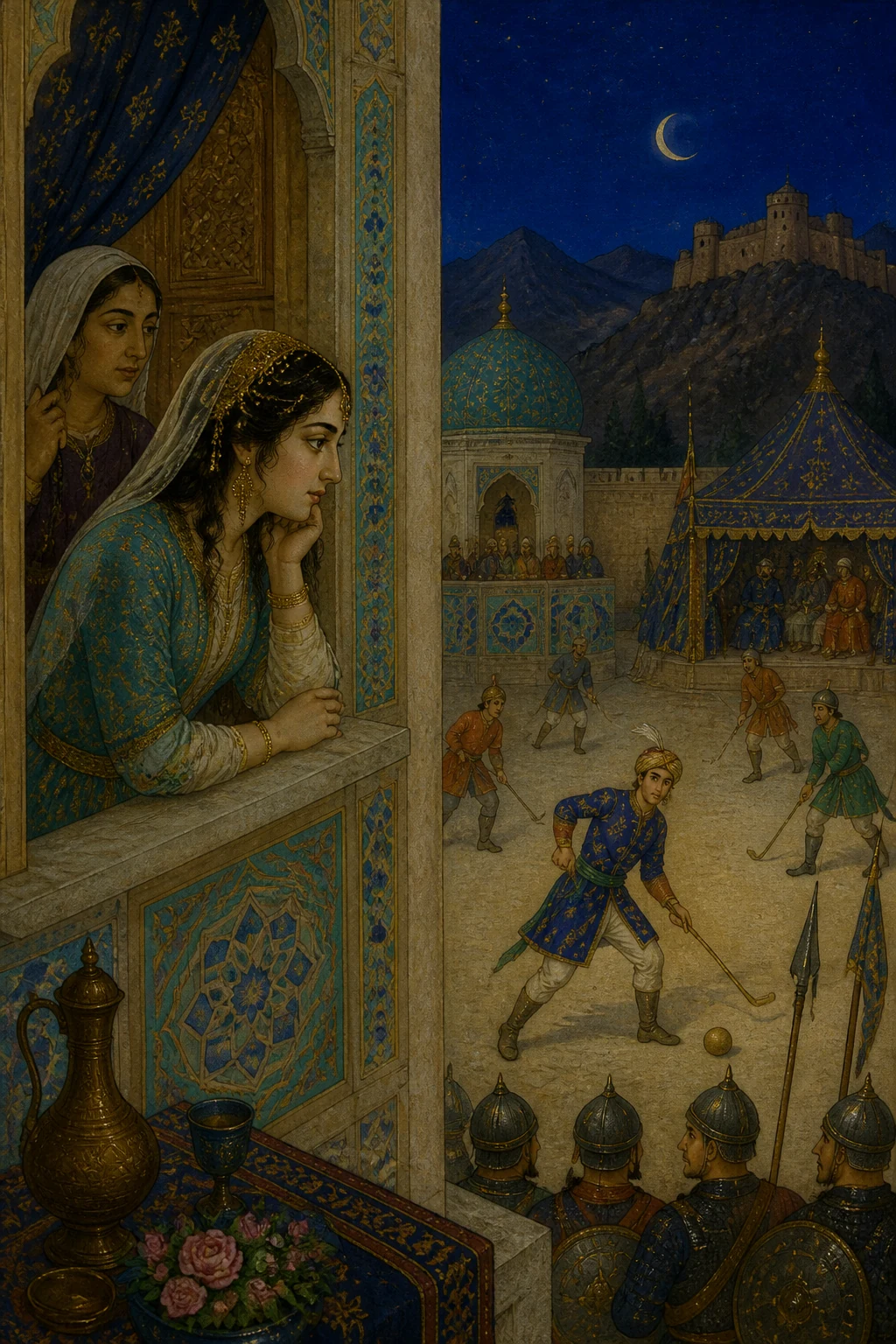
She said: It has reached me, O fortunate king, that the young man said to Taj al-Muluk: I turned and found myself inside the house, beyond the vestibule, and the old woman darted in faster than a flash of lightning, intent on nothing but locking the door. When the girl saw me inside, she came up, clasped me to her breast, threw me to the ground, and straddled my chest. She squeezed my belly with her hand until I lost all sense of the world. Then she seized me, holding me so tightly that I could not escape, and carried me inside. The old woman went ahead with the lighted candle, leading us through seven passageways. At last the girl brought me into a great courtyard with four iwans, so spacious that a horseman might have played polo there. She sat me down and said, “Open your eyes.” I opened them, dizzy from the force of her embrace and squeezing, and saw that the whole hall was built of the most beautiful marble, and all its furnishings, its cushions and mattresses, were of brocade. There were two benches of yellow brass and a bed of red gold, inlaid with pearls and jewels, fit only for a king such as yourself. Then she said, “Aziz, which do you prefer: death or life?” “Life,” I answered. “If you prefer life,” she said, “then marry me.” “I should hate to marry someone like you,” I replied. She said, “If you marry me, you will be safe from the daughter of Dalila the Crafty.” “Who is Dalila the Crafty?” I asked. She laughed and said, “How can you not know her, when you have been keeping company with her daughter for a year and four months? May Almighty God destroy her! By God, there is no one more cunning. How many men she has killed before you, and how many tricks she has played! How have you escaped her all this time without her killing or harming you?”
I was utterly astonished at her words. “My lady,” I asked, “who told you about her?” “I know her as well as time knows its own calamities,” she replied. “But I want you to tell me everything that has happened between you, so that I may understand how you have escaped her.” I told her everything that had passed between me and the girl, and between me and my cousin Aziza. She prayed for mercy upon my cousin, her eyes filled with tears, and she struck her hands together when she heard of Aziza’s death. “May God make good your loss, Aziz,” she said. “She was the reason you escaped the daughter of Dalila the Crafty. Without her, you would have perished. I fear that woman’s cunning and wickedness on your account, but I cannot say more.” “By God,” I said, “it all happened just as I have told you.” She shook her head and said, “There is no one like Aziza in the world today.” I said, “When she died, she charged me to say only these two sayings: ‘Faithfulness is fair, and treachery is foul.’” On hearing this, she said, “Aziz, by God, those two sayings saved you from her. It was because of them that she did not kill you. Your cousin saved you both in life and in death. By God, I had longed to meet you, if only for a single day, but I could find no way until now, when I contrived this trick against you, and it has succeeded. You are still young and know nothing of women’s cunning or old women’s schemes.” “No, by God,” I said. She replied, “Then be of good cheer and set your heart at rest. The dead receive mercy, and the living are tenderly cared for. You are a handsome young man, and I desire you only in accordance with the law of God and His Messenger, God bless him and grant him peace. Whatever money or clothing you wish for will be brought to you at once, and I shall never burden you with any expense. Besides, my bread is always baked and the water is in the jug. All I ask is that you do with me as the cock does.” “What does the cock do?” I asked. She laughed, clapped her hands, and fell flat on her back with laughter. Then she sat up and said, “Do you not know the cock’s trade?” “No, by God,” I replied, “I do not know the cock’s trade.” “The cock’s trade,” she said, “is to eat, drink, and fuck.” I blushed at her words and asked, “Is that the cock’s trade?” “Yes,” she replied. “And all I ask of you now is to gird your loins, summon your strength, and fuck with all your might.” Then she clapped her hands and said, “Mother, bring in those you have with you.” The old woman appeared with four legally accredited witnesses and lit four candles. The witnesses entered, greeted me, and sat down. The girl rose, wrapped a veil about herself, and appointed one of them to act on her behalf in contracting the marriage. They drew up the contract, and she declared before them that she had received the whole marriage portion, both the immediate and the deferred payment, and that she owed me ten thousand dirhams. And dawn overtook Shahrazad, and she fell silent, leaving her tale untold.
When it was the hundred and twenty-fourth night
She said: It has reached me, O fortunate king, that the young man said to Taj al-Muluk: She declared before them that she had received the whole marriage portion, both the immediate and the deferred payment, and that she owed me ten thousand dirhams. Then she paid the witnesses their fees, and they went back whence they had come. The girl rose and took off her clothes, appearing in a fine shift embroidered with gold. She removed her trousers, took me by the hand, led me up onto the bed, and said, “There is no shame in what is lawful.” She threw herself onto the bed, stretched out on her back, and pulled me onto her breast. She gave a gasp, followed it with a coquettish moan, and lifted her shift above her breasts. At the sight of her in that state, I could not restrain myself from entering her after sucking her lip, while she moaned and displayed surrender and submission, her eyes shedding tears. In that moment she reminded me of the poet’s words:
When I lifted her garment from her cunt, I found it as tight as my temper and my means. I thrust half of it into her, and she sighed. “Why is that?” I asked. “For the rest,” she said. Then she said, “My beloved, take your pleasure, for I am your slave. Take it—give me all of it, by the love you bear me! Give it to me so that I may put it in with my own hand and ease my heart.” She kept up her coquettish moans and gasps amid our kisses and embraces, until our cries rang out into the street and we attained our bliss and good fortune. Then we slept until morning. When I wished to go out, she came toward me laughing and said, “Do you think leaving the bathhouse is as easy as entering it? I suspect you imagine I am like the daughter of Dalila the Crafty. Beware of thinking so! You are my husband according to the Book and the Sunna. If you are drunk, come to your senses. This house you are in is opened only one day in every year. Go to the great door and look at it.” I went to the great door and found it locked and nailed shut. I returned and told her so, and she said, “Aziz, we have enough flour, grain, fruit, pomegranates, sugar, meat, sheep, chickens, and other provisions to last us many years. From tonight our door will not be opened for another year, and I know you will not find yourself outside this house before then.” “There is no power and no strength save in God,” I said. “What harm can it do you,” she replied, “when you know the cock’s trade I told you of?” Then she laughed, and I laughed too and yielded to her wishes. I stayed with her, plying the cock’s trade: eating, drinking, and fucking, until a year of twelve months had passed over us. In the course of that year she conceived by me and bore me a son. At the year’s end I heard the door being opened, and men came in carrying cakes, flour, and sugar. I wanted to go out, but she said, “Wait until the evening prayer, and leave at the same hour you entered.” I waited until the evening prayer and was about to leave, fearful and trembling, when she said, “By God, I shall not let you go until you swear to return tonight before the door is shut.” I agreed, and she bound me with solemn oaths upon the sword and the Quran, and upon pain of divorce, that I would return to her. Then I left and went to the garden, where I found the gate open as usual. I was vexed and said to myself, “I have been away from this place for a whole year, and now I come unexpectedly and find it open as usual! I wonder whether the girl is still as she was. I must go in and see before going home to my mother, since it is still only the hour of the evening prayer.” Then I entered the garden. And dawn overtook Shahrazad, and she fell silent, leaving her tale untold.
When it was the hundred and twenty-fifth night
She said: It has reached me, O fortunate king, that Aziz said to Taj al-Muluk: Then I entered the garden and walked until I came to the pavilion. There I found the wily Dalila sitting with her head on her knee and her hand against her cheek. Her complexion had changed, and her eyes were sunken. When she saw me, she said, “Praise be to God for your safe return!” She tried to rise, but fell in her joy. I felt ashamed before her and lowered my head, then went up to her, kissed her, and said, “How did you know I would come to you at this hour?” She replied, “I knew nothing of it. By God, for a whole year I have not tasted sleep, but have stayed awake every night waiting for you. I have been like this ever since the day you left me, when I gave you the new suit of clothes and you promised to return. I waited for you, but you came neither the first night, nor the second, nor the third, and still I went on waiting. Such is the way of a lover. Now I want you to tell me what has kept you away from me all this year.”
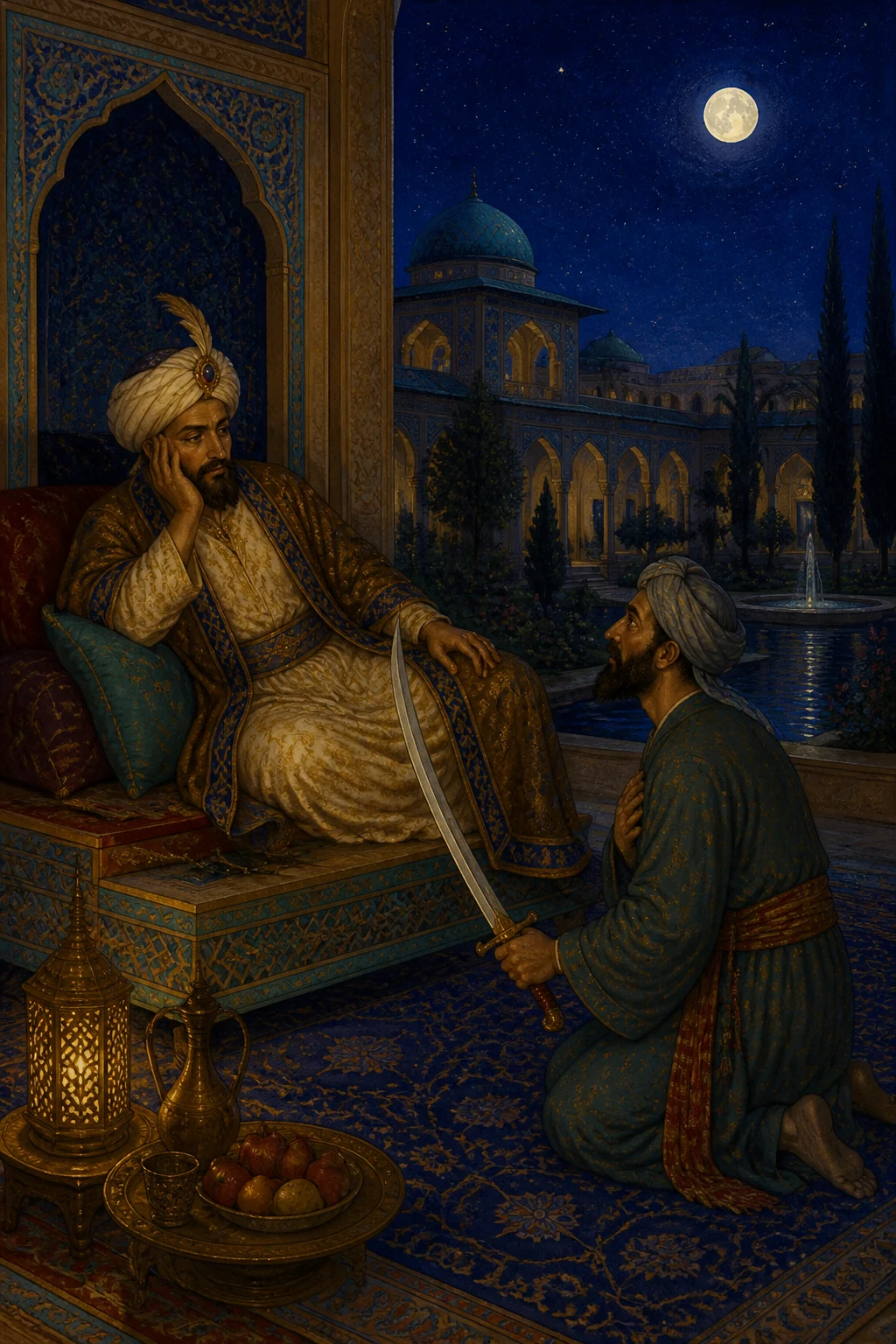
So I told her, and when she learned that I had married, her face turned pale. Then I said, “I have come to you tonight, but I must leave before morning.” She said, “Was it not enough for her to marry you, trick you, and keep you shut up with her for a whole year? Must she also make you swear, on pain of divorce, to return before morning, allowing you no leisure with either your mother or me? Could she not bear to let you spend a single night with one of us? Then what of the woman from whom you have been absent a whole year, though you knew her first? But God have mercy on Aziza! What befell her has befallen no other, and she endured what no woman like her could have endured. She died of the grief you caused her, yet she was the one who protected you from me. I thought you would return, so I let you go, though I had the power to imprison you and destroy you.” Then she wept and grew enraged, looking at me with angry eyes. When I saw her in that state, my limbs trembled with fear, and I was like a bean over the fire. Then she said, “You are of no use now that you have married and have a child. You are no longer fit to be my companion, for only an unmarried man will suit me; a married man is no use to me. You have sold me for that whore. By God, I shall make her mourn her loss of you, and you shall belong neither to me nor to her!” Then she cried out, and before I knew it ten slave girls had come and thrown me to the ground. When I lay in their grasp, she rose, took a knife, and said, “I shall slaughter you like a he-goat, and that will be the least you deserve for what you did to your cousin.” When I saw myself beneath her slave girls, my cheek ground into the dust, and the knife in her hand, I knew that death was certain. Then morning overtook Shahrazad, and she fell silent, leaving her permitted tale untold.
When it was the hundred and twenty-sixth night,
She said: It has reached me, O fortunate king, that the vizier Dandan said to Daw al-Makan: Then the young Aziz said to Taj al-Muluk: When I saw myself beneath her slave girls, my cheek ground into the dust, and the knife in her hand, I knew that death was certain. I begged her for mercy, but she only grew more cruel. She ordered them to bind my arms, and they did so, then threw me on my back. Some sat on my belly and held my head, while two girls grasped my toes and two others sat on my shins. Then she stood over me with two more girls and ordered them to beat me. They beat me until I fainted and my voice failed. When I came to my senses, I said to myself, “To have my throat cut would be easier to bear than this beating.” I remembered my cousin’s words: “May God protect you from her wickedness.” I screamed and wept until my voice gave out. Then she sharpened the knife and said to the girls, “Strip him.” But God inspired me to utter the two sayings my cousin had charged me to remember: “Faithfulness is fair, and treachery is foul.” When she heard this, she cried, “God have mercy on you, Aziza! Your innocent youth has served your cousin both in your lifetime and after your death.” Then she said to me, “By God, those two sayings have saved you from my hands. Yet I must leave a mark upon you, to spite that whore who kept you from me.”
Then she called to the girls, “Get on top of him!” She ordered them to bind my legs with ropes, and they did so. Then she left me, set a copper pan on the fire, poured sesame oil into it, and fried some cheese, while I scarcely knew what was happening around me. Then she came back, undid my clothes, tied a cord around my privates, and handed it to two girls, saying, “Pull the cord.” They pulled, and the agony carried me into another world. Then she raised her hand and cut off my member with a razor, leaving me like a woman. She cauterized the wound and packed it with medicinal powder while I lay unconscious. When I came to, the bleeding had stopped. She gave me a cup of wine to drink and said, “Go now to the woman you married, who begrudged me a single night. God have mercy on your cousin, who was the cause of your deliverance! Had you not repeated her two sayings to me, I would have cut your throat. Go this instant to whomever you please. All I wanted of you was what I have cut off, and now I have no desire for you and no need of you. Get up, stroke your head in gratitude for its safety, and pray for mercy upon your cousin.” Then she kicked me. I rose, but could scarcely walk, and made my way little by little until I reached my wife’s door. Finding it open, I flung myself inside, hardly conscious. My wife came out, lifted me, and carried me into the hall, where she discovered that I had been made like a woman. I lay down and sank into a deep sleep. When I awoke, I found myself thrown outside the garden gate. Then morning overtook Shahrazad, and she fell silent, leaving her permitted tale untold.
When it was the hundred and twenty-seventh night,
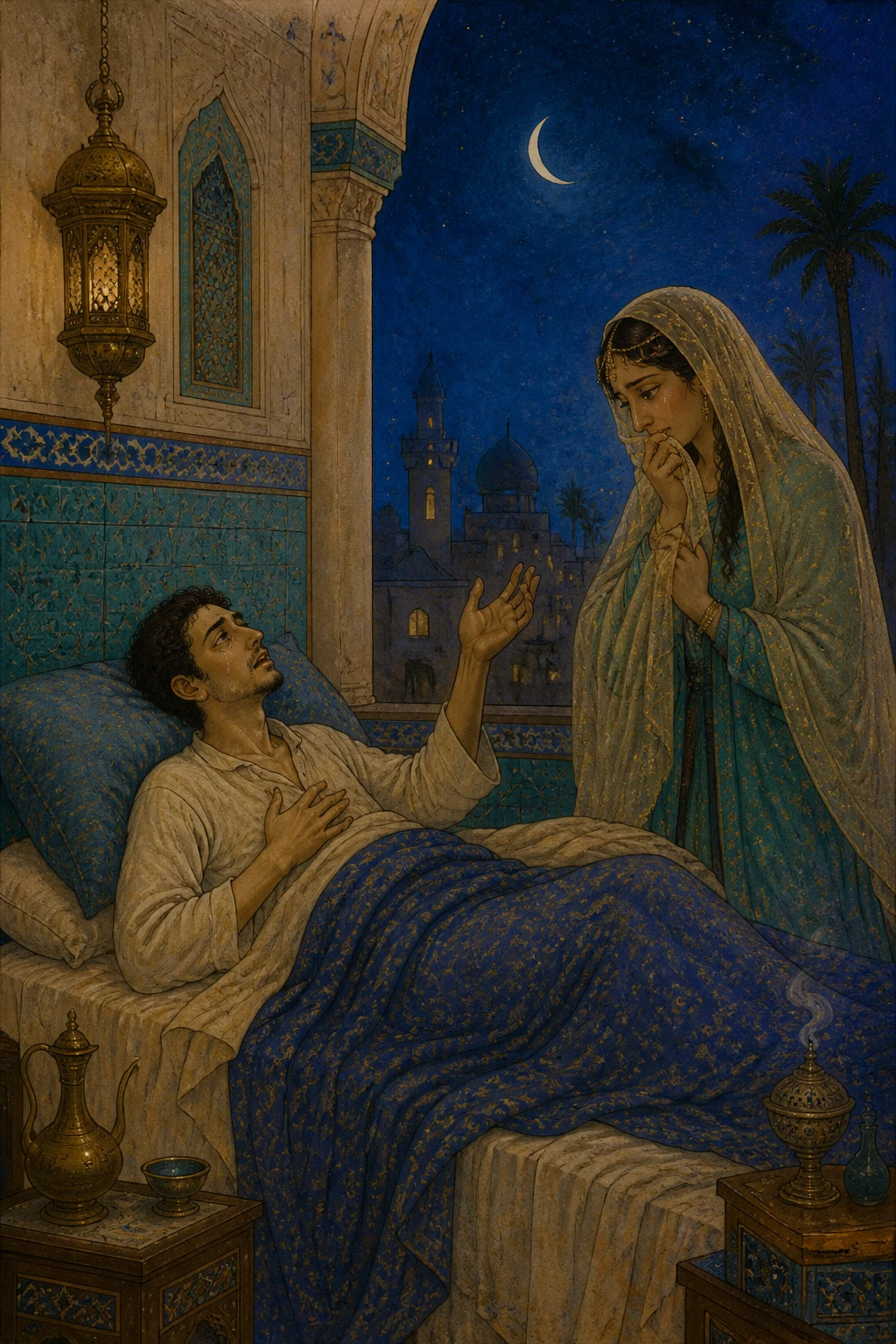
She said: It has reached me, O fortunate king, that the vizier Dandan said to King Daw al-Makan: Then the young Aziz said to Taj al-Muluk: When I awoke, I found myself thrown outside the garden gate. I rose in distress and walked until I reached my home. I entered and found my mother weeping for me and saying, “My son, in what land can you be?” I went up to her and threw myself into her arms. When she looked at me, she saw how ill I was, my face pale and darkened. I remembered my cousin and all her kindness to me, and realized that she had truly loved me. I wept for her, and my mother wept too. Then she said, “My son, your father is dead.” My anguish grew, and I wept until I fainted. When I recovered, I looked at the place where my cousin used to sit, and again I wept so bitterly that I lost consciousness. I continued weeping and lamenting until midnight, when my mother said, “Your father has been dead for ten days.” I replied, “I can think of no one but my cousin, for I deserve what has happened to me, since I neglected her though she loved me.” She asked, “What has happened to you?” So I told her, and she wept for a while. Then she rose and brought me some food. I ate a little and drank, then told her my story again, relating everything that had befallen me. She said, “Praise be to God that she did this to you and did not cut your throat.” Then she nursed and tended me until I recovered and my health was fully restored. She said, “My son, now I shall bring out what your cousin left in my keeping, for it belongs to you. She made me swear not to give it to you until I saw that you remembered her, grieved for her, and had severed your ties with all other women. Now I trust that these conditions have been fulfilled.” Then she rose, opened a chest, and took out this piece of cloth bearing the image of this gazelle—the very one I had first given my cousin. When I took it, I found these verses written upon it:
You roused my heart to love, then sat at ease; You slept, while my sore eyes kept their vigil. You came between my heart and all it saw: Though it melt for you, my heart cannot forget. You pledged to keep our love a secret, Yet the slanderer tempted you: he spoke, and you spoke too. By God, my friends, when I am dead, inscribe Upon my gravestone: “Here lies one enslaved by love.” When I read these verses, I wept bitterly and struck my face. I unfolded the cloth, and another paper fell from it. I opened it and found written there: “Know, my cousin, that I absolve you of responsibility for my death, and I pray that God may unite you with the one you love. But if any harm should befall you at the hands of the wily Dalila, do not return to her or to any other woman. Thereafter, bear your affliction patiently. Had your appointed hour not been fixed, you would have perished long ago; but praise be to God, who has made my day come before yours. Peace be upon you. Keep this cloth with the gazelle upon it, and do not part with it, for that image kept me company whenever you were away.” Then morning overtook Shahrazad, and she fell silent, leaving her permitted tale untold.
When it was the hundred and twenty-eighth night,
She said: It has reached me, O fortunate king, that the vizier Dandan said to King Daw al-Makan: Then the young Aziz said to Taj al-Muluk: My cousin wrote to me: “Keep this cloth with the gazelle upon it, and never part with it, for that image kept me company whenever you were away. By God, if you should find the woman who made this picture, keep your distance from her, do not let her come near you, and do not marry her. If you cannot find her or discover any way of reaching her, approach no other woman after her. Know that the woman who made this picture makes another like it every year and sends it to the farthest lands, so that her fame may spread, and the beauty of her workmanship, which no one on earth can equal, may become known. As for your beloved, the wily Dalila, when this cloth with its gazelle came into her hands, she began showing it to people and telling them, ‘I have a sister who makes these,’ though she was lying. May God expose her shame! I give you this advice only because I know that the world may close in upon you after my death, and perhaps you will leave home on that account and travel through the lands. You may hear of the woman who made this image and long to know her. Know, then, that the girl who made it is the daughter of the king of the Camphor Isles.”
When I had read that paper and understood its contents, I wept, and my mother wept to see my tears. I kept looking at it and weeping until night fell, and remained in that state for a whole year. At the end of the year, some merchants from my city prepared to travel—the very men with whom I am now travelling in this caravan. My mother urged me to make ready and go with them, saying, “Perhaps travel will dispel this sorrow. You may be away a year, or two, or three, until the caravan returns, and perhaps your heart will find relief.” She continued coaxing me gently until I prepared a stock of merchandise and set out with them. Throughout my journey my tears have never dried. At every place where we halt, I spread this cloth before me and gaze at this image, remembering my cousin and weeping for her, as you see me do now. She loved me beyond measure and died of the grief I caused her. I did her nothing but harm, though she showed me nothing but kindness. When the merchants return from their journey, I shall go back with them, and my absence will have lasted a year, all spent in bitter sorrow. My grief only deepened when I passed through the Camphor Isles and the Crystal Castle. There are seven islands, ruled by a king named Shahriman, who has a daughter called Dunya. I was told, “She is the one who makes the pictures of gazelles, and the picture you have is among her works.” When I learned this, my longing grew, and I sank into a sea of brooding and anguish. I wept for myself, for I had been made like a woman and no longer possessed the organ of a man, nor could I do anything to remedy it. Ever since I left the Camphor Isles, my eyes have been wet with tears and my heart heavy with grief. I have been in this state for some time, and I do not know whether I shall be able to return to my homeland and die beside my mother. I have had my fill of this world.” Then he wept, moaned, and lamented, gazing at the image of the gazelle while tears streamed down his cheeks, and recited these two verses:
Someone said to me, “Relief must surely come.” “Must it?” I answered bitterly. “How long?” “In time,” he said. “How strange!” I cried. “Who guarantees my life till then, you with your cold consolations?” “That, O king, is my story.” When Taj al-Muluk heard the young man’s tale, he marvelled greatly, and flames blazed in his heart at the account of Lady Dunya’s beauty. Then morning overtook Shahrazad, and she fell silent, leaving her permitted tale untold.
When it was the hundred and twenty-ninth night,
She said: It has reached me, O fortunate king, that the vizier Dandan said to Daw al-Makan: When Taj al-Muluk heard the young man’s tale, he marvelled greatly. Flames blazed in his heart when he heard of Lady Dunya’s beauty and learned that she was the one who had made the image of the gazelle. His yearning and unrest increased, and he said to the young man, “By God, what has happened to you has happened to no other man. Yet such was your Lord’s decree. But there is something I wish to ask you.” Aziz said, “What is it?” He replied, “Tell me how you came to see the girl who made the image of the gazelle.” Aziz said, “My lord, I contrived to see her by a stratagem. When I entered her country with the caravan, I used to go out and wander among the gardens, which were thick with trees. The keeper of the gardens was a very old man. I asked him, ‘Old man, to whom does this garden belong?’ He replied, ‘To the king’s daughter, Lady Dunya. We are beneath her palace. If you wish to look about, open the private gate and stroll through the garden, where you may enjoy the scent of the flowers.’ I said, ‘Do me the kindness of allowing me to sit in this garden until she passes, so that I may be fortunate enough to catch a glimpse of her.’ The old man answered, ‘There is no harm in that.’ When he said this, I gave him some dirhams and said, ‘Buy us something to eat.’ He was pleased to take the money, opened the gate, and led me inside. We walked on until we reached a lovely spot, where he brought me some fine fruit and said, ‘Sit here while I go away and come back to you.’ He left me and was gone for a while, then returned with a roast lamb. We ate our fill, though my heart was longing to see the girl. While we were sitting there, a door suddenly opened. He said to me, ‘Get up and hide!’ I rose and hid, and a black eunuch put his head through the doorway and asked, ‘Old man, is anyone with you?’ He answered, ‘No.’ The eunuch said, ‘Close the gate.’ The old man closed the garden gate, and Lady Dunya came out through the doorway. When I saw her, I thought the moon had descended to earth. My senses were bewildered, and I longed for her as a thirsty man longs for water. After a while she went back, closed the door, and departed. Then I left the garden and returned to my lodgings, knowing that I could never reach her and was not a man fit for her, especially now that I had been made like a woman. I said to myself, ‘She is a king’s daughter, and I am a merchant. How could I ever attain her?’ When my companions prepared to leave, I made ready and set out with them, bound for this city. When we reached this road, we met you. Such is my story and all that befell me. And peace be upon you.”
When Taj al-Muluk heard these words, his heart became engrossed in love for Lady Dunya. He mounted his horse, took Aziz with him, and brought him to his father’s city. There he gave him a house of his own and furnished it with everything he needed. Then he left him and went to his palace, tears flowing down his cheeks, for hearing can take the place of seeing and meeting. Taj al-Muluk remained in this condition until his father came in and found his complexion altered. Seeing that he was troubled and sorrowful, he said, “My son, tell me what ails you. What has happened to change your complexion so?” He told him the whole story of Dunya from beginning to end, and how he had fallen in love with her through hearing of her, though he had never seen her with his own eyes. His father said, “My son, her father is a king, and his country is far from ours. Put this matter from your mind and go into your mother’s palace.” Then morning overtook Shahrazad, and she fell silent, leaving her permitted tale untold.
Izvirnik
حكاية الشاب عزيز - الليالي ١١٢ إلى ١٢٩
Naslednje strani prikazujejo izvirno besedilo za primerjavo.
فلما كانت الليلة ١١٢
فقال الشاب: اعلم يا مولاي أن أبي كان من التجار الكبار، ولم يُرزَق ولدًا غيري، وكان لي بنت عمٍّ تربيت أنا وهي في بيت أبي؛ لأن أباها مات، وكان قبل موته تعاهَدَ هو وأبي على أن يزوِّجاني بها، فلما بلغت مبلغ الرجال، وبلغت هي مبلغ النساء، لم يحجبوها عني ولم يحجبوني عنها، ثم تحدَّث والدي مع أمي وقال لها: في هذه السنة نكتب كتاب عزيز على عزيزة، واتفق مع أمي على هذا الأمر، ثم شرع أبي في تجهيز مؤن الولائم، هذا كله وأنا وبنت عمي ننام مع بعضنا في فراش واحد، ولم ندرِ كيف الحال، وكانت هي أشعر مني وأعرف وأدرى، فلما جهَّزَ أبي أدواتِ الفرح ولم يبقَ غير كتب الكتاب والدخول على بنت عمي، أراد أبي أن يكتبوا الكتاب بعد صلاة الجمعة، ثم توجَّهَ إلى أصحابه من التجار وغيرهم وأعلمهم بذلك، ومضت أمي وعزمت صواحبها من النساء ودعت أقاربها. فلما جاء يوم الجمعة غسلوا القاعة المُعَدَّة للجلوس، وغسلوا رخامها، وفرشوا في دارنا البُسُط، ووضعوا فيها ما يحتاج إليه الأمر بعد أن زوَّقوا حيطانها بالقماش المقصَّب، واتفق الناس أن يجيئوا بيتنا بعد صلاة الجمعة. ثم مضى أبي وعمل الحلويات وأطباق السكر، وما بقي غير كتب الكتاب، وقد أرسلتني أمي إلى الحمام، وأرسلت خلفي بدلة جديدة من أفخر الثياب، فلما خرجتُ من الحمام لبست تلك البدلة الفاخرة، وكانت مطيَّبَة، فلما لبستها فاحَتْ منها رائحة ذكية عبقت في الطريق، ثم أردتُ أن أذهب إلى الجامع، فتذكَّرْتُ صاحبًا لي، فرجعت أفتِّش عليه ليحضر كتب الكتاب، وقلت في نفسي: أشتغل بهذا الأمر إلى أن يقرب وقت الصلاة.
ثم إني دخلت زقاقًا ما دخلته قطُّ، وكنت عرقان من أثر الحمام والقماش الجديد الذي على جسدي، فساح عرقي وفاحت روائحي، فقعدت في رأس الزقاق لأرتاح على مصطبة، وفرشت تحتي منديلًا مطرَّزًا كان معي، فاشتدَّ عليَّ الحر فعرق جبيني، وصار العرق ينحدر على وجهي، ولم يمكنني مسح العرق عن وجهي بالمنديل لأنه مفروش تحتي، فأردتُ أن آخذ ذيل فرجيتي وأمسح به وجنتي، فما أدري إلا ومنديل أبيض وقع عليَّ من فوق، وكان ذلك المنديل أرقَّ من النسيم، ورؤيته ألطف من شفاء السقيم، فمسكته بيدي، ورفعت رأسي إلى فوق لأنظر من أين سقط هذا المنديل، فوقعت عيني في عين صاحبة هذا الغزال. وأدرك شهرزاد الصباح، فسكتَتْ عن الكلام المباح.
فلما كانت الليلة ١١٣
قالت: بلغني أيها الملك السعيد أن الشاب قال لتاج الملوك: فرفعت رأسي إلى فوق لأنظر من أين سقط هذا المنديل، فوقعت عيني في عين صاحبة هذا الغزال، وإذا بها مطلة من طاقة من شبَّاك من نحاس لم تَرَ عيني أجمل منها، وبالجملة يعجز عن وصفها لساني، فلما رأتني نظرتُ إليها وضعَتْ إصبعها في فمها، ثم أخذت إصبعها الوسطاني وألصقته بإصبعها الشاهد، ووضعتهما على صدرها بين نهدَيْها، ثم أدخلت رأسها من الطاقة، وسدَّت باب الطاقة وانصرفت، فانطلقَتْ في قلبي النار، وزاد بي الاستعار، وأعقبتني النظرةُ ألفَ حسرة، وتحيَّرت لأني لم أسمع ما قالت، ولم أفهم ما به أشارت، فنظرت إلى الطاقة ثانيًا فوجدتها مطبوقة، فصبرت إلى مغيب الشمس، فلم أسمع حسًّا ولم أَرَ شخصًا، فلمَّا يئست من رؤيتها قمت من مكاني، وأخذت المنديل معي، ثم فتحته ففاحت منه رائحة المسك، حصل لي من تلك الرائحة طرب عظيم، حتى صرت كأنني في الجنة، ثم نشرته بين يديَّ، فسقطت منه ورقة لطيفة، ففتحت الورقة فرأيتها مضمَّخةً بالروائح الذكيات، ومكتوبًا فيها هذه الأبيات:
بَعَثْتُ إِلَيْهُ أَشْكُو مِنْ أَلَمِ الْجَوَى بِخَطٍّ رَقِيقٍ وَالْخُطُوطُ فُنُونُ
فَقَالَ: خَلِيلِي مَا لِخَطِّكَ هَكَذَا رَقِيقًا دَقِيقًا لَا يَكَادُ يَبِينُ
فَقَلْتُ: لِأَنِّي فِي نُحُولٍ وَدِقَّةٍ كَذَاكَ خُطُوطُ الْعَاشِقِينَ تَكُونُ
ثم بعد أن قرأت الأبيات، أطلقت في بهجة المنديل نظر العين، فرأيتُ في إحدى حاشيتيه تسطير هذين البيتين:
كَتَبَ الْعِذَارُ وَيَا لَهُ مِنْ كَاتِبٍ سَطْرَيْنِ فيِ خَدَّيْهِ بِالرَّيْحَانِ
وَا حِيرَةَ الْقَمَرَيْنِ مِنْهُ إِذَا بَدَا وَإِذَا انْثَنَى وَا خَجْلَةَ الْأَغْصَانِ
ومسطَّر في الحاشية الأخرى هذان البيتان:
كَتَبَ الْعِذَارُ بِعَنْبَرٍ فِي لُؤْلُؤٍ سَطْرَيْنِ مِنْ سَبجٍ عَلَى تُفَّاحِ
الْقَتْلُ فِي الْحَدَقِ الْمِرَاضِ إِذَا رَنَتْ وَالسُّكْرُ فِي الْوَجَنَاتِ لَا فِي الرَّاحِ
فلما رأيت ما على المنديل من الأشعار، انطلق في فؤادي لهيب النار، وزادت بي الأشواق والأفكار، وأخذت المنديل والورقة، وأتيت بهما إلى البيت وأنا لا أدري لي حيلة في الوصال، ولا أستطيع في العشق تفصيل الإجمال، فما وصلت إلى البيت إلا بعد مدة من الليل، فرأيت بنت عمي جالسة تبكي، فلما رأتني مسحت دموعها وأقبلَتْ عليَّ وقلعتني الثياب، وسألتني عن سبب غيابي، وأخبرتني أن جميع الناس من أمراء وكبراء وتجار وغيرهم قد اجتمعوا في بيتنا، وحضر القاضي والشهود، وأكلوا الطعام واستمروا مدة جالسين ينتظرون حضوري من أجل كتب الكتاب، فلما يئسوا من حضوري تفرَّقوا، وذهبوا إلى حال سبيلهم، وقالت لي: إن أباك اغتاظ بسبب ذلك غيظًا شديدًا، وحلف أنه لا يكتب كتابنا إلا في السنة المقبلة؛ لأنه غرم في هذا الفرح مالًا كثيرًا. ثم قالت لي: ما الذي جرى لك في هذا اليوم حتى تأخرت إلى هذا الوقت، وحصل ما حصل بسبب غيابك؟ فقلت لها جرى لي كذا وكذا، وذكرت لها المنديل، وأخبرتها بالخبر من أوله إلى آخره، فأخذَتِ الورقةَ والمنديل، وقرأت ما فيهما، وجرت دموعها على خدودها، وأنشدت هذه الأبيات:
مَنْ قَالَ أَوَّلُ الْهَوَى اخْتِيَارُ فَقُلْ كَذَبْتَ كُلُّهُ اضْطِرَارُ
وَلَيْسَ بَعْدَ الِاضْطِرَارِ عَارُ دَلَّتْ عَلَى صِحَّتِهِ أَخْبَارُ
فَإِنْ تَشَأْ فَقُلْ عَذَابٌ يَعْذُبُ أَوْ ضَرْبَانِ فِي الْحَشَى أَوْ ضَرْبُ
أَوْ نِعْمَةٌ أَوْ نِقْمَةٌ أَوْ أَرَبُ تَأْنَسُ النَّفْسُ بِهِ أَوْ تُعْطَبُ
وَمَعَ ذَا أَيَّامُهُ مَوَاسِمُ وَثَغْرُهَا عَلَى الدَّوَامِ بِاسِمُ
وَنَفَحَاتُ طِيبِهَا مَوَاسِمُ وَهْوَ لِكُلِّ مَا يَشِينُ حَاسِمُ
ثم إنها قالت لي: فما قالَتْ لك وما أشارَتْ به إليك؟ فقلت لها: ما نطقَتْ بشيء غير أنها وضعت إصبعها في فمها، ثم قرنتها بالإصبع الوسطى، وجعلت الإصبعين على صدرها، وأشارت إلى الأرض، ثم أدخلَتْ رأسها وأغلقت الطاقة، ولم أَرَها بعد ذلك، فأخذت قلبي معها، فقعدت إلى غياب الشمس أنتظر أنها تطل من الطاقة ثانيًا، فلم تفعل، فلما يئست منها قمت من ذلك المكان، وهذه قصتي وأشتهي منك أن تعينيني على ما بُلِيت به. فرفعت رأسها إليَّ وقالت: يابن عمي، لو طلبتَ عيني لأخرجتُها لك من جفوني، ولا بد أن أساعدك على حاجتك، وأساعدها على حاجتها؛ فإنها مغرمة بك كما إنك مغرم بها. فقلت لها: وما تفسير ما أشارَتْ به؟ قالت: أما وضع إصبعها في فمها، فإنه إشارة إلى أنك عندها بمنزلة روحها من جسدها، وإنما تعضُّ على وصالك بالنواجذ، وأما المنديل فإنه إشارة إلى سلام المحبين على المحبوبين، وأما الورقة فإنها إشارة إلى أن روحها متعلقة بك، وأما وضع إصبعَيْها على صدرها بين نهدَيْها، فتفسيره أنها تقول لك بعد يومين تعال هنا ليزول عني بطلعتك العناء. اعلم يابن عمي أنها لك عاشقة، وبك واثقة، وهذا ما عندي من التفسير لإشاراتها، ولو كنتُ أدخل وأخرج لجمعتُ بينك وبينها في أسرع وقت، وأستركما بذيلي. قال الغلام: فلما سمعتُ ذلك منها شكرتُها على قولها، وقلت في نفسي: أنا أصبر يومين. ثم قعدتُ في البيت يومين لا أدخل ولا أخرج، ولا آكل ولا أشرب، ووضعت رأسي في حجر ابنة عمي وهي تسلِّيني وتقول: قوِّ عزمك وهمتك، وطيِّب قلبك وخاطرك. وأدرك شهرزاد الصباح، فسكتَتْ عن الكلام المباح.
فلما كانت الليلة ١١٤
قالت: بلغني أيها الملك السعيد أن الشاب قال لتاج الملوك: فلما انقضى اليومان قالت لي ابنة عمي: طِبْ نفسًا، وقرَّ عينًا، وقوِّ عزْمَك، والبس ثيابك، وتوجَّهَ إليها على الميعاد. ثم إنها قامت وغيَّرت أثوابي وبخَّرتني، ثم شددتُ حيلي، وقوَّيتُ قلبي، وخرجت وتمشيت إلى أن دخلت الزقاق، وجلست على المصطبة ساعةً، وإذا بالطاقة قد انفتحت، فنظرتُ بعيني إليها، فلما رأيتها وقعتُ مغشيًّا عليَّ، ثم أفقتُ فشددتُ عزمي، وقوَّيت قلبي، ونظرت إليها ثانيًا، فغبت عن الوجود، ثم استفقت فرأيت معها مرآة ومنديلًا أحمر، وحين رأتني شمَّرت عن ساعديها، وفتحت أصابعها الخمس، ودقَّت بها على صدرها بالكف والخمس أصابع، ثم رفعت يديها، وأبرزت المرآة من الطاقة، وأخذت المنديل الأحمر، ودخلت به وعادت، وأدلَتْه من الطاقة إلى صوب الزقاق ثلاث مرات وهي تدليه وترفعه، ثم عصرته ولفَّته بيدها وطأطأت رأسها، ثم جذبتها من الطاقة، وأغلقت الطاقة، وانصرفت ولم تكلِّمني كلمة واحدة، بل تركتني حيران لا أعلم ما أشارت به، واستمررتُ جالسًا إلى وقت العشاء، ثم جئت إلى البيت قرب نصف الليل، فوجدتُ ابنةَ عمي واضعةً يدها على خدها، وأجفانها تسكب العَبَرات وهي تنشد هذه الأبيات:
مَا لِي وَلَا حَيٌّ عَلَيْكَ يَعْنُفُ كَيْفَ السُّلُوُّ وَأَنْتَ غُصْنٌ أَهْيَفُ
يَا طَلْعَةً سَلَبَتْ فُؤَادِي وَانْثَنَتْ مَا لِلْهَوَى الْعُذْرِيِّ عَنْهَا مَصْرَفُ
ترْكِيَّةُ الْأَلْحَاظِ تَفْعَلُ بِالْحَشَا مَا لَيْسَ يَفْعَلُهُ الصَّقِيلُ الْمُرْهَفُ
حَمَّلْتَنِي ثِقْلَ الْغَرَامِ وَلَيْسَ لِي جَلَدٌ عَلَى حَمْلِ الْقَمِيصِ وَأَضْعُفُ
وَلَقَدْ بَكَيْتُ دَمًا لِقَوْلِ عَوَاذِلِي مِنْ جَفْنِ مَنْ تَهْوَى يَرُوعُكَ مُرْهَفُ
يَا لَيْتَ قَلْبِي مِثْلُ قَلْبِكَ إِنَّمَا جِسْمِي كَخُصْرِكَ بِالنَّحَافَةِ مُتْلَفُ
لَكَ يَا أَمِيرِي فِي الْمَلَاحَةِ نَاظِرٌ صَعْبٌ عَلَيَّ وَحَاجِبٌ لَا يُنْصِفُ
كَذَبَ الَّذِي قَالَ الْمَلَاحَةُ كُلُّهَا فِي يُوسُفَ كَمْ فِي جَمَالِكَ يُوسُفُ
أَتَكَلَّفُ الْإِعْرَاضَ عَنْكَ مَخَافَةً مِنْ أَعْيُنِ الرُّقَبَاءِ كَمْ أَتَكَلَّفُ
فلما سمعتُ شعرها زاد ما بي من الهموم، وتكاثرت عليَّ الغموم، ووقعت في زوايا البيت، فنهضَتْ إليَّ وحملتني، وقلَّعتني أثوابي، ومسحت وجهي بكمِّها، ثم سألتني عمَّا جرى لي، فحكيت لها جميع ما حصل منها، فقالت: يا ابن عمي، أما إشارتها بالكف والخمس أصابع فإن تفسيره: تعال بعد خمسة أيام. وأما إشارتها بالمرآة وإبراز رأسها من الطاقة، فإن تفسيره: اقعد على دكان الصباغ حتى يأتيك رسولي. فلما سمعتُ كلامَها اشتعلَتِ النارُ في قلبي، وقلت: بالله يا بنت عمي إنك تصدقيني في هذا التفسير؛ لأني رأيتُ في الزقاق صبَّاغًا يهوديًّا. ثم بكيتُ، فقالت ابنة عمي: قوِّ عزمك، وثبِّتْ قلبك، فإن غيرك يشتغل بالعشق مدة سنين، ويتجلَّد على حرِّ الغرام، وأنت لك جمعة، فكيف يحصل لك هذا الجزع؟ ثم أخذت تسليني بالكلام، وأتت لي بالطعام، فأخذت لقمة، وأردت أن آكلها فما قدرت، فامتنعت من الشراب والطعام، وهجرتُ لذيذَ المنام، واصفرَّ لوني، وتغيَّرت محاسني؛ لأني ما عشقت قبل ذلك، ولا ذقت حرارةَ العشق إلا في هذه المرة؛ فضعفت وضعفت بنت عمي من أجلي، وصارت تذكر لي أحوال العشَّاق والمحبِّين على سبيل التسلِّي في كل ليلة إلى أن أنام. وكنتُ أستيقظ فأجدها سهرانةً من أجلي، ودمعها يجري على خدها، ولم أزَلْ كذلك إلى أن مضَتِ الخمسة أيام، فقامت ابنة عمي وسخَّنت لي ماء وحممتني به، وألبستني ثيابي، وقالت لي: توجَّهْ إليها قضى الله حاجتك، وبلَّغك مقصودك من محبوبتك. فمضيت ولم أزَلْ ماشيًا إلى أن أتيتُ إلى رأس الزقاق، وكان ذلك في يوم السبت، فرأيت دكان الصباغ مقفولة، فجلست عليها حتى أذان العصر، واصفرَّت الشمس، وأذن المغرب، ودخل الليل، وأنا لا أرى لها أثرًا، ولا أسمع حسًّا ولا خبرًا؛ فخشيت على نفسي، وأنا جالس وحدي، فقمتُ وتمشيت وأنا كالسكران إلى أن دخلت البيت، فلما دخلت رأيت ابنة عمي عزيزة، وإحدى يدَيْها قابضة على وتد مدقوق في الحائط، ويدها الأخرى على صدرها وهي تصعد الزفرات، وتنشد هذه الأبيات:
وَمَا وَجْدُ أَعْرَابِيَّةٍ بَانَ أَهْلُهَا فَحَنَّتْ إِلَى بَانِ الْحِجَازِ وَرَنْدِهِ
إِذَا آنَسَتْ رَكْبًا تَكَفَّلَ شَوْقُهَا بِنَارِ قِرَاهُ وَالدُّمُوعُ بِوِرْدِهِ
بِأَعْظَمَ مِنْ وَجْدِي بِحُبِّي وَإِنَّمَا يَرَى أَنَّنِي أَذْنَبْتُ ذَنْبًا بِوُدِّهِ
فلما فرغت من شعرها التفتَتْ إليَّ فرأتني أبكي، فمسحَتْ دموعها ودموعي بكمِّها، وتبسَّمت في وجهي وقالت لي: يا ابن عمي، هنَّاك الله بما أعطاك، فلأي شيء لم تَبِت الليلةَ عند محبوبتك، ولم تقضِ منها أربك؟ فلما سمعتُ كلامها رفصتها برجلي في صدرها، فانقلبت على الإيوان، فجاءت جبهتها على طرف الإيوان، وكان هناك وتد فجاء في جبهتها، فتأملتها فرأيت جبينها قد انفتح وسال دمها. وأدرك شهرزاد الصباح، فسكتَتْ عن الكلام المباح.
فلما كانت الليلة ١١٥
قالت: بلغني أيها الملك السعيد أن الشاب قال لتاج الملوك: فلما رفصت ابنة عمي في صدرها، انقلبت على طرف الإيوان، فجاء الوتد في جبينها، فانفتح جبينها وسال دمها، فسكتَتْ ولم تنطق بحرف واحد، ثم إنها قامت في الحال وأحرقَتْ حراقًا، وحشَتْ به ذلك الجرح، وتعصَّبَتْ بعصابة، ومسحت الدم الذي سال على البساط، وكأنَّ ذلك شيء ما كان، ثم إنها أتتني وتبسَّمت في وجهي، وقالت لي بلين الكلام: والله يا ابن عمي ما قلتُ هذا الكلام استهزاءً بك ولا بها، وقد كنتُ مشغولةً بوجع رأسي ومسح الدم، وفي هذه الساعة قد خفت رأسي وخفت جبهتي، فأخبرني بما كان من أمرك في هذا اليوم. فحكيت لها جميع ما وقع لي منها في ذلك اليوم، وبعد كلامي بكيت فقالت لي: يا ابن عمي، أبشِرْ بنجاح قصدك، وبلوغ أملك، إن هذه علامة القبول، وذلك أنها غابت عنك لأنها تريد أن تختبرك وتعرف هل أنت صابر أو لا، وهل أنت صادق في محبتها أو لا؟ وفي غدٍ توجَّهْ إليها في مكانك الأول، وانظر ماذا تشير به إليك، فقد قربت أفراحك، وزالت أحزانك. وصارت تسلِّيني على ما بي، وأنا لم أزل متزايد الهموم والغموم، ثم قدَّمَتْ لي الطعام فرفصته برجلي، فانكبَّتْ كل زبدية في ناحية، وقلت: كل مَن كان عاشقًا فهو مجنون، لا يميل إلى طعام، ولا يلتذُّ بمنام. فقالت لي ابنة عمي عزيزة: والله يا ابن عمي، إن هذه علامة المحبة. وسالت دموعها، ولمَّتْ شقافة الزبادي، ومسحت الطعام، وجلست تسايرني، وأنا أدعو الله أن يصبح الصباح.
فلما أصبح الصباح وأضاء بنوره ولاح، توجَّهت إليها ودخلت ذلك الزقاق بسرعة، وجلست على تلك المصطبة، وإذا بالطاقة قد انفتحت، وأبرزت رأسها منها وهي تضحك، ثم غابت ورجعت ومعها مرآة وكيس وقصرية ممتلئة بزرع أخضر، وفي يدها قنديل، فأول ما فعلت أخذت المرآة في يدها، وأدخلتها في الكيس، ثم ربطته ورمته في البيت، ثم أرخت شعرها على وجهها، ثم وضعت القنديل على رأس الزرع لحظةً، ثم أخذت جميع ذلك وانصرفت به، وأغلقت الطاقة، فانفطر قلبي من هذا الحال، ومن إشاراتها الخفية، ورموزها المخفية، وهي لم تكلمني بكلمة قطُّ، فاشتدَّ لذلك غرامي، وزاد وَجْدي وهيامي، ثم إني رجعت على عقبي، وأنا باكي العين حزين القلب حتى دخلت البيت، فرأيت ابنة عمي قاعدةً، ووجهها إلى الحائط، وقد احترَقَ قلبها من الهمِّ والغمِّ والغيرة، ولكن محبتها منعتها أن تخبرني بشيء مما عندها من الغرام، لما رأت ما أنا فيه من كثرة الوَجْد والهيام، ثم نظرتُ إليها فرأيت على رأسها عصابتين: إحداهما من الوقعة على جبهتها، والأخرى على عينها بسبب وجعٍ أصابها من شدة بكائها، وهي في أسوأ الحالات تبكي وتنشد هذه الأبيات:
أَيْنَمَا كُنْتَ لَمْ تَزَلْ بِأَمَانٍ أَيُّهَا الرَّاحِلُ الْمُقِيمُ بِقَلْبِي
وَلَكَ اللهُ حَيْثُ أَمْسَيْتَ جَارًا مُنْقِذًا مِنْ صُرُوفِ دَهْرٍ وَخَطْبِ
غِبْتَ فَاسْتَوْحَشَتْ لِبُعْدِكَ عَيْنِي وَاسْتَهَلَّتْ مَدَامِعِي أَيَّ سَكْبِ
لَيْتَ شِعْرِي بِأَيِّ أَرْضٍ وَمَغْنًى أَنْتَ مُسْتَوْطِنٌ بِدَارٍ وَشِعْبِ
إِنْ يَكُنْ شُرْبُكَ الْقَرَاحَ زُلَالًا فَدُمُوعِي مِنَ الْمَحَاجِرِ شُرْبِي
كُلُّ شَيْءٍ سِوَى فِرَاقِكَ عَذْبٌ كَالتَّجَافِي بَيْنَ الرُّقَادِ وَجَنْبِي
فلما فرغت من شعرها نظرَتْ إليَّ فرأتني وهي تبكي، فمسحت دموعها، ونهضت إليَّ ولم تقدر أن تتكلم مما هي فيه من الوَجْد، ولم تزل ساكتةً برهة من الزمان، ثم بعد ذلك قالت: يا ابن عمي، أخبرني بما حصل لك منها في هذه المرة. فأخبرتها بجميع ما حصل لي، فقالت لي: اصبر فقد آنَ أوان وصالك، وظفرت ببلوغ آمالك، أما إشارتها لك بالمرآة وكونها أدخلتها في الكيس، فإنها تقول لك اصبر إلى أن تغطس الشمس؛ وأما إرخاؤها شعرها على وجهها فإنها تقول لك إذا أقبل الليل وانسدل سواد الظلام على نور النهار فتعال؛ وأما إشارتها لك بالقصرية التي فيها زرع، فإنها تقول لك إذا جئتَ فادخل البستان الذي وراء الزقاق؛ وأما إشارتها لك بالقنديل، فإنها تقول لك إذا دخلت البستان فامشِ فيه، وأي موضع وجدتَ فيه القنديل مضيئًا فتوجَّه إليه، واجلس تحته وانتظرني؛ فإن هواك قاتلي. فلما سمعتُ كلام ابنة عمي صحت من فرط الغرام وقلت: كم تعديني وأتوجه إليها، ولا أحصل مقصودي، ولا أجد لتفسيرك معنًى صحيحًا. فعند ذلك ضحكَتْ بنت عمي وقالت لي: بقي عليك من الصبر أن تصبر بقية هذا اليوم إلى أن يولي النهار، ويقبل الليل بالاعتكار؛ فتحظى بالوصال وبلاغ الآمال، وهذا الكلام صدق بغير مَيْن، ثم أنشدت هذين البيتين:
دَرِّجِ الْأَيَّامَ تَنْدَرِجِ وَبُيُوتَ الْهَمِّ لَا تَلِجِ
رُبَّ أَمْرٍ عَزَّ مَطْلَبُهُ قَرَّبَتْهُ سَاعَةُ الْفَرَجِ
ثم إنها أقبلت عليَّ وصارت تسليني بلين الكلام، ولم تجسر أن تأتيني بشيء من الطعام؛ مخافةً من غضبي عليها، ورجاء ميلي إليها، ولم يكن لها قصد إلا أنها أتَتْ إليَّ وقلَّعتني ثيابي، ثم قالت: يا ابن عمي، اقعد معي حتى أحدِّثك بما يسليك إلى آخِر النهار، وإن شاء الله تعالى ما يأتي الليل إلا وأنت عند محبوبتكَ. فلم ألتفِتْ إليها، وصرتُ أنتظر مجيءَ الليل، وأقول: يا رب عجِّلْ بمجيء الليل، فلما أتى الليل بكَتِ ابنةُ عمي بكاءً شديدًا، وأعطتني حبَّةَ مسك خالص، وقالت لي: يا ابن عمي، اجعل هذه الحبة في فمك، فإذا اجتمعْتَ بمحبوبتك، وقضيت منها حاجتك، وسمحَتْ لك بما تمنَّيْتَ، فأنشدها هذا البيت:
أَلَّا أَيُّهَا الْعُشَّاقُ بِاللهِ خَبِّرُوا إِذَا اشْتَدَّ عِشْقٌ بِالْفَتَى كَيْفَ يَصْنَعُ
ثم إنها قبَّلتني وحلَّفتني أني لا أنشدها ذلك البيت الشعر إلا بعد خروجي من عندها، فقلتُ لها: سمعًا وطاعة. ثم خرجت وقت العشاء ومشيت، ولم أَزَلْ ماشيًا حتى وصلتُ إلى البستان، فوجدتُ بابه مفتوحًا فدخلتُه، فرأيتُ نورًا على بُعْدٍ فقصَدْتُه، فلما وصلتُ إليه وجدتُ مقعدًا عظيمًا معقودًا عليه قبة من العاج والأبنوس والقنديل معلَّق في وسط تلك القبة، وذلك المقعد مفروش بالبُسُط الحرير المزركشة بالذهب والفضة، وهناك شمعة كبيرة موقودة في شمعدان من الذهب تحت القناديل، وفي وسط المقعد فسقية فيها أنواع التصاوير، وبجانب تلك الفسقية سفرة مغطَّاة بفوطة من الحرير، وإلى جانبها باطية كبيرة من الصيني مملوءة خمرًا، وفيها قدح من بلور مزركش بالذهب، وإلى جانب الجميع طبق كبير من فضة مغطًّى، فكشفْتُه فرأيتُ فيه من سائر الفواكه ما بين تين ورمان، وعنب ونارنج، وبينها أنواع الرياحين من ورد وياسمين، وآس ونسرين ونرجس ومن سائر المشمومات، فهِمْتُ بذلك المكان، وفرحت غايةَ الفرح، وزال عني الهم والترح، لكني ما وجدتُ في هذه الدار أحدًا من خلق الله تعالى. وأدرك شهرزاد الصباح، فسكتَتْ عن الكلام المباح.
فلما كانت الليلة ١١٦
قالت: بلغني أيها الملك السعيد أن الشاب قال لتاج الملوك: فهِمْتُ بذلك المكان، وفرحت غايةَ الفرح، لكني ما وجدتُ فيه أحدًا من خلق الله تعالى، ولم أَرَ عبدًا ولا جارية، ولا مَن يعاني هذه الأمور، فجلست في ذلك المقعد أنتظِر مجيءَ محبوبة قلبي، إلى أن مضَتْ أول ساعة من الليل، وثاني ساعة، وثالث ساعة، فلم تأتِ، واشتدَّ بي ألمُ الجوع؛ لأن لي مدة من الزمان ما أكلتُ طعامًا لشدة وَجْدي، فلما رأيت ذلك المكان، وظهر لي صِدْق بنت عمي في فهم إشارة معشوقتي استرحتُ، ووجدتُ ألَمَ الجوع، وقد شوَّقتني روائحُ الطعام الذي على السفرة لما وصلتُ إلى ذلك المكان، واطمأنت نفسي بالوصال، فاشتهت نفسي الأكل، فتقدَّمتُ إلى السفرة وكشفتُ الغطاء، فوجدتُ في وسطها طبقًا من الصيني، وفيه أربع دجاجات محمرة ومتبلة بالبهارات، وحول ذلك الطبق أربع زبادي: واحدة حلوى، والأخرى حب الرمان، والثالثة بقلاوة، والرابعة قطائف، وتلك الزبادي ما بين حلو وحامض، فأكلت من القطائف وقطعة لحم، وعمدت إلى البقلاوة وأكلتُ منها ما تيسَّرَ، ثم قصدت الحلوى وأكلت ملعقة أو اثنتين أو ثلاثًا أو أربعًا، وأكلت بعض دجاجة، وأكلت لقمة؛ فعند ذلك امتلأَتْ بطني، وارتخَتْ مفاصلي، وقد كسلت عن السهر، فوضعتُ رأسي على وسادة بعد أن غسلتُ يدي، فغلبني النوم، ولم أعلم بما جرى لي بعد ذلك، فما استيقظت حتى أحرقني حرُّ الشمس؛ لأن لي أيامًا ما ذقتُ منامًا، فلما استيقظتُ وجدتُ على بطني ملحًا وفحمًا، فانتصبتُ قائمًا، ونفضت ثيابي، وقد تلفَّتُّ يمينًا وشمالًا فلم أجد أحدًا، ووجدتني كنتُ نائمًا على الرخام من غير فرش؛ فتحيَّرتُ في عقلي، وحزنت حزنًا عظيمًا، وجرت دموعي على خدي، وتأسَّفت على نفسي، فقمتُ وقصدتُ البيت، فلما وصلتُ إليه وجدتُ ابنة عمي تدقُّ بيدها على صدرها، وتبكي بدمع يباري السُّحُبَ الماطرات، وتنشد هذه الأبيات:
هَبَّ رِيحٌ مِنَ الْحِمَى وَنَسِيمٌ فَأَهَاجَ الْهَوَى بِنَشْرِ هُبُوبِهِ
يَا نَسِيمَ الصِّبَا هَلُمَّ إِلَيْنَا كُلُّ صَبٍّ بِحَظِّهِ وَنَصِيبِهِ
لَوْ قَدَرْنَا مِنَ الْغَرَامِ اعْتَنَقْنَا كَاعْتِنَاقِ الْمُحَبِّ صَدْرَ حَبِيبِهِ
حَرَّمَ اللهُ بَعْدَ وَجْهِ ابْنِ عَمِّي كَلَّ عَيْشٍ مِنَ الزَّمَانِ وَطِيبِهِ
لَيْتَ شِعْرِي هَلْ قَلْبُهُ مِثْلُ قَلْبِي ذَائِبٌ مِنْ حَرِّ الْهَوَى وَلَهِيبِهِ
فلما رأتني قامت مُسرِعةً ومسحت دموعها، وأقبلت عليَّ بلين كلامها، وقالت لي: يابن عمي، أنت في عشقك قد لطف الله بك حيث أحَبَّكَ مَن تحبُّ، وأنا في بكائي وحزني على فراقك مَن يلومني؟ ولكن لا أخذك الله من جهتي. ثم إنها تبسَّمَتْ في وجهي تبسُّم الغيظ ولاطفَتْني، وقلَّعتني أثوابي ونشرتها، وقالت: والله ما هذه روائحُ مَنْ حظِيَ بمحبوبه، فأخبرني بما جرى لك يا ابن عمي. فأخبرتها بجميع ما جرى لي؛ فتبسَّمَتْ تبسُّمَ الغيظ ثانيًا، وقالت: إن قلبي ملآن موجع، فلا عاش مَن يوجع قلبك، وهذه المرأة تتعزَّز عليك تعزُّزًا قويًّا، والله يا ابن عمي إني خائفة عليك منها، واعلم يا ابن عمي أن تفسير الملح هو أنك مستغرِق في النوم، فكأنك دلع الطعم بحيث تعافك النفوس، فينبغي لك أن تتملَّحَ حتى لا تمجَّكَ الطباع؛ لأنك تدَّعِي أنك من العشَّاق الكرام، والنوم على العشَّاق حرام، فدعواك المحبةَ كاذبةٌ، وكذلك هي محبتها لك كاذبة؛ لأنها لما رَأَتْكَ نائمًا لم تنبِّهك، ولو كانت محبتها لك صادقة لَنبَّهَتْكَ. وأما الفحم فإن تفسير إشارته: سوَّدَ اللهُ وجهَكَ؛ حيث ادَّعيت المحبةَ كذبًا، وإنما أنت صغير ولم يكن لك همة إلا الأكل والشرب والنوم؛ فهذا تفسير إشارتها، فالله تعالى يخلصك منها. فلما سمعتُ كلامَها ضربت بيدي على صدري، وقلت: والله إن هذا هو الصحيح؛ لأني نمتُ والعشاق لا ينامون، فأنا الظالم لنفسي، وما كان أضر عليَّ من الأكل والنوم، فكيف يكون الأمر؟ ثم إني زدتُ في البكاء، وقلت لابنة عمي: دلِّيني على شيء أفعله، وارحميني يرحمك الله وإلا أموت. وكانت بنت عمي تحبني محبةً عظيمة. وأدرك شهرزاد الصباح، فسكتَتْ عن الكلام المباح.
فلما كانت الليلة ١١٧
قالت: بلغني أيها الملك السعيد أن الشاب قال لتاج الملوك: فقلت لابنة عمي: دلِّيني على شيء أفعله، وارحميني يرحمك الله. وكانت تحبني محبةً عظيمة، فقالت: على رأسي وعيني، ولكن يا ابن عمي قد قلتُ لك مرارًا لو كنتُ أدخل وأخرج لَكنتُ أجمع بينك وبينها في أقرب زمن، وأغطِّيكما بذيلي، ولا أفعل معك هذا إلا لقصد رضاك، وإن شاء الله تعالى أبذل غايةَ الجهد في الجمع بينكما، ولكن اسمع قولي وأطِعْ أمري، واذهب إلى نفس ذلك المكان واقعد هناك، فإذا كان وقت العشاء فاجلس في الموضع الذي كنتَ فيه، واحذر أن تأكل شيئًا؛ لأن الأكل يُجلِب النوم، وإياك أن تنام، فإنها لا تأتي لك حتى يمضي من الليل رُبْعه، كفاك الله شرها. فلما سمعتُ كلامها فرحت، وصرت أدعو الله أن يأتي الليل، فلما أتى الليل أردتُ الانصرافَ، فقالت لي ابنة عمي: إذا اجتمعْتَ بها فاذكر لها البيتَ المتقدِّم وقتَ انصرافك. فقلتُ لها: على الرأس والعين.
فلما خرجتُ وذهبت إلى البستان وجدتُ المكانَ مهيَّأً على الحالة التي رأيتُها أولًا، وفيه ما يُحتاج إليه من الطعام والشراب والنقل والمشموم وغير ذلك، فطلعت المقعد وشممت رائحة الطعام، فاشتاقت نفسي إليه فمنعتُها مرارًا، فلم أقدر على منعها، فقمتُ وأتيتُ إلى السفرة، وكشفت غطاءها فوجدتُ صحنَ دجاج وحوله أربع زبادي من الطعام، فيها أربعة ألوان، فأكلتُ من كل لون لقمة، وأكلتُ ما تيسَّرَ من الحلوى، وأكلتُ قطعةَ لحم، وشربت من الزردة وأعجبتني، فأكثرت الشربَ منها بالملعقة حتى شبعتُ وامتلأَتْ بطني، وبعد ذلك انطبقت أجفاني، فأخذت وسادة ووضعتها تحت رأسي وقلتُ: لعلِّي أتكئ عليها ولا أنام. فأغمضتُ عيني ونمت، وما انتبهت حتى طلعت الشمس، فوجدتُ على بطني كعب عظم، وفردة طاب، ونواة بلح، وبذرة خروب، وليس في المكان شيء من فرش ولا غيره، وكأنه لم يكن فيه شيء بالأمس، فقمتُ ونفضت الجميع عني، وخرجت وأنا مغتاظ إلى أن وصلتُ إلى البيت، فوجدت ابنة عمي تصعد الزفرات، وتنشد هذه الأبيات:
جَسَدٌ نَاحِلٌ وَقَلْبٌ جَرِيحُ وَدُمُوعٌ عَلَى الْخُدُودِ تَسِيحُ
وَحَبِيبٌ صَعْبُ التَّجَنِّي وَلَكِنْ كُلُّ مَا يَفْعَلُ الْمَلِيحُ مَلِيحُ
يَابْنَ عَمِّي مَلَأْتَ بِالْوَجْدِ قَلْبِي إِنَّ طَرْفِي مِنَ الدُّمُوعِ قَرِيحُ
فنهرتُ ابنة عمي وشتمتها، فبكت ثم مسحَتْ دموعها وأقبلت عليَّ وقبَّلتني، وأخذت تضمُّني إلى صدرها وأنا أتباعَدُ عنها وأعاتب نفسي، فقالت لي: يا ابن عمي، كأنك نمت في هذه الليلة. فقلت لها: نعم، ولكنني لما انتبهت وجدتُ كعبَ عظم على بطني، وفردةَ طاب، ونواةَ بلح، وبذرةَ خروب، وما أدري لأي شيء فعلَتْ هكذا. ثم بكيتُ وأقبلتُ عليها وقلتُ لها: فسِّري لي إشارةَ فعْلِها هذا، وقولي لي ماذا أفعل، وساعديني على الذي أنا فيه. فقالت: على الرأس والعين؛ أما فردة الطاب التي وضعَتْها على بطنك، فإنها تشير لك بها إلى أنك حضرْتَ وقلبك غائب، وكأنها تقول لك ليس العشق هكذا، أَفَلَا تَعُدُّ نفسك من العاشقين؟ وأما نواة البلح فإنها تشير لك بها إلى أنك لو كنتَ عاشقًا لَكان قلبك محترقًا بالغرام، ولم تذق لذيذَ المنام، فإن لذة الحب كتمرة ألهبت في الفؤاد جمرة؛ وأما بذرة الخروب فإنها تشير لك بها إلى أن قلب المحب مسلوب، وتقول لك اصبر على فراقنا صبر أيوب.
فلما سمعتُ هذا التفسير انطلقَتْ في فؤادي النيران، وزادت بقلبي الأحزان، فصحتُ وقلت: قدَّرَ الله عليَّ النومَ لقلة بختي. ثم قلت لها: يا ابنة عمي، بحياتي عندك تدبَّرِي لي حيلة أتوصَّلُ بها إليها. فبكَتْ وقالت: يا عزيز يا ابن عمي، إن قلبي ملآن بالفكر، ولا أقدر أن أتكلم، ولكن رُحِ الليلة إلى ذلك المكان، واحذر أن تنام؛ فإنك تبلغ المرام، هذا هو الرأي والسلام. فقلتُ لها: إن شاء الله لا أنام، وإنما أفعل ما تأمرينني به. فقامت بنت عمي، وأتَتِ لي بالطعام، وقالت لي: كُلِ الآن ما يكفيك حتى لا يبقى في خاطرك شيء. فأكلتُ كفايتي، ولما أتى الليل قامت بنت عمى وأتتني ببدلة عظيمة، وألبستني إياها، وحلَّفتني أن أذكر لها البيتَ المذكور، وحذَّرتني من النوم. ثم خرجتُ من عند بنت عمي، وتوجَّهت إلى البستان، وطلعت ذلك المقعد، ونظرت إلى البستان، وجعلت أفتح عيني بأصابعي، وأهز رأسي حين جنَّ الليل. وأدرك شهرزاد الصباح، فسكتَتْ عن الكلام المباح.
فلما كانت الليلة ١١٨
قالت: بلغني أيها الملك السعيد أن الشاب قال لتاج الملوك: فدخلت البستان وطلعت ذلك المقعد، ونظرت إلى البستان، وجعلت أفتح عيني بأصابعي وأهز رأسي حين جنَّ الليل، فجُعْتُ من السهر وهبَّتْ عليَّ روائح الطعام، فازداد جوعي، وتوجَّهت إلى السفرة وكشفت غطاءها، وأكلت من كل لون لقمة، وأكلت قطعة لحم، وأتيت إلى باطية الخمر وقلت في نفسي أشرب قدحًا فشربته، ثم شربت الثاني والثالث إلى غاية عشرة، وقد ضربني الهوى فوقعت على الأرض كالقتيل، وما زلت كذلك حتى طلع النهار فانتبهت، فرأيت نفسي خارج البستان، وعلى بطني شفرة ماضية، ودرهم حديد؛ فارتجفت وأخذتهما وأتيتُ بهما إلى البيت، فوجدت ابنة عمي تقول: إني في هذا البيت مسكينة حزينة ليس لي معين إلا البكاء. فلما دخلت وقعتُ من طولي، ورميت السكين والدرهم من يدي وغُشِي عليَّ، فلما أفقتُ من غشيتي عرَّفتها بما حصل لي وقلت لها: إني لم أنَلْ أربي. فاشتدَّ حزنها عليَّ لما رأت بكائي ووَجْدي، وقالت لي: إني عجزت وأنا أنصحك عن النوم فلم تسمع نصحي، فكلامي لا يفيدك شيئًا. فقلت لها: أسألك بالله أن تفسِّري لي إشارة السكين والدرهم الحديد. فقالت: إما الدرهم الحديد، فإنها تشير به إلى عينها اليمين، وأنها تقسم بها وتقول: وحقِّ رب العالمين وعيني اليمين، إن رجعتَ ثاني مرة ونمتَ لَأذبحَنَّك بهذه السكين. وأنا خائفة عليك يا ابن عمي من مكرها، وقلبي ملآن بالحزن عليك، فما أقدر أن أتكلم، فإن كنتَ تعرف من نفسك أنك إن رجعت إليها لا تنام، فارجع إليها واحذر النوم؛ فإنك تفوز بحاجتك، وإن عرفت أنك إن رجعت إليها تنام على عادتك، ثم رجعتَ إليها ونمتَ ذبحَتْكَ. فقلت لها: وكيف يكون العمل يا بنت عمي؟ أسألك بالله أن تساعديني على هذه البلية. فقالت: على عيني ورأسي، ولكن إن سمعت كلامي وأطعت أمري، قضيتُ حاجتك. فقلت لها: إني أسمع كلامك وأطيع أمرك. فقالت: إذا كان وقت الرواح أقول لك.
ثم ضمَّتْني إلى حضنها ووضعتني على الفراش، ولا زالت تكبسني حتى غلبني النعاس واستغرقت في النوم، فأخذَتْ مروحةً وجلست عند رأسي تروِّح على وجهي إلى آخِر النهار، ثم نبَّهتني، فلما انتبهت وجدتها عند رأسي، وفي يدها المروحة، وهي تبكي ودموعها قد بلَّتْ ثيابها، فلما رأتني استيقظتُ مسحَتْ دموعها، وجاءت بشيء من الأكل؛ فامتنعت منه، فقالت لي: أَمَا قلتُ لك اسمع مني وكُلْ؟ فأكلتُ ولم أخالفها، وصارت تضع الأكلَ في فمي، وأنا أمضغ حتى امتلأْتُ، ثم أسقتني نقيعَ عناب السكر، ثم غسلت يدي ونشَّفَتْها بمحرمة، ورشت عليَّ ماءَ الورد، وجلست معها وأنا في عافية، فلما أظلم الليل ألبسَتْني ثيابي، وقالت: يا ابن عمي، اسهر جميع الليل ولا تَنَمْ؛ فإنها ما تأتيك في هذه الليلة إلا في آخِر الليل، وإن شاء الله تجتمع بها في هذه الليلة، ولكن لا تنسَ وصيتي. ثم بكَتْ؛ فأوجعني قلبي عليها من كثرة بكائها، وقلتُ لها: ما الوصية التي وعدتِني بها؟ فقالت لي: إذا انصرفتَ من عندها فأنشدها البيت المتقدِّم ذِكْره. ثم خرجتُ من عندها وأنا فرحان، ومضيت إلى البستان، وطلعت المقعد وأنا شبعان، فجلست وسهرت إلى ربع الليل، ثم طال الليل عليَّ حتى كأنه سنة، فمكثت ساهرًا حتى مضى ثلاثة أرباع الليل، وصاحت الديوك، فاشتدَّ عندي الجوع من السهر، فقمتُ إلى السفرة وأكلتُ حتى اكتفيتُ، فثقلت رأسي وأردت أن أنام، وإذا بضجة على بُعْد؛ فنهضتُ وغسلتُ يدي وفمي ونبَّهت نفسي، فما كان إلا قليل وإذا بها أتَتْ ومعها عشرُ جوارٍ، وهي بينهن كالبدر بين الكواكب، وعليها حلة من الأطلس الأخضر مزركشة بالذهب الأحمر، وهي كما قال الشاعر:
تَتَيِهُ عَلَى الْعُشَّاقِ فِي حُلَلٍ خُضْرِ مُفَكَّكَةَ الْأَزْرَارِ مَحْلُولَةِ الشَّعْرِ
فَقُلْتُ لَهَا: مَا الِاسْمُ؟ قَالَتْ: أَنَا الَّتِي كَوَيْتُ قُلُوبَ الْعَاشِقِينَ عَلَى الْجَمْرِ
شَكَوْتُ لَهَا مَا أُقَاسِي مِنَ الْهَوَى فَقَالَتْ: إِلَى صَخْرٍ شَكَوْتَ وَلَمْ تَدْرِ
فَقُلْتُ لَهَا: إِنْ كَانَ قَلْبُكِ صَخْرَةً فَقَدْ أَنْبَعَ اللهُ الزُّلَالَ مِنَ الصَّخْرِ
فلما رأتني ضحكَتْ وقالَتْ: كيف انتبهت ولم يغلب عليك النوم؟ وحيث سهرت الليل علمت أنك عاشق؛ لأن من شِيَم العشَّاق سهَرَ الليلِ في مكابدة الأشواق. ثم أقبلَتْ على الجواري وغمزتهن، فانصرفن عنها، وأقبلَتْ عليَّ وضمتني إلى صدرها، وقبَّلتني وقبَّلتها، ومصَّتْ شفتي التحتانية، ومصصتُ شفتها الفوقانية، ثم مددت يدي إلى خصرها وغمزته، وما نزلنا في الأرض إلا سواء، وحلَّتْ سراويلها، فنزلت في خلاخل رجلَيْها، وأخذنا في الهراش والتعنيق، والغنج والكلام الرقيق، والعض وحمل السيقان، والطواف بالبيت والأركان، إلى أن ارتخَتْ مفاصلها وغُشِي عليها ودخلَتْ في الغيبوبة، وكانت تلك الليلة مسرة القلب وقرة الناظر، كما قال فيها الشاعر:
أَهْنَى لَيَالِي الدَّهْرِ عِنْدِي لَيْلَةٌ لَمْ أُخْلِ فِيهَا الْكَأْسَ مِنْ أَعْمَالِي
فَرَّقْتُ فِيهَا بَيْنَ جَفْنِي وَالْكَرَى وَجَمَعْتُ بَيْنَ الْقُرْطِ وَالْخَلْخَالِ
فلما أصبح الصباح أردتُ الانصرافَ، وإذا بها أمسكَتْني وقالت لي: قِفْ حتى أخبرك بشيء. وأدرك شهرزاد الصباح، فسكتَتْ عن الكلام المباح.
فلما كانت الليلة ١١٩
قالت: بلغني أيها الملك السعيد أن الشاب قال لتاج الملوك: فلما أصبح الصباح أردتُ الانصراف، وإذا بها أمسكتني وقالت: قف حتى أخبرك بشيء وأوصيك وصية. فوقفتُ فحلَّتْ منديلًا، وأخرجت هذه الخرقة ونشرَتْها قدامي، فوجدتُ فيها صورة غزال على هذا المثال، فتعجَّبْتُ منها غاية العجب، فأخذته وتواعدتُ أنا وإياها أن أسعى إليها كلَّ ليلة في ذلك البستان، ثم انصرفتُ من عندها وأنا فرحان، ومن فرحي أنسيت الشعر الذي أوصتني به بنت عمي، وحين أعطتني الخرقة التي فيها صورة الغزال قالت لي: هذا عمل أختي. فقلت لها: وما اسم أختك؟ قالت: اسمها نور الهدى، فاحتفظ بهذه الخرقة. ثم ودَّعتُها وانصرفت وأنا فرحان، ومشيت إلى أن دخلت على ابنة عمي فوجدتها راقدة، فلما رأتني قامت ودموعها تتساقط، ثم أقبلت عليَّ وقبَّلت صدري وقالت: هل فعلت ما أوصيتُكَ به من إنشاد بيت الشعر؟ فقلتُ لها: إني نسيته، وما أشغلني عنه إلا صورة هذا الغزال. ورميتُ الخرقة قدامها، فقامت وقعدت، ولم تُطِق الصبرَ وأفاضَتْ دمعَ العين، وأنشدت هذين البيتين:
يَا طَالِبًا لِلْفِرَاقِ مَهْلًا وَلَا يَغُرَّنَّكَ الْعِنَاقُ
مَهْلًا فَطَبْعُ الزَّمَانِ غَدْرٌ وَآخِرُ الصُّحْبَةِ الْفِرَاقُ
فلما فرغَتْ من شعرها قالت: يا ابن عمي، هَبْ لي هذه الخرقة. فوهبتها لها، فأخذتها ونشرتها ورأت ما فيها، فلما جاء وقت ذهابي قالت ابنة عمي: اذهب مصحوبًا بالسلامة، ولكن إذا انصرفْتَ من عندها فأنشدها بيت الشعر الذي أخبرتُك به أولًا ونسيتَه. فقلتُ لها: أَعِيدِيه عليَّ. فأعادته، ثم مضيت إلى البستان، ودخلت المقعد، فوجدت الصبية في انتظاري، فلما رأتني قامت وقبَّلتني، وأجلستني في حجرها، ثم أكلنا وشربنا وقضينا غرضنا كما تقدَّمَ، ولا حاجة إلى الإعادة. فلما أصبح الصباح، أنشدتُها بيتَ الشعر وهو:
أَلَا أَيُّهَا الْعُشَّاقُ بِاللهِ خَبِّرُوا إِذَا اشْتَدَّ عِشْقٌ بِالْفَتَى كَيْفَ يَصْنَعُ
فلما سمعَتْه، هملت عيناها بالدموع وأنشدت تقول:
يُدَارِي هَوَاهُ ثُمَّ يَكْتُمُ سِرَّهُ وَيَصْبِرُ فِي كُلِّ الْأُمُورِ وَيَخْضَعُ
فحفظته وفرحت بقضاء حاجة ابنة عمي، ثم خرجت وأتيت إلى ابنة عمي فوجدتها راقدة، وأمي عند رأسها تبكي على حالها، فلما دخلتُ عليها قالت لي أمي: تبًّا لك من ابن عم، كيف تترك بنت عمك على غير استواء، ولا تسأل عن مرضها؟ فلما رأتني ابنة عمي رفعَتْ رأسها وقعدت، وقالت لي: يا عزيز، هل أنشدْتَها البيتَ الذي أخبرتك به؟ قلت لها: نعم، فلما سمعَتْه بكَتْ، وأنشدتني بيتًا آخَر وحفظته. فقالت بنت عمي: أَسْمِعني إياه. فلما أسمعتها إياه بكت بكاءً شديدًا، وأنشدت هذا البيت:
لَقَدْ حَاوَلَ الصَّبْرَ الْجَمِيلَ وَلَمْ يَجِدْ لَهُ غَيْرَ قَلْبٍ فِي الصَّبَابَةِ يَجْزَعُ
ثم قالت لي ابنة عمي: إذا ذهبْتَ إليها على عادتك فأنشدها هذا البيت الذي سمعْتَه. فقلت لها: سمعًا وطاعة. ثم ذهبت إليها في البستان على العادة، وكان بيننا ما كان ممَّا يقصر عن وصفه اللسان، فلما أردتُ الانصراف أنشدتُها ذلك البيت، وهو: لقد حاول … إلى آخره. فلما سمعته سالت مدامعها في المحاجر، وأنشدت قول الشاعر:
فَإِنْ لَمْ يَجِدْ صَبْرًا لِكِتْمَانِ سِرِّهِ فَلَيْسَ لَهُ عِنْدِي سِوَى الْمَوْتِ أَنْفَعُ
فحفظته وتوجَّهت إلى البيت، فلما دخلت على ابنة عمي وجدتها ملقاةً مغشيًّا عليها، وأمي جالسة عند رأسها، فلما سمعَتْ كلامي فتحَتْ عينَيْها وقالت: يا عزيز، هل أنشدتَها بيتَ الشعر؟ قلتُ لها: نعم، ولما سمعته بكت وأنشدتني هذا البيت: فإن لم يجد … إلى آخره. فلما سمعَتْه بنت عمي غُشِي عليها ثانيًا، فلما أفاقَتْ أنشدت هذا البيت وهو:
سَمِعْنَا أَطَعْنَا ثُمَّ مِتْنَا فَبَلِّغُوا سَلَامِي عَلَى مَنْ كَانَ لِلْوَصْلِ يَمْنَعُ
ثم لما أقبل الليل مضيتُ إلى البستان على جري عادتي، فوجدتُ الصبية في انتظاري، فجلسنا وأكلنا وشربنا، وعملنا حظنا، ثم نمنا إلى الصباح، فلما أردتُ الانصراف أنشدتها ما قالته ابنة عمي، فلما سمعت ذلك صرخت صرخة عظيمة وتضجرت، وقالت: والله إن قائلة هذا الشعر قد ماتَتْ. ثم بكَتْ وقالت: ويلك، ما تقرب لك قائلةُ هذا الشعر؟ قلتُ لها: إنها ابنة عمي. قالت: كذبت والله، لو كانت ابنة عمك لَكان عندك لها من المحبة مثل ما عندها لك، فأنت الذي قتلْتَها قتلَكَ اللهُ كما قتلتها، والله لو أخبرتَني أن لك ابنةَ عمٍّ ما قرَّبتُكَ مني. فقلت لها: إنها ابنة عمي، وكانت تفسِّر لي الإشارات التي كنتِ تشيرين بها إليَّ، وهي التي علَّمتني ما أفعل معك، وما وصلت إليك إلا بحُسْن تدبيرها. فقالت: وهل عرفت بنا؟ قلت: نعم. قالت: حسَّرَكَ الله على شبابك كما حسَّرتها على شبابها. ثم قالت لي: رح انظرها. فذهبت وخاطري متشوش، وما زلتُ ماشيًا حتى وصلت إلى زقاقنا، فسمعت عياطًا، فسألت عنه فقيل لي: إن عزيزة وجدناها خلف الباب ميتة. ثم دخلت الدار، فلما رأتني أمي قالت: إن خطيئتها في عنقك، فلا سامحك الله من دمها. وأدرك شهرزاد الصباح، فسكتَتْ عن الكلام المباح.
فلما كانت الليلة ١٢٠
قالت: بلغني أيها الملك السعيد أن الشاب قال لتاج الملوك: ثم دخلت الدار، فلما رأتني أمي قالت: إن خطيئتها في عنقك، فلا سامحك الله من دمها، تبًّا لك من ابن عم. ثم إن أبي جاء وجهَّزناها، وشيَّعنا جنازتها ودفنَّاها، وعملنا على قبرها الختمات، ومكثنا على القبر ثلاثة أيام، ثم رجعتُ إلى البيت وأنا حزين عليها، فأقبلَتْ عليَّ أمي وقالت لي: إن قصدي أن أعرف ما كنتَ تفعله معها حتى فقعت مرارتها، وإني يا ولدي كنتُ أسألها في كل الأوقات عن سبب مرضها، فلم تخبرني به ولم تُطلِعني عليه، فبالله عليك أن تخبرني بالذي كنتَ تصنعه معها حتى ماتت. فقلت: ما عملت شيئًا. فقالت: الله يقتصُّ لها منك، فإنها ما ذكرت لي شيئًا، بل كتمَتْ أمرها حتى ماتت وهي راضية عنك، ولما ماتَتْ كنتُ عندها، ففتحَتْ عينَيْها وقالت لي: يا امرأة عمي، جعل الله ولدك في حلٍّ من دمي، ولا آخذه بما فعل معي، وإنما نقلني الله من الدنيا الفانية إلى الآخرة الباقية. فقلتُ: يا بنتي، سلامتك وسلامة شبابك. وصرت أسألها عن سبب مرضها فما تكلَّمت، ثم تبسَّمَتْ وقالت: يا امرأة عمي، إذا أراد ابنك أن يذهب إلى الموضع الذي عادته الذهاب إليه، فقولي له أن يقول هاتين الكلمتين عند انصرافه منه: الوفاء مليح، والغدر قبيح. وهذه شفقة مني عليه لأكون شفوقةً عليه في حياتي وبعد مماتي. ثم أعطتني لك حاجة، وحلَّفتني أني لا أعطيها لك حتى أراكَ تبكي عليها وتنوح، والحاجة عندي، فإذا رأيتُكَ على الصفة التي ذكرَتْها أعطيتُكَ إياها. فقلت لها: أريني إياها. فما رضيت، ثم إني اشتغلت بلذَّاتي، ولم أتذكر في موت ابنة عمي؛ لأني كنتُ طائش العقل، وكنت أودُّ في نفسي أن أكون طول ليلي ونهاري عند محبوبتي، وما صدقت أن الليل أقبل حتى مضيتُ إلى البستان، فوجدتُ الصبية جالسةً على مقالي النار من كثرة الانتظار، فما صدَّقت أنها رأتني فبادرت إليَّ، وتعلَّقت برقبتي وسألتني عن بنت عمي، فقلت لها: إنها ماتت، وعملنا لها الذكر والختمات، ومضى لها أربع ليالٍ، وهذه الخامسة.
فلما سمعت ذلك صاحت وبكت، وقالت: أَمَا قلتُ لك إنك قتلْتَها؟ ولو أعلمتني بها قبل موتها لَكنتُ كافأتها على ما فعلَتْ معي من المعروف، فإنها خدمتني وأوصلتك إليَّ، ولولاها ما اجتمعتُ بك، وأنا خائفة عليك أن تقع في مصيبة بسبب رزيتها. فقلتُ لها: إنها قد جعلتني في حلٍّ قبل موتها. ثم ذكرتُ لها ما أخبرتني به أمي، فقالت: بالله عليك إذا ذهبتَ إلى أمك، فاعرف الحاجة التي عندها. فقلت لها: إن أمي قالت لي: إن ابنة عمك قبل أن تموت أوصتني وقالت لي: إذا أراد ابنك أن يذهب إلى الموضع الذي عادته الذهاب إليه فقولي له هاتين الكلمتين: الوفاء مليح، والغدر قبيح. فلما سمعَتِ الصبية ذلك قالت: رحمة الله تعالى عليها، فإنها خلَّصتك مني، وقد كنتُ أضمرتُ على ضررك، فأنا لا أضرك ولا أشوش عليك. فتعجَّبْتُ من ذلك وقلت لها: وما كنتِ تريدين قبل ذلك أن تفعليه معي، وقد صار بيني وبينك مودة؟ فقالت: أنت مولع بي، ولكنك صغير السن، وقلبك خالٍ من الخداع، فأنت لا تعرف مكرنا ولا خداعنا، ولو كانت في قيد الحياة لَكانت معينةً لك، فإنها سبب سلامتك حتى أنجتك من الهلكة، والآن أوصيك ألَّا تتكلم مع واحدة، ولا تخاطب واحدة من أمثالنا لا صغيرة ولا كبيرة، فإياك ثم إياك؛ لأنك غير عارف بخداع النساء ولا مكرهن، والتي كانت تفسِّر لك الإشارات قد ماتت، وإني أخاف عليك أن تقع في رزية، فلا تجد مَن يخلِّصك منها بعد موت بنت عمك. وأدرك شهرزاد الصباح، فسكتت عن الكلام المباح.
فلما كانت الليلة ١٢١
قالت: بلغني أيها الملك السعيد أن الشاب قال لتاج الملوك: ثم إن الصبية قالت لي: إني أخاف عليك أن تقع في رزية، فلا تجد مَن يخلِّصك منها بعد موت بنت عمك، فوا حسرتاه على بنت عمك، وليتني علمت بها قبل موتها حتى أكافِئَها على ما فعلَتْ معي من المعروف، رحمة الله تعالى عليها؛ فإنها كتمَتْ سرَّها ولم تَبُحْ بما عندها، ولولاها ما كنتَ تصل إليَّ أبدًا، وإني أشتهي عليك أمرًا. فقلت: ما هو؟ قالت: أن توصلني إلى قبرها حتى أزورها في القبر الذي هي فيه، وأكتب عليه أبياتًا. فقلت لها: في غدٍ إن شاء الله تعالى. ثم إني نمت معها تلك الليلة، وهي بعد كل ساعة تقول لي: ليتك أخبرتني بابنة عمك قبل موتها. فقلت لها: ما معنى هاتين الكلمتين اللتين قالتهما، وهما: الوفاء مليح، والغدر قبيح؟ فلم تُجِبْني، فلما أصبح الصباح قامت وأخذت كيسًا فيه دنانير، وقالت لي: قُمْ وأَرِني قبرها حتى أزوره، وأكتب عليه أبياتًا، وأعمل عليها قبة، وأترحَّم عليها، وأصرف هذه الدنانير صدقةً على روحها. فقلت لها: سمعًا وطاعة. ثم مشيت قدامها، ومشت خلفي، وصارت تتصدَّق وهي ماشية في الطريق، وكلما تصدَّقت صدقة تقول: هذه الصدقة على روح عزيزة التي كتمَتْ سرَّها حتى شربت كأس مناياها، ولم تَبُحْ بسر هواها. ولم تَزَلْ تتصدق من الكيس وتقول عن روح عزيزة حتى وصلنا إلى القبر، ونفد ما في الكيس، فلما عاينَتِ القبرَ رمَتْ روحها عليه وبكت بكاءً شديدًا، ثم إنها أخرجت بيكارًا من الفولاذ، ومطرقة لطيفة، وخطَّتْ بالبيكار على الحجر الذي على رأس القبر خطًّا لطيفًا، ورسمت هذه الأبيات:
مَرَرْتُ بِقَبْرٍ دَارِسٍ وَسْطَ رَوْضَةٍ عَلَيْهِ مِنَ النُّعْمَانِ سَبْعُ شَقَائِقِ
فَقُلْتُ لِمَنْ ذَا الْقَبْرُ؟ جَاوَبَنِي الثَّرَى تَأَدَّبْ فَهَذَا الْقَبْرُ بَرْزَخُ عَاشِقِ
فَقُلْتُ رَعَاكَ اللهُ يَا مَيِّتَ الْهَوَى وَأَسْكَنَكَ الْفِرْدَوْسَ أَعْلَى الشَّوَاهِقِ
مَسَاكِينُ أَهْلُ الْعِشْقِ حَتَّى قُبُورُهُمْ عَلَيْهَا تُرَابُ الذُّلِّ بَيْنَ الْخَلَائِقِ
فَإِنْ أَسْتَطِعْ زَرْعًا زَرَعْتُكَ رَوْضَةً وَأَسْقَيْتُهَا مِنْ دَمْعِي الْمُتَدَافِقِ
ثم بكت بكاء شديدًا، وقامت وقمت معها، وتوجَّهنا إلى البستان، فقالت لي: سألتك بالله ألَّا تنقطع عني أبدًا. فقلتُ: سمعًا وطاعة. ثم إني صرتُ أتردد عليها، وكلما بِتُّ عندها تُحسِن إليَّ وتكرمني، وتسألني عن الكلمتين اللتين قالتهما ابنة عمي عزيزة لأمي، فأعيدهما لها، وما زلت على ذلك الحال من أكل وشرب وضم وعناق، وتغيير ثياب من الملابس الرقاق، حتى غلظت وسمنت، ولم يكن بي هم، ولا غم ولا حزن، ونسيت ابنة عمي، ومكثت مستغرقًا في تلك اللذات سنةً كاملةً، وعند رأس السنة دخلتُ الحمام، وأصلحت شأني، ولبست بدلة فاخرة، ولما خرجت من الحمام شربت قدحًا من الشراب، وشممت روائح قماشي المضمَّخ بأنواع الطيب، وأنا خالي القلب من غدرات الزمان، وطوارق الحدثان، فلما جاء وقت العشاء اشتاقَتْ نفسي إلى الذهاب إليها وأنا سكران لا أدري أين أتوجه، فذهبت إليها فمال بي السكر إلى زقاق يقال له زقاق النقيب، فبينما أنا ماشٍ في ذلك الزقاق، وإذا بعجوز ماشية، وفي إحدى يدَيْها شمعة مضيئة، وفي يدها الأخرى كتاب ملفوف. وأدرك شهرزاد الصباح، فسكتَتْ عن الكلام المباح.
فلما كانت الليلة ١٢٢
قالت: بلغني أيها الملك السعيد أن الشاب الذي اسمه عزيز قال لتاج الملوك: فلما دخلت الزقاق الذي يقال له زقاق النقيب، مشيت فيه، فبينما أنا ماشٍ في ذلك الزقاق، وإذا بعجوز ماشية وفي إحدى يديها شمعة مضيئة، وفي يدها الأخرى كتاب ملفوف، فتقدَّمت إليها وهي باكية العين، وتنشد هذين البيتين:
للهِ دَرُّ مُبَشِّرِي بِقُدُومِكُمْ فَلَقَدْ أَتَى بِلَطَائِفِ الْمَسْمُوعِ
لَوْ كَانَ يَقْنَعُ بِالْخَلِيعِ وَهَبْتُهُ قَلْبًا تَمَزَّقَ سَاعَةَ التَّوْدِيعِ
فلما رأتني قالت لي: يا ولدي، هل تعرف أن تقرأ؟ فقلت لها: نعم يا خالتي العجوز. فقالت لي: خذ هذا الكتاب واقرأه لي. وناولتني الكتاب، فأخذته منها وفتحته، وقرأت عليها مضمونه: إنه كتاب من عند الغياب بالسلام على الأحباب. فلما سمعته فرحت واستبشرت، ودعت لي وقالت لي: فرَّجَ الله همَّكَ كما فرَّجتَ همي. ثم أخذَتِ الكتاب ومشت خطوتين، وغلبني حصر البول، فقعدت في مكان لأُرِيقَ الماء، ثم إني قمت وتجمَّرت، وأرخيت أثوابي وأردت أن أمشي، وإذا بالعجوز قد أقبلَتْ عليَّ، وقبَّلت يدَيَّ، وقالت: يا مولاي، الله تعالى يهنيك بشبابك ولا يفضحك، أترجاك أن تمشي معي خطوات إلى ذلك الباب، فإني أخبرتهم بما أسمعتني إياه من قراءة الكتاب، فلم يصدِّقوني، فامشِ معي خطوتين واقرأ لهم الكتاب من خلف الباب، واقبل دعائي لك. فقلت لها: وما قصة هذا الكتاب؟ فقالت لي: يا ولدي، هذا الكتاب جاء من عند ولدي، وهو غائب عني مدة عشر سنين، فإنه سافر بمتجر، ومكث في الغربة تلك المدة، فقطعنا الرجاء وظننا أنه مات، ثم وصل إلينا منه هذا الكتاب، وله أخت تبكي عليه في مدة غيابه آناء الليل وأطراف النهار، فقلت لها إنه طيب بخير، فلم تصدقني وقالت لي: لا بد أن تأتيني بمَن يقرأ هذا الكتاب، فيخبرني حتى يطمئن قلبي، ويطيب خاطري. وأنت تعلم يا ولدي أن المحب مولع بسوء الظن، فأنْعِمْ عليَّ بقراءة هذا الكتاب وأنت واقف خلف الستارة، وأخته تسمع من داخل الباب، لأجل أن يحصل لك ثواب مَن قضى لمسلم حاجة ونفَّسَ عنه كربة، فقد قال رسول الله ﷺ : «مَن نفَّسَ عن مكروب كربة من كرب الدنيا، نفَّسَ الله عنه كربة من كرب يوم القيامة.» وفي حديث آخَر: «مَن نفَّسَ عن أخيه كربة من كرب الدنيا، نفَّسَ الله عنه اثنتين وسبعين كربة من كرب يوم القيامة.» وأنا قصدتك فلا تخيبني. فقلت لها: سمعًا وطاعة، تقدمي قدامي. فمشت قدامي ومشيت خلفها قليلًا، حتى وصلت إلى باب دار عظيمة، وذلك الباب مصفَّح بالنحاس الأحمر، فوقفت خلف الباب، وصاحت العجوز بالعجمية، فما أشعر إلا وصبية قد أقبلت بخفة ونشاط، وهي مشمرة اللباس إلى ركبتَيْها، فرأيتُ لها ساقين تحيِّران الفكرَ والناظر، وهي كما قال في وصفها الشاعر:
يَا مَنْ يُشَمِّرُ عَنْ سَاقٍ لَيَعْرِضَهُ عَلَى الْمُحِبِّينَ حَتَّى يَفْهَمَ الْبَاقِي
وَطَافَ يَسْعَى بِكَأْسٍ نَحْوَ عَاشِقِهِ مَا أَفْتَنَ النَّاسَ غَيْرُ الْكَأْسِ وَالسَّاقِي
وزَانَ ساقَيْها اللتين كأنهما عمودان من مرمر خلاخلُ الذهب المرصعة بالجوهر، وكانت تلك الصبية مشمرة ثيابها إلى تحت إبطَيْها، ومشمرة عن ذراعَيْها، فنظرت معاصمها البيض وفي يديها زوجان من الأساور، وفي أذنَيْها قرطان من اللؤلؤ، وفي عنقها عقد من ثمين الجواهر، وعلى رأسها كوفية دقَّ المطرقة مكلَّلة بالفصوص المثمَّنة، وقد رشقت أطراف قميصها من داخل دكة اللباس، وهي كأنها كانت تعمل شغلًا، فلما رأتني قالت بلسان فصيح عذب: ما سمعتُ أحلى منه يا أمي، أهذا الذي جاء يقرأ الكتاب؟ فقالت لها: نعم. فمدَّتْ يدها إليَّ بالكتاب، وكان بينها وبين الباب نحو نصف قصبة، فمددتُ يدي لأتناول منها الكتاب، وأدخلتُ رأسي وأكتافي من الباب لأقرب منها، فما أدري إلا والعجوز قد وضعت رأسها في ظهري ودفعتني ويدي ماسكة بالكتاب، فالتفَتُّ فرأيت نفسي في وسط الدار من داخل الدهليز، ودخلت العجوز أسرع من البرق الخاطف، ولم يكن لها شغل إلا قفل الباب. وأدرك شهرزاد الصباح، فسكتَتْ عن الكلام المباح.
فلما كانت الليلة ١٢٣
قالت: بلغني أيها الملك السعيد أن الشاب قال لتاج الملوك: فالتفَتُّ فرأيت نفسي في وسط الدار من داخل الدهليز، ودخلت العجوز أسرع من البرق الخاطف، ولم يكن لها شغل إلا قفل الباب، ثم إن الصبية لما رأتني من داخل الدهليز أقبلَتْ عليَّ وضمَّتني إلى صدرها، ورمتني على الأرض وركبت فوق صدري، وعصرت بطني بيدها فغِبْتُ عن الوجود، ثم أخذتني بيدها ولم أقدر أن أتخلص منها من شدة ما حضنتني، ثم دخلَتْ بي ودخلت العجوز قدامها والشمعة مضيئة معها، حتى قطعت سبعة دهاليز، وبعد ذلك دخلَتْ بي ساحة كبيرة بأربعة لواوين يلعب فيها الخيال بالأكر، ثم أجلستني وقالت لي: افتح عينك. ففتحت عيني وأنا دائخ من شدة ما ضمتني وعصرتني، فرأيت جميع بناء القاعة من أبهج المرمر، وجميع فرشها من الديباج، وكذلك المخدات والمراتب، وهناك دكتان من النحاس الأصفر، وسرير من الذهب الأحمر، مرصَّع بالدر والجوهر، لا يصلح إلا لملك مثلك، ثم قالت لي: يا عزيز، أي الحالتين أحبُّ إليك؛ الموت أم الحياة؟ فقلت لها: الحياة. فقالت: إذا كانت الحياة أحبَّ إليك فتزوَّجْ بي. فقلت: أنا أكره أن أتزوَّجَ بمثلك. فقالت لي: إنْ تزوَّجْتَ بي تسلم من بنت الدليلة المحتالة. فقلت لها: ومَن الدليلة المحتالة؟ فضحكَتْ وقالت: كيف لا تعرفها وأنت لك في صحبتها اليومَ سنة وأربعة شهور؟ أهلَكَها الله تعالى، والله ما يوجد أمكر منها، وكم قتلت شخصًا قبلك، وكم عملت عملة، وكيف سلمت منها ولم تقتلك أو تشوش عليك، ولك في صحبتها هذه المدة؟
فلما سمعتُ كلامها تعجَّبْتُ غايةَ العجب، فقلت لها: يا سيدتي، ومَن عرَّفك بها؟ فقالت: أنا أعرفها مثل ما يعرف الزمان مصائبه، لكن قصدي أن تحكي لي جميع ما وقع لك منها حتى أعرف ما سبب سلامتك منها، فحكيتُ لها جميعَ ما جرى لي معها ومع ابنة عمي عزيزة، فترحَّمَتْ عليها ودمعت عيناها، ودقت يدًا على يد لما سمعت بموت ابنة عمي عزيزة، وقالت: عوَّضك الله فيها خيرًا يا عزيز؛ فإنها هي سبب سلامتك من بنت الدليلة المحتالة، ولولا هي لَكنتَ هلكت، وأنا خائفة عليك من مكرها وشرها، ولكن ما أقدر أن أتكلم. فقلتُ لها: والله إن ذلك كله قد حصل. فهزَّتْ رأسَها وقالت: لا يوجد اليومَ مثل عزيزة. فقلتُ: وعند موتها أوصتني أن أقول هاتين الكلمتين لا غير، وهما: الوفاء مليح، والغدر قبيح. فلما سمعت ذلك مني قالت لي: يا عزيز، والله إن هاتين الكلمتين هما اللتان خلَّصتاك منها، وبسببهما ما قتلتك، فقد خلَّصتك بنت عمك حية وميتة، والله إني كنتُ أتمنى الاجتماع بك ولو يومًا واحدًا، فلم أقدر على ذلك إلا في هذا الوقت حتى تحيَّلت عليك بهذه الحيلة، وقد تمَّتْ وأنت الآن صغير لا تعرف مكرَ النساء، ولا دواهي العجائز. فقلت: لا والله. فقالت لي: طِبْ نفسًا وقرَّ عينًا، فإن الميت مرحوم، والحي ملطوف به، وأنت شاب مليح، وأنا ما أريدك إلا بسنة الله ورسوله ﷺ ، ومهما أردتَ من مال وقماش يحضر لك سريعًا، ولا أكلِّفك بشيء أبدًا، وأيضًا عندي دائمًا الخبز مخبوز، والماء في الكوز، وما أريد منك إلا أن تعمل معي كما يعمل الديك. فقلت لها: وما الذي يعمله الديك؟ فضحكَتْ وصفقت بيدها، ووقعت على قفاها من شدة الضحك، ثم إنها قعدت وقالت لي: أَمَا تعرف صنعة الديك؟ فقلتُ: لا والله ما أعرف صنعة الديك. قالت: صنعة الديك أن تأكل وتشرب وتنيك. فخجلت أنا من كلامها، ثم إني قلت: أهذه صنعة الديك؟ قالت: نعم، وما أريدك الآن إلا أن تشد وسطك، وتقوي عزمك، وتنيك جهدك. ثم إنها صفَّقت بيدها وقالت: يا أمي، أحضري مَن عندك. وإذا بالعجوز قد أقبلت بأربعة شهود عدول، ثم إنها أوقدت أربع شمعات، فلما دخل الشهود سلَّموا عليَّ وجلسوا، فقامت الصبية وأرخت عليها أزارًا، ووكَّلت بعضهم في ولاية عقدها، وقد كتبوا الكتاب وأشهدت على نفسها أنها قبضت جميعَ المهر مقدَّمًا ومؤخَّرًا، وأن في ذمَّتها لي عشرةَ آلاف درهم. وأدرك شهرزاد الصباح، فسكتَتْ عن الكلام المباح.
فلما كانت الليلة ١٢٤
قالت: بلغني أيها الملك السعيد أن الشاب قال لتاج الملوك: وأشهدت على نفسها أنها قبضت جميع المهر مقدَّمًا ومؤخَّرًا، وأن في ذمَّتها لي عشرةَ آلاف درهم، ثم إنها أعطت الشهود أجرتهم وانصرفوا من حيث أتوا، فعند ذلك قامت الصبية وقلعت أثوابها، وأتت في قميص رفيع مطرَّز بطراز من الذهب، وقلعت لباسها وأخذت بيدي وطلعت بي فوق السرير وقالت لي: ما في الحلال من عيب. ووقعَتْ على السرير وانسطحت على ظهرها، ورمتني على صدرها، ثم شهقت شهقة، واتبعت الشهقة بغنجة، ثم كشفت الثوب حتى جعلته فوق نهودها، فلما رأيتها على تلك الحالة لم أتمالك نفسي دون أن أولجه فيها بعد أن مصصت شفتها، وهي تتأوَّه وتُظهِر الخشوع والخضوع والبكاء بالدموع، وأذكرتني في هذا الحال قول مَن قال:
وَلَمَّا كَشَفْتُ الثَّوْبَ عَنْ سَطْحِ كُسِّهَا وَجَدْتُ بِهِ ضِيقًا كَخَلْقِي وَأَرْزَاقِي
فَأَوْلَجْتُ فِيهَا نِصْفَهُ فَتَنَهَّدَتْ فَقُلْتُ: لِمَ هَذَا؟ فَقَالَتْ: عَلَى الْبَاقِي
ثم قالت: يا حبيبي، اعمل خلاصك فأنا جاريتك، خذه هاته كله بحياتي عندك، هاته حتى أُدخِله بيدي، وأريح به فؤادي. ولم تَزَلْ تُسمِعني الغنج والشهيق، في خلال البوس والتعنيق، حتى صار صياحنا في الطريق، وحظينا بالسعادة والتوفيق. ثم نمنا إلى الصباح وأردتُ أن أخرج، وإذا هي أقبلَتْ عليَّ ضاحكةً وقالت: هل تحسب أن دخول الحمام مثل خروجه؟ وما أظن إلا أنك تحسبني مثل بنت الدليلة المحتالة، إياك وهذا الظن، فما أنت إلا زوجي بالكتاب والسنة، وإن كنت سكران فأفِقْ لعقلك؛ إن هذه الدار التي أنت فيها ما تُفتَح إلا في كل سنة يومًا، قُمْ إلى الباب الكبير وانظره. فقمتُ إلى الباب الكبير فوجدتُه مُغلَقًا مسمرًا، فعدتُ وأعلمتها بأنه مغلق مسمر، فقالت لي: يا عزيز، إن عندنا من الدقيق والحبوب والفواكه والرمان، والسكر واللحم والغنم والدجاج وغير ذلك، ما يكفينا أعوامًا عديدة، ولا يُفتَح بابنا من هذه الليلة إلا بعد سنة، وأنا أعلم أنك ما بقيت ترى روحك خارجًا عن هذه الدار إلا بعد سنة. فقلتُ: لا حول ولا قوة إلا بالله. فقالت: وأي شيء يضرك وأنت تعرف صنعة الديك التي أخبرتك بها. ثم ضحكت فضحكتُ أنا وطاوعْتُها فيما قالت، ومكثتُ عندها وأنا أعمل صنعة الديك، آكل وأشرب وأنيك، حتى مرَّ علينا عامٌ اثنا عشر شهرًا، فلما كملت السنة حملَتْ مني، ورُزِقت منها ولدًا، وعند رأس السنة سمعتُ فتح الباب، وإذا بالرجال دخلوا بكعك ودقيق وسكر، فأردتُ أن أخرج فقالت: اصبر إلى وقت العشاء، ومثل ما دخلْتَ فاخرج. فصبرت إلى وقت العشاء، وأردتُ أن أخرج وأنا خائف مرجوف، وإذا هي قالت: والله ما أدعكَ تخرج حتى أحلِّفك أنك تعود في هذه الليلة قبل أن يُغلَق الباب. فأجبْتُها إلى ذلك، وحلَّفتني بالأيمان الوثيقة على السيف والمصحف والطلاق، أني أعود إليها، ثم خرجتُ من عندها ومضيت إلى البستان، فوجدته مفتوحًا كعادته، فاغتظت وقلت في نفسي: إني غائب عن هذا المكان سنة كاملة، وجئتُ على غفلة فوجدتُه مفتوحًا كعادته! يا تُرَى هل الصبية باقية على حالها أو لا؟ فلا بد أن أدخل، وأنظر قبل أن أروح إلى أمي، وأنا في وقت العشاء، ثم دخلتُ البستان. وأدرك شهرزاد الصباح، فسكتَتْ عن الكلام المباح.
فلما كانت الليلة ١٢٥
قالت: بلغني أيها الملك السعيد أن عزيز قال لتاج الملوك: ثم دخلتُ البستان ومشيت حتى أتيتُ إلى المقعد، فوجدتُ البنت الدليلة المحتالة جالسةً ورأسها على ركبتها، ويدها على خدِّها، وقد تغيَّرَ لونُها وغارت عيناها، فلما رأتني قالت: الحمد لله على السلامة. وهمَّتْ أن تقوم فوقعَتْ من فرحتها، فاستحييتُ منها، وطأطأتُ رأسي، ثم تقدَّمْتُ إليها وقبَّلتُها، وقلت لها: كيف عرفتِ أني أجيء إليك في هذه الساعة؟ قالت: لا علمَ لي بذلك، والله إن لي سنة لم أَذُقْ فيها نومًا، بل أسهر كلَّ ليلة في انتظارك، وأنا على هذه الحالة من يوم خرجت من عندي وأعطيتك البدلة القماش الجديدة، ووعدتني أنك تجيء إليَّ، وقد انتظرتُك فما أتيتَ لا أول ليلة، ولا ثاني ليلة، ولا ثالث ليلة، فاستمررت منتظرةً لمجيئك، والعاشق هكذا يكون، وأريد أن تحكي لي ما سببت غيابك عني هذه السنة.
فحكيتُ لها، فلما علمت أني تزوَّجْتُ اصفرَّ لونها، ثم قلتُ لها: إني أتيتك هذه الليلة، وأروح قبل الصباح. فقالت: أَمَا كفاها أنها تزوَّجَتْ بك، وعملت عليك الحيلة، وحبستك عندها سنة كاملة، حتى حلَّفتك بالطلاق أن تعود إليها قبل الصباح، ولم تسمح لك بأن تتفسَّح عند أمك ولا عندي، ولم يَهُنْ عليها أن تبيت عند إحدانا ليلةً واحدة؟ فكيف حال مَن غِبْتَ عنها سنة كاملة، وقد عرفتك قبلها؟ ولكن رَحِمَ الله عزيزة؛ فإنه جرى لها ما لم يجرِ لأحد، وصبرت على شيء لم يصبر عليه مثلها، وماتت مقهورة منك، وهي التي حمَتْكَ مني، وكنتُ أظنك تجيء، فأطلقْتُ سبيلك مع أني كنتُ أقدر على حبسك وعلى هلاكك. ثم بَكَتْ واغتاظت، ونظرت إليَّ بعين الغضب، فلما رأيتها على تلك الحالة ارتعدَتْ فرائصي، وخفت منها، وصرت مثل الفولة على النار، ثم قالت لي: ما بقي فيك فائدة بعدما تزوَّجتَ وصار لك ولد، فأنت لا تصلح لعشرتي؛ لأنه لا ينفعني إلا الأعزب، وأما الرجل المتزوِّج فإنه لا ينفعني، وقد بِعْتَني بتلك العاهرة، والله لأحسرنها عليك، وتصير لا لي ولا لها. ثم صاحَتْ، فما أدري إلا وعشر جوارٍ أتَيْنَ ورمينني على الأرض، فلما وقعتُ تحت أيديهن قامت هي وأخذت سكينًا، وقالت: لَأذبحنك ذبح التيوس، ويكون هذا أقل جزائك على ما فعلتَ مع ابنة عمك. فلما نظرتُ إلى روحي وأنا تحت جواريها، وتعفَّرَ خدي بالتراب، ورأيتُ السكين في يدها تحقَّقْتُ الموت. وأدرك شهرزاد الصباح، فسكتَتْ عن الكلام المباح.
فلما كانت الليلة ١٢٦
قالت: بلغني أيها الملك السعيد أن الوزير دندان قال لضوء المكان: ثم إن الشاب عزيز قال لتاج الملوك: فلما رأيتُ روحي وأنا تحت جواريها، وتعفَّرَ خدي بالتراب، ورأيتُ السكين في يدها، تحقَّقْتُ الموت، فاستغثتُ بها، فلم تزدد إلا قسوةً، وأمرَتْهن أن يكتِّفنني، فكتَّفنني ورمينني على ظهري، وجلسن على بطني ومسكن رأسي، وقامت جاريتان فأمسكَتَا أصابع رجلي، وجاريتان جلستا على أقصاب رجلي، وبعد ذلك قامت هي ومعها جاريتان فأمرتهما أن يضرباني، فضربتاني حتى أُغمِيَ عليَّ وخفي صوتي، فلما استفقتُ قلتُ في نفسي: إن موتي مذبوحًا أهون عليَّ من هذا الضرب. وتذكرت كلمة ابنة عمي حيث قالت: كفاك الله شرها. فصرختُ وبكيتُ حتى انقطع صوتي، ثم سنَّتِ السكين وقالت للجواري: اكشفن عنه. فألهمني الله أن أقول الكلمتين اللتين أوصتني بهما ابنة عمي، وهما: الوفاء مليح، والغدر قبيح. فلما سمعت ذلك صاحت وقالت: يرحمك الله يا عزيزة، سلامة شبابك نفعت ابن عمك في حياتك وبعد موتك. ثم قالت لي: والله إنك خلصت من يدي بواسطة هاتين الكلمتين، لكن لا بد أن أعمل فيك أثرًا لأجل نكاية تلك العاهرة التي حجبتك عني.
ثم صاحت على الجواري وقالت لهن: اركبن عليه. وأمرتهن أن يربطن رجلي بالحبال ففعلن ذلك، ثم قامت من عندي وركبت طاجنًا من نحاس على النار، وصبَّتْ فيه شيرجًا، وقَلَتْ فيه جبنًا، وأنا غائب عن الدنيا، ثم جاءت عندي وحَلَّتْ لباسي، وربطت محاشمي بحبل وناولته لجاريتين، وقالت لهما: جرَّا الحبلَ. فجرَّتاه، فصرتُ من شدة الألم في دنيا غير هذه الدنيا، ثم رفعت يدها وقطعت ذكري بموسى وبقيت مثل المرأة، ثم كَوَتْ موضع القطع، وكبسته بذَرور وأنا مغمي عليَّ، فلما أفقْتُ كان الدم قد انقطع، فأسقتني قدحًا من الشراب، ثم قالت لي: رُحِ الآنَ لمَنْ تزوَّجْتَ بها وبخلَتْ عليَّ بليلة واحدة، رَحِمَ الله ابنة عمك التي هي سبب نجاتك، ولولا أنك أسمعتني كلمتَيْها لَكنتُ ذبحتك، فاذهب في هذه الساعة لمَن تشتهي، وأنا ما كان لي عندك سوى ما قطعته، والآن ما بقي لي فيك رغبة، ولا حاجة لي بك، فقُمْ وملِّسْ على رأسك، وترحَّمْ على ابنة عمك. ثم رفصتني برجلها، فقمتُ وما قدرت أن أمشي، فتمشيت قليلًا قليلًا حتى وصلت إلى الباب فوجدته مفتوحًا، فرميت نفسي فيه وأنا غائب عن الوجود، وإذا بزوجتي خرجت وحملتني وأدخلتني القاعة، فوجدَتْني مثل المرأة، فنمتُ واستغرقت في النوم، فلما صحوت وجدتُ نفسي مرميًّا على باب البستان. وأدرك شهرزاد الصباح، فسكتَتْ عن الكلام المباح.
فلما كانت الليلة ١٢٧
قالت: بلغني أيها الملك السعيد أن الوزير دندان قال للملك ضوء المكان: ثم إن الشاب عزيزًا قال لتاج الملوك: فلما صحوتُ وجدت نفسي مرميًّا على باب البستان، فقمتُ وأنا أتضجر، وتمشَّيْتُ حتى أتيتُ إلى منزلي، فدخلتُ فيه فوجدتُ أمي تبكي عليَّ وتقول: يا هل ترى يا ولدي أنت في أي أرض؟ فدنوتُ منها ورميتُ نفسي عليها، فلما نظرَتْ إليَّ ورأتني وجدتني على غير استواء، وصار على وجهي الاصفرار والسواد، وتذكَّرَتُ ابنة عمي، وما فعلَتْ معي من المعروف، وتحقَّقْتُ أنها كانت تحبني؛ فبكيتُ عليها وبكَتْ أمي، ثم قالت لي: يا ولدي، إن والدك قد مات. فازددتُ غيظًا، وبكيتُ حتى أُغمِيَ عليَّ، فلما أفقتُ نظرتُ إلى موضع ابنة عمي التي كانت تقعد فيه، فبكيتُ ثانيًا حتى أُغمِيَ عليَّ من شدة البكاء، وما زلتُ في بكاءٍ ونحيبٍ إلى نصف الليل، فقالت لي أمي: إن لوالدك عشرة أيام وهو ميت. فقلت لها: أنا لا أفكِّر في أحد أبدًا غير ابنة عمي؛ لأني أستحق ما حصل لي حيث أهملتها وهي تحبني. فقالت: وما حصل لك؟ فحكيتُ لها ما حصل لي، فبكَتْ ساعة، ثم قامت وأحضرت لي شيئًا من المأكول، فأكلتُ قليلًا وشربت، وأعدت لها قصتي وأخبرتها بجميع ما وقع لي، فقالت: الحمد لله حيث جرى لك هذا وما ذبحتك. ثم إنها عالجَتْني وداوَتْني حتى برئت وتكاملت عافيتي، فقالت لي: يا ولدي، الآن أُخرِج لكَ الوديعةَ التي وضعَتْها ابنةُ عمك عندي، فإنها لك، وقد حلَّفتني أني لا أُخرِجها لك حتى أراك تتذكرها وتحزن عليها، وتقطع علائقك من غيرها، والآن رجوت فيك هذه الخصال. ثم قامت وفتحت صندوقًا، وأخرجت منه هذه الخرقة التي فيها صورة هذا الغزال، وهي التي وهبتُها لها أولًا، فلما أخذتُها وجدتُ مكتوبًا فيها هذه الأبيات:
أَقَمْتُمْ فُؤَادِي فِي الْهَوَى وَقَعَدْتُمُ وَأَسْهَرْتُمُ جَفْنِي الْقَرِيحَ وَنِمْتُمُ
وَقَدْ حِلْتُمُ بَيْنَ الْفُؤَادِ وَنَاظِرِي فَلَا الْقَلْبُ يَسْلُوكُمْ وَلَوْ ذَابَ مِنْكُمُ
وَعَاهَدْتُمُونِي أَنَّكُمْ كَاتِمُو الْهَوَى فَأَغْرَاكُمُ الْوَاشِي وَقَالَ وَقُلْتُمُ
فَبِاللهِ إِخْوَانِي إِذَا مِتُّ فَاكْتُبُوا عَلَى لَوْحِ قَبْرِي إِنَّ هَذَا مُتَيَّمُ
فلما قرأتُ هذه الأبيات بكيتُ بكاءً شديدًا، ولطمتُ وجهي، وفتحتُ الرقعة فوقعت منها ورقة أخرى، ففتحتها فإذا مكتوب فيها: اعلم يا ابن عمي أني جعلتُكَ في حلٍّ من دمي، وأرجو الله أن يُوفِّق بينك وبين مَن تحب، لكن إذا أصابك شيء من الدليلة المحتالة، فلا ترجع إليها ولا لغيرها، وبعد ذلك فاصبر على بليتك، ولولا أجلك المحتم لَهلكت من الزمان الماضي، ولكن الحمد لله الذي جعل يومي قبل يومك، وسلامي عليك، واحتفظ بهذه الخرقة التي فيها صورة الغزال ولا تفرِّط فيها؛ فإن تلك الصورة كانت تؤانسني إذا غبتَ عني. وأدرك شهرزاد الصباح، فسكتَتْ عن الكلام المباح.
فلما كانت الليلة ١٢٨
قالت: بلغني أيها الملك السعيد أن الوزير دندان قال للملك ضوء المكان: ثم إن الشاب عزيزًا قال لتاج الملوك: إن ابنة عمي قالت لي: واحتفظ بهذه الخرقة التي فيها صورة الغزال ولا تفرِّط فيها أبدًا؛ فإن تلك الصورة كانت تؤانسني إذا غبتَ عني، وبالله عليك إنْ قدرْتَ على مَن صوَّرت هذه الصورة، ينبغي أنك تتباعد عنها، ولا تخلها تقرب منك، ولا تتزوَّجْ بها، وإن لم تقدر عليها ولا تجد لك إليها سبيلًا، فلا تقرب واحدة من النساء بعدها، واعلم أن التي صوَّرت هذه الصورة تصوِّر في كل سنة صورةً مثلها وترسلها إلى أقصى البلاد؛ لأجل أن يشيع خبرها وحُسْن صنعتها التي يعجز عنها أهل الأرض، وأما محبوبتك الدليلة المحتالة، فإنها لما وصلَتْ إليها هذه الخرقةُ التي فيها صورة الغزال، صارت تريها للناس وتقول لهم إن لي أختًا تصنع هذا، مع أنها كاذبة في قولها، هتك الله سترها، وما أوصيتك بهذه الوصية إلا لأنني أعلم أن الدنيا قد تضيق عليك بعد موتي، وربما تتغرَّب بسبب ذلك، وتطوف في البلاد وتسمع بصاحبة هذه الصورة، فتتشوَّق نفسك إلى معرفتها، واعلم أن الصبية التي صوَّرت هذه الصورة بنت ملك جزائر الكافور.
فلما قرأتُ تلك الورقة وفهمت ما فيها، بكيت وبكت أمي لبكائي، وما زلت أنظر إليها وأبكي إلى أن أقبَلَ الليل، ولم أزل على تلك الحالة مدةَ سنة، وبعد السنة تجهَّزَ تجارٌ من مدينتي إلى السفر، وهم هؤلاء الذين أنا معهم في القافلة، فأشارَتْ عليَّ أمي أن أتجهَّزَ وأسافر معهم، وقالت لي: لعل السفر يُذهِب ما بِكَ من هذا الحزن، وتغيب سنة أو سنتين أو ثلاثًا حتى تعود القافلة، فلعل صدرك ينشرح. وما زالَتْ تلاطفني بالكلام حتى جهزت متجرًا وسافرت معهم، وأنا لم تنشف لي دمعة مدة سفري، وفي كل منزلة ننزل بها أنشر هذه الخرقة قدامي، وأنظر إلى هذه الصورة فأتذكر ابنة عمي وأبكي عليها كما تراني، فإنها كانت تحبني محبةً زائدة، وقد ماتَتْ مقهورةً مني، وما فعلتُ معها إلا الضرر، مع أنها لم تفعل معي إلا الخير، ومتى رجع التجار من سفرهم أرجع معهم، وتكمل مدة غيابي سنة وأنا في حزن زائد، وما زاد همي وحزني إلا أنني جزت على جزائر الكافور وقلعة البلور، وهي سبع جزائر، والحاكم عليهم ملك يقال له شهرمان، وله بنت يقال لها دنيا، فقيل لي إنها هي التي تصوِّر صورة الغزلان، وهذه الصورة التي معك من جملة تصويرها، فلما علمتُ ذلك زادَتْ بي الأشواق، وغرقت في بحر الفكر والاحتراق؛ فبكيت على روحي لأني بقيت مثل المرأة، ولم تَبْقَ لي آلة مثل الرجال، ولا حيلة لي، ومن يوم فراقي لجزائر الكافور وأنا باكي العين، حزين القلب، ولي مدة على هذا الحال، وما أدري هل يمكنني أن أرجع إلى بلدي وأموت عند والدتي أو لا، وقد شبعت من الدنيا. ثم بكى، وأنَّ واشتكى، ونظر إلى صورة الغزال، وجرى دمعه على خده وسال، وأنشد هذين البيتين:
وَقَائِلٌ قَالَ لِي لَا بُدَّ مِنْ فَرَجٍ فَقُلْتُ لِلْغَيْظِ كَمْ لَا بُدَّ مِنْ فَرَجِ
فَقَالَ لِي بِعْدَ حِينٍ، قُلْتُ يَا عَجَبِي مَنْ يَضْمَنُ الْعُمْرَ لِي يَا بَارِدَ الْحُجَجِ
وهذه حكايتي أيها الملك. فلما سمع تاج الملوك قصة الشاب، تعجَّبَ غاية العجب، وانطلقت في فؤاده النيران حين سمع بجمال السيدة دنيا. وأدرك شهرزاد الصباح، فسكتَتْ عن الكلام المباح.
فلما كانت الليلة ١٢٩
قالت: بلغني أيها الملك السعيد أن الوزير دندان قال لضوء المكان: فلما سمع تاج الملوك قصة الشاب، تعجَّبَ غاية العجب، وانطلقت في فؤاده النيران، لما سمع بجمال السيدة دنيا، وعرف أنها هي التي صوَّرت صورة الغزال، وزاد به الوجد والبلبال، فقال للشاب: والله لقد جرى لك شيء ما جرى لأحد غيرك مثله، ولكن هذا تقدير ربك، وقصدي أن أسألك عن شيء. فقال عزيز: وما هو؟ فقال: تصف لي كيف رأيتَ تلك الصبية التي صوَّرت صورة الغزال. فقال: يا مولاي، إني توصَّلت إليها بحيلة، وهو أني لما دخلت مع القافلة إلى بلادها، كنتُ أخرج وأدور في البساتين وهي كثيرة الأشجار، وحارس البساتين شيخ طاعن في السن، فقلتُ له: يا شيخ، لمَن هذا البستان؟ فقال لي: لابنة الملك السيدة دنيا، ونحن تحت قصرها، فإذا أردتَ أن تتفرج فافتح باب السر، وتفرَّجْ في البستان، فتشم رائحة الأزهار. فقلتُ له: أنعِمْ عليَّ بأن أقعد في هذا البستان حتى تمرَّ، لعلي أن أحظى منها بنظرة. فقال الشيخ: لا بأس بذلك. فلما قال ذلك أعطيته بعض دراهم، وقلت له: اشترِ لنا شيئًا نأكله. ففرح بأخذ الدراهم، وفتح الباب وأدخلني معه، وسرنا وما زلنا سائرين إلى أن وصلنا إلى مكان لطيف، وأحضر لي شيئًا من الفواكه اللطيفة، وقال لي: اجلس هنا حتى أذهب وأعود إليك. وتركني ومضى، فغاب ساعة، ثم رجع ومعه خروف مشوي، فأكلنا حتى اكتفينا، وقلبي مشتاق إلى رؤية الصبية، فبينما نحن جالسان وإذا بالباب قد انفتح، فقال لي: قُمِ اختفِ. فقمتُ واختفيت، وإذا بطواشي أسود أخرَجَ رأسه من الباب، وقال: يا شيخ، هل عندك أحد؟ فقال: لا. فقال له: أغلق الباب. فأغلق الشيخ باب البستان، وإذا بالسيدة دنيا طلعت من الباب، فلما رأيتها ظننتُ أن القمر نزل في الأرض؛ فاندهش عقلي، وصرتُ مشتاقًا إليها كاشتياق الظمآن إلى الماء، وبعد ساعة أغلقَتِ البابَ ومضَتْ، فعند ذلك خرجتُ أنا من البستان وقصدت منزلي، وعرفتُ أني لا أصل إليها، ولا أنا من رجالها، خصوصًا وقد صرتُ مثل المرأة، فقلت في نفسي: إن هذه ابنة ملك، وأنا رجل تاجر، فمن أين لي أن أصل إليها؟ فلما تجهَّزَ أصحابي للرحيل، تجهَّزْتُ أنا وسافرت معهم وهم قاصدون هذه المدينة، فلما وصلنا إلى هذه الطريق اجتمعنا بك، وهذه حكايتي وما جرى لي، والسلام.
فلما سمع تاج الملوك ذلك الكلام، اشتغل قلبه بحب السيدة دنيا، ثم ركب جواده وأخذ معه عزيزًا، وتوجَّهَ به إلى مدينة أبيه، وأفرَدَ له دارًا ووضع له فيها كلَّ ما يحتاج إليه، ثم تركه ومضى إلى قصره ودموعه جارية على خدوده؛ لأن السماع يحل محل النظر والاجتماع، وما زال تاج الملوك على تلك الحالة حتى دخل عليه أبوه، فوجده متغيَّرَ اللون، فعلم أنه مهموم ومغموم، فقال له: يا ولدي، أخبرني عن حالك، وما جرى لك حتى تغيَّرَ لونك؟ فأخبره بجميع ما جرى له من قصة دنيا من أولها إلى آخِرها، وكيف عشقها على السماع، ولم ينظرها بالعين، فقال: يا ولدي، إن أباها ملك، وبلاده بعيدة عنَّا، فدَعْ عنك هذا وادخل قصر أمك. وأدرك شهرزاد الصباح، فسكتَتْ عن الكلام المباح.
Nadaljuj z branjem