Waltey
Zgodba o izraelskem sodniku in njegovi ženi
Tisoč in ena noč · arabska pripovedna tradicijaO besedilu
Zgodba o izraelskem sodniku in njegovi ženi
- Vir
- Tisoč in ena noč
- Avtor
- arabska pripovedna tradicija
- Jezik branja
- English
- Jezik izvirnika
- Arabic
- Čas branja
- 7 min branja
- Obseg
- 5 strani
- Naslov izvirnika
- حكاية القاضي الإسرائيلي وزوجته - الليالي ٤٦٥ إلى ٤٦٦
O izvirniku
Tisoč in ena noč
Zgodbe v zgodbah, polne trgovcev, dvorov, preoblek in nočnih zapletov. Bralni jezik je English, izvirnik pa prihaja iz vira Tisoč in ena noč v jeziku Arabic.
Besedilo
Zgodba o izraelskem sodniku in njegovi ženi
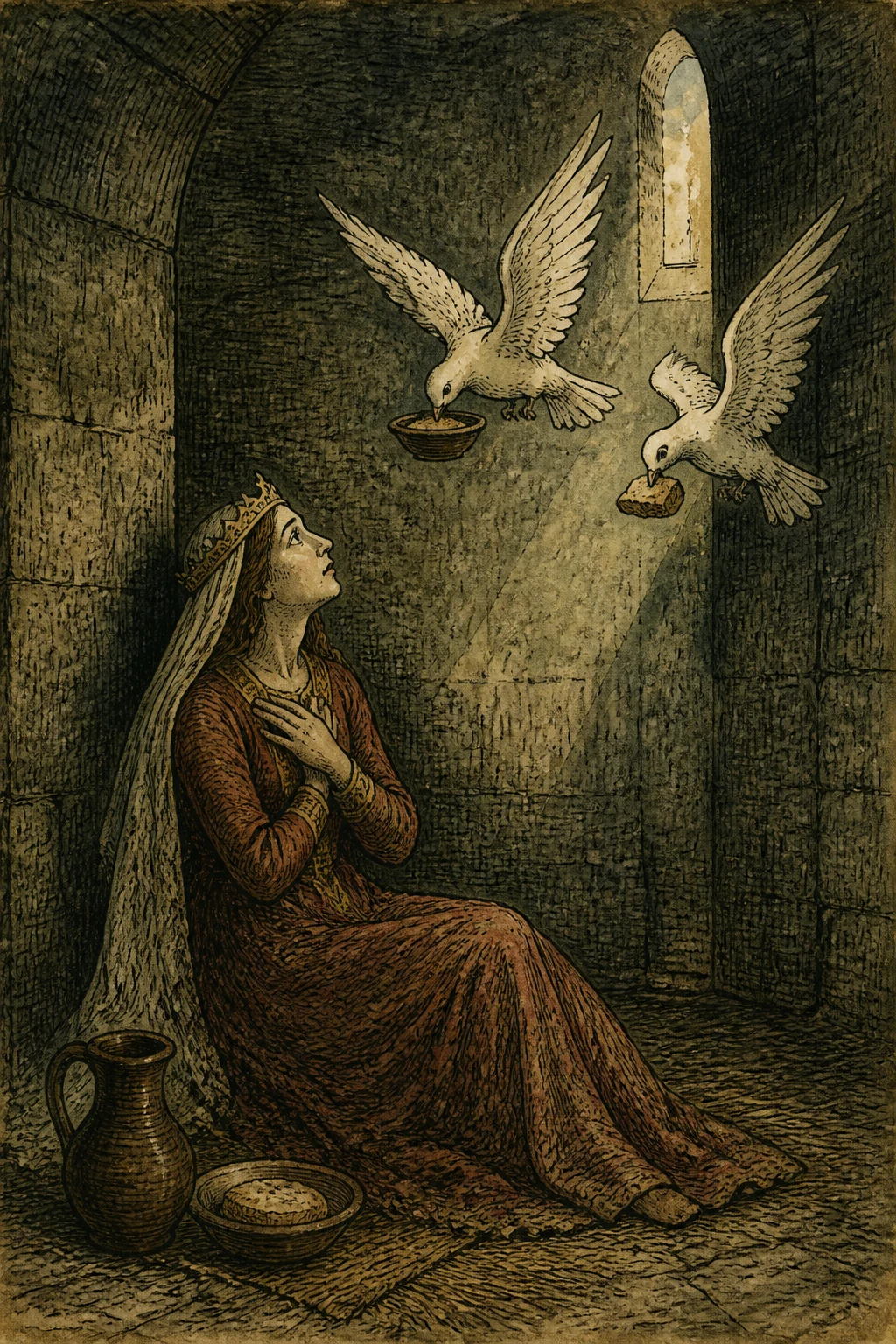
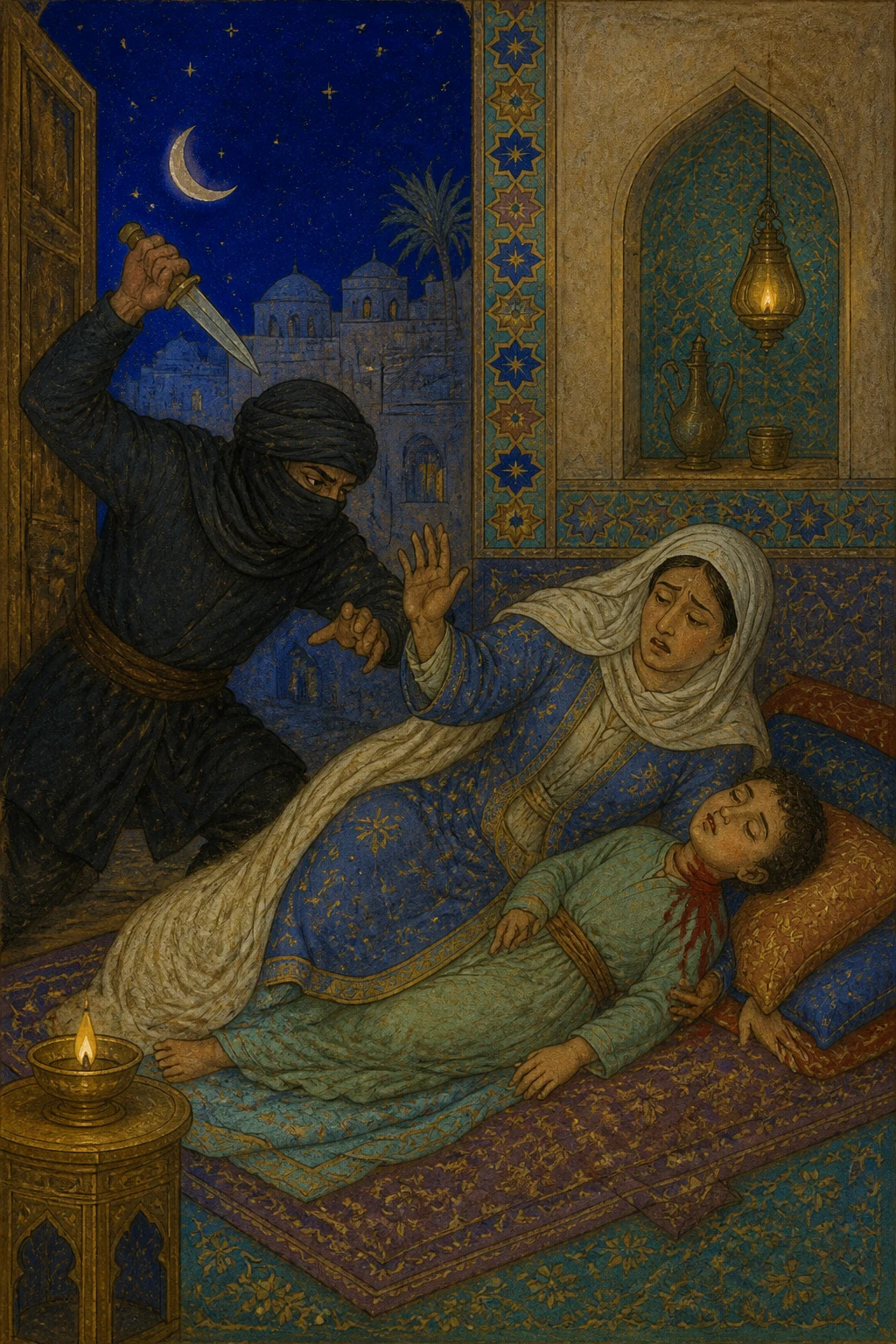
It is related that among the Children of Israel there was a judge whose wife was a woman of exquisite beauty, great chastity, patience, and forbearance. The judge wished to set out on a pilgrimage to Jerusalem, so he appointed his brother to serve as judge in his stead and entrusted his wife to his care. His brother had heard of her loveliness and beauty and had become infatuated with her. When the judge departed, he went to her and sought to seduce her, but she refused, holding fast to her piety. He pressed his suit again and again, and still she resisted. At last, despairing of her, he feared that she would tell his brother what he had done when he returned. So he summoned false witnesses to accuse her of adultery, then brought her case before the king of that time, who ordered her to be stoned. They dug a pit, seated her in it, and stoned her until the stones covered her. “Let the pit be her grave,” he said. When night fell, she began to moan from the severity of her injuries. A man on his way to a village passed by, and, hearing her groans, went over to her. He drew her out of the pit, carried her home to his wife, and told her to tend her wounds. She nursed her until she recovered. The wife had a little son whom she entrusted to the woman, and she took care of him, sleeping with him in a separate room. One of the rogues caught sight of her and desired her. He sent to solicit her, but she refused him, so he resolved to kill her. He came by night and entered her room while she slept, then brought his knife down upon her; but the blade struck the boy, and he cut his throat. When he realized that he had slaughtered the child, fear seized him and he fled the house, and God preserved her from him. In the morning she found the boy with his throat cut. His mother came and cried, “You are the one who killed him!” Then she beat her cruelly and would have cut her throat, but her husband came and rescued her, saying, “By God, she did not do it!” The woman fled for her life, not knowing where to turn. She had a few dirhams with her, and as she passed through a village she saw a crowd gathered about a man who had been fastened to a wooden post, though he was still alive. “Good people,” she asked, “what has he done?” They replied, “He has committed an offense that can be expiated only by his death, or by the payment of such-and-such a sum in dirhams as alms.” “Take the money and release him,” she said. Through her he was brought to repentance, and he vowed to serve her for the sake of God Most High until God should take his soul. He built her a hermitage and settled her there, then gathered firewood and brought her food. The woman devoted herself so earnestly to worship that no sick or afflicted person came to her and received her prayers without being healed that very moment. And morning overtook Shahrazad, and she fell silent, ceasing her permitted tale.
When it was the four hundred and sixty-sixth night
She said: It has reached me, O fortunate King, that when people began seeking out the woman, while she devoted herself to worship in her hermitage, God Most High ordained that her husband’s brother, who had had her stoned, should be afflicted with a disfiguring disease of the face. The woman who had beaten her was stricken with leprosy, and the rogue was afflicted with a pain that left him unable to walk. The judge, her husband, returned from his pilgrimage and asked his brother about her. He told him that she had died, and the judge mourned her, looking to God for the reward of his loss. Meanwhile, word of the holy woman spread, until people journeyed to her hermitage from the farthest reaches of the earth. The judge said to his brother, “Brother, why do you not seek out this righteous woman? Perhaps God will grant you healing through her.” “Brother,” he replied, “take me to her.” The husband of the woman stricken with leprosy also heard of her and brought his wife to her, while the crippled rogue’s family heard the news and brought him as well. They all gathered at the door of her hermitage. She could see everyone who came there without herself being seen. They waited until her servant arrived and begged him to obtain permission for them to enter. He did so, and she veiled her face, wrapped herself up, and stood at the door, looking at her husband, his brother, the thief, and the woman. She recognized them, but they did not recognize her. “You who have come here,” she said, “you will find no relief from your afflictions until you confess your sins. For when a servant confesses his sin, God turns to him in mercy and grants him what he seeks.” The judge said to his brother, “Brother, repent to God and do not persist in your disobedience, for that will better help you to deliverance. The very occasion speaks these words:
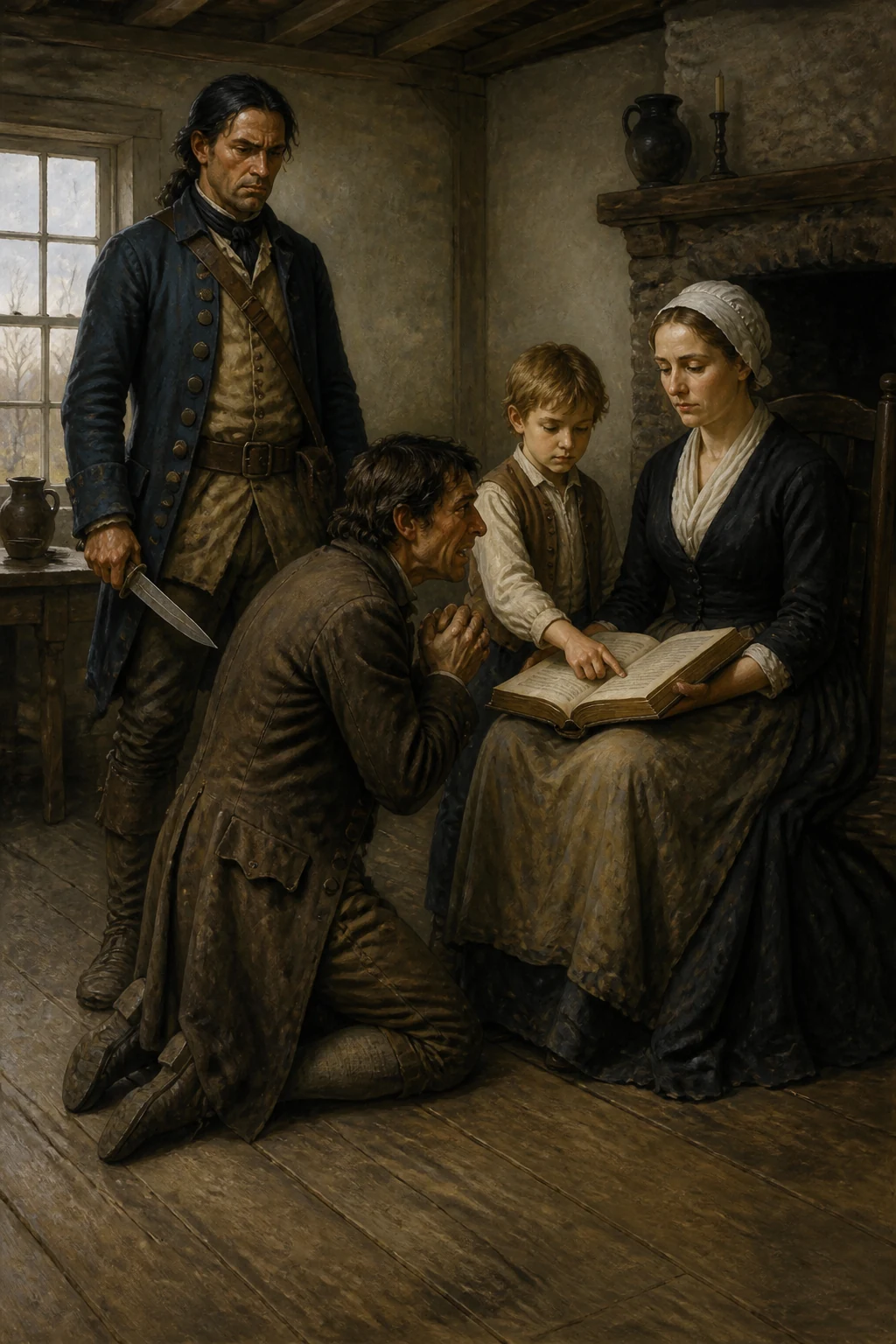
Today the wronged and those who wronged them stand together, and God reveals a secret long concealed. This is the place where sinners are brought low, while God exalts those steadfast in obedience. Our Lord and Master makes the truth appear, though the sinner rage and be humbled against his will. Alas for him who openly defies his Lord and angers Him, as though he knew nothing of God’s punishment! O seeker after honor, know that honor lies in fear of God; take refuge, then, in Him.” Then the judge’s brother said, “Now I shall speak the truth. I did such-and-such things to your wife, and this is my sin.” The leprous woman said, “I had a woman staying with me, and I accused her of something of which I had no knowledge and deliberately beat her. This is my sin.” The crippled man said, “I entered a woman’s room to kill her after I had tried to seduce her and she had refused to commit adultery. I slaughtered a little boy who lay beside her, and this is my sin.” Then the woman said, “O God, as You have shown them the abasement of disobedience, show them now the honor of obedience. Truly, You have power over all things.” And God, mighty and glorious, healed them. The judge kept looking at her, studying her closely, and she asked him why he gazed at her so. “I had a wife,” he replied, “and were she not dead, I would say that you were she.” Then she made herself known to him, and together they praised God, mighty and glorious, for His gracious favor in reuniting them. The judge’s brother, the thief, and the woman all began to beg her forgiveness, and she forgave them all. They worshipped God Most High in that place, remaining steadfast in her service until death parted them.
Izvirnik
حكاية القاضي الإسرائيلي وزوجته - الليالي ٤٦٥ إلى ٤٦٦
Naslednje strani prikazujejo izvirno besedilo za primerjavo.
فلما كانت الليلة ٤٦٥
ومما يُحكَى أنه كان في بني إسرائيل قاضٍ من قضاتهم، وكان له زوجة بديعة الجمال، كثيرة الصون والصبر والاحتمال، فأراد ذلك القاضي النهوض إلى زيارة بيت المقدس، فاستخلف أخاه على القضاء وأوصاه بزوجته، وكان أخوه قد سمع بحُسْنها وجمالها، فكَلِفَ بها، فلما سار القاضي توجَّهَ إليها، وراودها عن نفسها، فامتنعت واعتصمت بالورع، فأكثر الطلب عليها وهي تمتنع، فلما يئس منها خاف أن تُخبِرَ أخاه بصنيعه إذا رجع، فاستدعى بشهود زور يشهدون عليها بالزنا، ثم رفع مسألتها إلى ملك ذلك الزمان، فأمر برجمها، فحفروا لها حفرةً وأقعدوها فيها، ورُجِمت حتى غطَّتْها الحجارة، وقال: تكون الحفرة قبرها. فلما جنَّ الليل صارت تَئِنُّ من شدة ما نالها، فمرَّ بها رجل يريد قرية، فلما سمع أنينها قصدها، فأخرجها من الحفرة، واحتملها إلى زوجته، وأمرها بمداواتها، فداوتها حتى شفيت، وكان للمرأة ولدٌ فدفعته إليها، فصارت تكفله، ويبيت معها في بيت ثانٍ، فرآها أحد الشطار فطمع فيها، وأرسل يراودها عن نفسها، فامتنعت، فعزم على قتلها، فجاءها بالليل، ودخل عليها البيت وهي نائمة، ثم هوى بالسكين إليها، فوافَقَ الصبي فذبحه، فلما علم أنه ذبح الصبي أدركه الخوف، فخرج من البيت وعصمها الله منه، ولما أصبحت وجدَتِ الصبي مذبوحًا، وجاءت أمه وقالت: أنتِ التي ذبحتِه. ثم ضربتها ضربًا موجعًا، وأرادت ذبحها، فجاء زوجها وأنقذها منها، وقال: والله لم تفعل ذلك. فخرجت المرأة فارَّةً بنفسها لا تدري أين تتوجه، وكان معها بعض دراهم، فمرَّتْ بقرية والناس مجتمعون، ورجل مصلوب على جذع إلا أنه في قيد الحياة، فقالت: يا قوم، ما له؟ قالوا لها: أصاب ذنبًا لا يكفِّره إلا قتله، وصدقة كذا وكذا من الدراهم. فقالت: خذوا الدراهم وأطلِقوه. فتاب على يديها، ونذر على نفسه أن يخدمها لله تعالى حتى يتوفَّاه الله، ثم بنى لها صومعة أسكَنَها فيها، وصار يحتطب ويأيتها بقوتها، واجتهدَتِ المرأة في العبادة حتى كان لا يأتيها مريض أو مصاب فتدعو له إلا شفي من وقته. وأدرك شهرزاد الصباح فسكتَتْ عن الكلام المباح.
فلما كانت الليلة ٤٦٦
قالت: بلغني أيها الملك السعيد، أن المرأة لما صارت مقصودة للناس، وهي مقبلة على عبادتها في الصومعة، كان من قضاء الله تعالى أنه نزل بأخي زوجها الذي رجمها عاهة في وجهه، وأصاب المرأةَ التي ضربتها برصٌ، وابتُلِي الشاطر بوجعٍ أقعَدَه، وقد جاء القاضي زوجها من حجه، وسأل أخاه عنها، فأخبره أنها ماتت، فأسف عليها، واحتسبها عند الله، ثم تسامعت الناس بالمرأة حتى كانوا يقصدون صومعتها من أطراف الأرض ذات الطول والعرض، فقال القاضي لأخيه: يا أخي، هلَّا قصدتَ هذه المرأة الصالحة؟ لعل الله يجعل لك على يدَيْها شفاء. قال: يا أخي، احملني إليها. وسمع بها زوج المرأة التي نزل بها البرص فسار بها إليها، وسمع أهل الشاطر المُقعَد بخبرها فساروا به إليها أيضًا، واجتمع الجميع عند باب صومعتها، وكانت ترى جميع مَن يأتي صومعتها من حيث لا يراها أحد، فانتظروا خادمها حتى جاء ورغبوا إليه في أن يستأذن لهم في الدخول عليها ففعل، فانتقبت واستترت، ووقفت عند الباب تنظر زوجها وأخاه واللص والمرأة، وعرفَتْهم وهم لا يعرفونها، فقالت لهم: يا هؤلاء، إنكم ما تستريحون مما بكم حتى تعترفوا بذنوبكم، فإن العبد إذا اعترف بذنبه تاب الله عليه، وأعطاه ما هو متوجِّه فيه إليه. فقال القاضي لأخيه: يا أخي، تُبْ إلى الله، ولا تُصِرَّ على عصيانك، فإنه أنفع لخلاصك، ولسان الحال يقول هذا المقال:
الْيَوْمَ يُجْمَعُ مَظْلُومٌ وَمَنْ ظَلَمَا وَيُظْهِرُ اللهُ سِرًّا كَانَ قَدْ كُتِمَا
هَذَا مَقَامٌ يُذَلُّ الْمُذْنِبُونَ لَهُ وَيَرْفَعُ اللهُ مَنْ طَاعَاتِهِ لَزِمَا
وَيُظْهِرُ الْحَقَّ مَوْلَانَا وَسَيِّدُنَا هَذَا وَإِنْ سَخَطَ الْعَاصِي وَإِنْ رُغِمَا
يَا وَيْحَ مَنْ جَاهَرَ الْمَوْلَى وَأَسْخَطَهُ كَأَنَّهُ بِعِقَابِ اللهِ مَا عَلِمَا
يَا طَالِبَ الْعِزِّ إِنَّ الْعِزَّ وَيْحَكَ فِي تَقْوَى الْإِلَهِ فَكُنْ بِاللهِ مُعْتَصِمَا
قال: فعند ذلك قال أخو القاضي: الآن أقول الحق؛ إني فعلت بزوجتك ما هو كذا وكذا، وهذا ذنبي. فقالت البرصاء: وأنا كانت عندي امرأة، فنسبتُ إليها ما لم أعلمه، وضربتُها عمدًا، وهذا ذنبي. فقال المُقعَد: وأنا دخلتُ على امرأةٍ لأقتلها بعد مراودتها عن نفسها، وامتناعها من الزنا، فذبحتُ صبيًّا كان بين يدَيْها وهذا ذنبي. فقالت المرأة: اللهم كما أريْتَهم ذلَّ المعصية، فأَرِهِم عزَّ الطاعة، إنك على كل شيء قدير. فشفاهم الله عز وجل. وجعل القاضي ينظر إليها ويتأملها، فسألته عن سبب النظر، فقال: كانت لي زوجة، ولولا أنها ماتت لقلتُ إنها أنتِ. فعرَّفَتْه بنفسها، وجعلَا يحمدان الله عزَّ وجلَّ على ما مَنَّ عليهما به من جمع شملهما، ثم طفق كلٌّ من أخي القاضي واللص والمرأة يسألونها المسامحة، فسامحَتِ الجميع، وعبدوا الله تعالى في ذلك المكان، مع لزوم خدمتها إلى أن فرَّقَ الموتُ بينهم.
Nadaljuj z branjem