Waltey
Rdeči škrat
205 The Nain Rouge
Myths and Legends of Our Own Land · Charles M. SkinnerO besedilu
Rdeči škrat
- Vir
- Myths and Legends of Our Own Land
- Avtor
- Charles M. Skinner
- Jezik branja
- Slovenščina
- Jezik izvirnika
- English
- Čas branja
- 5 min branja
- Obseg
- 4 strani
- Naslov izvirnika
- 205 The Nain Rouge
O izvirniku
Myths and Legends of Our Own Land
Obsežna zgodovinska zbirka ameriških legend, ki jih je Skinner zbral in avtorsko rekonstruiral. Bralni jezik je Slovenščina, izvirnik pa prihaja iz vira Myths and Legends of Our Own Land v jeziku English.
Besedilo
Rdeči škrat
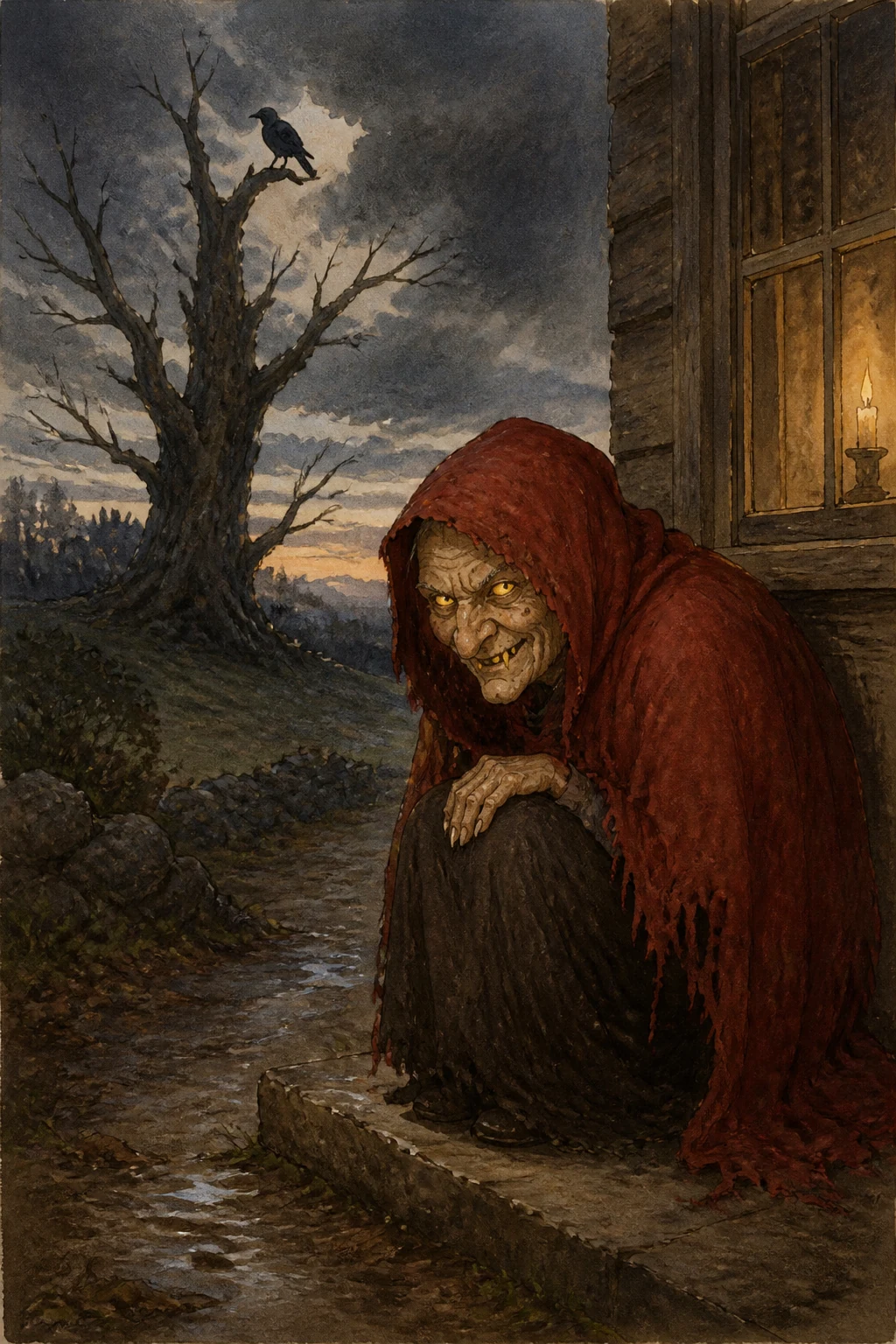
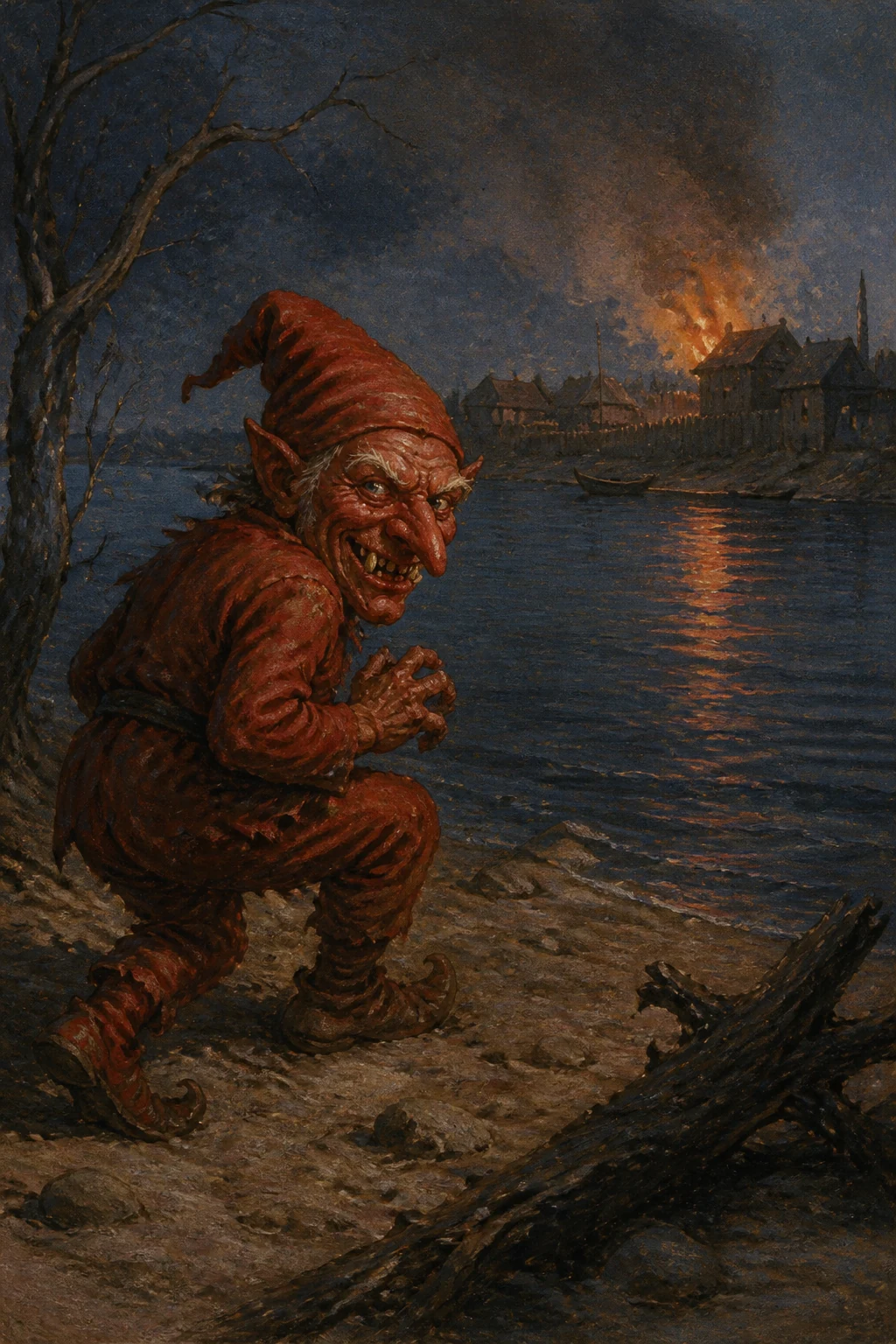
Med vsem vražičjim zarodom Kamnitega boga, čarovniki in čarovnicami, zaradi katerih so se prvi naseljenci bali Detroita, ni bilo nikogar, ki bi zbujal več strahu kakor Nain Rouge (Rdeči škrat), imenovan tudi Demon ožine, saj se je prikazal le tedaj, ko se je obetala nesreča. Ta mu je bila v največje veselje. Bil je opotekavo bitje z rdečim obrazom, hladnim, bleščečim očesom in zobmi, ki so štrleli iz režečih se ust. Cadillac, ustanovitelj Detroita, je zamahnil po njem in kmalu zatem izgubil svoje zemljiško gospostvo in premoženje. Videli so ga, kako je švigal ob obali v noči pred napadom pri Bloody Runu, ko je potok, ki je pozneje dobil to ime, pordečel od krvi vojakov. Ljudje so ga videli na zadimljenih ulicah, ko je mesto leta 1805 pogorelo, in na jutro Hullove predaje so ga uzrli, kako se je režal v megli. V pričakovanju si je mel koščene členke, ko je David Fisher veslal čez ožino k svoji ljubi, Soulange Gaudet, v edinem plovilu, ki ga je lahko našel — namreč v samokolnici —, a ko je David varno pristal, ga je veselje minilo.
Privoščljivo se je hihital, ko so se mladi gizdalini na božični dan podali na dirko po zamrznjeni ožini za roko Claire, hčere starega Beauvaisa; ko pa je konj njenega ljubega, žilav indijanski konjič, pridirjal na cilj, je zbežal pred njuno srečo. Dvakrat so ga videli na strehi hleva, kjer je tisti čemerni starec z zlobnim pogledom, večno mrmrajoči Jean Beaugrand, imel svojega konja Sans Soucija — žival, ki je kljub stotim letom ali več zmogla preskočiti vsak zid v Detroitu in je to tudi počela, celo dvanajst čevljev visoko palisado utrdbe, da bi kradla koruzo in lubenice, in ki so jo v istem hlevu videli sedeti za mizo, igrati s svojim gospodarjem karte seven-up in piti žganje, podobno raztaljeni medenini. Škrat je šepetal v uho spečemu staremu poglavarju, ki je ubil brata Constantina, kaplana v utrdbi, ker ga je razjezilo njegovo učenje, ki je od njegove hčere odvrnilo belega ljubimca in jo pognalo v smrt z utopitvijo — umor, ki ga je Indijanec pozneje priznal, ker ni mogel več prenašati zvonjenja mašnega zvona v ušesih in bratovega glasu v vetru.
Prav Nain Rouge si je prilastil polovico starega mlina na Presque Islu, za katero se je bolna in razdražljiva Josette zaklela, da jo bo zapustila hudiču, ko jo je brat Jean nadlegoval, naj napiše oporoko v njegov prid in mu izroči mlin v izključno last. V noči njene smrti je mlin razdejala strela in med ruševinami so pogosto videli rdečeličnega vražička, ki je skušal zakrpati mehanizem, da bi lahko mlel hudičevo žito. Vodil je ples črnih mačk v mlinu pri Pont Rougeu, potem ko je vdovina kletev zadela njenega svaka Louisa Roberta. Ta mož, ki je po njenem možu prevzel upravljanje posesti, je postal tako skopuški, da so ona in njeni otroci dobesedno umrli od lakote; toda njena predsmrtna kletev je nad kraj priklicala tolikšno nesrečo in o njem razširila tako zlovešč glas, da se je pobral od tam. Nain Rouge je bil morda tudi tisti Lutin, ki je iz hleva pri Grosse Pointu odpeljal ponije Jacquesa L'Esperancea in jih, ne da bi pustil sled v pesku ali snegu, vso noč jezdil po zraku, ob zori pa jih vračal drhteče od utrujenosti, prekrite s peno in krvave od udarcev s trnovo vejo. S tem početjem je nehal tisto noč, ko je Jacques vanj zalučal kropilnik z blagoslovljeno vodo, toda da bi ga odgnali, prebivalci Grosse Pointa še vedno zaznamujejo svoje hiše z znamenjem križa.
Skrival se je v gozdu tistega dne, ko je stotnik Dalzell krenil nad Pontiaca in padel v zasedi, na skrivno olajšanje svojega nadrejenega, majorja Gladwyna, saj je ta upal, da bo osvojil Dalzellovo zaročenko; ko pa je dekle izvedelo, da je bil njen ljubi ubit pri Bloody Runu in da so njegovo glavo nosili na sulici, se je zgrudilo na tla in si ni nikoli več opomoglo; čez nekaj dni je sledilo žrtvam pokola. Sumili so, da se Nain Rouge zna preobraziti v nič manj zoprno prikazen. Brata Tremblay pri ribolovu po ožinah in jezerih nista imela sreče, dokler se ni eden od njiju zaobljubil, da bo svoj ulov delil s svetim Patrikom; svetnikovo polovico naj bi prodajali pred cerkvenimi vrati v korist revnih in za plačevanje maš, ki bi lajšale trpljenje duš v vicah. Njegov brat je dvomil, da bo ta blagoslov trajal, in se bal, da bi ju zvabili v vodo in spremenili v ribi; mar ni sveti Patrik nekoč v petek jedel svinjskih kotletov, potem ko jih je pomočil v blagoslovljeno vodo in spremenil v postrvi? Toda dobri brat je vztrajal in uspeval, hudobni pa je še naprej godrnjal. Na Grosse Islu je bila nenavadna prikazen, imenovana kotaleči se muf, ki so se je vsi bali, saj je srečanje z njo napovedovalo nesrečo; vendar jo je bilo, tako kakor feu follet, mogoče odgnati, če si proti njej iztegnil križ ali jo vprašal, na kateri dan v mesecu pride božič. Slabši od bratov Tremblay je srečal to bitje in navdalo ga je z grozo. Ko se je vrnil, so sosedje na njegovih oblačilih zaznali vonj — nikakor ne po svetosti — in menili, da je srečal skunka. Brezbožnež pa je bil prepričan, da ga je Nain Rouge hudičevo krstil, in odtlej sveti Patrik ni imel zvestejših zaveznikov od obeh bratov Tremblay.
Izvirnik
205 The Nain Rouge
Naslednje strani prikazujejo izvirno besedilo za primerjavo.
Among all the impish offspring of the Stone God, wizards and witches, that made Detroit feared by the early settlers, none were more dreaded than the Nain Rouge (Red Dwarf), or Demon of the Strait, for it appeared only when there was to be trouble. In that it delighted. It was a shambling, red-faced creature, with a cold, glittering eye and teeth protruding from a grinning mouth. Cadillac, founder of Detroit, having struck at it, presently lost his seigniory and his fortunes. It was seen scampering along the shore on the night before the attack on Bloody Run, when the brook that afterward bore this name turned red with the blood of soldiers. People saw it in the smoky streets when the city was burned in 1805, and on the morning of Hull's surrender it was found grinning in the fog. It rubbed its bony knuckles expectantly when David Fisher paddled across the strait to see his love, Soulange Gaudet, in the only boat he could find--a wheel-barrow, namely--but was sobered when David made a safe landing.
It chuckled when the youthful bloods set off on Christmas day to race the frozen strait for the hand of buffer Beauvais's daughter Claire, but when her lover's horse, a wiry Indian nag, came pacing in it fled before their happiness. It was twice seen on the roof of the stable where that sour-faced, evil-eyed old mumbler, Jean Beaugrand, kept his horse, Sans Souci--a beast that, spite of its hundred years or more, could and did leap every wall in Detroit, even the twelve-foot stockade of the fort, to steal corn and watermelons, and that had been seen in the same barn, sitting at a table, playing seven-up with his master, and drinking a liquor that looked like melted brass. The dwarf whispered at the sleeping ear of the old chief who slew Friar Constantine, chaplain of the fort, in anger at the teachings that had parted a white lover from his daughter and led her to drown herself--a killing that the red man afterward confessed, because he could no longer endure the tolling of a mass bell in his ears and the friar's voice in the wind.
The Nain Rouge it was who claimed half of the old mill, on Presque Isle, that the sick and irritable Josette swore that she would leave to the devil when her brother Jean pestered her to make her will in his favor, giving him complete ownership. On the night of her death the mill was wrecked by a thunder-bolt, and a red-faced imp was often seen among the ruins, trying to patch the machinery so as to grind the devil's grist. It directed the dance of black cats in the mill at Pont Rouge, after the widow's curse had fallen on Louis Robert, her brother-in-law. This man, succeeding her husband as director of the property, had developed such miserly traits that she and her children were literally starved to death, but her dying curse threw such ill luck on the place and set afloat such evil report about it that he took himself away. The Nain Rouge may have been the Lutin that took Jacques L'Esperance's ponies from the stable at Grosse Pointe, and, leaving no tracks in sand or snow, rode them through the air all night, restoring them at dawn quivering with fatigue, covered with foam, bloody with the lash of a thorn-bush. It stopped that exercise on the night that Jacques hurled a font of holy water at it, but to keep it away the people of Grosse Pointe still mark their houses with the sign of a cross.
It was lurking in the wood on the day that Captain Dalzell went against Pontiac, only to perish in an ambush, to the secret relief of his superior, Major Gladwyn, for the major hoped to win the betrothed of Dalzell; but when the girl heard that her lover had been killed at Bloody Run, and his head had been carried on a pike, she sank to the ground never to rise again in health, and in a few days she had followed the victims of the massacre. There was a suspicion that the Nain Rouge had power to change his shape for one not less offensive. The brothers Tremblay had no luck in fishing through the straits and lakes until one of them agreed to share his catch with St. Patrick, the saint's half to be sold at the church-door for the benefit of the poor and for buying masses to relieve souls in purgatory. His brother doubted if this benefit would last, and feared that they might be lured into the water and turned into fish, for had not St. Patrick eaten pork chops on a Friday, after dipping them into holy water and turning them into trout? But his good brother kept on and prospered and the bad one kept on grumbling. Now, at Grosse Isle was a strange thing called the rolling muff, that all were afraid of, since to meet it was a warning of trouble; but, like the feu follet, it could be driven off by holding a cross toward it or by asking it on what day of the month came Christmas. The worse of the Tremblays encountered this creature and it filled him with dismay. When he returned his neighbors observed an odor--not of sanctity--on his garments, and their view of the matter was that he had met a skunk. The graceless man felt convinced, however, that he had received a devil's baptism from the Nain Rouge, and St. Patrick had no stancher allies than both the Tremblays, after that.
Nadaljuj z branjem