Waltey
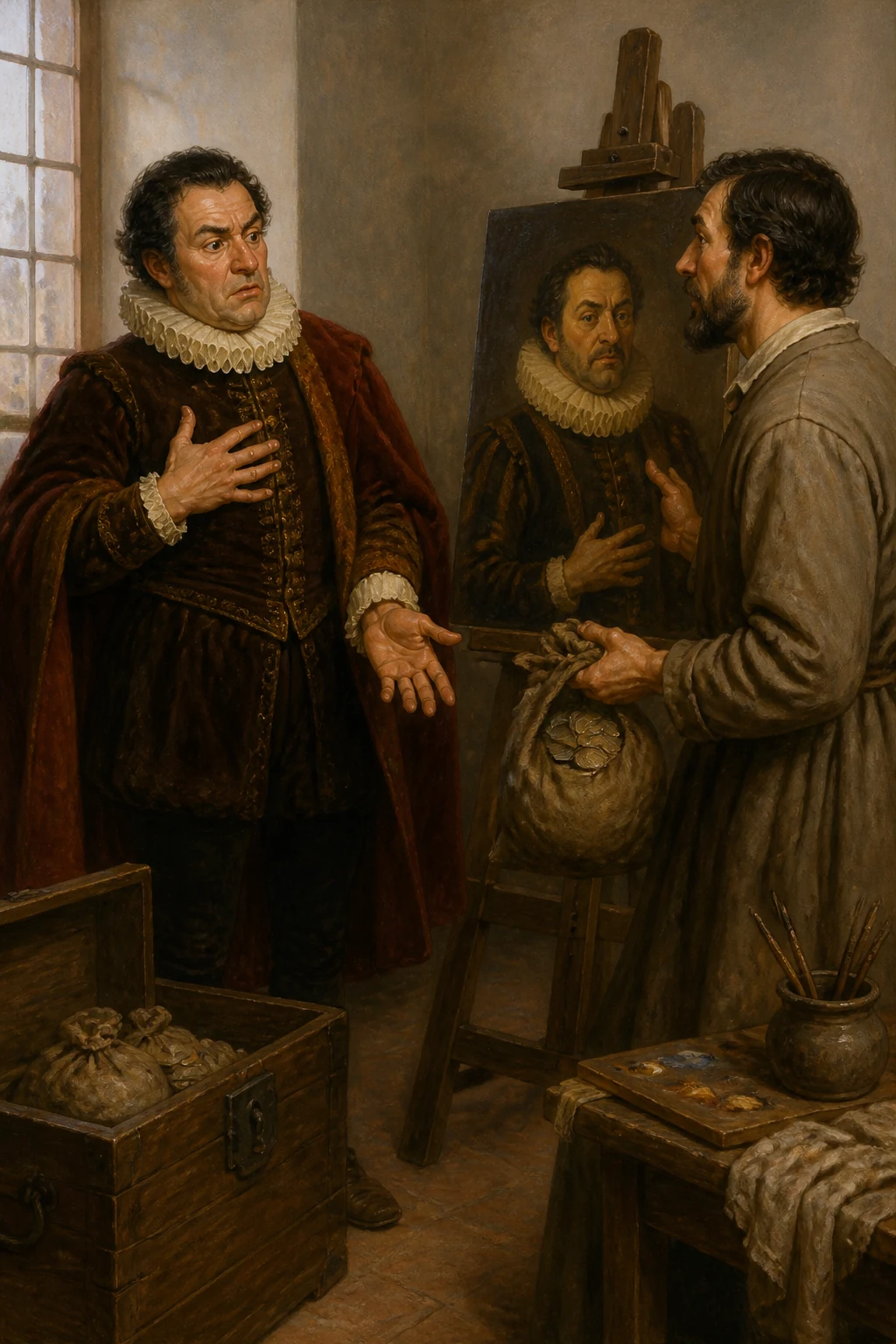
Portret s starinskim ovratnikom
Fábulas literarias — 76 oštevilčenih basni v 75 bralnih enotah
Fábulas literarias · Tomás de IriarteO besedilu
Portret s starinskim ovratnikom
- Vir
- Fábulas literarias
- Avtor
- Tomás de Iriarte
- Jezik branja
- English
- Jezik izvirnika
- Español
- Čas branja
- 3 min branja
- Obseg
- 2 strani
- Naslov izvirnika
- 038 El Retrato de Golilla
O izvirniku
Fábulas literarias
Petinsedemdeset bralnih enot iz šestinsedemdesetih oštevilčenih avtorskih basni o književnosti in presoji umetnosti. Bralni jezik je English, izvirnik pa prihaja iz vira Fábulas literarias v jeziku Español.
Besedilo
Portret s starinskim ovratnikom
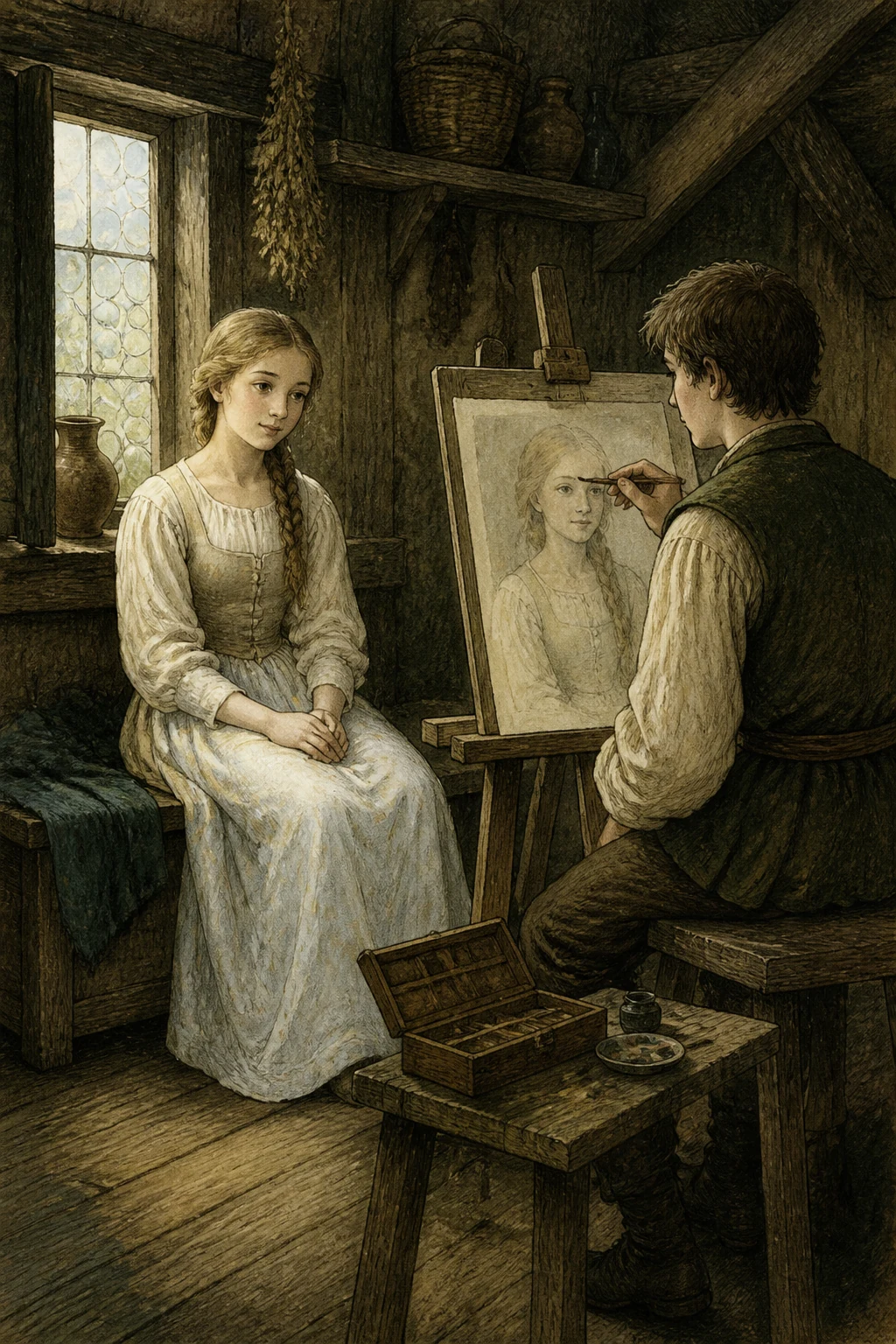
(If the use of newly introduced foreign words is a fault, so too, at the opposite extreme, is the use of obsolete ones.) The catching plague of foreign turns of phrase Today afflicts our language grievously; Yet some suppose their speech is never pure Unless they leave familiar words for antiquity. I shall divert such a one with a little tale; 5 And, that it may afford him greater pleasure, In his own manner I mean to tell it, Mingling two tongues, the modern and the old. Not without much envy, a painter of today Beheld the great esteem and praise 10 That certain portraits of olden times enjoyed; To fall short of them he thought a disgrace. Wherefore, wishing one day to portray A certain wealthy man, a lord of great account, He judged that old-fashioned garments 15 Would lend his picture a venerable air. He fancied this would make him a second Velázquez; And so, when he had copied all the features Of the face, he added a stiff collar And other finery in the ancient fashion. 20 He took the painting to its owner without delay, Who stood aghast when he beheld His body clothed in antiquated splendor, Though the face did please him well enough. But then a stratagem came to his mind 25 By which to give the portrait painter his reward. In an old chest he kept some ancient coins Inherited from his forefathers. Many were from the reign of Ferdinand the Fifth, Besides some from that of Charles the First, 30 And both the Philips, Second and Third; He filled a purse with these and gave it to him. “With these coins—or medals, rather,” The painter said, “if I go to market When I have need to purchase victuals, 35 I shall come home with a fine tale to tell.” —“By heaven!” said the other, “have you not painted me In clothes that once were thought most lordly, But now are worn by none save a bailiff? As you have painted me, so have I paid you. 40 “Take back the picture, and paint my cravat Forthwith in place of that stiff collar; Exchange that sword for my dress sword, And turn that doublet into my coat; For there is not a soul in all the town 45 Who, seeing me thus arrayed, would know my face. Then I shall promptly count out your payment In good coin current in Castile.” Now then, if we find cause for laughter In the notion of that foolish modern painter, 50 Should we not laugh whenever a novice author Prates in the ancient phrases of his dotage? He thinks his affectation a refinement; His speech is pure at clarity’s expense, And no word seems too mean for our own age 55 If it was noble in the days of the Cid Campeador.
Izvirnik
038 El Retrato de Golilla
Naslednje strani prikazujejo izvirno besedilo za primerjavo.
(Si es vicioso el uso de voces extranjeras modernamente introducidas, también lo es, por el contrario, el de las anticuadas.)
De frase extranjera el mal pegadizo Hoy a nuestro idioma gravemente aqueja; Pero habrá quien piense que no habla castizo Si por lo anticuado lo usado no deja. Voy a entretenelle con una conseja; 5 Y porque le traiga más contentamiento, En su mesmo estilo referille intento, Mezclando dos hablas, la nueva y la vieja. No sin hartos celos un pintor de hogaño Vía cómo agora gran loa y valía 10 Alcanzan algunos retratos de antaño; Y el no remedallos a mengua tenía: Por ende, queriendo retratar un día A cierto rico-home, señor de gran cuenta, Juzgó que lo antiguo de la vestimenta 15 Estima de rancio al cuadro daría. Segundo Velázquez creyó ser con esto; Y ansí que del rostro toda la semblanza Hubo trasladado, golilla le ha puesto, Y otros atavíos a la antigua usanza. 20 La tabla a su dueño lleva sin tardanza, El cual espantado fincó desque vido Con añejas galas su cuerpo vestido, Maguer que le plugo la faz abastanza. Empero una traza le vino a las mientes 25 Con que al retratante dar su galardón. Guardaba, heredadas de sus ascendientes, Antiguas monedas en un viejo arcón. Del Quinto Fernando muchas de ellas son, Allende de algunas de Carlos Primero, 30 De entrambos Filipos Segundo y Tercero; Y henchido de todas le endonó un bolsón. "Con estas monedas, o siquier medallas (El pintor le dice), si voy al mercado Cuando me cumpliere mercar vituallas, 35 Tornaré a mi casa con un buen recado." --"¡Pardiez! (dijo el otro), ¿no me habéis pintado En traje que un tiempo fué muy señoril, Y agora le viste sólo un alguacil? Cual me retratasteis, tal os he pagado. 40 "Llevaos la tabla, y el mi corbatín Pintadme al proviso en vez de golilla; Cambiadme esa espada en el mi espadín, Y en la mi casaca trocad la ropilla; Ca non habrá nadie en toda la villa 45 Que, al verme en tal guisa, conozca mi gesto: Vuestra paga entonces contaros-he presto En buena moneda corriente en Castilla." Ora pues, si a risa provoca la idea Que tuvo aquel sandio moderno pintor, 50 ¿No hemos de reírnos siempre que chochea Con ancianas frases un novel autor? Lo que es afectado juzga que es primor; Habla puro a costa de la claridad, Y no halla voz baja para nuestra edad, 55 Si fué noble en tiempo del Cid Campeador.
Nadaljuj z branjem