Prevod
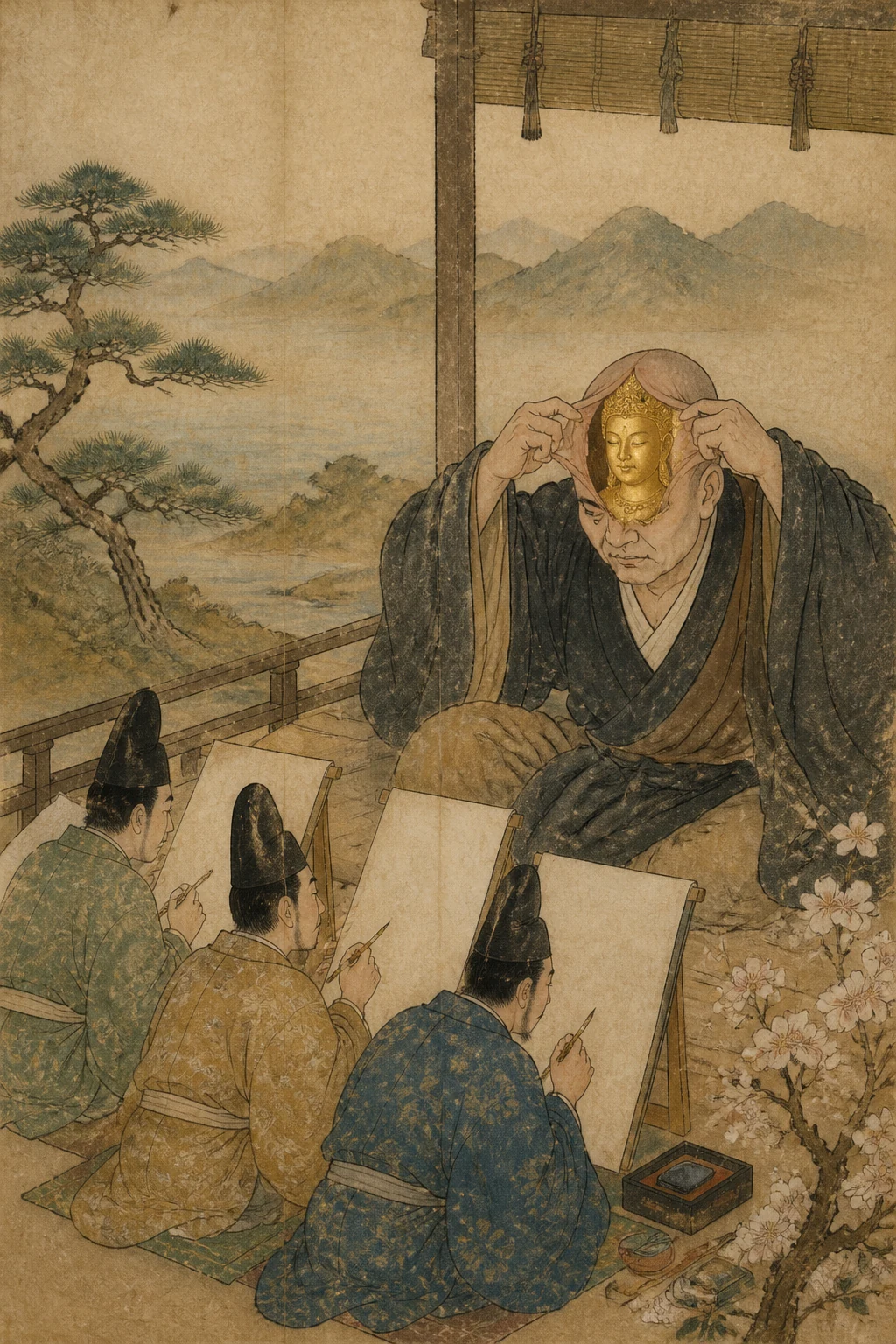
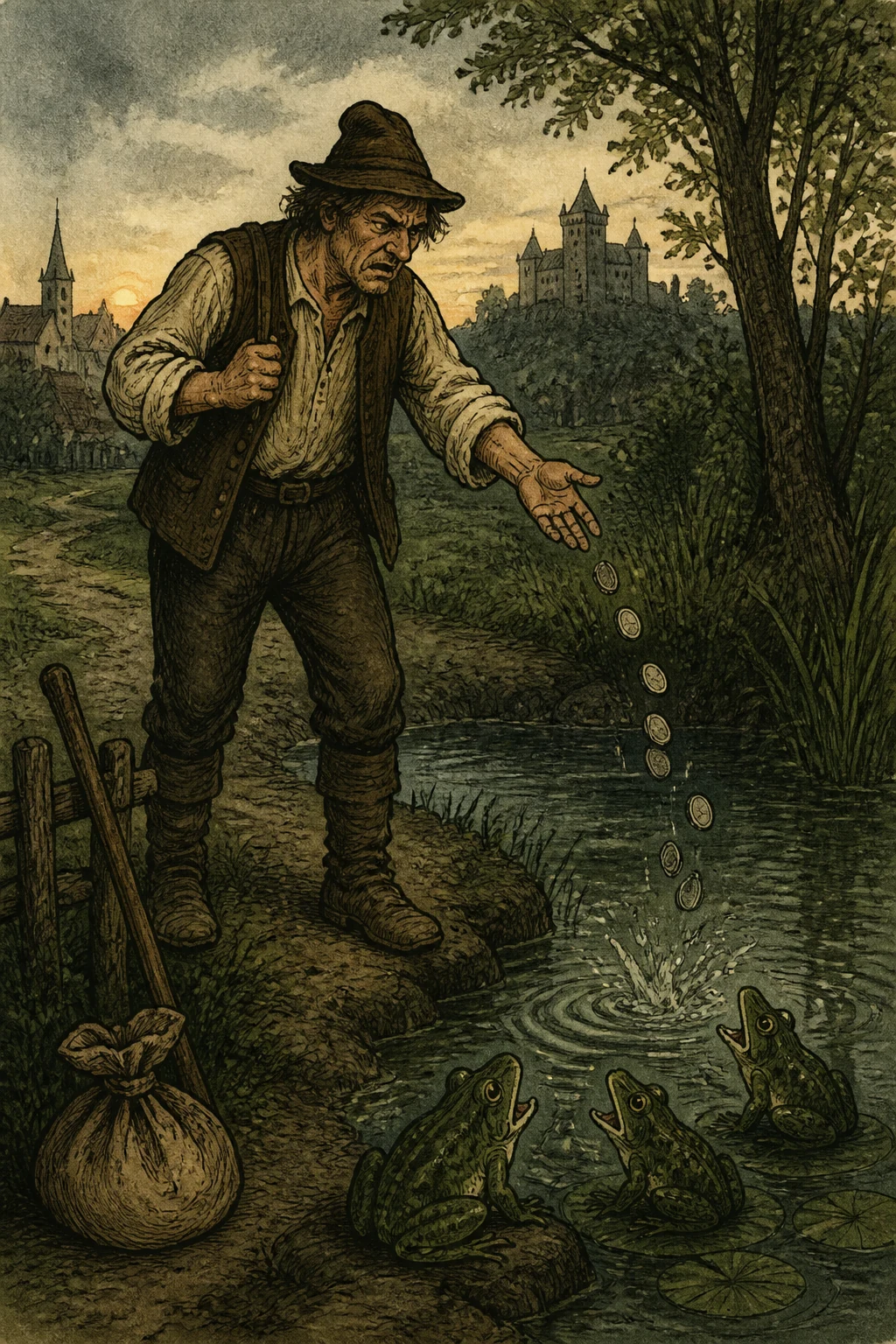
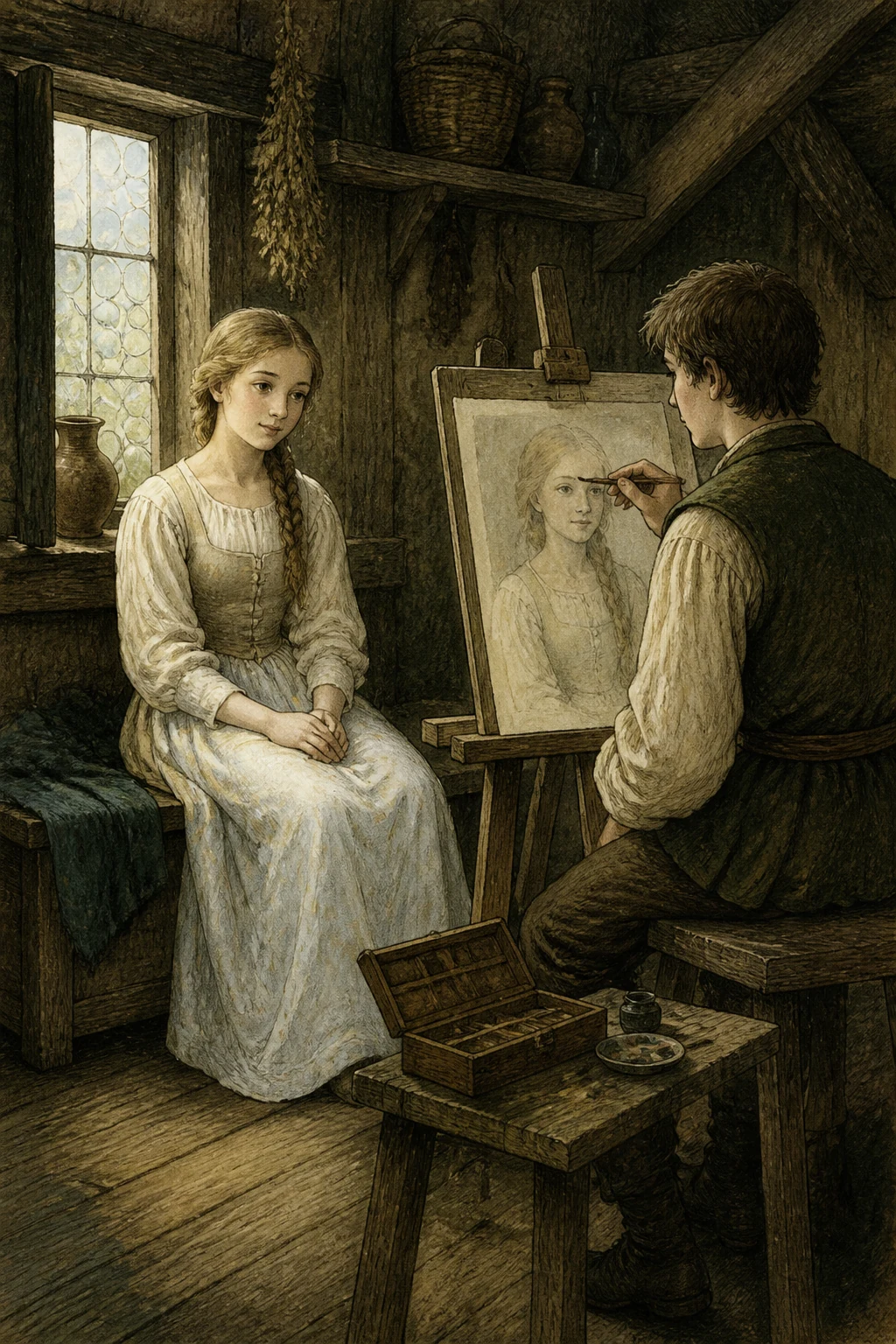
(If the use of newly introduced foreign words is a fault, so too, at the opposite extreme, is the use of obsolete ones.) The catching plague of foreign turns of phrase Today afflicts our language grievously; Yet some suppose their speech is never pure Unless they leave familiar words for antiquity. I shall divert such a one with a little tale; 5 And, that it may afford him greater pleasure, In his own manner I mean to tell it, Mingling two tongues, the modern and the old. Not without much envy, a painter of today Beheld the great esteem and praise 10 That certain portraits of olden times enjoyed; To fall short of them he thought a disgrace. Wherefore, wishing one day to portray A certain wealthy man, a lord of great account, He judged that old-fashioned garments 15 Would lend his picture a venerable air. He fancied this would make him a second Velázquez; And so, when he had copied all the features Of the face, he added a stiff collar And other finery in the ancient fashion. 20 He took the painting to its owner without delay, Who stood aghast when he beheld His body clothed in antiquated splendor, Though the face did please him well enough. But then a stratagem came to his mind 25 By which to give the portrait painter his reward. In an old chest he kept some ancient coins Inherited from his forefathers. Many were from the reign of Ferdinand the Fifth, Besides some from that of Charles the First, 30 And both the Philips, Second and Third; He filled a purse with these and gave it to him. “With these coins—or medals, rather,” The painter said, “if I go to market When I have need to purchase victuals, 35 I shall come home with a fine tale to tell.” —“By heaven!” said the other, “have you not painted me In clothes that once were thought most lordly, But now are worn by none save a bailiff? As you have painted me, so have I paid you. 40 “Take back the picture, and paint my cravat Forthwith in place of that stiff collar; Exchange that sword for my dress sword, And turn that doublet into my coat; For there is not a soul in all the town 45 Who, seeing me thus arrayed, would know my face. Then I shall promptly count out your payment In good coin current in Castile.” Now then, if we find cause for laughter In the notion of that foolish modern painter, 50 Should we not laugh whenever a novice author Prates in the ancient phrases of his dotage? He thinks his affectation a refinement; His speech is pure at clarity’s expense, And no word seems too mean for our own age 55 If it was noble in the days of the Cid Campeador.