O besedilu
Poljska in hišna miš
- Vir
- Ezopove basni
- Avtor
- Ezop / Karl Halm
- Jezik branja
- English
- Jezik izvirnika
- Ancient Greek
- Čas branja
- 2 min branja
- Obseg
- 1 stran
- Naslov izvirnika
- 297b. Ἄλλως. (C. p. 197. B. 108.)
O izvirniku
Ezopove basni
Kratke basni, kjer živali v nekaj potezah razkrijejo človeške slabosti. Bralni jezik je English, izvirnik pa prihaja iz vira Ezopove basni v jeziku Ancient Greek.
Besedilo
Poljska in hišna miš
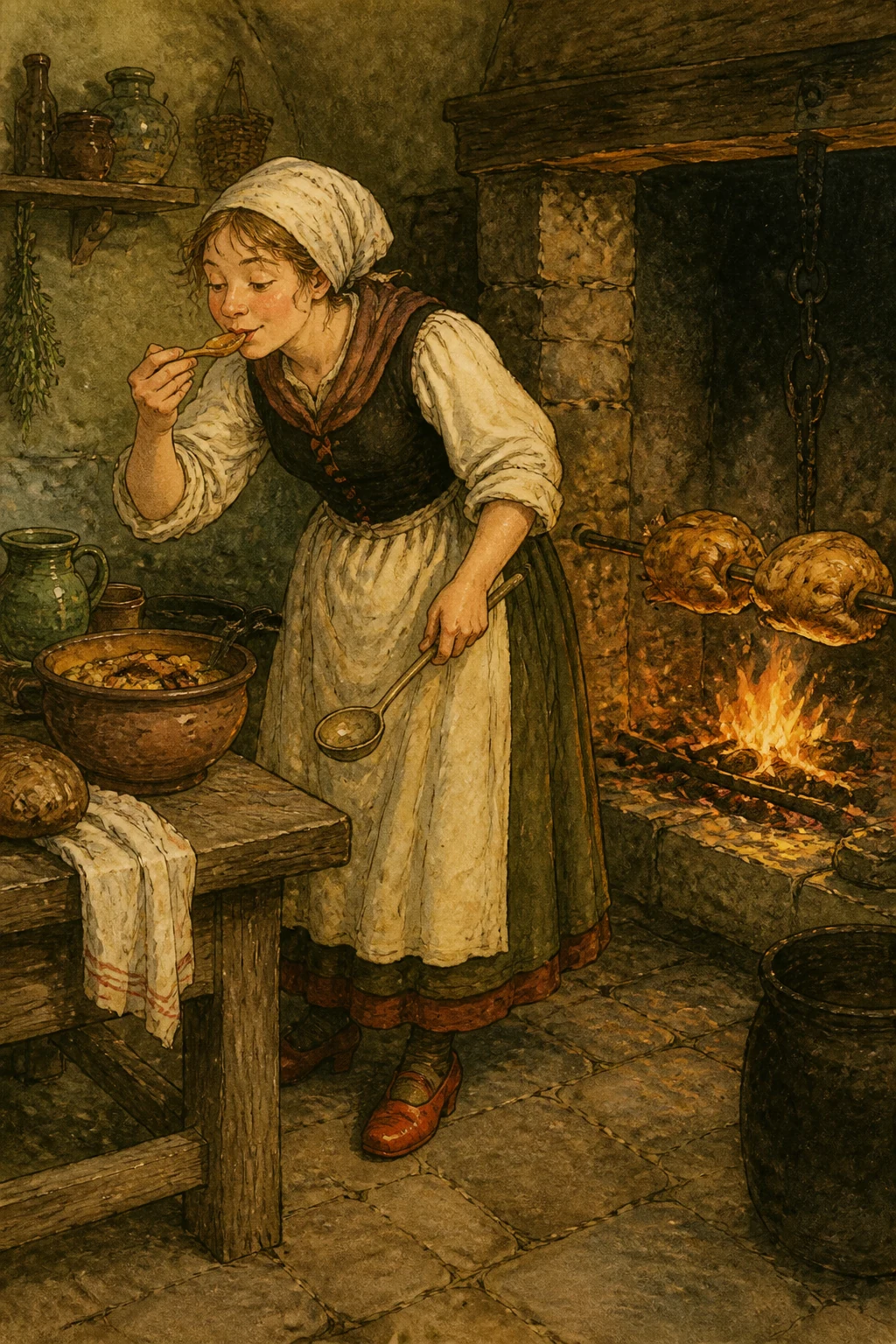
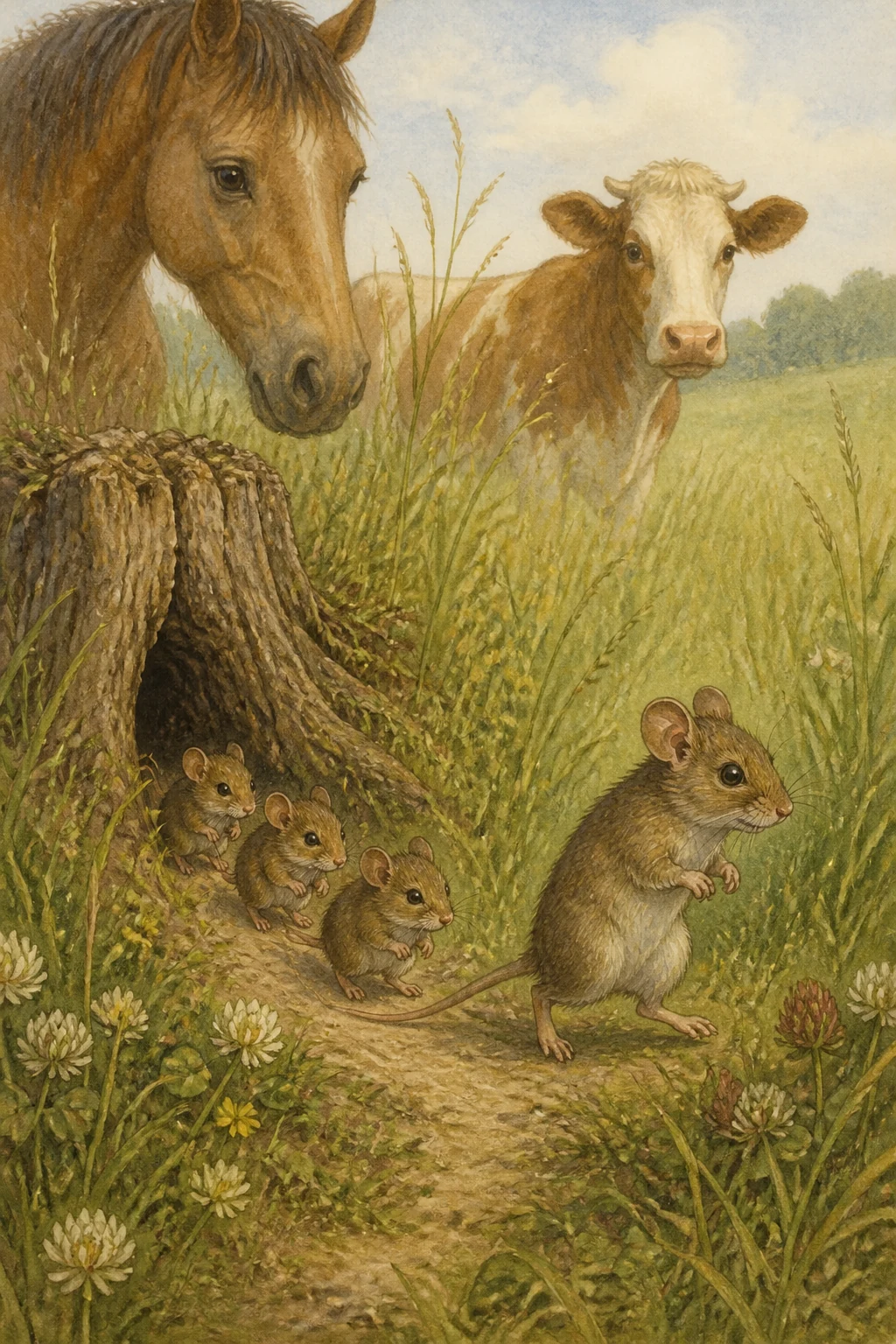
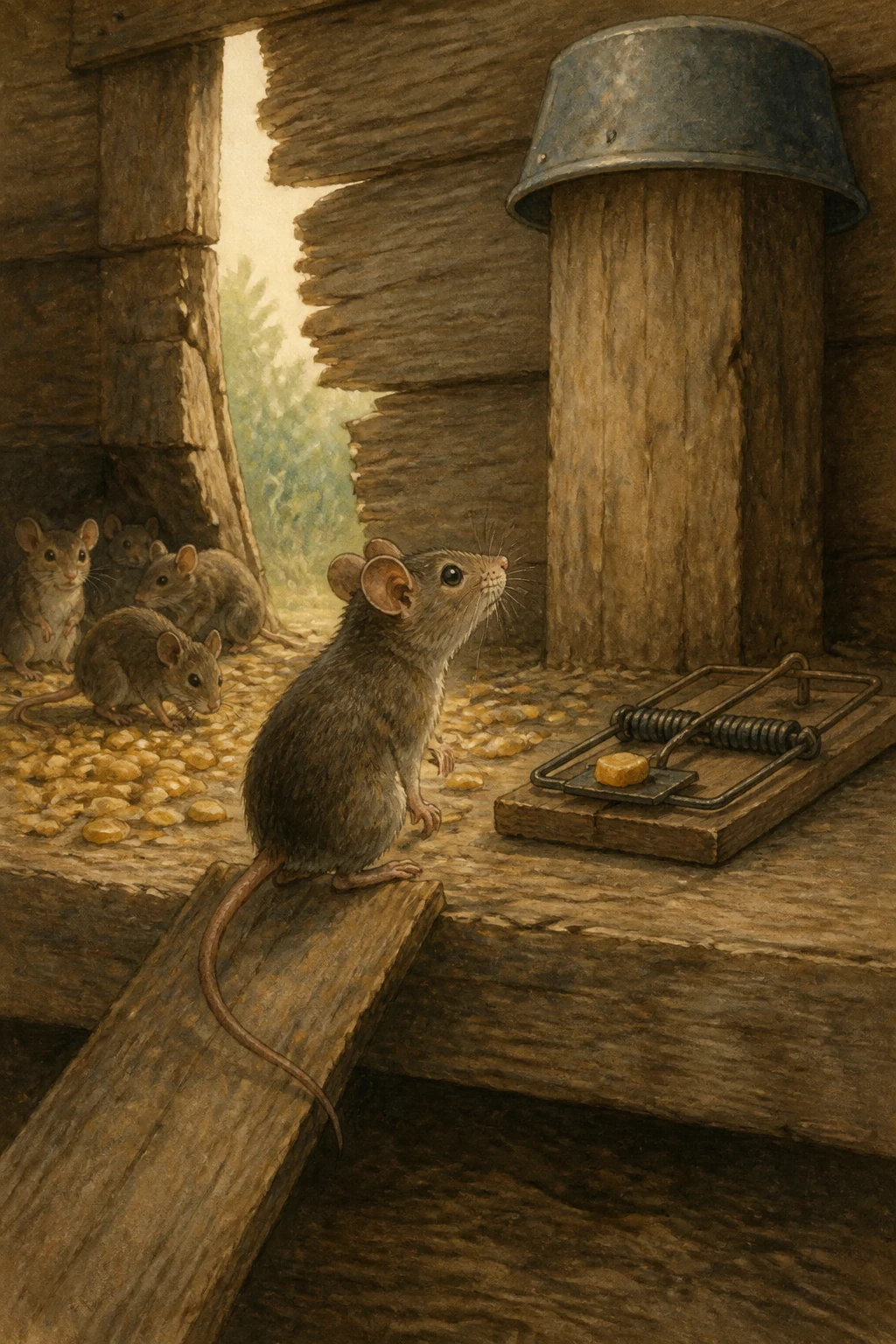
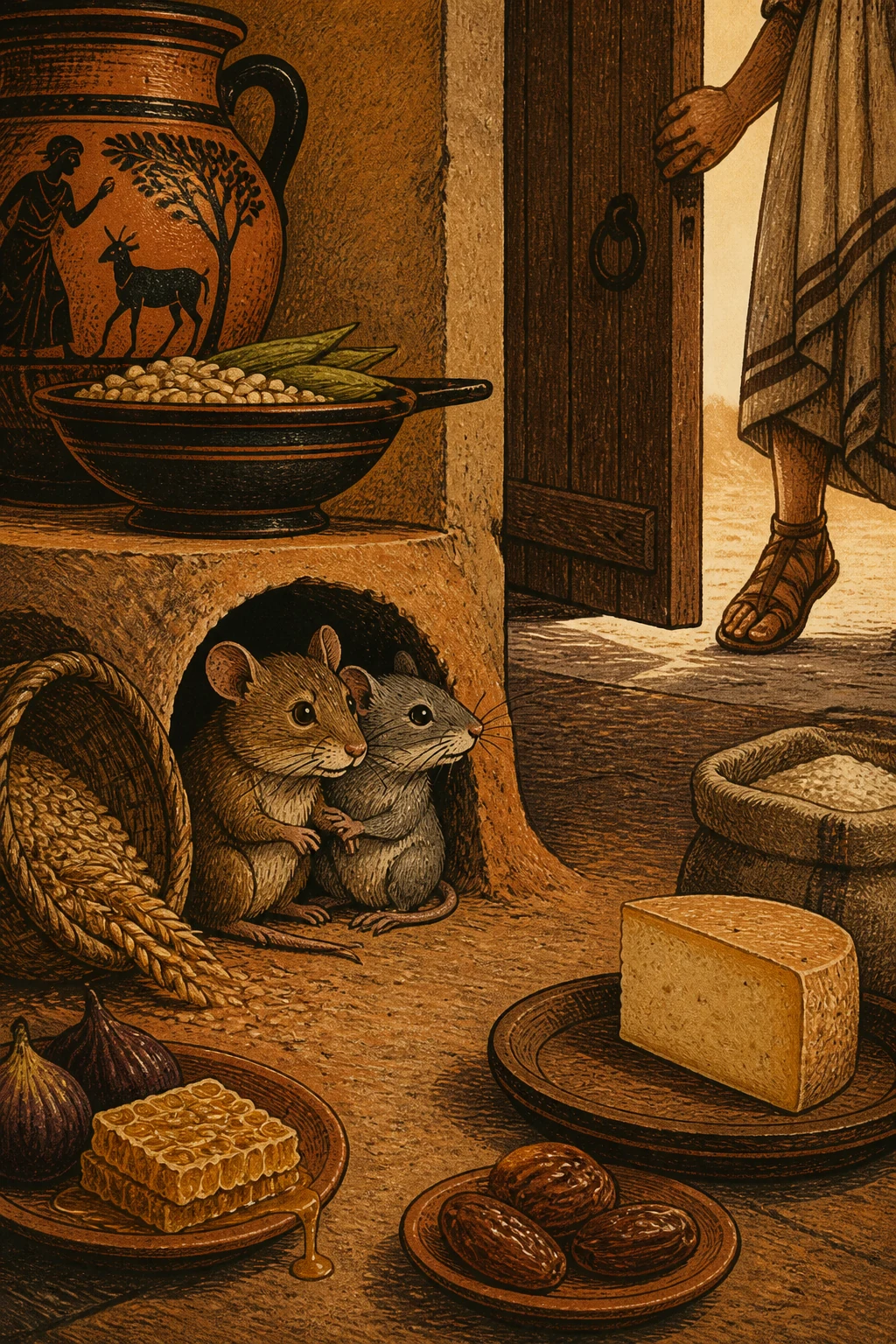
Two mice, one a field mouse and the other a house mouse, were companions. The house mouse was the first to visit the other for dinner, while the fields were still in bloom. As he nibbled grain and roots with clods of earth still clinging to them, he said, “You live an ant’s life, you poor fellow. I have good things in abundance: compared with you, I live in Amalthea’s horn of plenty. Come with me, and you can feast to your heart’s content.” Having persuaded the field mouse, he led him into the house. He showed him grain, flour, beans, figs, honey, and dates. His guest was delighted and quite at ease; his host even dragged some cheese out of a little basket. Then someone opened the door. The mice fled into a narrow hole, squeaking as they squeezed against each other. Just as the house mouse was about to peep out again and drag in a little dried fig, someone else came to fetch something, and they hid inside once more. Then the field mouse said, “For all your lavish dinners, farewell! Enjoy your wealth and your luxuries, with all their dangers. As for me, I shall nibble herbs and roots and live simply, without fear.”
Izvirnik
297b. Ἄλλως. (C. p. 197. B. 108.)
Naslednje strani prikazujejo izvirno besedilo za primerjavo.
Μύες δύο, ὁ μὲν ἀρουραῖος, ὁ δὲ οἰκόσιτος, κοινὸν εἶχον τὸν βίον. Ὁ δὲ οἰκόσιτος ἦλθε πρῶτος δειπνήσων ἐπὶ τῆς ἀρούρας ἔτι ἀνθούσης. Τρώγων δὲ σῖτον καὶ ῥίζας σὺν ταῖς βώλοις εἶπε· „Μύρμηκος ζῇς βίον, ταλαίπωρε. Ἐμοὶ δὲ πολλὰ ἔνεστιν ἀγαθά· τὸ κέρας οἰκῶ τῆς Ἀμαλθείας ὡς πρὸς σέ. Ἐὰν ἔλθῃς μετʼ ἐμοῦ, ὡς θέλεις, ἀσωτεύσῃ.“ Ἀπῆγε πείσας τὸν μῦν ἐν τῷ οἴκῳ. Ἔδειξε δὲ αὐτῷ σῖτον καὶ ἄλευρα καὶ ὄσπρια καὶ σῦκα καὶ μέλι καὶ φοίνικας· οὗτος δὲ ἐτέρφθη καὶ διεχύθη· ὁ δὲ ἤγαγε καὶ τυρὸν ἐκ κανισκίου σύρων. Ἤνοιξέ τις τὴν θύραν· οἱ δʼ ἔφυγον εἰς στενὴν τρώγλην, ἔτριζον δὲ ὑπʼ ἀλλήλων στενούμενοι. Ὡς δὲ πάλιν ἤμελλεν ἐκκύψαι καὶ μικρὰν ἰσχάδα σῦραι, ἕτερος ἦλθεν ἄλλο τι ἆραι· οἱ δʼ ἔνδον ἐκρύπτοντο. Ὁ δὲ ἀρουραῖος μῦς ,,καίπερ τοσαῦτα δειπνῶν,“ εἶπε „χαῖρε καὶ πλούτει καὶ τρύφα, ἔχων τὰ πάντα μετὰ κινδύνων· ἐγὼ δὲ βοτάνας καὶ ῥίζας τρώγων ἀφόβως καὶ λιτῶς ζήσω.“
Nadaljuj z branjem