Waltey
Pobegli vodni pajki
073 THE RUNAWAY WATER SPIDERS
Živalske zgodbe Clare Dillingham Pierson · Clara Dillingham PiersonO besedilu
Pobegli vodni pajki
- Vir
- Živalske zgodbe Clare Dillingham Pierson
- Avtor
- Clara Dillingham Pierson
- Jezik branja
- Slovenščina
- Jezik izvirnika
- English
- Čas branja
- 8 min branja
- Obseg
- 7 strani
- Naslov izvirnika
- 073 THE RUNAWAY WATER SPIDERS
O izvirniku
Živalske zgodbe Clare Dillingham Pierson
Devetindevetdeset avtorskih zgodb o živalih na kmetiji, travniku, v gozdu, ob ribniku in ponoči. Bralni jezik je Slovenščina, izvirnik pa prihaja iz vira Živalske zgodbe Clare Dillingham Pierson v jeziku English.
Besedilo
Pobegli vodni pajki
Ko so mali vodni pajki prvič odprli oči, to pa je bilo takoj, ko so se izlegli, so se znašli v prijetnem enosobnem domu, ki jim ga je mati zgradila pod vodo. Ta soba ni imela oken in samo ena vrata. Tal sploh ni bilo. Ko je oče Zet vprašal gospo Pajkovko, zakaj ni naredila tal, ga je silno začudeno pogledala in rekla: »Saj vendar ne bi mogla ne noter ne ven, če bi jih naredila!« Res se ji je zdel precej neumen, ker ni pomislil na to. Veste, pogosto se zgodi, da se zares bistri ljudje drug drugemu zdijo neumni samo zato, ker živijo drugače. Pozneje je gospa Vodna pajkovka videla gnezdo očeta Zeta in razumela, zakaj jo je to vprašal.
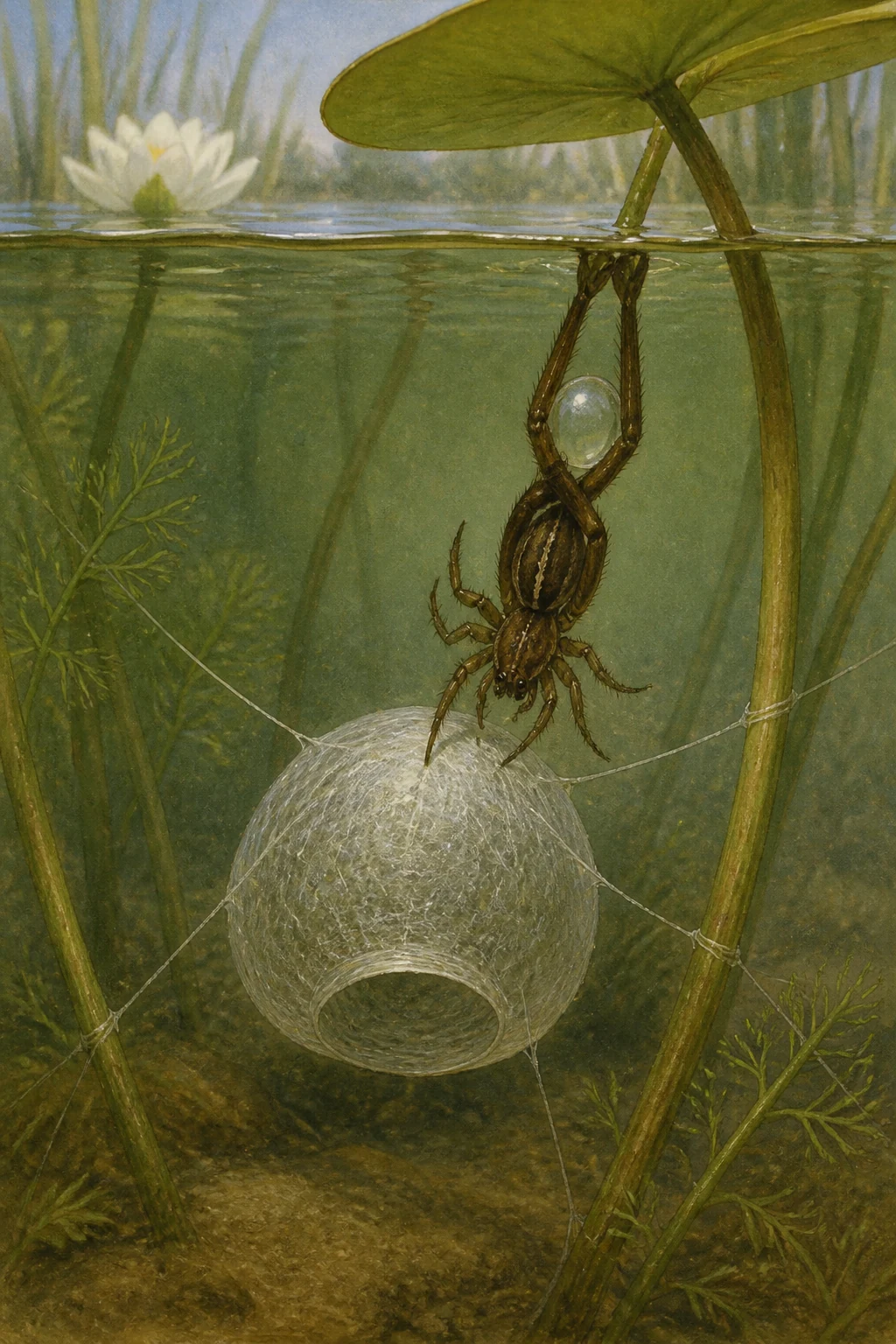
Ko je bil njen dom končan, je bil za polovico velikega želoda velik in prav očarljiv prostor za male vodne pajke. Stene in zaobljeni strop so bili stkani iz najfinejše pajčje svile, spodaj pa je bila le okrogla vhodna odprtina. Hiša je bila zgrajena pod vodo in pritrjena z drobnimi vrvicami iz pajčje svile, privezanimi na stebla ribniških rastlin. Gospa Vodna pajkovka jo je pogledala s srečnim nasmehom. »Zdaj jo moram napolniti še z zrakom,« je rekla, »pa bo pripravljena. Trenutno sem že čisto brez sape.«
Splezala je po steblu najbližje rastline in nekaj minut posedela na zraku, pojedla kosilo in si odpočila. Nato se je spustila po steblu, dokler ni iz vode molel le še zadnji konec njenega telesa. Tako je obstala z glavo navzdol, potem pa se rahlo sunkovito premaknila in se potopila proti svojemu domu. Ob tem je prekrižala zadnji nogi ter mednju in svoje telo ujela majhen zračni mehurček. Ko je prispela domov, je hitro smuknila skozi odprt vhod in izpustila mehurček. Ta ni padel navzdol na tla, kakor se z mehurčki dogaja v večini hiš, in za to sta bila dva razloga. Prvič, tal ni bilo. Drugič, zrak v vodi vedno pada navzgor. Tako je padal navzgor, dokler ni dosegel zaobljenega stropa in se moral ustaviti. Prav takrat, ko je padal, je skozi odprti vhod odtekla kaplja vode. Dom je bil namreč prej poln vode, zdaj pa, ko je gospa Pajkovka začela vanj prinašati zrak, se je moralo nekaj umakniti, da je nastal prostor zanj.
Prinesla je še trinajst zračnih mehurčkov in hiša je bila polna zraka. Pod odprtim vhodom je bila voda, nad njim pa zrak, in vsak je ostal tam, kjer je moral biti. Kadar je gospa Pajkovka prišla v svojo hišo, je imela v dlačicah, ki so pokrivale njeno telo, vedno ujetega nekaj zraka, tudi če med zadnjima nogama ni prinesla mehurčka. Doma je morala imeti veliko zraka, da se ne bi utopila, saj ni mogla dihati v vodi kakor riba. »Vrata ob strani so za zete morda čisto primerna,« je rekla, »saj ne potrebujejo zraka, jaz pa moram imeti vrata spodaj in tam jih bom tudi imela!«
Ko je odložila jajčeca, je imela nekaj dni časa za počitek in obiske pri vodnih čolnarjih, ki so živeli v bližini. Bili so veliki prijatelji. Belostoma je vodne čolnarje, ki so bili njegovi bratranci, večkrat vprašal, zakaj so tako prijateljski do vodnih pajkov. »Nič kaj rad vas ne vidim toliko v družbi osemnogih,« je rekel. »Niso naše vrste.« Belostoma je bil zelo ponosen na svojo družino.
»Vemo, da imajo nekoliko preveč nog, da bi bili videti čedni,« je rekla gospa Vodna čolnarka, »vendar so prijetni in zanimajo nas iste stvari. Saj veš, da tako mi kot oni nosimo zrak s seboj pod vodo, med našimi sosedi pa se zanj skoraj nihče ne zmeni.« Bila je razumno malo bitje in vedela je, da tistim, ki imajo svoje prijatelje zares radi, ni mar, koliko nog imajo. Sama je nosila zrak pod krili, drugi vodni čolnarji, njeni bližnji sorodniki, pa so ga razporedili po vsem telesu in bili pod vodo videti čudovito srebrni.
Nekega dne, ko je gospa Vodna pajkovka sedela na lokvanjevem listu in se pogovarjala s prijatelji, se je z dna ribnika hitro dvignil vodni čolnar. Takoj ko se je pravilno obrnil — to pomeni, takoj ko je zaplaval na hrbtu — ji je rekel: »V tvoji hiši sem slišal nenavadne zvoke. Tam blizu sem iskal hrano in hrup me je tako prestrašil, da sem izpustil kamen, ki sem se ga držal, in priplaval gor. Mislim, da se ti iz jajčec valijo mladički.«
»Res?« je vzkliknila gospa Vodna pajkovka. »Kako bom vesela! Hiša se mi brez otrok vedno zdi tako samotna.« Potopila se je do svoje hiše in v njej našla nekaj prav čudovitih pajčjih mladičkov. Lahko ste prepričani, da odtlej ni imela več veliko časa za obiske. Morala je loviti hrano in jo nositi dol svojim otrokom, kadar pa so bili nemirni in nestrpni, je ostala z njimi in jim pripovedovala zgodbe o velikem svetu.
Včasih so jo prosili in prosili, da bi smeli z njo ven, a tega jim nikoli ni dovolila. »Počakajte, da boste starejši,« jim je govorila. »Ne bo več dolgo, pa boste lahko varno odšli ven.« Otrokom se je zdelo, da čakajo že zelo, zelo dolgo, in eden od njih se je spačil, ko je mati to rekla. Ni ga videla in še sreča zanj, da ga ni. Zaradi tega bi ga moralo biti pošteno sram.
Ko je gospa Vodna pajkovka naslednjič odšla po hrano, je eden od otrok rekel: »Veste, kaj bomo naredili? Pojdimo vsi dol do vhoda in pokukajmo ven.« Spogledali so se in se spraševali, ali si upajo. Mati jim je to prepovedala. Nobenega okna ni bilo, skozi katero bi lahko pogledali, pa tako zelo so si želeli videti svet. Nazadnje je pajček, ki se je prej spačil, rekel: »Jaz bom šel, pa naj bo, kar hoče.« Nato so šli še njegovi bratje in sestre. In tako vidimo, da pridni mali pajki tudi sami postanejo poredni mali pajki, če poslušajo poredne male pajke.
Vsi otroci so stekli dol in pokukali čez rob vhoda, vendar razen vode niso videli kaj dosti, vodo pa so že poznali. Bili so strašno razočarani. Nekdo je rekel: »Dve nogi bom pomolil ven!« Nekdo drug je rekel: »Jaz bom pa štiri!« Veliki brat je rekel: »Jaz jih bom šest!« Potem pa je še en brat rekel: »Jaz jih bom vseh osem! Si upate tudi vi?«
Saj veste, kaj so poredni mali pajki potem najbrž naredili. No, prav to so res storili. In naneslo je, da so ravno potegnili zadnje noge skozi odprti vhod, ko je mimo priplaval oče Zet. »Ali niste še malo premladi, da bi hodili iz gnezda?« jih je vprašal s svojim najprijaznejšim glasom.
Ubogi mali vodni pajki! Niso vedeli, da je eden od materinih prijateljev. Zdel se jim je tako velik, koščene ploščice na njegovih licih so bile videti tako nenavadne, bodice na hrbtu pa tako ostre, da so se vsi prestrašili in izpustili steno hiše — in potem!
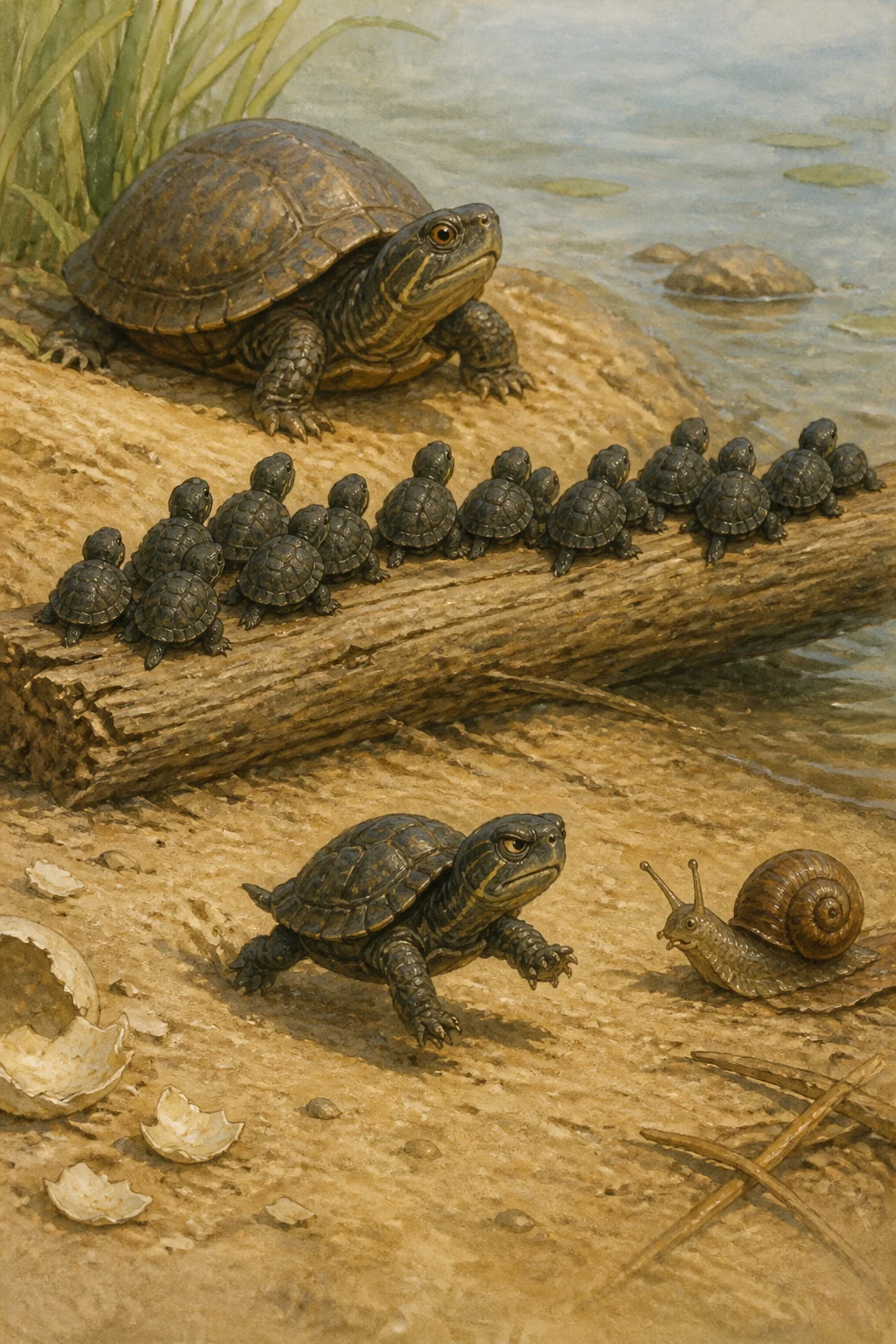
Vsi so se hitro dvignili na površje, na svetlobo in prosto v zrak. Splezali so na lokvanjev list in se ga oklepali, prestrašeni in mehki v vseh kolenih. Nad njimi so letali kačji pastirji, mimo njih so plavale divje race, na deblu nedaleč stran pa so zagledali dolgo vrsto blatnih želv, ki so se sončile. Zakaj se jim ni zgodilo nič hudega, ne more nihče povedati. Morda je bilo že tako dovolj hudo, saj so bili tako prestrašeni, da so se lahko le stiskali drug k drugemu in jokali: »Mamico hočemo!«
Tam jih je našla gospa Vodna pajkovka. Domov je prinesla nekaj za kosilo in videla, da je hiša prazna. Seveda je vedela, kje naj jih išče, saj je, kot je rekla sama: »Če so stopili skozi vrata, so se gotovo prekucnili navzgor v zrak.« Drugega za drugim jih je odnesla domov, kako ji je to sploh uspelo, pa ne ve nihče.
Ko so bili vsi varno doma in so pojedli hrano, ki jih je čakala, je gospa Pajkovka, ki jih dotlej sploh ni okregala, rekla: »Vsi mi poglejte naravnost v oči! Ali mi obljubite, da ne boste nikoli več pobegnili?«
Namesto da bi takoj rekli: »Da, mamica,« kakor bi morali, je eden od njih odgovoril: »Saj nismo pobegnili. Samo čez rob vhoda smo kukali, pa smo prišli predaleč ven, potem pa je nekdo prišel mimo in nas tako prestrašil, da smo se spustili, in potem nismo mogli nič za to, da smo padli navzgor v zrak.«
»O, ne,« je rekla mati, »takrat seveda res niste mogli nič za to. Toda kdo vam je dovolil kukati skozi vrata?« Mali vodni pajki so povesili glave in bili videti silno osramočeni. Mati je nadaljevala: »Nikar ne govorite, da niste bili krivi. Bili ste krivi in bežati ste začeli takoj, ko ste naredili prvi korak proti vratom, le da niste vedeli, da boste prišli tako daleč. Povejte mi,« je rekla, »ali bi sploh prišli na vodno površino, če ne bi naredili tistega prvega koraka?«
Male vodne pajke je bilo sram bolj kot kdaj prej, vendar so ji morali pogledati v oči in obljubiti, da bodo pridni. Povsem gotovo je, da od tistega dne niti eden od teh otrok ni več pokukal čez rob vhoda, dokler jim mati ni povedala, da smejo oditi v svet in si zgraditi svoje hiše. »Zapomnite si samo eno stvar,« jim je rekla, ko so se odpravljali. »Hrano vedno odnesite domov in jo pojejte tam.« In vedno so tako tudi storili, saj lepo vzgojen vodni pajek nikoli ne jé zunaj svojega doma.
Izvirnik
073 THE RUNAWAY WATER SPIDERS
Naslednje strani prikazujejo izvirno besedilo za primerjavo.
When the little Water Spiders first opened their eyes, and this was as soon as they were hatched, they found themselves in a cosy home of one room which their mother had built under the water. This room had no window and only one door. There was no floor at all. When Father Stickleback had asked Mrs. Spider why she did not make a floor, she had looked at him in great surprise and said, "Why, if I had built one, I should have no place to go in and out." She really thought him quite stupid not to think of that. It often happens, you know, that really clever people think each other stupid, just because they live in different ways. Afterward, Mrs. Water Spider saw Father Stickleback's nest, and understood why he asked that question.
When her home was done, it was half as large as a big acorn and a charming place for Water Spider babies. The side walls and the rounding ceiling were all of the finest Spider silk, and the bottom was just one round doorway. The house was built under the water and fastened down by tiny ropes of Spider silk which were tied to the stems of pond plants. Mrs. Water Spider looked at it with a happy smile. "Next I must fill it with air," said she, "and then it will be ready. I am out of breath now."
She crept up the stem of the nearest plant and sat in the air for a few minutes, eating her lunch and resting. Next she walked down the stem until just the end of her body was in the air. She stood so, with her head down, then gave a little jerk and dove to her home. As she jerked, she crossed her hindlegs and caught a small bubble of air between them and her body. When she reached her home, she went quickly in the open doorway and let go of her bubble. It did not fall downward to the floor, as bubbles do in most houses, and there were two reasons for this. In the first place, there was no floor. In the second place, air always falls upward in the water. This fell up until it reached the rounded ceiling and had to stop. Just as it fell, a drop of water went out through the open doorway. The home had been full of water, you know, but now that Mrs. Spider had begun to bring in air something had to be moved to make a place for it.
She brought down thirteen more bubbles of air and then the house was filled with it. On the lower side of the open doorway there was water and on the upper side was air, and each stayed where it should. When Mrs. Spider came into her house, she always had some air caught in the hairs which covered her body, even when she did not bring a bubble of it in her hindlegs. She had to have plenty of it in her home to keep her from drowning, for she could not breathe water like a fish. "Side doors may be all right for Sticklebacks," said she, "for they do not need air, but I must have bottom doors, and I will have them too!"
After she had laid her eggs, she had some days in which to rest and visit with the Water-Boatmen who lived near. They were great friends. Belostoma used to ask the Water-Boatmen, who were his cousins, why they were so neighborly with the Water Spiders. "I don't like to see you so much with eight-legged people," he said. "They are not our kind." Belostoma was very proud of his family.
"We know that they have rather too many legs to look well," said Mrs. Water-Boatman, "but they are pleasant, and we are interested in the same things. You know we both carry air about with us in the water, and so few of our neighbors seem to care anything for it." She was a sensible little person and knew that people who are really fond of their friends do not care how many legs they have. She carried her air under her wings, but there were other Water-Boatmen, near relatives, who spread theirs over their whole bodies, and looked very silvery and beautiful when they were under water.
One day, when Mrs. Water Spider was sitting on a lily-pad and talking with her friends, a Water-Boatman rose quickly from the bottom of the pond. As soon as he got right side up (and that means as soon as he got to floating on his back), he said to her, "I heard queer sounds in your house; I was feeding near there, and the noise startled me so that I let go of the stone I was holding to, and came up. I think your eggs must be hatching."
"Really?" exclaimed Mrs. Water Spider. "I shall be so glad! A house always seems lonely to me without children." She dove to her house, and found some very fine Water Spider babies there. You may be sure she did not have much time for visiting after that. She had to hunt food and carry it down to her children, and when they were restless and impatient she stayed with them and told them stories of the great world.
Sometimes they teased to go out with her, but this she never allowed. "Wait until you are older," she would say. "It will not be so very long before you can go safely." The children thought it had been a long, long time already, and one of them made a face when his mother said this. She did not see him, and it was well for him that she did not. He should have been very much ashamed of himself for doing it.
The next time Mrs. Water Spider went for food, one of the children said, "I tell you what let's do! Let's all go down to the doorway and peek out." They looked at each other and wondered if they dared. That was something their mother had forbidden them to do. There was no window to look through and they wanted very much to see the world. At last the little fellow who had made a face said, "I'm going to, anyway." After that, his brothers and sisters went, too. And this shows how, if good little Spiders listen to naughty little Spiders, they become naughty little Spiders themselves.
All the children ran down and peeked around the edge of the door, but they couldn't see much besides water, and they had seen that before. They were sadly disappointed. Somebody said, "I'm going to put two of my legs out!" Somebody else said, "I'll put four out!" A big brother said, "I'm going to put six out!" And then another brother said "I'll put eight out! Dare you to!"
You know what naughty little Spiders would be likely to do then. Well, they did it. And, as it happened, they had just pulled their last legs through the open doorway when a Stickleback Father came along. "Aren't you rather young to be out of the nest?" said he, in his most pleasant voice.
Poor little Water Spiders! They didn't know he was one of their mother's friends, and he seemed so big to them, and the bones on his cheeks made him look so queer, and the stickles on his back were so sharp, that every one of them was afraid and let go of the wall of the house--and then!
Every one of them rose quickly to the top, into the light and the open air. They crawled upon a lily-pad and clung there, frightened, and feeling weak in all their knees. The Dragon Flies flew over them, the Wild Ducks swam past them, and on a log not far away they saw a long row of Mud Turtles sunning themselves. Why nothing dreadful happened, one cannot tell. Perhaps it was bad enough as it was, for they were so scared that they could only huddle close together and cry, "We want our mother."
Here Mrs. Water Spider found them. She came home with something for dinner, and saw her house empty. Of course she knew where to look, for, as she said, "If they stepped outside the door, they would be quite sure to tumble up into the air." She took them home, one at a time, and how she ever did it nobody knows.
When they were all safely there and had eaten the food that was waiting for them, Mrs. Spider, who had not scolded them at all, said, "Look me straight in the eye, every one of you! Will you promise never to run away again?"
Instead of saying at once, "Yes, mother," as they should have done, one of them answered, "Why, we didn't run away. We were just peeking around the edge of the doorway, and we got too far out, and somebody came along and scared us so that we let go, and then we couldn't help falling up into the air."
"Oh, no," said their mother, "you couldn't help it then, of course. But who told you that you might peep out of the door?"
The little Water Spiders hung their heads and looked very much ashamed. Their mother went on, "You needn't say that you were not to blame. You were to blame, and you began to run away as soon as you took the first step toward the door, only you didn't know that you were going so far. Tell me," she said, "whether you would ever have gone to the top of the water if you had not taken that first step?"
The little Water Spiders were more ashamed than ever, but they had to look her in the eye and promise to be good.
It is very certain that not one of those children even peeped around the edge of the doorway from that day until their mother told them that they might go into the world and build houses for themselves. "Remember just one thing," she said, as they started away. "Always take your food home to eat." And they always did, for no Water Spider who has been well brought up will ever eat away from his own home.
Nadaljuj z branjem