Waltey
Nevihtna ladja na Hudsonu
017 Storm Ship on the Hudson
Myths and Legends of Our Own Land · Charles M. SkinnerO besedilu
Nevihtna ladja na Hudsonu
- Vir
- Myths and Legends of Our Own Land
- Avtor
- Charles M. Skinner
- Jezik branja
- Slovenščina
- Jezik izvirnika
- English
- Čas branja
- 2 min branja
- Obseg
- 2 strani
- Naslov izvirnika
- 017 Storm Ship on the Hudson
O izvirniku
Myths and Legends of Our Own Land
Obsežna zgodovinska zbirka ameriških legend, ki jih je Skinner zbral in avtorsko rekonstruiral. Bralni jezik je Slovenščina, izvirnik pa prihaja iz vira Myths and Legends of Our Own Land v jeziku English.
Besedilo
Nevihtna ladja na Hudsonu
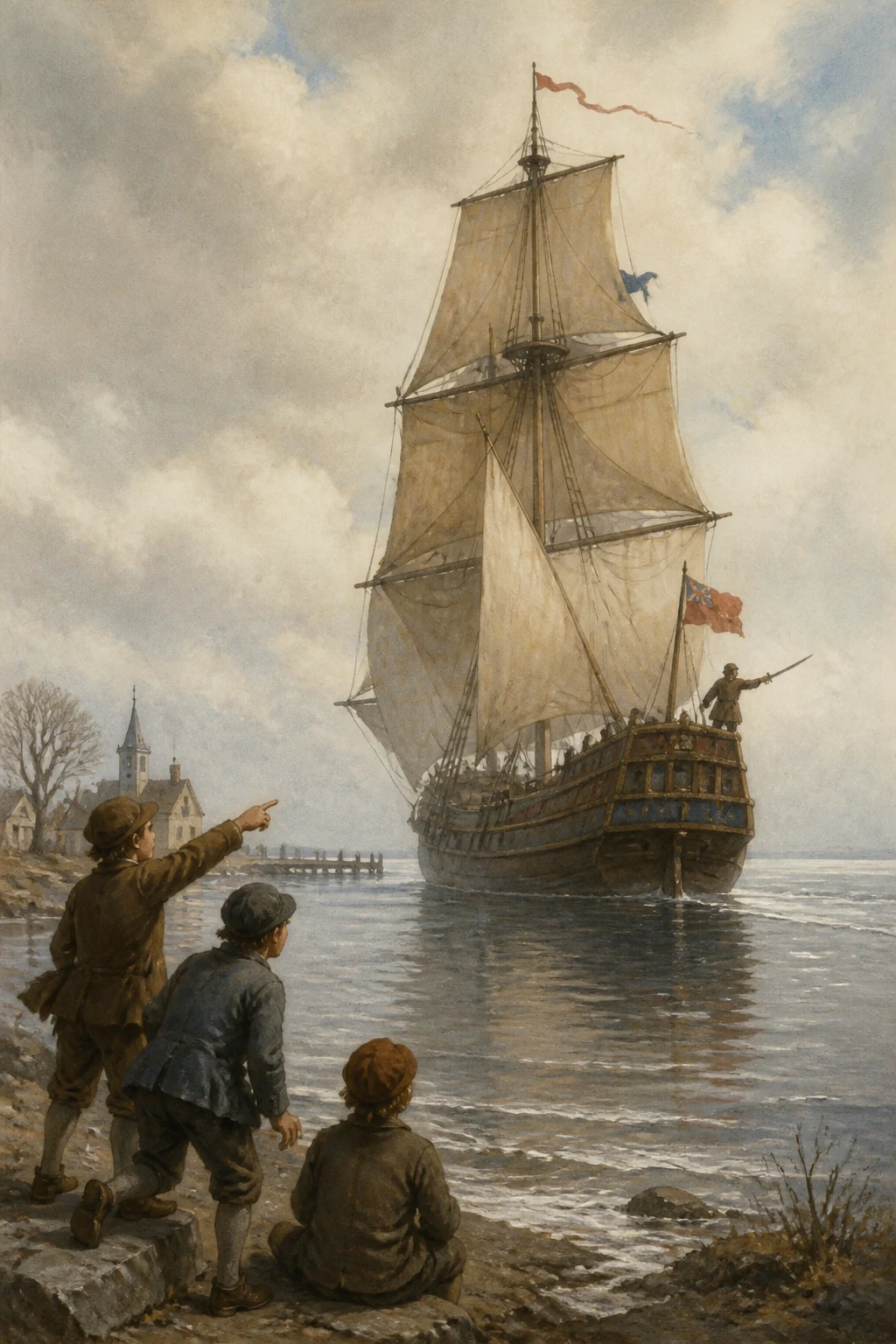
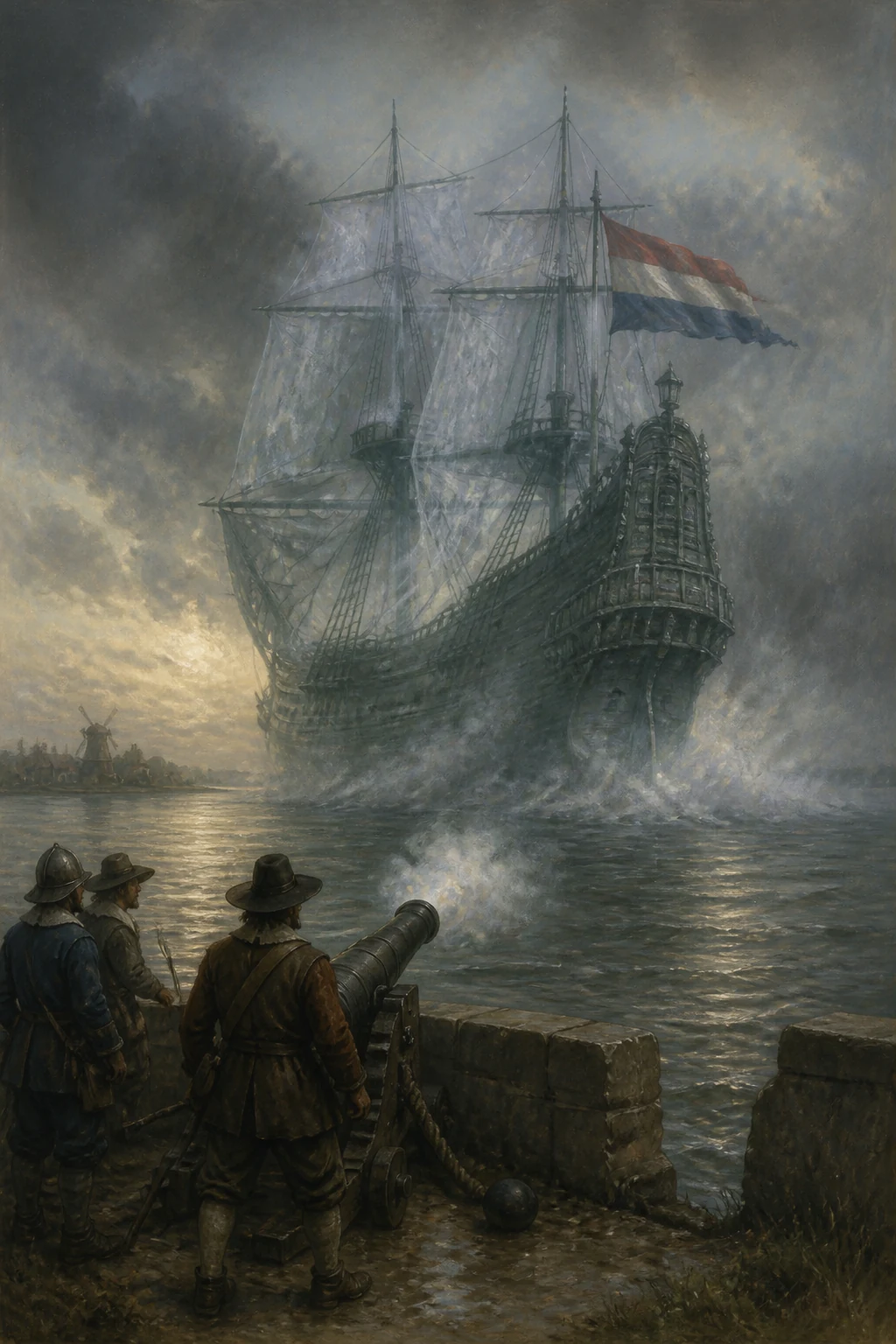
Pred dvesto leti se je po Novem Amsterdamu raznesel glas, da skozi pristanišče proti Hudsonu drvi zaobljena, trebušasta ladja, ki ji z visoke krme plapola nizozemska zastava, in kljubuje severnemu vetru ter deročemu toku oseke. Ker se ni zmenila za signal z Baterije, naj ustavi in se predstavi, so vanjo namerili top; krogla je žvižgaje preletela njeno megličasto, breztežno gmoto, kajti lesenega ogrodja sploh ni imela. Nekateri mornarji so govorili o prividih, ki se dvigajo v zrak ob severnih obalah in morjih, modrejši pa so si pomenljivo položili prst ob nos in se spomnili Letečega Holandca, tistega morskega blodnika, čigar kapitan je prisegel, da bo obplul rt Horn nebu in peklu navkljub, in zato že stoletja križari sem ter tja ob pusti obali Ognjene zemlje in drugod. Le enkrat na sedem let sme stopiti na kopno in tedaj lahko prelomi prekletstvo, če najde dekle, ki ga bo ljubilo. Morda je kapitan Vanderdecken dekle svojih upov našel v kateri od nizozemskih naselbin ob Hudsonu, morda pa se je za svojo predrznost odkupil z molitvijo in pokoro; kakorkoli že, po reki navzdol se ni nikoli več vrnil, razen če se ni na skrivaj izmuznil na morje v tako gostem sneženju ali megli, da stražarji in čolnarji njegovega odhoda niso opazili. Nekaj starih naseljencev je trdilo, da je bila ladja Half Moon, nekateri pa so celo pričali, da so prav to ladjo videli s Hudsonom in njegovo prikazensko posadko na krovu pluti proti Catskillom na veseljačenje.
To bežno prikazen so zamenjevali z ladjo viharjev, ki preži ob vznožju Palisad in pri Point-no-Pointu ter ponoči, ko se pripravlja neurje, križari po Tappan Zeeju. Hudson je pri Tappanu širok štiri milje in sunki vetra imajo dovolj prostora, da se razbesnijo; zato so stari kapitani, kadar so videli, kako iz senc zahodnih gričev prikrade megličasti obris ladje in nato kakor galeb poleti od brega do brega, z mesečino na vrhnjih jadrih, a brez ene same svetilke, obrnili proti vetru in spustili sidro, razen če je bilo njihovo plovilo trdno, glava njihovega krmarja pa neomamljena od pijače. V poletnih nočeh, ko nastopi tista nenavadna tišina, ki napoveduje vihar, ladje viharjev ne vidijo le drseti čez zrcalno rečno gladino, temveč slišijo tudi glasove njene posadke, ki ob obračalnih in dvižnih vrveh poje besede, poslušalcem brez vsakršnega pomena.
Izvirnik
017 Storm Ship on the Hudson
Naslednje strani prikazujejo izvirno besedilo za primerjavo.
It was noised about New Amsterdam, two hundred years ago, that a round and bulky ship flying Dutch colors from her lofty quarter was careering up the harbor in the teeth of a north wind, through the swift waters of an ebbing tide, and making for the Hudson. A signal from the Battery to heave to and account for herself being disregarded, a cannon was trained upon her, and a ball went whistling through her cloudy and imponderable mass, for timbers she had none. Some of the sailor-folk talked of mirages that rose into the air of northern coasts and seas, but the wise ones put their fingers beside their noses and called to memory the Flying Dutchman, that wanderer of the seas whose captain, having sworn that he would round Cape Horn in spite of heaven and hell, has been beating to and fro along the bleak Fuegian coast and elsewhere for centuries, being allowed to land but once in seven years, when he can break the curse if he finds a girl who will love him. Perhaps Captain Vanderdecken found this maiden of his hopes in some Dutch settlement on the Hudson, or perhaps he expiated his rashness by prayer and penitence; howbeit, he never came down again, unless he slipped away to sea in snow or fog so dense that watchers and boatmen saw nothing of his passing. A few old settlers declared the vessel to be the Half Moon, and there were some who testified to seeing that identical ship with Hudson and his spectre crew on board making for the Catskills to hold carouse.
This fleeting vision has been confounded with the storm ship that lurks about the foot of the Palisades and Point-no-Point, cruising through Tappan Zee at night when a gale is coming up. The Hudson is four miles wide at Tappan, and squalls have space enough to gather force; hence, when old skippers saw the misty form of a ship steal out from the shadows of the western hills, then fly like a gull from shore to shore, catching the moonlight on her topsails, but showing no lanterns, they made to windward and dropped anchor, unless their craft were stanch and their pilot's brains unvexed with liquor. On summer nights, when falls that curious silence which is ominous of tempest, the storm ship is not only seen spinning across the mirror surface of the river, but the voices of the crew are heard as they chant at the braces and halyards in words devoid of meaning to the listeners.
Nadaljuj z branjem