Waltey
Ježa po nevesto
167 A Ride for a Bride
Myths and Legends of Our Own Land · Charles M. SkinnerO besedilu
Ježa po nevesto
- Vir
- Myths and Legends of Our Own Land
- Avtor
- Charles M. Skinner
- Jezik branja
- Slovenščina
- Jezik izvirnika
- English
- Čas branja
- 5 min branja
- Obseg
- 4 strani
- Naslov izvirnika
- 167 A Ride for a Bride
O izvirniku
Myths and Legends of Our Own Land
Obsežna zgodovinska zbirka ameriških legend, ki jih je Skinner zbral in avtorsko rekonstruiral. Bralni jezik je Slovenščina, izvirnik pa prihaja iz vira Myths and Legends of Our Own Land v jeziku English.
Besedilo
Ježa po nevesto
Ko je novica o prelivanju krvi pri Bunker Hillu dosegla Bohemia Hall v okrožju Cecil v Marylandu, je Albert De Courcy prepustil bratu Ernestu skrb za ugled rodbine in domoljubne govore, sam pa odšel na bojišče, zavedajoč se, da Helen Carmichael, njegova zaročenka, s ponosom in žalostjo spremlja odhod njegove čete. Pisma so prihajala in odhajala, kakor vselej, dokler se ni razširila govorica o hudem porazu kolonistov na Long Islandu; tedaj so pisma prenehala prihajati.
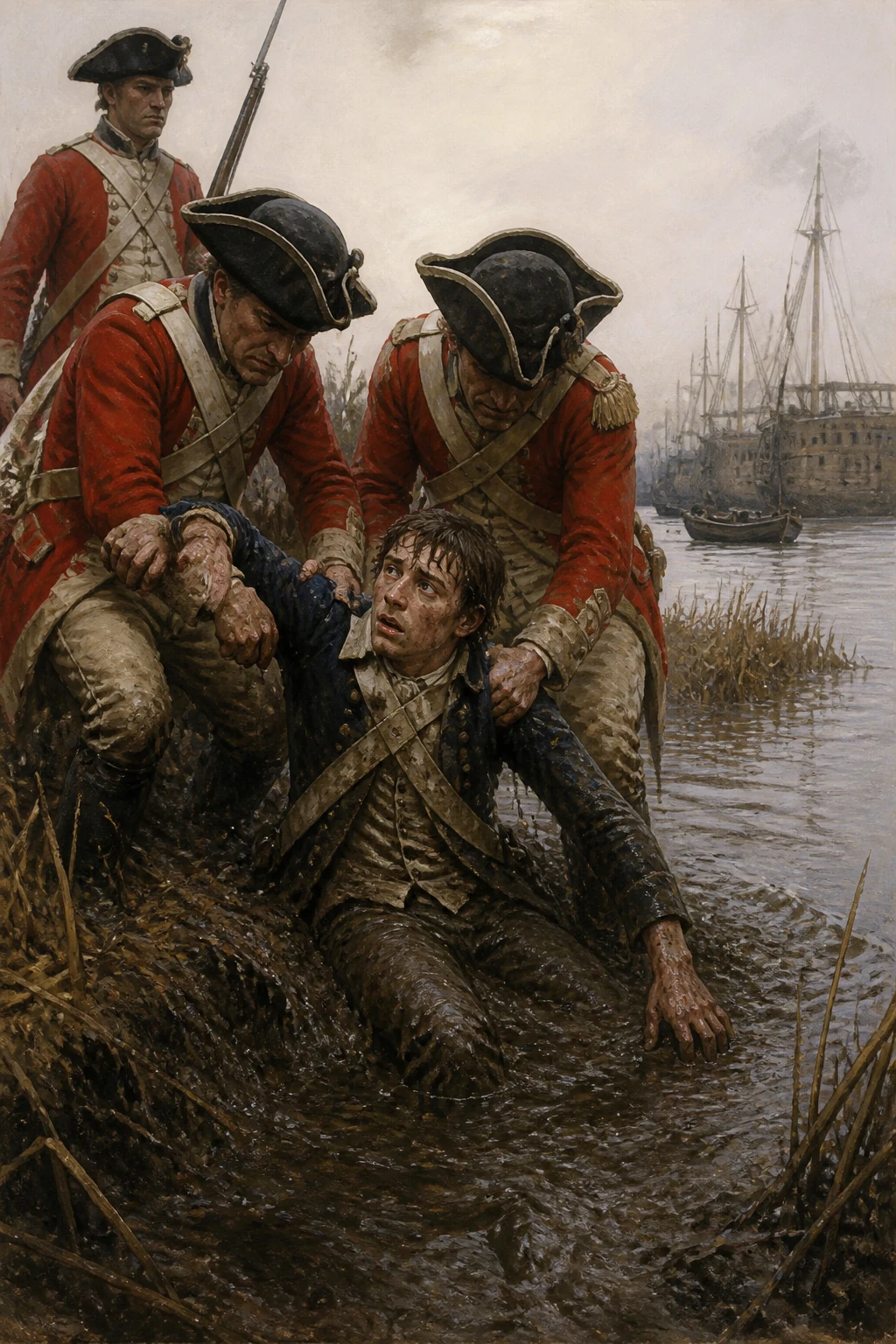
Leto pozneje se je v dvorcu pri večerji ustavil razcapan vojak in pripovedoval o Albertovem junaštvu, ko je kril Washingtonov umik. Pogumnega mladega častnika so ustrelili, je dejal, ko je skušal preplavati močvirja Gowanusa. Toda vojak se je motil. Albert je na svojo veliko nejevoljo obtičal v blatu ob robu potoka. Medtem ko se je premetaval v mulju, ga je pol ducata krepkih rdečesuknjičev izvleklo in odpravili so ga na zaporniške ladje, zasidrane v zalivu Wallabout. V teh strašnih ladijskih trupih, sredi teme in kužnega zraka, ob skopi, nezdravi hrani, prisiljen gledati, kako vsak dan umira na ducate njegovih tovarišev in kako njihova trupla mečejo na obalo, kjer je plima odnašala pesek, s katerim so jih prekrili, si je De Courcy želel, da bi ga namesto ujetništva doletela smrt, kajti takoj za ljubeznijo je najbolj cenil svobodo.
Nekega dne so ga s peščico drugih določili za premestitev v zapor, obdan s palisado, ob reki Delaware, in kako mu je zaigralo srce, ko je izvedel, da je novi zapor manj kot dvajset milj od doma! Dobra volja se mu je povrnila, novi ječarji pa so ga imeli radi zaradi njegove odkritosti in se smejali njegovim iskrenim kletvicam na kraljev račun. Po ograjenem prostoru se je smel prosto gibati in ni trajalo dolgo, da je odkril, kje je zid nizek, jarek ozek in ovira iz posekanih dreves strohnela — spoznanje, ki mu je prišlo prav prej, kot je pričakoval, saj so nekega dne pripeljali zaplenjenega konja, ta pa je z rezgetom krenil naravnost k njemu in podrgnil gobec ob njegove prsi.
»Saj to je Cecil!« je vzkliknil. »Moj konj, gospodje — oziroma nekoč je bil moj. V vsem Marylandu ni boljšega lovskega konja!« »Da,« je odgovoril eden od častnikov. »Pravkar smo ga vzeli vašemu bratu. S svojimi govori je netil nemir in treba ga je utišati. A danes ga bomo dobili, saj se bo poročil, izvidniški oddelek pa je že na poti, da ga zgrabi pred oltarjem.«
»Poročil! Moj brat! Kaj! Ernest, pravnik, govornik? Ho, ho! Ah, vendar je precej kruto tako preprečiti poroko!« »Zanj morda; a pravijo, da ga dama nima posebno rada. Prepričal jo je, da je to njena dolžnost, potem ko ji je umrl ljubi.«
»Kako to? Njen ljubi — kako ji je ime?« »Helen — Helen Carmichael ali nekaj takega.« Polja in nebo so za hip zaplavali pred De Courcyjevimi očmi; nato je z mirnim glasom ter bledim, nepremičnim obrazom nadaljeval: »No, zagrenili mu boste poročni dan. Če bi imel tukaj Cecila, bi vam vsem ušel. Ah, ko sem bil še v vaji, sem lahko na tem konju med ježo pobral kamenček s tal, ne da bi upočasnil korak!«
»Bi to zmogli tudi zdaj?« »Bojim se, da so mi od dolgega bivanja na vaših zaporniških ladjah otrdeli sklepi, a z robcem bi si upal poskusiti.« »Potem pa poskusite,« je dejal poveljnik.
De Courcy je z naporom zlezel v sedlo, v lahkem galopu prečkal dvorišče in spustil robec na travo. Nato je za vajo napravil nekaj krogov, se pognal v galop in pridrvel naokrog kakor veter. Tako trdno je sedel v sedlu, tako plemenita je bila njegova drža in tako popolnoma je obvladoval konja, da so se razlegli vzkliki občudovanja. Zdelo se je, da je z glavo naprej padel iz sedla, a že naslednji hip se je spet vzravnal in veselo pomahal z robcem v slovo — kajti nadaljeval je naravnost proti šibkemu mestu v zidu. Mimo ušes sta mu zažvižgali dve mušketni krogli: zdaj je šlo za vse ali nič! Silovit skok! Nato je zvonek krik osuplim vojakom oznanil, da je varno dosegel cesto. Skozi gozd, goščavo in čez polja je drvel, kakor da mu je za petami sam zlodej, in niti za trenutek ni nehal priganjati konja, dokler ni dosegel mitniške ceste in pred seboj zagledal izvidniškega oddelka, ki je šel aretirat njegovega brata.
Zavil je na stezo, ki je vodila k zadnjemu delu cerkvice, kateri so bili vojaki že nevarno blizu, znova pognal konja z rokami in petami, in čez nekaj trenutkov je svate preplašil prizor črnega, vsega spenjenega konja, na katerem je sedel shujšan mož v raztrganih oblačilih in planil skozi odprta vrata prezbiterija. Ženin se je zdrznil in sključil, saj je prepoznal brata. Nevesta je osuplo strmela. »Mrtvi je oživel!« je nekdo vzkliknil. De Courcy ni imel veliko časa za besede. Prijezdil je do oltarja, dvignil Helen za seboj v sedlo in vzkliknil: »Rešite se! Britanci prihajajo! Vsi na konje in proti dvorcu!« Razlegli so se kriki, nekateri so omedleli — in morda je padla tudi kakšna kletvica, čeprav so bili v cerkvi — in ko je oddelek prijezdil, je večina svatov že bežala na vse pretege. Ernesta so prijeli in naslednje jutro je na seznamu zapornikov zasedel bratovo mesto; ker pa je bilo že vse pripravljeno za poroko, se je ta tudi zgodila, in bila je srečna, le da je bil ženin Albert.
Izvirnik
167 A Ride for a Bride
Naslednje strani prikazujejo izvirno besedilo za primerjavo.
When the story of bloodshed at Bunker Hill reached Bohemia Hall, in Cecil County, Maryland, Albert De Courcy left his brother Ernest to support the dignity of the house and make patriotic speeches, while he went to the front, conscious that Helen Carmichael, his affianced wife, was watching, in pride and sadness, the departure of his company. Letters came and went, as they always do, until rumor came of a sore defeat to the colonials at Long Island; then the letters ceased.
It was a year later when a ragged soldier, who had stopped at the hall for supper, told of Albert's heroism in covering the retreat of Washington. The gallant young officer had been shot, he said, as he attempted to swim the morasses of Gowanus. But this soldier was in error. Albert had been vexatiously bogged on the edge of the creek. While floundering in the mud a half dozen sturdy red-coats had lugged him out and he was packed off to the prison-ships anchored in the Wallabout. In these dread hulks, amid darkness and miasma, living on scant, unwholesome food, compelled to see his comrades die by dozens every day and their bodies flung ashore where the tide lapped away the sand thrown over them, De Courcy wished that death instead of capture had been his lot, for next to his love he prized his liberty.
One day he was told off, with a handful of others, for transfer to a stockade on the Delaware, and how his heart beat when he learned that the new prison was within twenty miles of home! His flow of spirits returned, and his new jailers liked him for his frankness and laughed at his honest expletives against the king. He had the liberty of the enclosure, and was not long in finding where the wall was low, the ditch narrow, and the abatis decayed--knowledge that came useful to him sooner than he expected, for one day a captured horse was led in that made straight for him with a whinny and rubbed his nose against his breast.
“Why!” he cried,--“it's Cecil! My horse, gentlemen--or, was. Not a better hunter in Maryland!”
“Yes,” answered one of the officers. “We've just taken him from your brother. He's been stirring trouble with his speeches and has got to be quieted. But we'll have him to-day, for he's to be married, and a scouting party is on the road to nab him at the altar.”
“Married! My brother! What! Ernest, the lawyer, the orator? Ho, ho! Ah, but it's rather hard to break off a match in that style!”
“Hard for him, maybe; but they say the lady feels no great love for him. He made it seem like a duty to her, after her lover died.”
“How's that? Her own--what's her name?”
“Helen--Helen Carmichael, or something like that.”
Field and sky swam before De Courcy's eyes for a moment; then he resumed, in a calm voice, and with a pale, set face, “Well, you're making an unhappy wedding-day for him. If he had Cecil here he would outride you all. Ah, when I was in practice I could ride this horse and snatch a pebble from the ground without losing pace!”
“Could you do it now?”
“I'm afraid long lodging in your prison-ships has stiffened my joints, but I'd venture at a handkerchief.”
“Then try,” said the commandant.
De Courcy mounted into the saddle heavily, crossed the grounds at a canter, and dropped a handkerchief on the grass. Then, taking a few turns for practice, he started at a gallop and swept around like the wind. His seat was so firm, his air so noble, his mastery of the steed so complete, that a cheer of admiration went up. He seemed to fall headlong from the saddle, but was up again in a moment, waving the handkerchief gayly in farewell--for he kept straight on toward the weak place in the wall. A couple of musket-balls hummed by his ears: it was neck or nothing now! A tremendous leap! Then a ringing cry told the astonished soldiers that he had reached the road in safety. Through wood and thicket and field he dashed as if the fiend were after him, and never once did he cease to urge his steed till he reached the turnpike, and saw ahead the scouting party on its way to arrest his brother.
Turning into a path that led to the rear of the little church they were so dangerously near, he plied hands and heels afresh, and in a few moments a wedding party was startled by the apparition of a black horse, all in a foam, ridden by a gaunt man, in torn garments, that burst in at the open chancel-door. The bridegroom cowered, for he knew his brother. The bride gazed in amazement. “'Tis the dead come to life!” cried one. De Courcy had little time for words. He rode forward to the altar, swung Helen up behind him, and exclaimed, “Save yourselves! The British are coming! To horse, every one, and make for the manor!” There were shrieks and fainting--and perhaps a little cursing, even if it was in church,--and when the squadron rode up most of the company were in full flight. Ernest was taken, and next morning held his brother's place on the prison-list, while, as arrangements had been made for a wedding, there was one, and a happy one, but Albert was the bridegroom.
Nadaljuj z branjem