Waltey
Iztrgana stran
Cuentos de Navidad y Reyes
Cuentos de Navidad, de la patria y antiguos · Emilia Pardo BazánO besedilu
Iztrgana stran
- Vir
- Cuentos de Navidad, de la patria y antiguos
- Avtor
- Emilia Pardo Bazán
- Jezik branja
- English
- Jezik izvirnika
- Español
- Čas branja
- 9 min branja
- Obseg
- 7 strani
- Naslov izvirnika
- 009 Página suelta
O izvirniku
Cuentos de Navidad, de la patria y antiguos
Sedemintrideset avtorskih zgodb v treh zgodovinskih knjižnih skupinah. Bralni jezik je English, izvirnik pa prihaja iz vira Cuentos de Navidad, de la patria y antiguos v jeziku Español.
Besedilo
Iztrgana stran
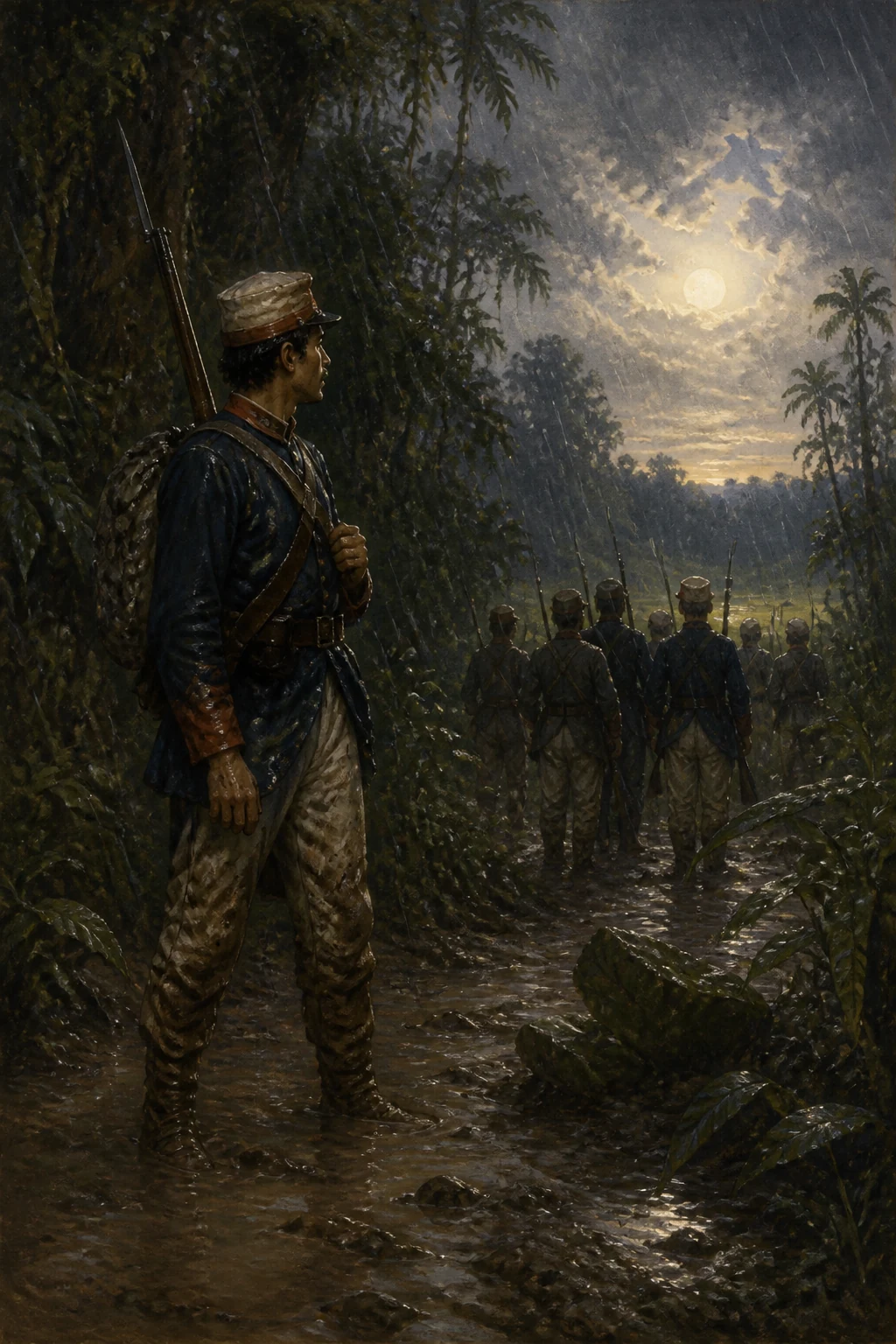
The detachment had marched all morning, and after a brief halt they had been obliged to press on, meaning to camp after nightfall, as God might ordain, at the edge of the forest. The rain—rare in that climate during the month of December—had fallen without cease in thick, close, slanting threads. Caught unawares by this whim of the clouds, with neither blankets nor greatcoats, soldiers and officers resigned themselves to the water, or rather made a joke of it; and it took all the quicksilver of youth, all a soldier’s spirit, all the stoicism of the Spanish character, not to curse the very devil at finding themselves soaked like sponges. It was hot, and the streaming water seemed only to thicken the sticky, stifling heat, made unbearable by the march. To sweat your guts out and get drenched at the same time, damn it! And there was nothing for it but to keep walking, to relieve the little town besieged by the insurgents, where the inhabitants were putting up a desperate, heroic defence under the command of their parish priest, a very plucky Dominican friar... The thought of saving Spanish men and women from death and outrage heartened the detachment and lent wings to their feet, though the mud, which rose to their knees, shod them with lead.
They halted at the entrance to the forest of necessity, because they could no longer see, and because human strength, too, has its limits. Almost at that very instant the downpour ceased, as though some typhoon had swept it away, and a patch of cloudless sky appeared. The Spaniards took this as a good omen and prepared to camp beneath an ancient, spreading tamarind tree, whose sour-fleshed fruit they knew to be a sure remedy for fatigue and fever. The moon, filtering waves of pearl-grey light through the dense branches tangled with lianas and thick with enormous ferns, was welcomed as a friend; to its light they added the flame of a campfire that would scarcely burn, and soldiers and officers half dried themselves, fanning themselves with coconut leaves, for the damp heat was suffocating.
Once the sentries had been posted, the soldiers sought in sleep—or rather in a heavy, restless stupor—the rest they so badly needed after that exhausting day; but the captain, tall, dark and lean, leaning against the trunk of the tamarind, and the lieutenant, very young and boyish, with a sweet, feminine face, remained standing a moment, their eyes open, as though questioning the night.
“Pepe,” the captain said suddenly, “do you know, my heart tells me they’ll have surrendered by the time we arrive? If I had my way... I’d get them all up this minute, mount my horse, and we’d go on, man, straight on!”
“The men can barely drag themselves along,” objected the lieutenant, who was dropping with sleep. “They say their feet feel like burning coals, and they’re soaked to the bone...”
“Bah! Once they’ve dozed for a quarter of an hour, I’ll prod them and they’ll spring up fresh as daisies... As if I didn’t know my own men! They’re made of iron... forged in Eibar.”
“But what makes you think they’ve surrendered over there? They have arms, ammunition, and, needless to say, courage; the church and its tower are strong; there’s a good bamboo stockade and another wall of rammed earth. You could hold off an army with less than that, and the men trying to get into Arringuay are only a handful...”
“You’re right,” declared the captain, “except about the handful, because there are hundreds of them there, perhaps thousands. But do you know what drives me to despair most about this halt? Don’t you remember what night it is? We haven’t had a moment’s peace for eight days, and it’s summer here when it’s winter back home... What, don’t you know it’s...?”
“Christmas Eve!” exclaimed the lieutenant with deep feeling, his blue-grey eyes clouding with homesickness. “Christmas Eve! And I’d forgotten, old fellow! Christmas Eve! Oh, to be eating almond soup and fruit compote with cinnamon tonight at Aunt Dolores’s! With my little cousins, beside Fanny! A man gets so sick of seeing yellow faces with jutting cheekbones! Hurrah for the women of our Spain!”
“This is Spain too,” the captain answered gravely. “What a world it is! You’re thinking of the girls... and I’m thinking of my little boy, born three months ago... I haven’t seen him yet.”
“Christmas Eve!” repeated the lieutenant with the feminine face. “Look here; perhaps it’s foolishness or madness... but something strange has just stirred in my soul, old fellow, and I feel as you do... I’d like to do something great tonight.”
“So you can write home about it!” “No, so I can tell the Emperor of China!” The friends’ hands sought each other and clasped firmly; the fire, almost extinguished by the damp ground, cast a red glow over the two officers’ faces; and the lieutenant, wide awake now, electrified, spoke in a low voice, fervent as a plea:
“Let’s wake them, old fellow, let’s wake them! We’ll soon cover the three or four leagues left... The guide told me he knows a shortcut...” Fifteen minutes later, neither more nor less, the detachment was marching again—or rather dragging itself painfully along, hacking through the thick lianas and tangles of vines, sinking into pools where yellowish leeches fastened their suckers to the men’s legs, and hearing the iguana and the venomous palay snake slither through the undergrowth. Clouds had covered the moon again, and the darkness was almost complete; the troops groped their way forward, laughing and swearing, but without complaint, without longing for their interrupted rest. A man who tripped over a tree trunk and fell flat on his face would curse and get up again, without even thinking to see what harm he had done himself. Yes, a fine time for pampering themselves! When Arringuay might be burning and the damned rebels disembowelling its inhabitants! Get those legs moving! And a fever of will, of desire, of self-sacrifice drove their exhausted bodies onward, cleared their drowsy heads, and lent strength to the weakest, to those who could scarcely support their own weight... They moved as one moves in a nightmare.
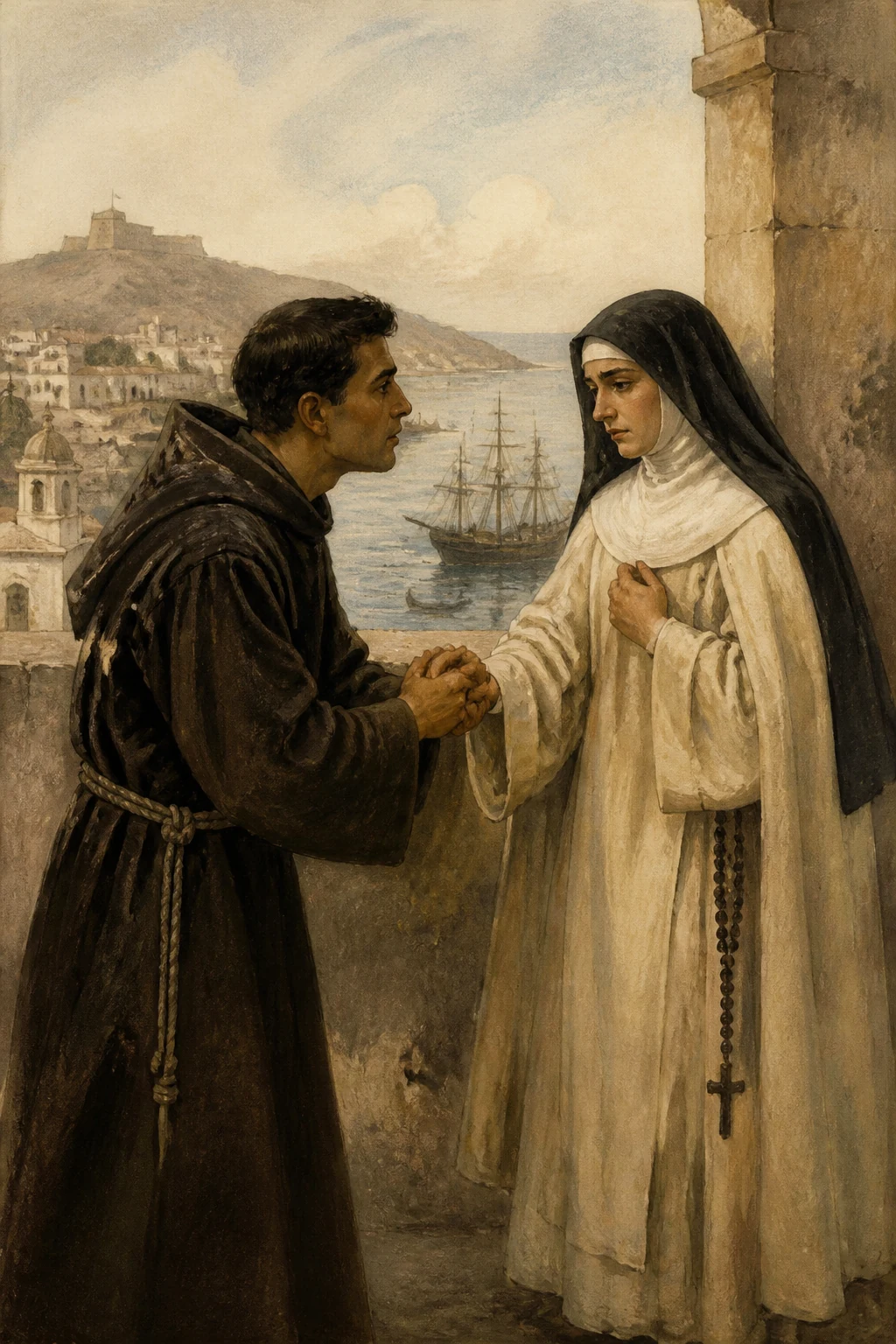
It was midnight on the stroke when they sighted the enemy. To tell the truth, what they sighted was a cluster of houses wrapped in flames, a group of huts from which cries arose: the captain had guessed right; Arringuay was already in the attackers’ hands. Barricaded in the church, a few men under the command of the friar were still holding out; shots sounded from the direction of the square; the town, now defenceless, had been given over to pillage and slaughter. The Spaniards rushed into it, and a confused struggle followed in the shadows or by the light of the fire, trampling over livid corpses riddled with wounds and living men still writhing, grappling with the bandits and crossing their faithful swords and gleaming bayonets with those strange savage weapons, their campilans and their krises undulating like serpents. The fight, however, was brief; with nasal cries and shrill screeches betraying at once their rage, ferocity and caution, the horde passed along the order to retreat, and, leaving a fresh crop of corpses in the square and streets—for the troops, tired as they were, struck hard—the rebels fled in disorder. Weeping for joy, the defenders of Arringuay came down from the tower in whose ruins they had expected to be buried. The friar, still clutching his Remington, ran to meet the captain, and those two men who did not know each other, who had never seen each other before, but who, at the moment of meeting, were one and the same idea inhabiting two different bodies, embraced with that long, ardent warmth known only to those who love each other dearly...
The soldiers, their spirits now revived, thought neither of food nor of sleep. They went from house to house helping to put out the fire. And the friar and the captain, understanding that this was no time to give way to their feelings, agreed in a few words on what must be done, then began issuing orders and carrying them out in person. Like a flock after the wolf’s attack, the inhabitants gathered in the square: mothers searched for their children, brothers for brothers; they called to one another and counted their numbers; some carried out the wounded on their backs. A sergeant came up with a baby in his arms; he had just found it in a little house that was beginning to burn, where there was nothing but a dead woman lying in a pool of blood. The creature was a little yellow doll, crying its heart out; but the sight of that doll stirred the captain’s longings and yearnings, all the more keenly on this night when little children are especially sacred. He bent down and tenderly kissed the orphan, and the lieutenant, with a charming youthful smile, raised it in his hands and showed it to the crowd, saying playfully:
“Look what a Christ Child has come our way tonight!” “The little devil’s ugly enough, Lieutenant,” declared the sergeant. “He’s the only one we have...!” And the child, of Malay stock, was made much of and pitied and fussed over, until a Chinese woman took charge of him and brought him to her long breast; into her hand the captain slipped all the money he had.
Izvirnik
009 Página suelta
Naslednje strani prikazujejo izvirno besedilo za primerjavo.
El destacamento había marchado toda la mañana, y después de un breve alto, fue preciso seguir la caminata emprendida para acampar, ya anochecido, como Dios dispusiese, en la linde del bosque. La lluvia (rara en aquel clima durante el mes de Diciembre) no había cesado de caer en hilos oblícuos, apretados y gruesos. Sorprendidos por el capricho de las nubes, desprovistos de mantas y capotes, soldados y oficiales se resignaron, ó mejor dicho, se chancearon con el agua; y era preciso todo el azogue de la juventud, todo el ánimo del soldado, todo el estoicismo del carácter peninsular, para no darse al mismo demonio al sentirse empapados como esponjas. Hacía calor, y el chorreo del agua no parecía sino que aumentaba la densidad de la temperatura pegajosa, sofocante, y con la marcha, irresistible. ¡Sudar el quilo y mojarse á un tiempo, caramba! Y no había otro remedio que seguir andando, á socorrer al pueblecillo cercado por los insurrectos, donde hacían desesperada y heroica defensa los moradores, capitaneados por el párroco, un fraile dominico muy terne... La idea de salvar á españoles y españolas de la muerte y de los ultrajes, alentaba al destacamento y le ponía alas en los pies, aunque el barro, que subía hasta las rodillas, se los calzase de plomo.
Por necesidad, porque no se veía, y también porque las fuerzas humanas tienen un límite, se detuvieron á la entrada de la selva. Casi en el mismo instante cesó el aguacero, cual si algún tifón lo hubiese barrido, y apareció un trozo de cielo limpio de nubes. A buen presagio lo tuvieron los españoles, que se dispusieron á acampar al pie de un copudo y añoso tamarindo, cuyos frutos, de ácida pulpa, sabían que son seguro remedio contra el cansancio y la fiebre. La luna, que filtraba ondas de luz gris perla al través del espeso ramaje enredado de lianas y tupido por los helechos colosales, fue acogida como una amiga; á su claridad añadieron la llama de una hoguera que no quería arder, y soldados y oficiales medio se secaron, abanicándose con hojas de cocotero, porque aquel calor húmedo asfixiaba.
Colocados ya los centinelas, los soldados buscaron en el sueño, ó más bien en un inquieto y pesado letargo, el descanso indispensable después de tan fatigosa jornada; pero el capitán, alto, moreno, enjuto, apoyado en el tronco del tamarindo, y el teniente, muy joven, aniñado, de dulce cara femenil, se quedaron un instante en pie, abiertos los ojos, como si interrogasen á la noche.
--Pepe--dijo de pronto el capitán,--¿sabes que me da el corazón que cuando lleguemos se habrán rendido? Por mi gusto... ¡ahora mismo los hago levantar á todos y monto á caballo, y seguimos, hombre, seguimos para adelante!
--La tropa está que no puede con su alma--objetó el teniente, que se caía de sueño.--Dicen que tienen los pies como carbones ardiendo y los huesos calados...
--¡Bah! en cuanto dormiten un cuarto de hora, los azuzo y se enderezan frescos como lechugas... ¡Si conoceré yo á mi gente! Son de hierro... forjados en Eibar.
--¿Pero de dónde sacas tú que allá se han rendido? Hay armas, municiones, y por sabido se calla, corazón; la iglesia y su torre son fuertes; hay una buena empalizada de bambú y otra de tapial; con menos que eso se resiste á un ejército; y los que quieren entrar en Arringuay son cuatro gatos...
--Tienes razón--declaró el capitán,--menos en lo de los cuatro gatos, porque son centenares y no sé si millares de gatos los que están allí; ¿pero sabes lo que más me desespera de esta parada? ¿Tú no te acuerdas de la noche que es hoy? Como van ocho días que no sosegamos, como aquí hace verano cuando allá invierno... qué, ¿no sabes que es...?
--¡Nochebuena!--exclamó con acento penetrado el teniente, cuyos ojos garzos se velaron de nostalgia.--¡Nochebuena! ¡Y yo que no me acordaba, chico! ¡Nochebuena! ¡Ay, quién comiese hoy la sopita de almendra y la compota rajada de canela, en casa de tía Dolores! ¡Con las primillas, al lado de Fanny! ¡Está uno tan harto de ver caras amarillas y juanetudas! ¡Olé las mujeres de nuestra España!
--España es también aquí--respondió seriamente el capitán.--¡Lo que es el mundo! Tú te acuerdas de las muchachas... y yo de mi nene, que ha nacido hace tres meses... No le conozco aún.
--¡Nochebuena!--repitió el teniente de la cara afeminada.--Mira tú; ello será tontería ó chifladura... pero me acaba de dar por el alma no sé qué cosa rara, chico, y me pasa como á ti... que me gustaría hacer algo gordo esta noche.
--¡Para escribirlo allá!
--¡No, que sería para contárselo al emperador de la China!
Las manos de los amigos se buscaron y se estrecharon enérgicamente; la hoguera, casi extinguida por la humedad del suelo, lanzó un reflejo rojo sobre el semblante de los dos oficiales; y el teniente, despabilado, electrizado, dijo en voz opaca y ardiente como un ruego:
--¡A despertarlos, chico, á despertarlos! Tres ó cuatro leguas que faltan se andan pronto... El guía me ha dicho á mí que sabe un atajo...
Quince minutos después, ni uno más, ni uno menos, el destacamento caminaba otra vez, mejor dicho, se arrastraba penosamente, cortando con hachas las espesas lianas y los bejucales, hundiéndose en charcos donde la amarillenta sanguijuela les adhería á las piernas su ventosa, y oyendo deslizarse en la maleza la iguana y la venenosa serpiente palay. Cubierta otra vez la luna por nubarrones, la obscuridad era casi total, y la tropa avanzaba á tientas, riendo y renegando, pero sin quejarse, sin echar de menos el interrumpido reposo. El que tropezaba en un tronco de árbol y daba de bruces, juraba y se incorporaba, sin pensar siquiera en enterarse del daño recibido. ¡Sí, para mimitos estaba el tiempo! ¡Cuando tal vez ardía Arringuay y destripaban á sus moradores los condenados rebeldes! ¡A menear las patas! Y una calentura de voluntad, de deseo, de abnegación, impulsaba los cuerpos exhaustos, despejaba las cabezas cargadas de modorra, y prestaba fuerzas á los más endebles, á los que menos podían consigo... Iban como se va en una pesadilla.
Media noche era por filo cuando avistaron al enemigo. Para decir verdad, lo que avistaron fue un caserío envuelto en llamas, un grupo de chozas de donde salían clamores: el capitán había adivinado: Arringuay se encontraba ya en poder de los asaltantes. Parapetados en la iglesia resistían aún algunos hombres, mandados por el párroco fraile; hacia la plaza sonaban disparos; el pueblo, inerme ya, encontrábase entregado al saqueo y á la matanza. Los españoles se precipitaron en él, y se luchó confusamente entre las sombras ó á la luz del incendio, pisando muertos lívidos, acribillados de heridas, vivos palpitantes aún, agarrándose con los bandidos y cruzando con sus raras armas de salvajes, sus campilanes y sus krises ondeados como sierpes, las leales espadas y las limpias bayonetas. La pelea, sin embargo, duró poco; la horda, con exclamaciones nasales, con atiplados chillidos, que delataban á la vez el despecho, la ferocidad y la cautela, se comunicó la orden de retirada, y dejando en la plaza y en las calles otra nueva hornada de cadáveres--porque la tropa, cansada y todo, pegaba duro,--huyeron á la desbandada los rebeldes, y los defensores de Arringuay, llorando de gozo, bajaron de la torre, en cuyos escombros pensaron envolverse. El fraile, empuñando todavía su Remington, corrió al encuentro del capitán, y aquellos dos hombres que no se conocían, que no se habían visto nunca, pero que eran, en el momento de encontrarse, una misma idea habitando dos cuerpos diferentes, se abrazaron con esa efusión larga, ardorosa, con que sólo se abrazan los que se quieren mucho...
La tropa, reanimada ya, ni pensaba en comer ni en dormir. Iban de casa en casa ayudando á apagar el incendio. Y el fraile y el capitán, comprendiendo que no era hora de entregarse á desahogos, se pusieron de acuerdo en breves palabras, empezaron á dar órdenes y á ejecutarlas en persona. Los moradores, como el rebaño después de la acometida del lobo, juntáronse en la plaza: la madre buscaba al hijo, el hermano al hermano; se llamaban, se contaban; algunos sacaban á cuestas á los heridos. Un sargento trajo en brazos á un niño de pecho; acababa de encontrarlo en una casuca que empezaba á arder, y donde sólo había una mujer muerta, nadando en un charco de sangre. Era la criatura un muñeco amarillo, que se descuajaba llorando; pero al capitán la vista del muñeco le avivó deseos y afanes, con más viveza en aquella noche, en que especialmente son sagrados los pequeñuelos; inclinóse y besó tiernamente al huérfano, y el teniente, con bonita sonrisa juvenil, le alzó entre sus manos y le enseñó á la multitud, diciendo humorísticamente:
--¡Miren qué Niño Dios nos cae hoy!
--Es bien feo el condenado, mi teniente--declaró el sargento.
--¡No tenemos otro...!
Y el niño, de raza malaya, fue festejado y compadecido, y chillado, hasta que le tomó de su cuenta una china que le acercó á su seno oblongo, y á la cual el capitán deslizó en la mano todo el dinero que llevaba.
Nadaljuj z branjem