Prevod
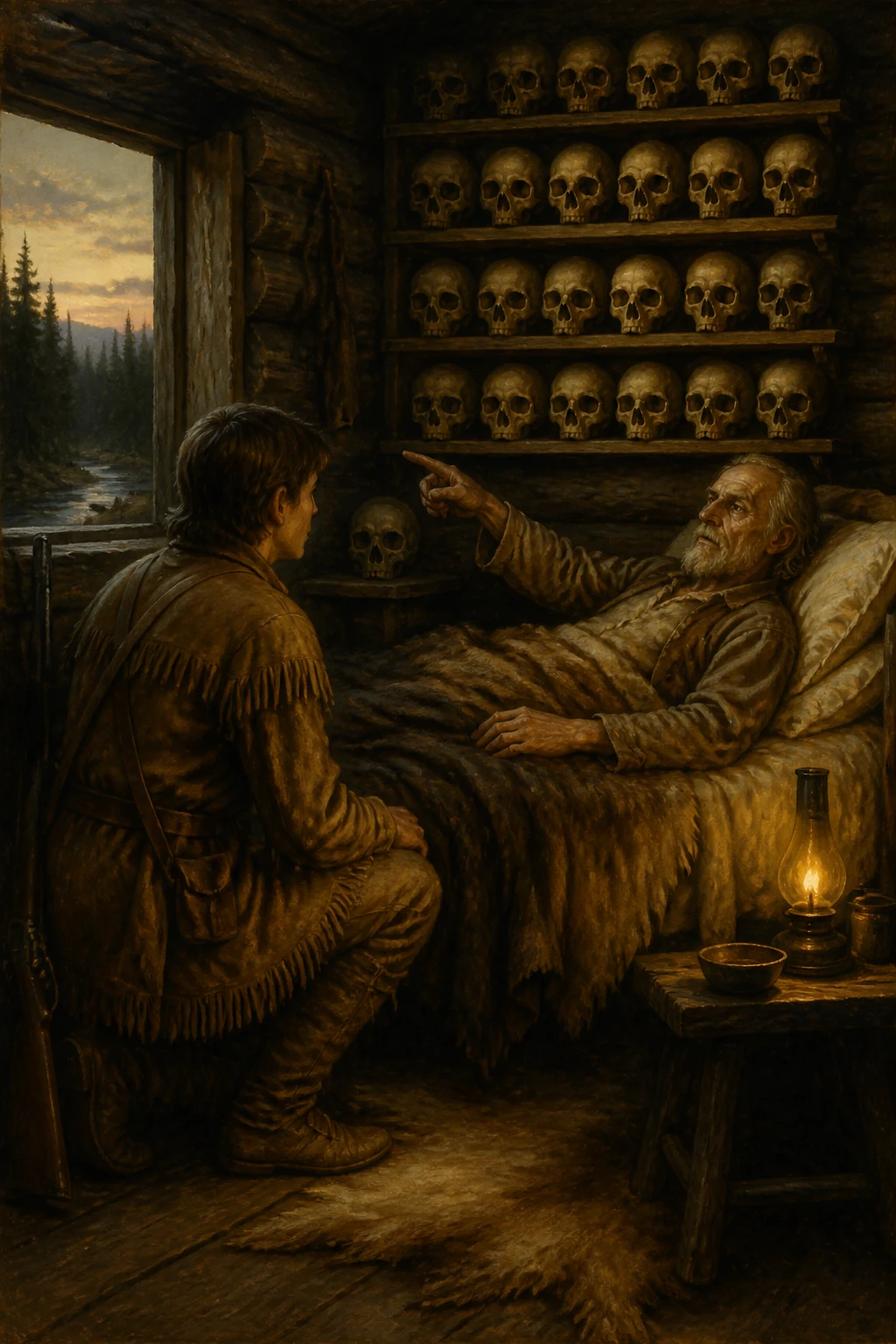
Wang You, a Gentleman Attendant of the Cavalcade, lay gravely ill and had bidden his mother farewell. Soon afterward, he heard a visitor announced: “A certain man from such-and-such a village in such-and-such a commandery, formerly an assistant governor.” Wang You had long known the man’s name. Presently the visitor appeared, quite suddenly, and said, “You and I belong to the same class of gentlemen, so there is a natural bond between us. We are fellow provincials as well, and I feel at once at home with you. This year the realm has a great undertaking in hand. Three generals have been sent out, and more than ten of us have been assigned to serve on Lord Zhao Gongming’s staff. I arrived here in such haste that, seeing your lofty gate and spacious house, I came to seek lodging. How fortunate I am to have found someone so congenial—words cannot express it.” Wang You knew that he was a spirit. “Unhappily, my illness is grave,” he said, “and I may die at any moment. Now that I have met you, I entrust my life to your care.” The visitor replied, “All who live must die; that is inevitable. Death takes no account of the rank a man held in life. I now command three thousand troops and need you to take charge of their muster rolls. Such a post is hard to come by. You ought not to refuse it.” Wang You said, “My mother is old, and I have no brothers. If I should suddenly die, she will have no one to provide for her.” He began to sob, unable to restrain himself. The man was moved. “You hold office as a palace attendant, yet your household has no wealth to spare. Just now I heard you bidding your honored mother farewell, and your words were full of grief. You are truly a gentleman of the realm. How could I let you die? I shall intercede for you.” With that, he rose and left. He returned the next day, and again the day after. Wang You asked, “You promised to save my life. Will you carry your kindness through to the end?” “This old fellow has already given you his word,” the visitor answered. “Would I deceive you now?” Wang You saw that his attendants numbered several hundred. All were about two feet tall, dressed in black military uniforms marked with red lacquer. Wang You’s household was beating drums as they prayed and offered sacrifices. At the sound of the drums, all the ghosts began dancing in time, their sleeves rustling as they shook them. Wang You was about to have wine and food set out for them, but the visitor declined. “There is no need.” Then he rose to leave once more, saying to Wang You, “Illness in the human body is like fire. It must be quenched with water.” He took a cup of water, lifted the quilt, and poured it over him. He added, “I have left more than ten red writing brushes for you beneath the sleeping mat. Give them to people to wear as hairpins. They will ward off evil and calamity wherever those people go, and keep them safe in all they undertake.” He named certain men, saying, “Wang So-and-so and Li So-and-so—I have given brushes to them all.” Then he took Wang You’s hand and bade him farewell. Wang You was at last able to sleep peacefully. In the middle of the night he suddenly woke and called to his attendants to turn back the bedding. “The spirit poured water over me,” he said. “I must be soaked through.” They lifted the quilt, and there was indeed water between the upper and lower covers, yet it had soaked into neither, lying there like dew upon a lotus leaf. They measured it and found three sheng and seven ge. By then, two-thirds of his illness had left him; within a few days he was entirely recovered. All those whom the visitor had named as people to be taken away died. Only Wang Wenying lived another six months before dying. Those whom he had named as recipients of red brushes all survived illness and warfare unharmed. Earlier, a strange writing had circulated, saying, “The Supreme Lord has ordered three generals, among them Zhao Gongming and Zhong Shiji, each to lead a host of ghosts down to seize people.” No one knew where they were. After Wang You recovered, he saw this writing and found that its mention of Zhao Gongming agreed with what the visitor had told him.