Prevod
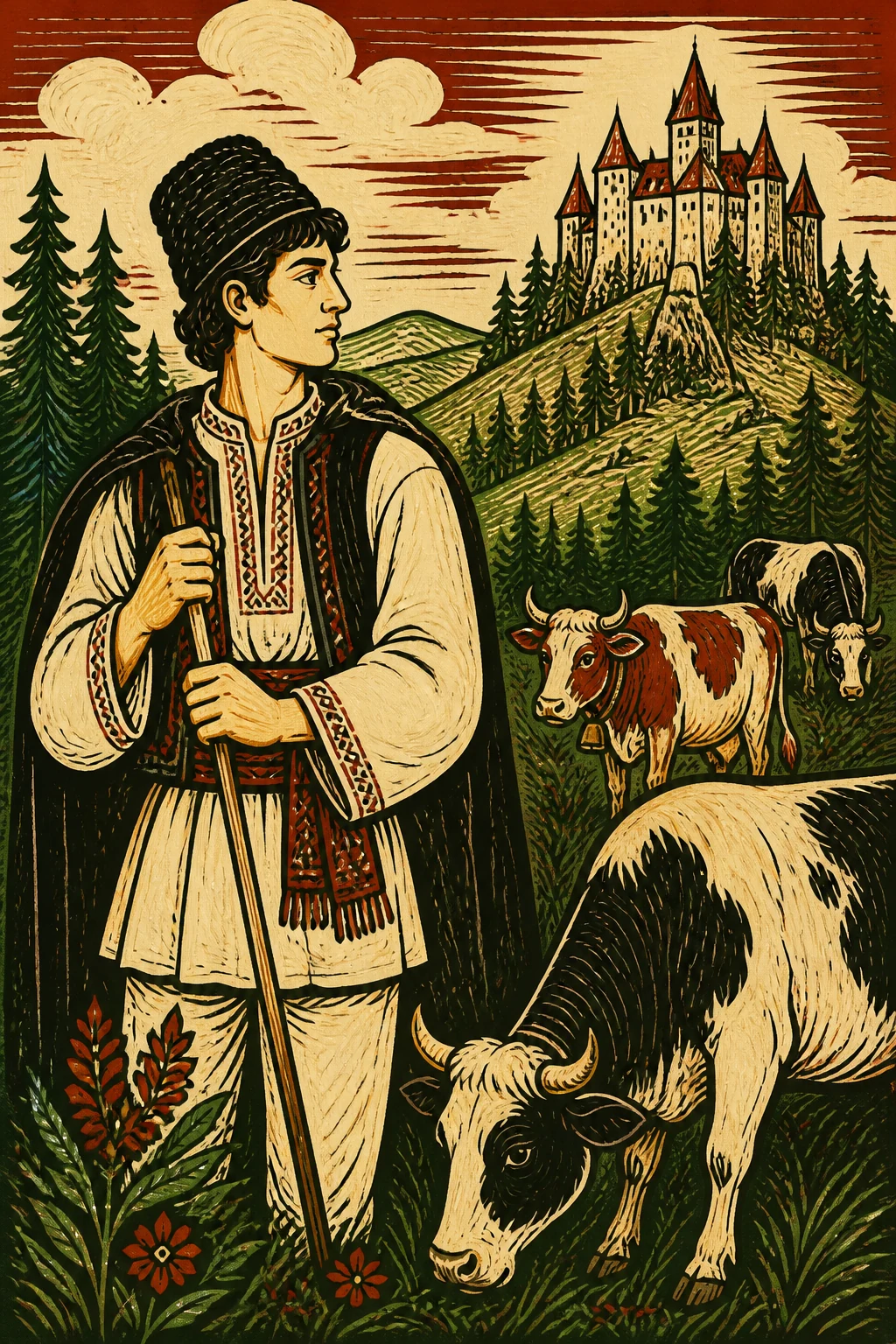
Once upon a time there was a poor peasant named Krebs, who drove a cartload of wood into town with two oxen and sold it to a doctor for two thalers. When the money was paid out to him, the doctor was sitting at dinner. The peasant saw how well he ate and drank, and his heart warmed at the sight; he wished he could be a doctor too. So he lingered a little while and at last asked whether he too might become a doctor. “Oh yes,” said the doctor, “that can soon be arranged.” “What must I do?” asked the peasant. “First, buy yourself an alphabet book, one with a rooster at the front; second, turn your cart and your two oxen into money, and use it to buy clothes and whatever else a doctor needs; third, have a sign painted with the words ‘I am Doctor Know-All,’ and have it nailed above your front door!” The peasant did everything just as he had been told. Now, when he had been doctoring for a little while, though not very long, some money was stolen from a wealthy nobleman. He was told about Doctor Know-All, who lived in such-and-such a village and would surely know where the money had gone. So the nobleman had his carriage harnessed, drove out to the village, and asked him whether he was Doctor Know-All. Yes, that he was. Then he was to come along and recover the stolen money. Oh yes, but Grete, his wife, must come too. The nobleman had no objection, and had them both get into the carriage, and they drove off together. When they reached the manor, the table was laid, and the doctor was invited to dine first. Yes, but his wife Grete must dine too, he said, and sat down at the table with her. When the first servant came in with a dish of fine food, the peasant nudged his wife and said, “Grete, that’s the first,” meaning that this was the man bringing the first dish. But the servant thought he meant, “That is the first thief,” and since he really was, he grew frightened and said to his companions outside, “The doctor knows everything. We’re in for trouble: he said I was the first.” The second did not want to go in at all, but he had to all the same. When he came in with his dish, the peasant nudged his wife. “Grete, that’s the second.” This servant grew frightened too, and hurried out as fast as he could. The third fared no better; once again the peasant said, “Grete, that’s the third.” The fourth had to bring in a covered dish, and the nobleman told the doctor to show his skill and guess what was beneath the cover. Now, the dish contained crayfish. The peasant looked at it, at a loss what to do, and said, “Ah, poor Krebs that I am!” When the nobleman heard this, he cried, “There, he knows! Now he will know who has the money too.”
But the servant was terribly frightened and motioned to the doctor to come outside for a moment. When he came out, all four confessed that they had stolen the money. They would gladly give it back, and pay him a handsome sum besides, if only he would not betray them; otherwise it would cost them their necks. They also took him to the place where the money was hidden. The doctor was satisfied with this, went back inside, sat down at the table, and said, “Sir, now I shall look in my book to see where the money is.” Meanwhile, the fifth servant crept into the stove, hoping to hear whether the doctor knew anything more. But the doctor sat there, opened his alphabet book, and leafed back and forth, looking for the rooster. Since he could not find it at once, he said, “You’re in there, and you’ll have to come out.” The man in the stove thought he meant him, sprang out in terror, and cried, “This man knows everything!” Then Doctor Know-All showed the nobleman where the money lay, but did not say who had stolen it. He received a great deal of money from both sides as a reward, and became a famous man.