Waltey
Bog v gorah
266 God on the Mountains
Myths and Legends of Our Own Land · Charles M. SkinnerO besedilu
Bog v gorah
- Vir
- Myths and Legends of Our Own Land
- Avtor
- Charles M. Skinner
- Jezik branja
- Slovenščina
- Jezik izvirnika
- English
- Čas branja
- 8 min branja
- Obseg
- 7 strani
- Naslov izvirnika
- 266 God on the Mountains
O izvirniku
Myths and Legends of Our Own Land
Obsežna zgodovinska zbirka ameriških legend, ki jih je Skinner zbral in avtorsko rekonstruiral. Bralni jezik je Slovenščina, izvirnik pa prihaja iz vira Myths and Legends of Our Own Land v jeziku English.
Besedilo
Bog v gorah
Ljudje že od pradavnine povezujejo gore z božjimi obiski. Zaradi svoje višine, prostranosti in veličastnosti so se jim zdele vredne, da bi bile stopnice, po katerih bi se božanstvo lahko spustilo na zemljo, in v verskem ter pesniškem slovstvu še danes nastopajo kot simboli najvzvišenejših predstav človeškega duha. Svetopisemska zgodovina je tesno povezana z njimi in izročitev postave na Sinaju sredi grmenja in teme je ena najmogočnejših podob, kar jih more naslikati domišljija. Ararat, Hermon, Horeb, Pisga, Kalvarija, Adamov vrh, Parnas, Olimp! Koliko predstav zbujajo ta imena! In pesniške podobe v svetih spisih so polne namigov na lepoto, plemenitost in stanovitnost gora.
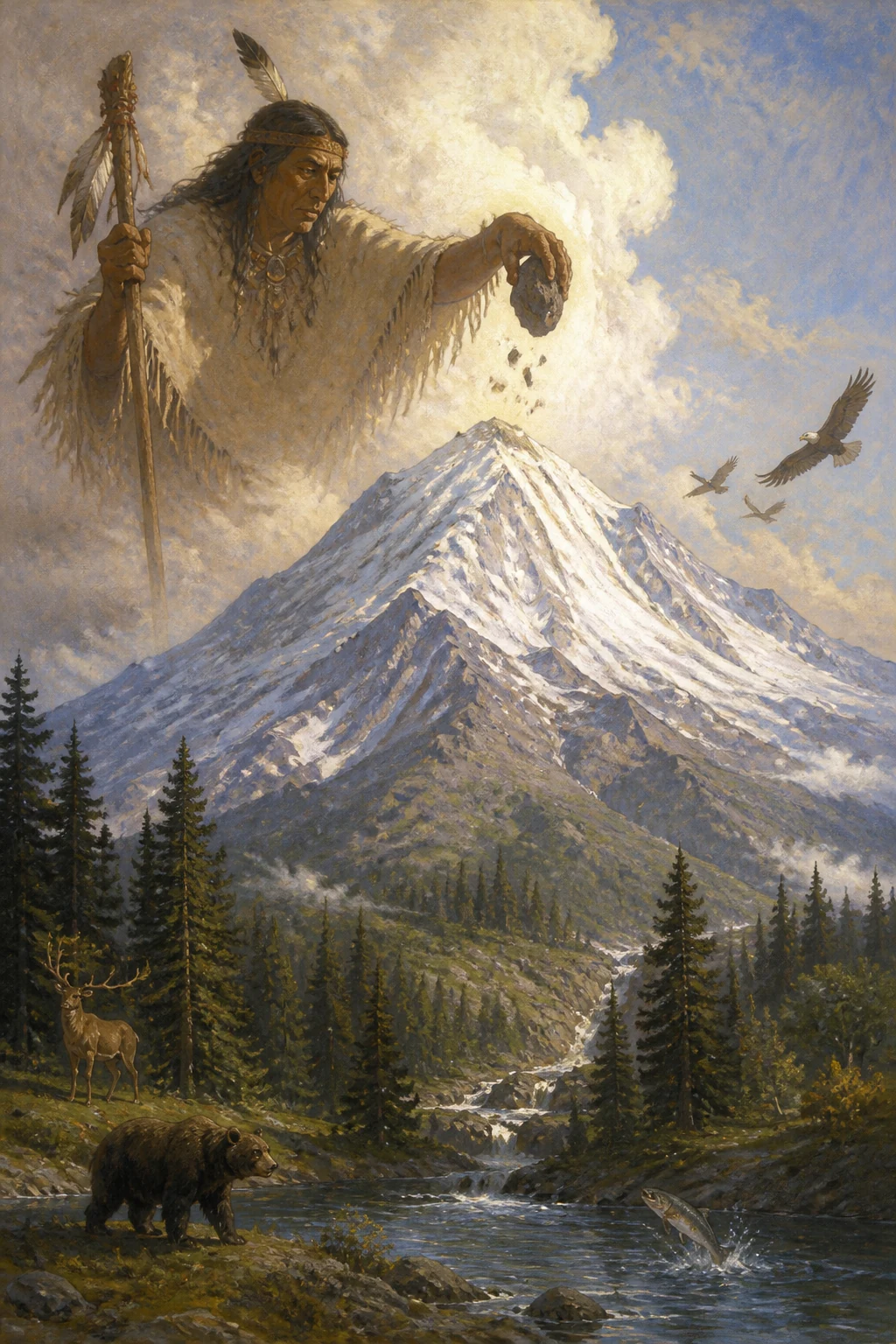
Le malokdo ve, da so tudi mnoge naše gore povezane s staroselskimi pripovedmi o Velikem duhu. Po izročilu kalifornijskih Indijancev je bila gora Shasta prvi ustvarjeni del zemlje. Veliki duh je s skalo prebil luknjo v nebesnem svodu in na kraj, kjer se je skala ustavila, zmetal še več skal, pa prsti, snega in ledu, dokler ni gmota zrasla tako visoko, da je lahko z neba stopil na njen vrh. Z rokami je pogladil njena pobočja in iz njih so pognali gozdovi. Liste, ki jih je natrgal, je dahnil, jih zalučal v zrak in glej — postali so ptice. Iz lastne palice je naredil zveri in ribe, da bi živele po hribih in v potokih, ki so začeli nastajati, medtem ko je ustvarjal svet. Zemlja je postala tako radostna in lepa, da se je nazadnje odločil prebivati na njej; izdolbel je Shasto v vigvam in v njem živel stoletja. Pred prihodom belega človeka je bilo pogosto videti, kako se iz njenega stožca vali dim ognja v njegovem bivališču — Shasta je namreč ognjenik.
Po izročilu oregonskih Indijancev je prvega človeka ob vznožju Kaskadnega gorovja blizu reke Wood ustvaril Kmukamtchiksh, »starec davnih ljudi«, ki je pred tem že ustvaril svet. Klamati verjamejo, da je Kmukamtchiksh zahrbten duh, »značilen živalski bog«, vendar hudobne kaznuje tako, da jih spreminja v skale na gorskih pobočjih ali jih meče v ognjeniške plamene.
Grič Sinsinawa v Wisconsinu je bil dom nenavadnih bitij, ki so prebivala v votlinah, kamor si je le malokdo upal vstopiti. Skoznje so v nebesa tekle začarane reke. Gorovji Catskill in Adirondack sta bili bivališči mogočnih bitij, Hudsonsko višavje pa je bilo obzidje, za katero je Manitou zaprl množico upornih duhov. Ko je reka prebila ta okop in se petdeset milj niže izlila v morje, so se duhovi razbežali in mnogim je uspelo pobegniti. Drugi pa še vedno strašijo po grapah in naježenih gozdovih, in kadar Manitou na svojem oblačnem vozu drvi skozi Hudsonov kanjon, vpije z gromkim glasom ter spotoma luča strele na desno in levo, demoni vreščijo in tulijo od besa in strahu, da bi jih znova ujeli in za vselej zaprli pod zemljo.
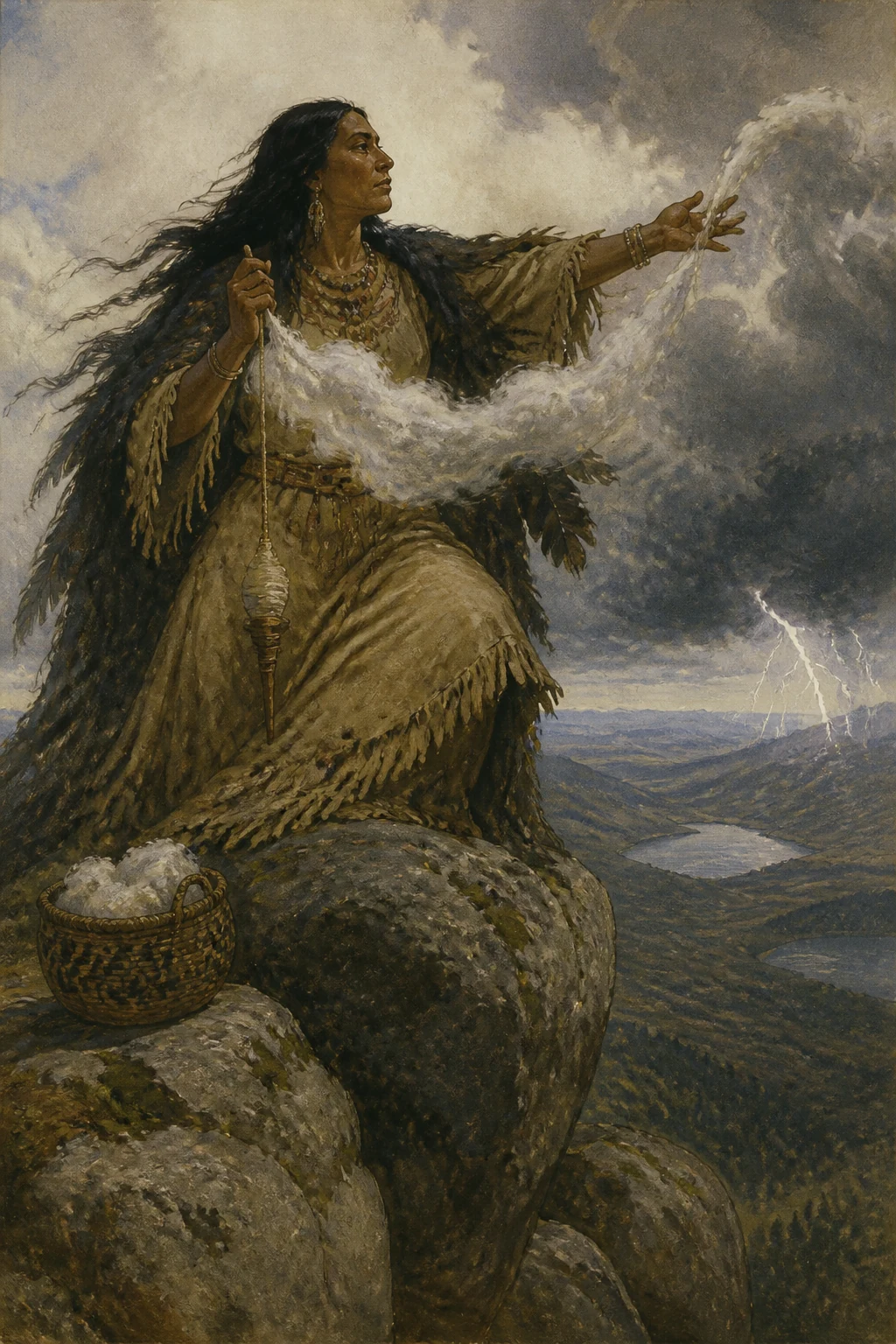
Indijanci so na Bele gore gledali s strahospoštovanjem, saj so bile zanje domovanje velikih in blaženih duhov. Mount Washington je bil njihov Olimp in Ararat obenem, kajti tam je prebival Bog in tam sta, ko je zemljo prekril vesoljni potop, živela poglavar in njegova žena, ki ju je Bog rešil in sta po upadu voda poslala zajca, da bi izvedela, ali se je varno spustiti v dolino. Iz njunega rodu so se rdeči ljudje razširili po vsej deželi. Toda gorje vsiljivcu na teh visokih in svetih tleh, kajti razjarjeno božanstvo ga je obsodilo, da je cele veke taval po pustih vrhovih in senčnih breznih, ki so parala njihova pobočja. Obupani kriki teh obsojencev so med zimskimi viharji strašili celo prve bele naseljence v teh krajih in leta 1784 so ženske iz Conwaya prosile tri duhovnike, naj »pomirijo duhove«.
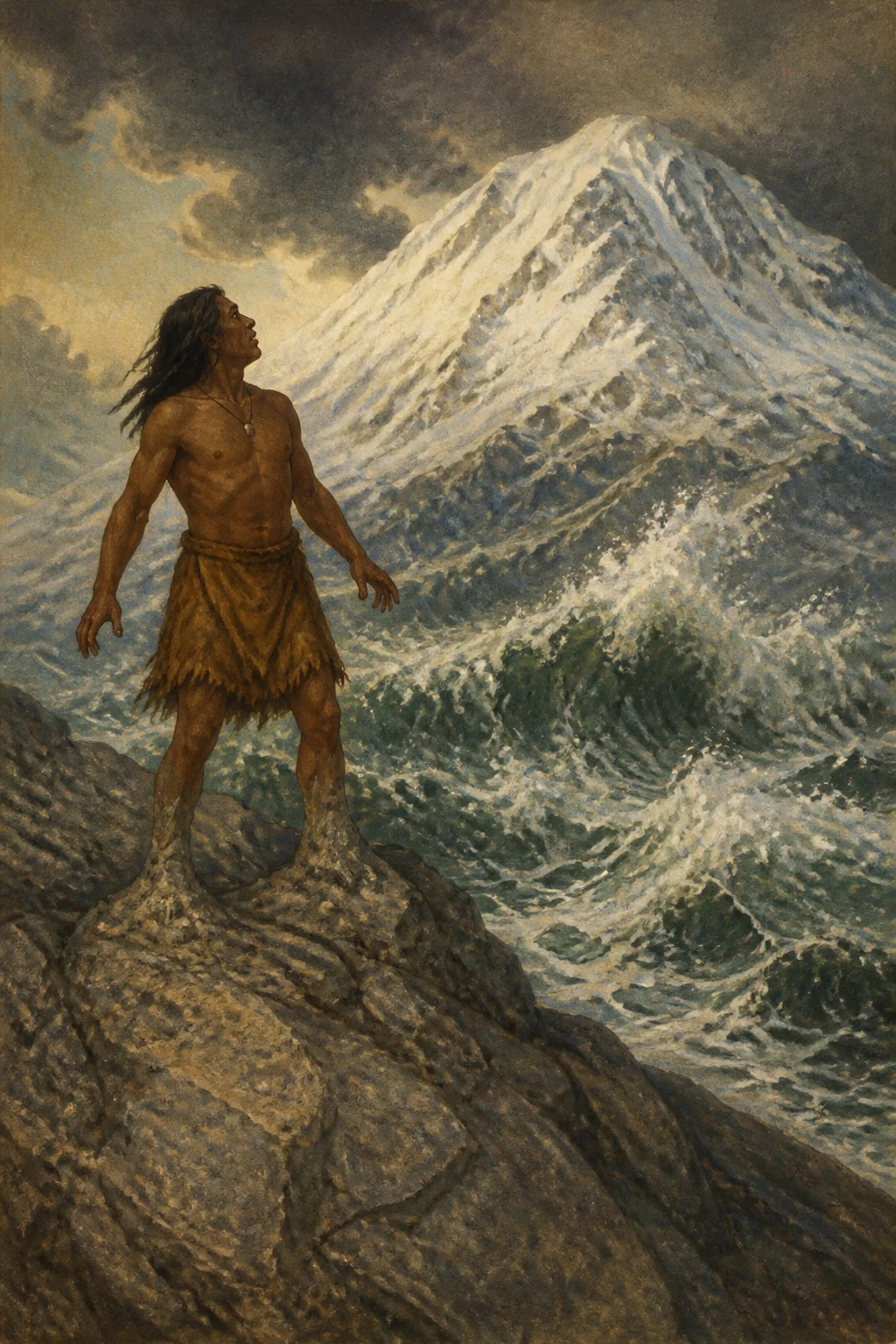
Druge pripovedi o barki in vesoljnem potopu so povezane z gorovjem Superstition v Arizoni, vasjo Caddoes ob Rdeči reki, goro Cerro Naztarny ob Riu Grande, vrhom Old Zuni v Mehiki, Colhuacanom na tihomorski obali, goro Apaola v zgornji Mixteci in goro Neba v Guaymiju. Indijanci severozahodnih krajev pripovedujejo o potopu, v katerem so pomrli vsi razen enega moža, ki se je zatekel na goro Tacoma. Da ga voda ne bi odnesla, ga je neki duh spremenil v kamen. Ko je povodenj upadla, mu je božanstvo vzelo eno od reber in iz njega naredilo žensko. Nato je z dotikom spet obudilo kamnitega moža v življenje.
Tudi v gorah Severne Karoline so živeli Manitoujevi potomci, vendar Čerokiji verjamejo, da so tamkajšnje višave gole zato, ker je čeznje stopal hudič na poti do Hudičeve sodne palače v okrožju Transylvania v Severni Karolini, kjer je sodil in zahteval zase tiste, ki so mu pripadali. V Belih gorah so prebivale pošasti. Hudičev brlog v steni gore Willard je bil skrivališče ene izmed njih — čudnega krilatega bitja, ki je po tleh svoje votline raztresalo živalska in človeška okostja, potem ko je požrlo njihovo meso.
Vera v nadnaravne dogodke v teh newhampshirskih gorah se je ohranila skoraj do današnjih dni in gora Sunday je spomenik pogubnim posledicam kršenja nedeljskega počitka, na katerega so več rodov newhampshirske mladine opozarjali v moralni poduk. Zgodba pravi, da se je neki mož iz sosednjega mesta Oxford v nedeljo odpravil na sprehod, ko bi moral iti v cerkev; in ko je tu zašel v gozd, je padel v kremplje in žrela krdela medvedov, ki so pri priči in v svarilo drugim opravili z njim.
Veličastno obličje v skali v soteski Profile Notch so redki rdeči ljudje, ki so si drznili v ta samotni tesen, gledali s spoštovanjem. Ko so ga zagledali belci, so rekli, da je podobno Washingtonu, in nekemu jenkijevskemu govorniku pripisujejo besede: »Ljudje izobešajo znamenja, ki predstavljajo njihove obrti. Draguljarji obesijo velikansko uro, čevljarji ogromen škorenj, tam zgoraj v Franconii pa je vsemogočni Bog izobesil znamenje, da v Novi Angliji ustvarja može.«
K bližnjemu jezeru Echo je božanstvo rado zahajalo, da bi občudovalo lepote narave, in jasni, ponavljajoči se odmevi so bili njegov glas, ki je govoril blago ali jezno. Za Moosilauke — ime pomeni goli kraj, zmotno pa ga imenujejo Moose Hillock — je Waternomee, poglavar Pemigewassetov, razglasil, da je dom Velikega duha, in ko so se rdeči ljudje prvič skušali povzpeti na vrh, so se prestrašeni vrnili in vpili, da se Gitche Manitou jezen vrača domov, jezdeč na viharju — ta pa se je res kmalu razbesnel nad vso deželo. Le malo Indijancev si je po tistem drznilo povzpeti na goro in božanstvu so v spravo darovali prve sadove žetve in prvi lovski plen. Pri Sedmih slapovih na njenem vzhodnem pobočju se je eden od Rogersovih rangerjev med umikom po vpadu v Kanado zgrudil na tla, preutrujen, da bi se še premaknil. Tedaj se je s šumenjem slapov pomešala oddaljena glasba harf in vode so se nenadoma napolnile s postavami, ki so žarele srebrnobelo kakor mesečev kamen, se dvigale in krožile, držeč se za roke, ter ob tem veselo prepevale. Nato se je zdelo, da je zrak preplavila rožnata svetloba, in tisoči gozdnih duhov so se po mavričnih stopnicah vzpenjali na skalne oltarje, da bi darovali kadilo in s pesmijo pozdravili sonce. Mimo je priplul temen oblak, dnevna svetloba je obledela in prikazala se je vizija pokola v St. Francisu, umika skozi neraziskano divjino, pojedine s človeškimi glavami, mučenja in smrti; tedaj je izmučeni in sestradani mož izgubil zavest. Toda lovec na kožuharje, ki je opazil njegovo sled, ga je kmalu našel in odpeljal v prijazno naselbino. Tam so mu povedali, da je le tistim, ki se bodo kmalu poslovili od zemlje, dano spoznati duhove izvirov in gozdov, ki v imenu narave povzdigujejo glasove v hvalo Velikemu duhu. Tistim bolj otopelih čutov, na katerih je še ležalo breme posvetnosti, se ta blažena spokojnost ni nikoli razodela.
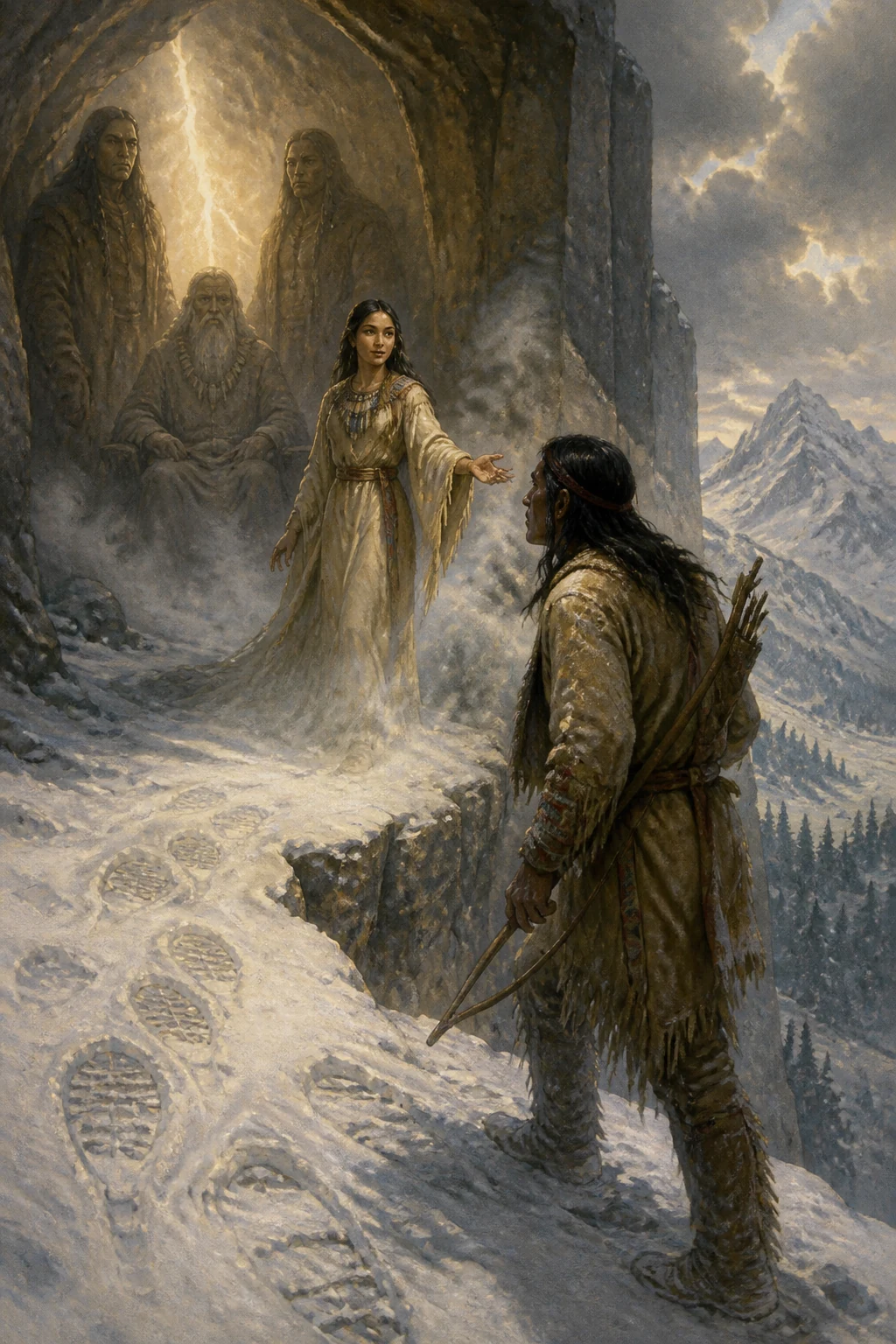
Prav na Mount Washington je Veliki duh poklical Passaconawaya, ko je bilo njegovo delo opravljeno, in tam je bil povzdignjen med bogove. Nastanek Belih gora Indijanci razlagajo takole: Rdeči lovec, ki je več dni blodil po gozdu, ne da bi našel divjad, se je nekega večera izčrpan zgrudil v sneg in čakal na smrt. Toda zaspal je in sanjal. V sanjah je videl čudovito gorsko deželo, kjer je bilo ptic, živali in sadja v izobilju, in ko se je prebudil, je ugotovil, da se je že zdanilo. Obupano se je ozrl po zamrznjeni divjini in zaklical: »Veliki gospodar življenja, kje je dežela, ki sem jo videl?« In še ko je govoril, se je prikazal Gospodar ter mu dal sulico in žerjavico. Lovec je spustil žerjavico na tla in iz nje se je razširil ogenj; skale so gorele v gostem dimu, iz katerega se je zaslišal Gospodarjev glas, ki je z gromkimi toni ukazal goram, naj se dvignejo. Zemlja se je vzvalovila in prestrašeni mož je skozi dim videl, kako se griči in pečine dvigajo — dvigajo — dokler niso njihovi vrhovi segli nad oblake, z daljnih vršacev pa je zadonela obljuba: »Tu bo prebival Veliki duh in bedel nad svojimi otroki.« Zdaj je iz skal privrela voda in se smeje razlila po globelih v tisočerih potokih in potočkih, doline so se odele v listje in cvetje, ptice so zapele med vejami, metulji kakor krilati cvetovi so prhutali sem ter tja, iz bilja je prihajalo tiho in veselo brenčanje žuželk, dim se je razkadil, zasijalo je blagodejno sonce in medtem ko je lovec zamaknjeno strmel v mogočne vrhove Agiochookov, je na njihovem grebenu stal Bog.
Izvirnik
266 God on the Mountains
Naslednje strani prikazujejo izvirno besedilo za primerjavo.
From the oldest time men have associated the mountains with visitations of God. Their height, their vastness, their majesty made them seem worthy to be stairs by which the Deity might descend to earth, and they stand in religious and poetic literature to this day as symbols of the largest mental conceptions. Scriptural history is intimately associated with them, and the giving of the law on Sinai, amid thunder and darkness, is one of the most tremendous pictures that imagination can paint. Ararat, Hermon, Horeb, Pisgah, Calvary, Adam's Peak, Parnassus, Olympus! How full of suggestion are these names! And poetic figures in sacred writings are full of allusion to the beauty, nobility, and endurance of the hills.
It is little known that many of our own mountains are associated with aboriginal legends of the Great Spirit. According to the Indians of California, Mount Shasta was the first part of the earth to be made. The Great Spirit broke a hole through the floor of heaven with a rock, and on the spot where this rock had stopped he flung down more rocks, with earth and snow and ice, until the mass had gained such a height that he could step from the sky to its summit. Running his hands over its sides he caused forests to spring up. The leaves that he plucked he breathed upon, tossed into the air, and, lo! they were birds. Out of his own staff he made beasts and fishes, to live on the hills and in the streams, that began to appear as the work of worldbuilding went on. The earth became so joyous and so fair that he resolved at last to live on it, and he hollowed Shasta into a wigwam, where he dwelt for centuries, the smoke of his lodge-fire (Shasta is a volcano) being often seen pouring from the cone before the white man came.
According to the Oregon Indians the first man was created at the base of the Cascade Range, near Wood River, by Kmukamtchiksh, “the old man of the ancients,” who had already made the world. The Klamaths believe Kmukamtchiksh a treacherous spirit, “a typical beast god,” yet that he punishes the wicked by turning them into rocks on the mountain-sides or by putting them into volcanic fires.
Sinsinawa Mound, Wisconsin, was the home of strange beings who occupied caverns that few dared to enter. Enchanted rivers flowed through these caves to heaven. The Catskills and Adirondacks were abodes of powerful beings, and the Highlands of the Hudson were a wall within which Manitou confined a host of rebellious spirits. When the river burst through this bulwark and poured into the sea, fifty miles below, these spirits took flight, and many succeeded in escaping. But others still haunt the ravines and bristling woods, and when Manitou careers through the Hudson canon on his car of cloud, crying with thunder voice, and hurling his lightnings to right and left as he passes, the demons scream and howl in rage and fear lest they be recaptured and shut up forever beneath the earth.
The White Mountains were held in awe by Indians, to whom they were homes of great and blessed spirits. Mount Washington was their Olympus and Ararat in one, for there dwelt God, and there, when the earth was covered with a flood, lived the chief and his wife, whom God had saved, sending forth a hare, after the waters had subsided, to learn if it were safe to descend. From them the whole country was peopled with red men. Yet woe betide the intruder on this high and holy ground, for an angered deity condemned him to wander for ages over the desolate peaks and through the shadowy chasms rifted down their sides. The despairing cries of these condemned ones, in winter storms, even frightened the early white settlers in this region, and in 1784 the women of Conway petitioned three clergymen “to lay the spirits.”
Other ark and deluge legends relate to the Superstition Mountains, in Arizona, Caddoes village, on Red River, Cerro Naztarny, on the Rio Grande, the peak of Old Zuni, in Mexico, Colhuacan, on the Pacific coast, Mount Apaola, in upper Mixteca, and Mount Neba, in Guaymi. The Northwestern Indians tell of a flood in which all perished save one man, who fled to Mount Tacoma. To prevent him from being swept away a spirit turned him into stone. When the flood had fallen the deity took one of his ribs and made a woman of it. Then he touched the stone man back to life.
There were descendants of Manitou on the mountains, too, of North Carolina, but the Cherokees believe that those heights are bare because the devil strode over them on his way to the Devil's Court House (Transylvania County, North Carolina), where he sat in judgment and claimed his own. Monsters were found in the White Mountains. Devil's Den, on the face of Mount Willard, was the lair of one of them--a strange, winged creature that strewed the floor of its cave with brute and human skeletons, after preying on their flesh.
The ideas of supernatural occurrences in these New Hampshire hills obtained until a recent date, and Sunday Mountain is a monument to the dire effects of Sabbath-breaking that was pointed out to several generations of New Hampshire youth for their moral betterment. The story goes that a man of the adjacent town of Oxford took a walk one Sunday, when he should have taken himself to church; and, straying into the woods here, he was delivered into the claws and maws of an assemblage of bears that made an immediate and exemplary conclusion of him.
The grand portrait in rock in Profile Notch was regarded with reverence by the few red men who ventured into that lonely defile. When white men saw it they said it resembled Washington, and a Yankee orator is quoted as saying, “Men put out signs representing their different trades. Jewellers hang out a monster watch, shoemakers a huge boot, and, up in Franconia, God Almighty has hung out a sign that in New England He makes men.”
To Echo Lake, close by, the deity was wont to repair that he might contemplate the beauties of nature, and the clear, repeated echoes were his voice, speaking in gentleness or anger. Moosilauke--meaning a bald place, and wrongly called Moose Hillock--was declared by Waternomee, chief of the Pemigewassets, to be the home of the Great Spirit, and the first time that red men tried to gain the summit they returned in fear, crying that Gitche Manitou was riding home in anger on a storm--which presently, indeed, burst over the whole country. Few Indians dared to climb the mountain after that, and the first fruits of the harvest and first victims of the chase were offered in propitiation to the deity. At Seven Cascades, on its eastern slope, one of Rogers's Rangers, retreating after the Canadian foray, fell to the ground, too tired for further motion, when a distant music of harps mingled with the cascade's plash, and directly the waters were peopled with forms glowing with silver-white, like the moonstone, that rose and circled, hand in hand, singing gayly as they did so. The air then seemed to be flooded with rosy light and thousands of sylvan genii ascended altars of rock, by steps of rainbow, to offer incense and greet the sun with song. A dark cloud passed, daylight faded, and a vision arose of the massacre at St. Francis, a retreat through untried wilderness, a feast on human heads, torture, and death; then his senses left the worn and starving man. But a trapper who had seen his trail soon reached him and led him to a friendly settlement, where he was told that only to those who were about to take their leave of earth was it given to know those spirits of fountain and forest that offered their voices, on behalf of nature, in praise of the Great Spirit. To those of grosser sense, on whom the weight of worldliness still rested, this halcyon was never revealed.
It was to Mount Washington that the Great Spirit summoned Passaconaway, when his work was done, and there was his apotheosis.
The Indians account in this manner for the birth of the White Mountains: A red hunter who had wandered for days through the forest without finding game dropped exhausted on the snow, one night, and awaited death. But he fell asleep and dreamed. In his vision he saw a beautiful mountain country where birds and beasts and fruits were plenty, and, awaking from his sleep, he found that day had come. Looking about the frozen wilderness in despair, he cried, “Great Master of Life, where is this country that I have seen?” And even as he spoke the Master appeared and gave to him a spear and a coal. The hunter dropped the coal on the ground, when a fire spread from it, the rocks burning with dense smoke, out of which came the Master's voice, in thunder tones, bidding the mountains rise. The earth heaved and through the reek the terrified man saw hills and crags lifting--lifting--until their tops reached above the clouds, and from the far summits sounded the promise, “Here shall the Great Spirit live and watch over his children.” Water now burst from the rocks and came laughing down the hollows in a thousand brooks and rills, the valleys unfolded in leaf and bloom, birds sang in the branches, butterflies-like winged flowers flitted to and fro, the faint and cheerful noise of insect life came from the herbage, the smoke rolled away, a genial sun blazed out, and, as the hunter looked in rapture on the mighty peaks of the Agiochooks, God stood upon their crest.
Nadaljuj z branjem