Waltey
Anthonyjev nos
012 Anthony's Nose
Myths and Legends of Our Own Land · Charles M. SkinnerO besedilu
Anthonyjev nos
- Vir
- Myths and Legends of Our Own Land
- Avtor
- Charles M. Skinner
- Jezik branja
- Slovenščina
- Jezik izvirnika
- English
- Čas branja
- 2 min branja
- Obseg
- 2 strani
- Naslov izvirnika
- 012 Anthony's Nose
O izvirniku
Myths and Legends of Our Own Land
Obsežna zgodovinska zbirka ameriških legend, ki jih je Skinner zbral in avtorsko rekonstruiral. Bralni jezik je Slovenščina, izvirnik pa prihaja iz vira Myths and Legends of Our Own Land v jeziku English.
Besedilo
Anthonyjev nos
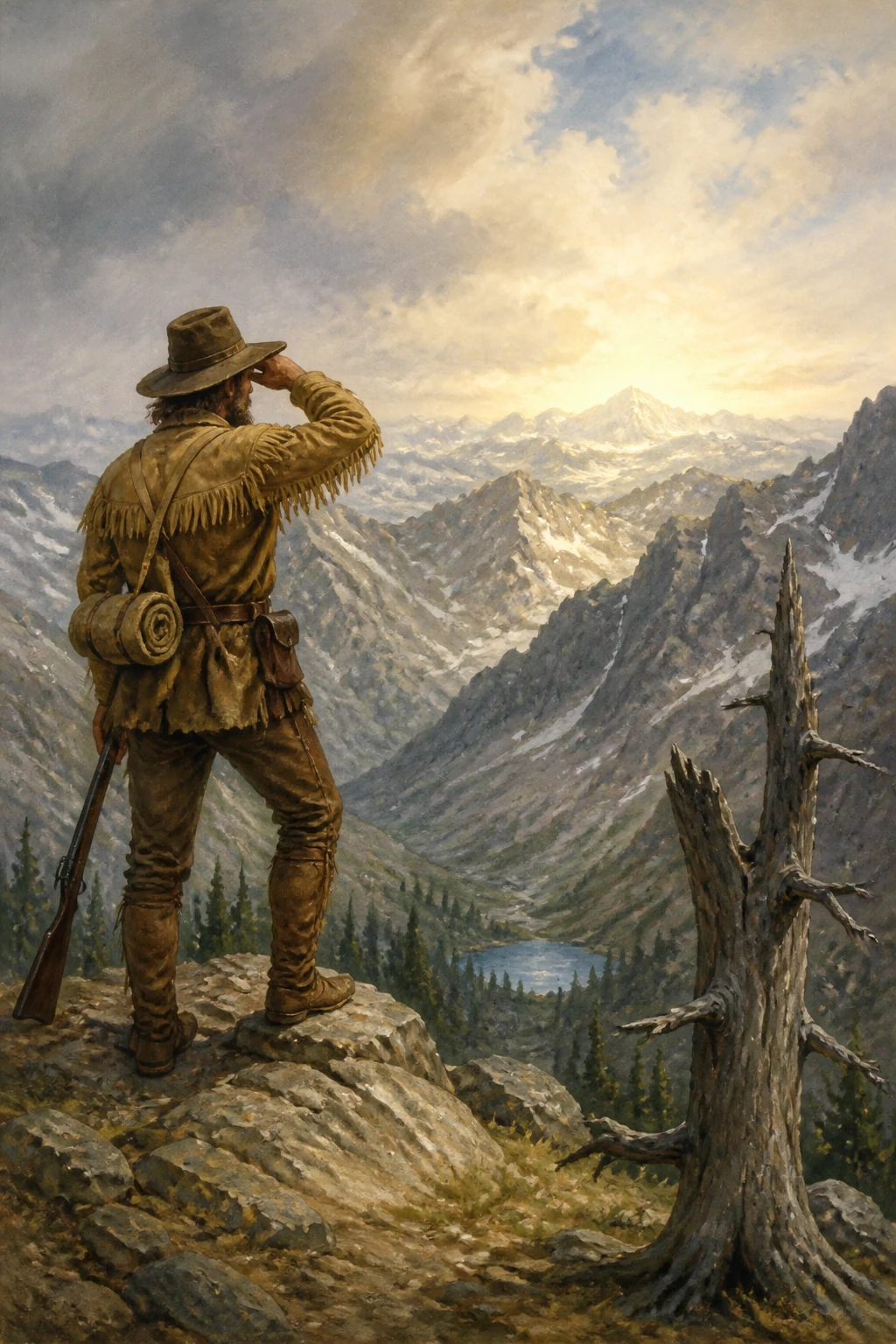
Vrhovi Hudsonskega višavja nosijo slikovita imena: Bear Mountain, Sugar Loaf, Cro' Nest, Storm King, ki so ga Nizozemci imenovali Boterberg ali Masleni hrib, ker je spominjal na kepo masla; Beacon Hill, kjer so zagoreli kresovi, da bi deželi naznanili konec vojne za neodvisnost; Dunderberg in Mount Taurus, ki je dobil ime po divjem biku, strahu in trepetu višavja. Bika so pregnali iz njegovih skrivališč na tej gori, poginil pa je ob padcu s pečine na vzpetini severneje, ki je zato postala znana kot Breakneck Hill. Ti vrhovi so skupaj z Anthony's Nose glavne znamenitosti ljubke in veličastne panorame, ki se razgrinja pred očmi, medtem ko ladje brzijo naprej.
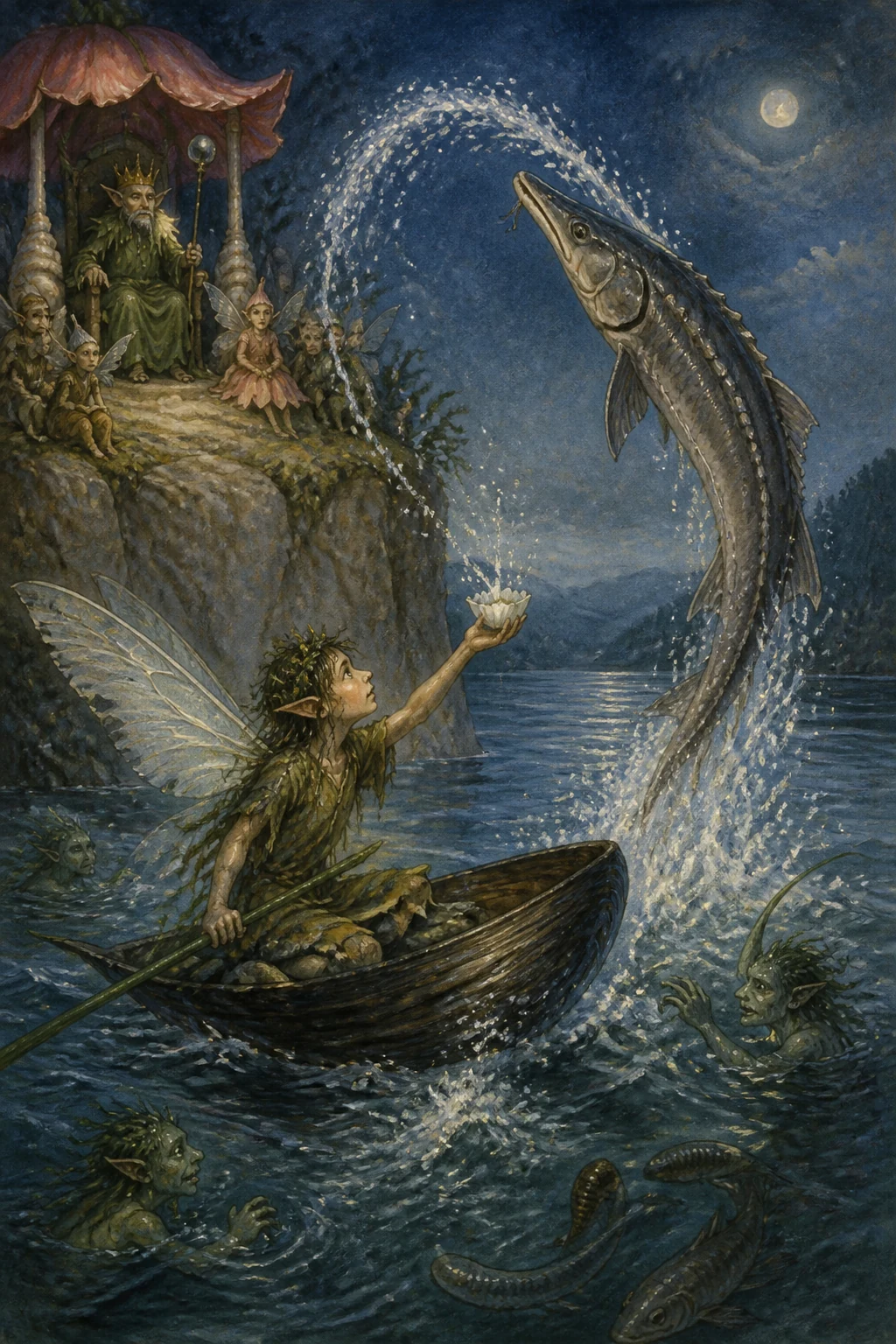
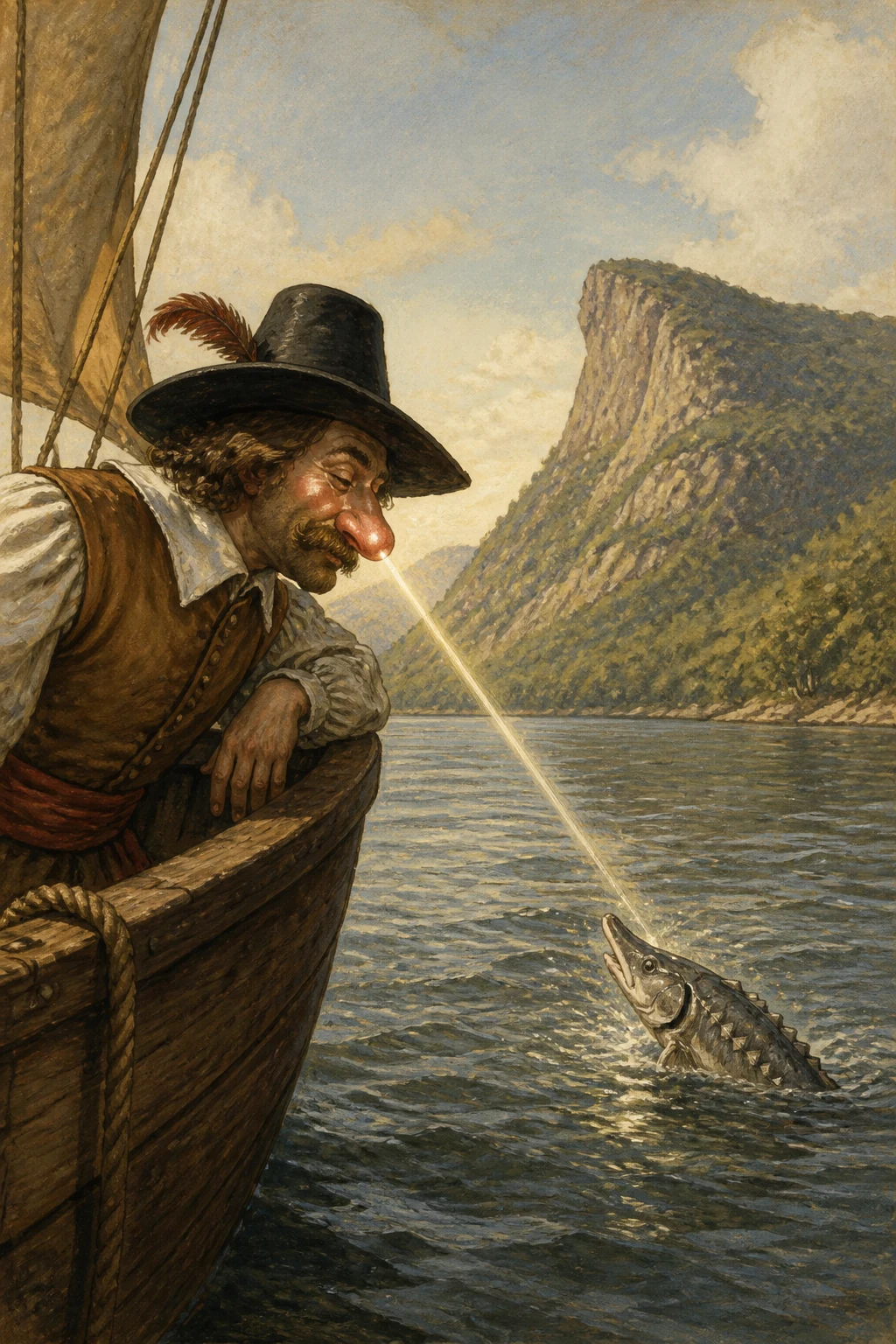
Zadnja omenjena vzpetina, orlovskemu nosu podoben pomol, ki se nasproti Dunderberga dviga ob Hudsonu, svojega imena ni dobila zaradi podobnosti s človeškim nosom, temveč zato, ker je trobentač Anthony Van Corlaer, ki je pozneje dal tudi povod, da so severno mejo otoka Manhattan poimenovali Spuyten Duyvil Creek, ubil prvega jesetra, kar so jih kdaj pojedli ob vznožju te gore. Zgodilo se je takole: z vztrajno predanostjo sodčku in vrču si je Anthony pridelal nos, ki je zbujal začudenje in občudovanje vseh, ki so ga poznali, saj je bil velikanski; po barvi se je kosal z rubinom in se svetil kakor zloščen baker. Ko se je Anthony nekega poletnega jutra lenobno nagibal čez krmo galeje Petra Stuyvesanta, je ta nos ujel sončni žarek in ga odbil v vodo, da je zacvrčalo; tam je žarek ubil jesetra, ki se je ob ladji dvigal proti gladini. Ribo so potegnili na krov, jo pojedli in razglasili za okusno, čeprav je ožgano mesto imelo okus po žveplu, Stuyvesant pa je v spomin na ta dogodek goro, ki se je dvigala nad njegovo ladjo, poimenoval Anthony's Nose.
Izvirnik
012 Anthony's Nose
Naslednje strani prikazujejo izvirno besedilo za primerjavo.
The Hudson Highlands are suggestively named Bear Mountain, Sugar Loaf, Cro' Nest, Storm King, called by the Dutch Boterberg, or Butter Hill, from its likeness to a pat of butter; Beacon Hill, where the fires blazed to tell the country that the Revolutionary war was over; Dunderberg, Mount Taurus, so called because a wild bull that had terrorized the Highlands was chased out of his haunts on this height, and was killed by falling from a cliff on an eminence to the northward, known, in consequence, as Breakneck Hill. These, with Anthony's Nose, are the principal points of interest in the lovely and impressive panorama that unfolds before the view as the boats fly onward.
Concerning the last-named elevation, the aquiline promontory that abuts on the Hudson opposite Dunderberg, it takes title from no resemblance to the human feature, but is so named because Anthony Van Corlaer, the trumpeter, who afterwards left a reason for calling the upper boundary of Manhattan Island Spuyten Duyvil Creek, killed the first sturgeon ever eaten at the foot of this mountain. It happened in this wise: By assiduous devotion to keg and flagon Anthony had begotten a nose that was the wonder and admiration of all who knew it, for its size was prodigious; in color it rivalled the carbuncle, and it shone like polished copper. As Anthony was lounging over the quarter of Peter Stuyvesant's galley one summer morning this nose caught a ray from the sun and reflected it hissing into the water, where it killed a sturgeon that was rising beside the vessel. The fish was pulled aboard, eaten, and declared good, though the singed place savored of brimstone, and in commemoration of the event Stuyvesant dubbed the mountain that rose above his vessel Anthony's Nose.
Nadaljuj z branjem