Waltey
Čudežna dlaka
Srpske narodne pripovijetke · Vuk Stefanović KaradžićO besedilu
Čudežna dlaka
- Vir
- Srpske narodne pripovijetke
- Avtor
- Vuk Stefanović Karadžić
- Jezik branja
- English
- Jezik izvirnika
- Српски
- Čas branja
- 5 min branja
- Obseg
- 4 strani
- Naslov izvirnika
- 031 Чудновата длака
O izvirniku
Srpske narodne pripovijetke
Srbske ljudske pripovedi o junakih, čudežnih bitjih, preizkušnjah in ljudski modrosti. Bralni jezik je English, izvirnik pa prihaja iz vira Srpske narodne pripovijetke v jeziku Српски.
Besedilo
Čudežna dlaka
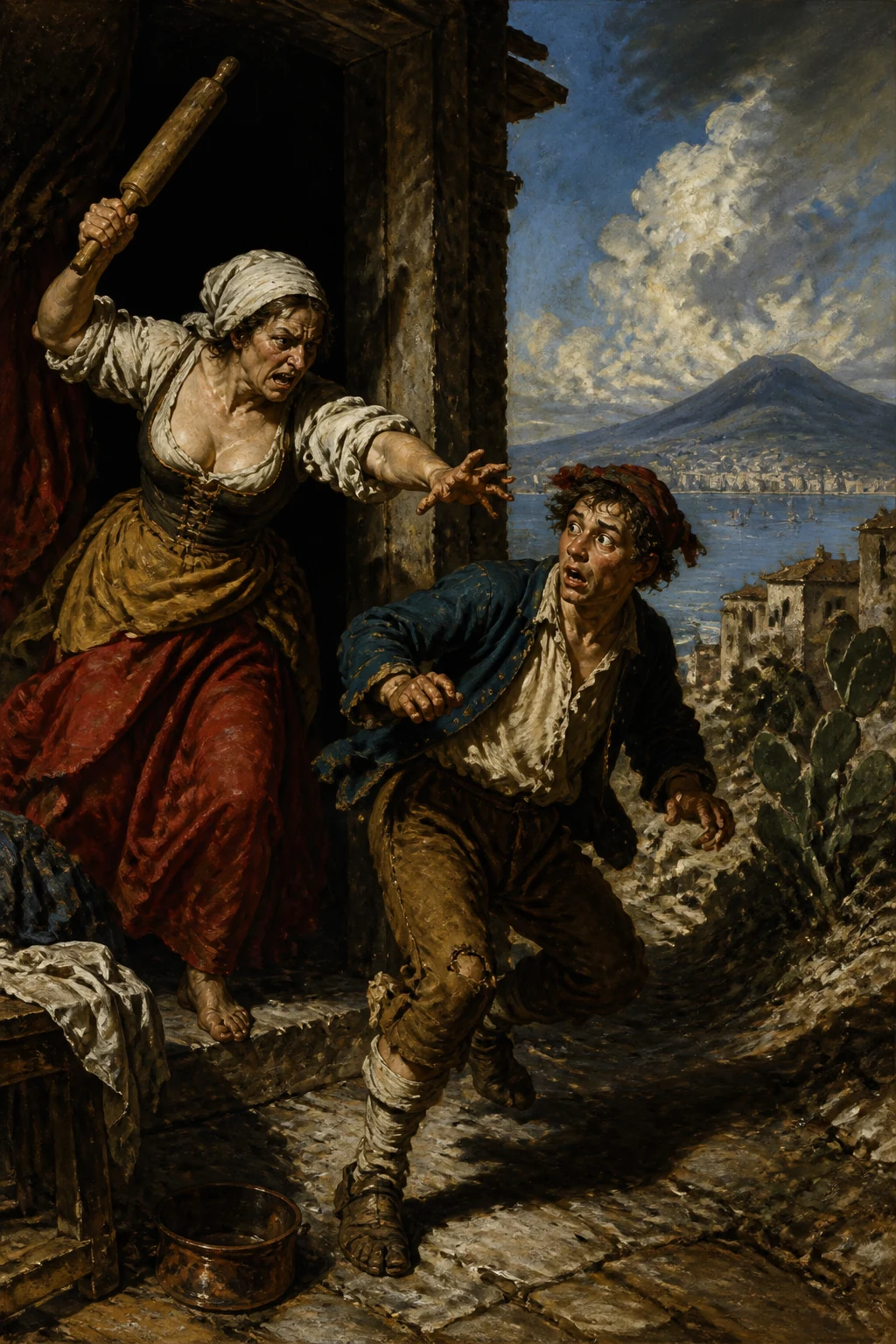
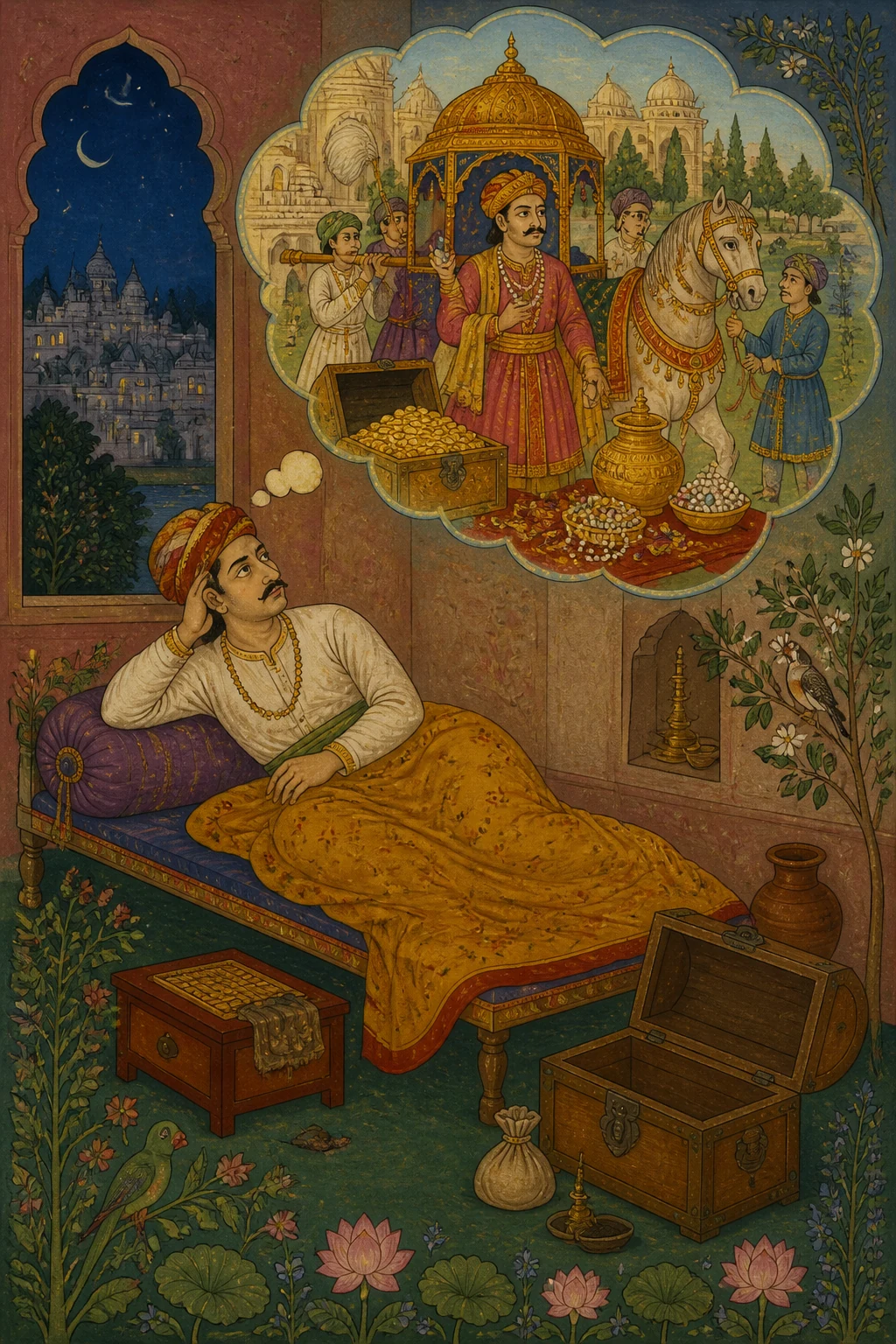
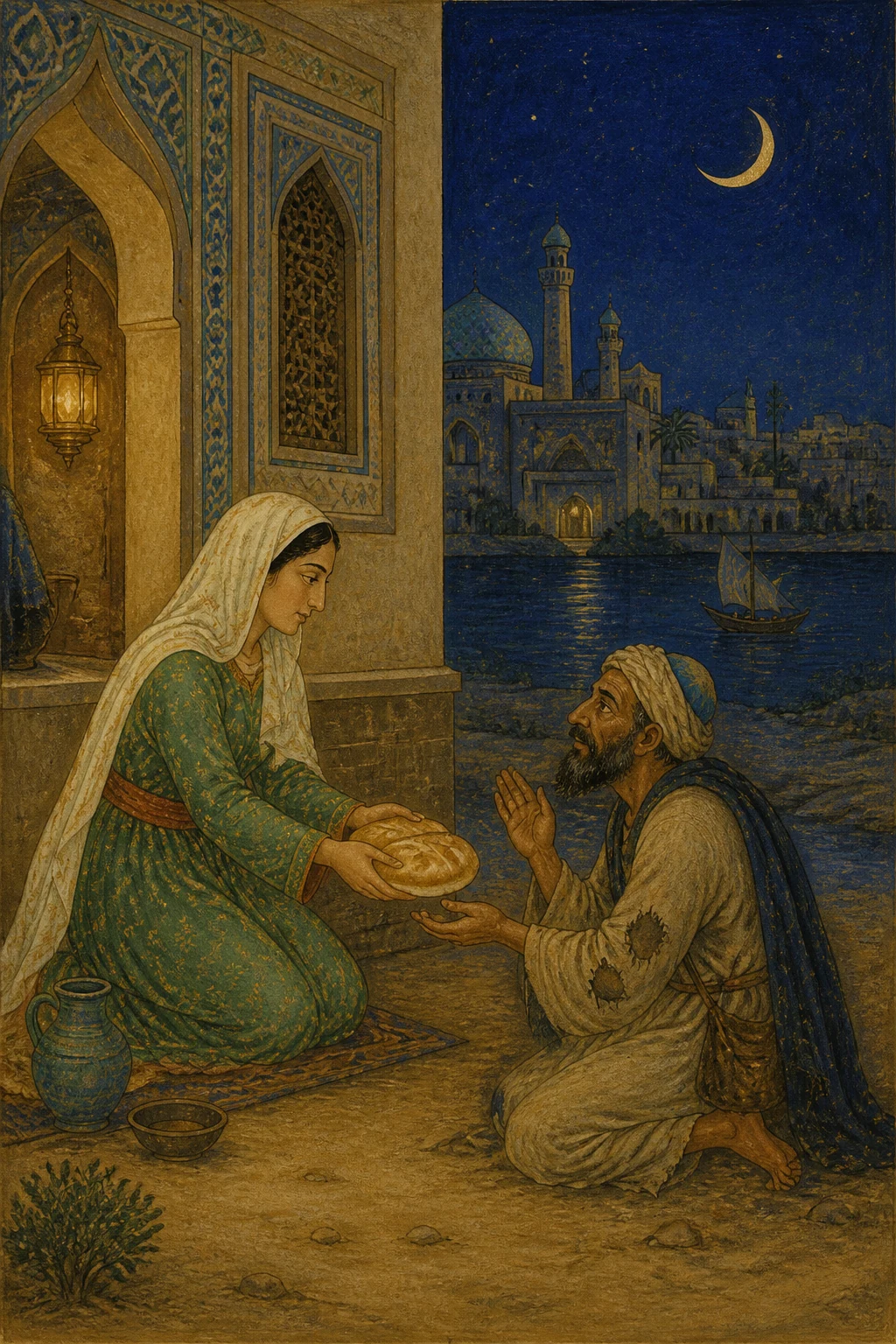
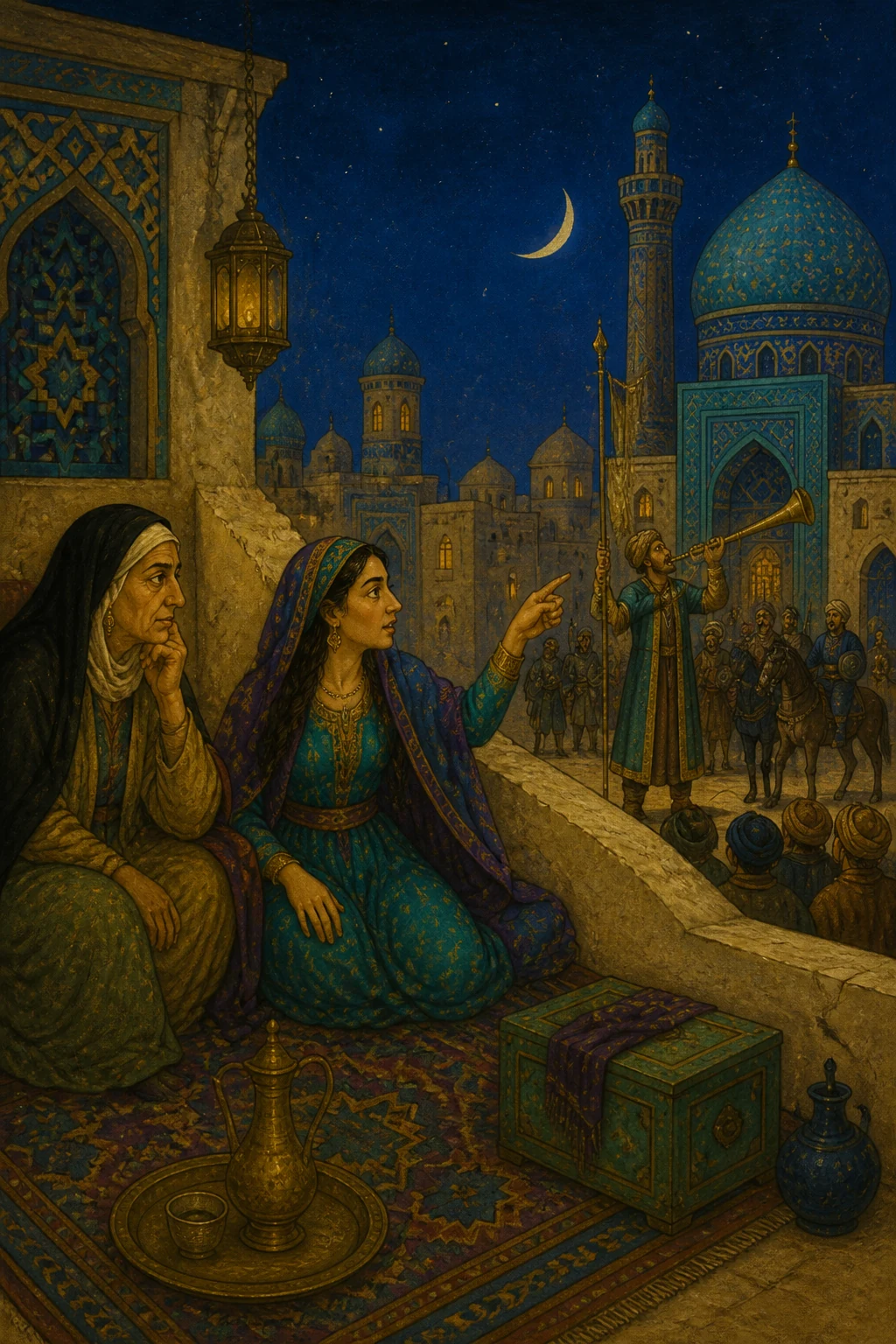
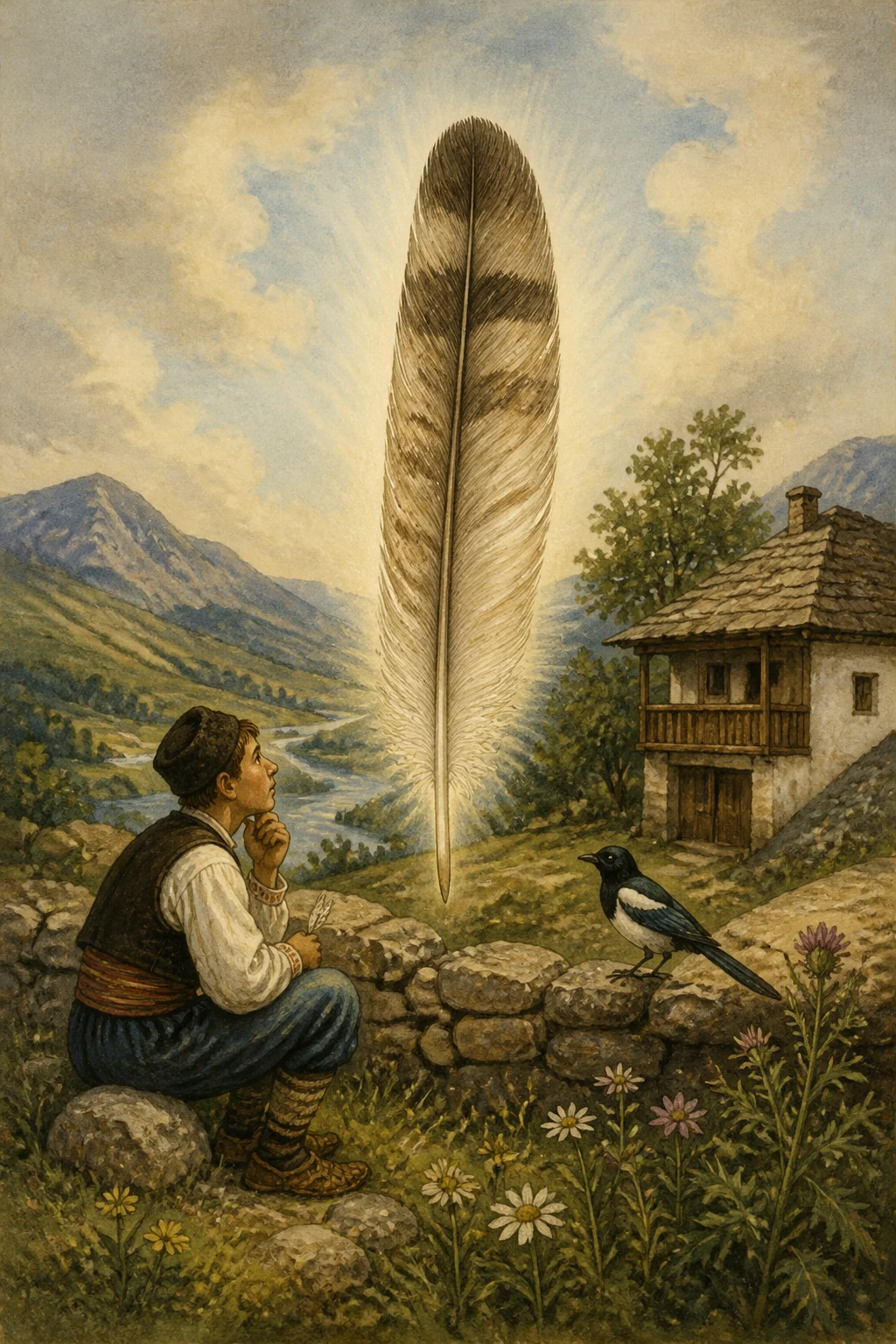
There was once a man who was very poor and had so many children that he could not feed them. More than once he had thought of killing them all one morning rather than suffer the misery of watching them starve, but his wife would not let him. One night a child came to him in a dream and said, “My good man! I see that you have a mind to forfeit your soul and slaughter those poor little children of yours, and I know that want has driven you to it. But tomorrow morning you will find beneath your pillow a mirror, a red kerchief, and an embroidered handkerchief. Take all three in secret, tell no one, and go to such-and-such a mountain. There you will find a river. Follow it upstream until you reach its source, and there you will find a maiden radiant as the sun, with her hair flowing down her shoulders and naked as the day she was born. Take care, lest a deadly serpent coil about you: do not utter a word, for if you speak she will bewitch you and turn you into a fish or some other creature, and then devour you. If she tells you to search her hair for lice, do as she asks, and as you pick through her hair, look carefully: you will find a single hair as red as blood. Pluck it out and run back the way you came. If she realizes what you have done and starts running after you, throw her first the embroidered handkerchief, then the kerchief, and last of all the mirror. These will distract her, and you must sell the hair to some rich man. But do not let anyone cheat you, for this hair is worth untold treasure. In this way you will grow rich and be able to feed your children.” When the poor man awoke, he found everything beneath his pillow just as the child in his dream had said, and set off for the mountain. Once he had found the river, he followed it, walking on and on until he reached its source. Looking about for the maiden, he saw her beside a pool, threading sunbeams through a needle and embroidering cloth stretched on a frame, its threads woven from the forelocks of heroes. As soon as he saw her, he bowed, and she rose to her feet and asked him, “Where do you come from, unknown hero?” But he kept silent. Again she asked, “Who are you? Why have you come?” and many other questions, but he remained as silent as a stone, gesturing with his hands as though he were mute and seeking help. Then she told him to sit in her lap. He readily sat down, and she bent her head towards him for him to search her hair. Parting the strands as though looking for lice, he at last found the red hair, separated it from the rest, and plucked it out. Then he sprang from her lap and ran back as fast as he could. She realized what he had done and raced after him, close on his heels. When he looked round and saw that she was about to catch him, he threw the embroidered handkerchief onto the path, as he had been told. At the sight of it she stooped and began turning it this way and that, marvelling at the embroidery, while he gained a good distance. Then the maiden tucked the handkerchief into her bosom and set off after him again. When he saw that she was about to catch him, he threw down the red kerchief, and once more she lingered over it, examining it in wonder, while the poor man put a good stretch of ground between them. Then the maiden flew into a rage, threw both the handkerchief and the kerchief onto the path, and raced after him. Once again, when he saw that she was about to catch him, he threw down the mirror. The maiden came upon it and picked it up, never having seen a mirror before. When she saw herself in it, she did not know that it was her own reflection, but thought it was another maiden who looked just like her. She stood gazing into the mirror, and the man got so far away that she could no longer catch him. When she saw that there was no hope of overtaking him, she turned back, while he went home safe and sound and full of joy. On reaching home, he showed his wife the hair and told her everything that had happened to him. She began to laugh and mock him, but he paid her no heed and went to a town to sell the hair. All sorts of people and merchants gathered round him: one offered a gold ducat, another two, and the bids rose higher and higher until they reached a hundred gold ducats. Meanwhile, the emperor too heard of the hair, summoned the man, and said he would give him a thousand ducats for it. So the man sold it to him. And what should that hair prove to be? The emperor split it lengthwise from one end to the other, and within it he found a record of many important things that had happened in ancient times, from the creation of the world, and when each had come to pass. Thus the man grew rich and lived out his days with his wife and children. And the child who had come to him in his dream was an angel sent by the Lord God, who wished to help the poor man and to reveal secrets that until then had remained unknown.
Izvirnik
031 Чудновата длака
Naslednje strani prikazujejo izvirno besedilo za primerjavo.
Био је један чоек, много сиромах и пунан ђеце тако да их никако хранити није могао, и више пута се канио да их једно јутро побије да не гледа јада ђе му од глади умиру, али му жена брањаше. Једну ноћ дође му у сну једно дијете и рече му: "Чоече! видим да си сумао душу да изгубиш и да покољеш ону јадну своју ђечицу, а знам да ти је невоља, него ћеш ујутру наћи под својом узглавницом једно огледало, један фацулет црљен, и једну везену мараму, то све троје узми кридимице и не казуј никоме па хајде у ту и у ту гору, у њој ћеш наћи једну ријеку, па хајде уза њу док јој дођеш на извор, онђе ћеш наћи једну ђевојку сјајну како сунце, просутијех коса низ плећи и голу као од мајке рођену, и чувај се да те љута змија не увије, немој ријечи проговорити, јер ако проговориш затравиће те и претвориће те у рибу или у што друго пак ће те изјести; а ако рече да је побиштеш по глави, обишти је, па пребирајући њезине косе гледај наћи ћеш једну длаку црљену као крв, истргни је и бјежи натраг, па ако се она досјети и за тобом почне трчати, баци јој најприђе везену мараму, па фацулет, па најпослије огледало, онда ће се она забавити, а ти ону длаку продај какву богату чоеку; него немој да те преваре, јер ова длака небројено благо ваља; те ћеш се тако обогатити и своју ђецу прехранити." Кад се ови сиромах пробуди нађе све под узглавницом као што му је дијете на сну рекло па онда пут оне горе, кад у њој нађе ријеку, он покрај ње хајде, хајде, док дође на извор. Обазревши се да види ђе је ђевојка угледа је над језером ђе зраке сунчане у иглу удијева, те по ђерђеву везе на поставу којему су жице од јуначкијех перчина. Теке виђе, поклони јој се, а она устаде на ноге и упита га: "Откуда си незнани јуначе?" А он муч'! Она га опет запита: "Који си? што си дошао?" и много друго којешта, а он мучи као камен, рукама показујући као да је нијем и да иште помоћи. Онда му она рече да сједе њојзи на скут, а он једва дочека и сједе, а она му подврже главу да је побиште. Он премећући длаке по глави као да је биште, једва нађе ову длаку црљену, па је одвоји од друге косе, изгули је. ђипи јој са скута па бјежи натраг што боље може. Она се досјети па сустопице трком за њим. А он обазревши се кад види да ће га стићи, баци на пут мараму везену како му је речено, а она кад виђе мараму, саже се и поче да је прегледа тамо амо чудећи се ономе везу док он подобро одмаче. А ђевојка стави мараму у њедра, те опет за њим. Он кад виде да ће га стигнути, баци црљени фацулет, а она се опет забави чудећи се и загледајући, док они јадни чоек опет подобро одмаче, а ђевојка се ражљути те баци на пут и мараму и фацулет, те трчке у поћеру за њим. Опет он кад виђе да ће га стићи, баци огледало. Ђевојка кад набаса на огледало којега још нигда није виђела, дигне га па пошто себе у њему виђе, не знајући да је ово она него мислећи да је некака друга налик на њу заблену се у огледало, те чоек одмакне далеко да га већ није могла стићи. А она кад виђе да га стићи не може, врати се натраг, а они чоек својој кући здраво и весело. Дошавши дома покаже жени ону длаку и приповједи све шта му се прикојасило, а она му се почне ругати и смијати, али он њу не слушајући пође у некакав град да прода ону длаку. Скупи се око њега свакојијех људи и трговаца: неко даје цекин, неко два, те све више, све више, док дођу до стотине златнијех цекина, у томе за ову длаку чује и цар те дозове овога чоека и рече му да ће му дати за њу хиљаду цекина, и он му је прода. Кад шта је та длака? Цар је расцијепи уздуж с врха до дна, и у њој нађе записано много знатнијех ствари кад се шта догађало у стара времена од постања свијета. Тако они чоек обогати и проживље са својом женом и ђецом. А оно дијете што је на сну долазило, био је андио послан од Господа Бога који је хтио да потпоможе овога јаднога чоека, и да се открију тајне које нијесу биле јавне до онда.
Nadaljuj z branjem